

Floor Rollers

Pay in 3 interest-free payments on purchases from £20-£3000 with  . Learn more.
 Loading...
End of content
Error - No more pages to load
About Floor Rollers
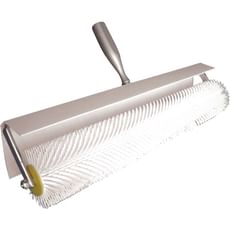
Floor rollers are specialist tools designed for releasing trapped air bubbles from freshly poured self-levelling compounds and liquid screeds. Featuring spiked or studded surfaces, these essential flooring tools penetrate the liquid compound to ensure proper deaeration, preventing surface imperfections, weak spots, and potential cracking once the material has cured. Whether you're preparing a subfloor for ceramic tiles, luxury vinyl, laminate flooring, or carpet installation, using a floor roller is a critical step that separates professional-quality results from problematic installations that may fail prematurely.
The spiked design allows tradespeople to walk through wet levelling compound whilst simultaneously working the material to eliminate air pockets that can remain hidden beneath an apparently smooth surface. This is particularly important with modern self-levelling screeds, which may appear perfectly flat whilst harbouring subsurface voids that later compromise structural integrity and create unevenness. Professional floor layers, tilers, and screeding contractors understand that a quality floor roller isn't merely a helpful accessory – it's an indispensable tool for achieving trade-standard finishes that stand the test of time.
Tooled-Up.com stocks floor rollers featuring durable construction with securely mounted spikes on cylindrical rollers, typically paired with extendable handles that allow efficient coverage of large floor areas without excessive bending or kneeling in wet compound. Handle length is particularly important for maintaining proper working posture and achieving consistent results across commercial spaces or multiple residential rooms. Models from trusted brands like Vitrex often include practical features such as splash guards to minimise mess during application, and compatibility with standard broom handles for convenient replacement or extension.
Jargon Buster
- Self-Levelling Compound: A liquid floor preparation material that spreads and levels itself through gravity to create a smooth, flat surface. Also known as floor leveller or liquid screed, it's used to correct uneven subfloors before laying final floor coverings such as tiles, vinyl, or laminate.
- Deaeration: The process of removing entrapped air bubbles from liquid materials. In flooring applications, thorough deaeration using a spiked roller is essential to prevent weak spots, surface crazing, and structural imperfections in the cured compound.
- Spike Length: The measurement of protruding spikes on the roller, typically ranging from 15-30mm. Spike length should correspond to the thickness of the levelling compound being applied – longer spikes for thicker applications, shorter spikes for thin layers.
- Working Time: The period during which a levelling compound remains workable and fluid after mixing. Floor rollers must be used within this timeframe before the compound begins to set, as rolling material that's starting to cure can cause damage rather than improvement.
- Subfloor Preparation: The critical process of cleaning, repairing, priming, and levelling the structural floor surface before applying final floor coverings. Proper subfloor preparation directly impacts the longevity and appearance of the finished flooring installation.
- Wet Edge: The active, still-liquid perimeter of poured levelling compound where new material can be seamlessly integrated. Maintaining a wet edge is important when working across large areas in sections to avoid visible joins or level differences.
Who Uses Floor Rollers?
Floor rollers are indispensable tools for various professionals and DIY enthusiasts working on flooring projects:
- Professional Tilers preparing subfloors before laying ceramic, porcelain, natural stone, or large-format tiles
- Flooring Specialists installing vinyl, LVT, laminate, engineered wood, or carpet in commercial and residential settings
- General Builders undertaking renovation projects that include floor preparation and levelling work
- Plasterers and Screeding Contractors working with liquid screeds and levelling compounds on larger commercial projects
- Property Maintenance Professionals repairing and renovating floors in rental properties, council housing, or commercial premises
- Bathroom and Kitchen Fitters ensuring perfectly level, water-tight surfaces in moisture-sensitive rooms
- DIY Enthusiasts tackling home improvement projects including floor preparation for new coverings
- Shopfitters and Commercial Contractors preparing retail, office, and hospitality spaces to exacting professional standards
- Renovation Specialists restoring period properties where floor levels have settled or become uneven over time
How to Choose the Right Floor Rollers
Selecting the appropriate floor roller ensures professional results and efficient working. Consider these key factors:
Spike Length and Configuration: Different levelling compounds and application depths require appropriate spike lengths. Typical spike lengths range from 15mm for thinner applications to 30mm for deeper pours. The Vitrex range, available from Tooled-Up.com, features 20mm spikes suitable for most standard floor levelling applications. Ensure spike length matches your compound depth for effective deaeration without disturbing the self-levelling properties.
Roller Width: Wider rollers cover more ground quickly on large commercial projects, whilst narrower widths offer better control in smaller rooms, bathrooms, or around obstacles and pipework. A width between 400-500mm provides versatility for most applications, with 500mm models being particularly efficient for open-plan areas and commercial spaces.
Handle Compatibility and Length: Consider whether the roller comes with an integrated handle or fits standard broom handles. Models that accept standard handles offer flexibility and easy replacement if handles become damaged. Extendable or longer handles (at least 1.5 metres) are essential for working across large floor areas without excessive walking through wet compound.
Build Quality and Durability: Professional-grade rollers feature robust construction that withstands regular site use. Check for solid roller cores, securely fixed spikes that won't detach in the compound, and durable materials that resist chemical degradation. Quality construction ensures the tool remains effective across multiple projects rather than failing after limited use.
Practical Features: Look for useful additions such as splash guards that minimise mess during application, comfortable grip handles that reduce hand fatigue, and designs that facilitate easy cleaning. Some models feature quick-release mechanisms for efficient cleaning between pours or when working with different compound types.
Application Compatibility: Verify your chosen roller suits the specific levelling compound you're using. Manufacturers typically provide guidance on suitable roller types, and following these recommendations prevents issues such as visible track marks or inadequate deaeration.
Popular Accessories
Enhance your floor levelling work with these complementary products:
- Self-Levelling Compounds: Various formulations for different depths and applications, from rapid-setting varieties for quick turnaround projects to flexible compounds for areas with slight movement or underfloor heating systems
- Mixing Paddles and Stirrers: For use with power drills to achieve lump-free, properly mixed levelling compound with consistent viscosity throughout
- Gauge Rakes: Adjustable rakes that help spread compound to the correct depth before rolling, ensuring even coverage and material efficiency
- Smoothing Trowels: For edging work, final surface finishing in corners, and areas around obstacles where the roller cannot reach
- Spiked Shoes or Cleated Boots: Allow you to walk across wet compound whilst working the roller without leaving footprints, essential for larger commercial pours
- Measuring and Mixing Buckets: Calibrated containers ensuring accurate water-to-compound ratios for optimal performance and curing
- Floor Primers: Essential preparation products that improve adhesion, control porosity, and create ideal bonding conditions for levelling compounds
- Moisture Meters: To check subfloor moisture content before applying levelling compounds, preventing adhesion failure and efflorescence issues
- Protective Sheeting and Masking: For protecting skirting boards, door frames, and surrounding areas from splashes and spills during application
- Cleaning Equipment: Buckets, brushes, and cleaning agents for immediate tool maintenance before compound sets
Safety Information
Working with floor rollers and levelling compounds requires attention to health and safety considerations:
Personal Protective Equipment: Always wear appropriate PPE including safety goggles or glasses to protect eyes from splashes, dust masks or respirators when mixing dry compounds to avoid inhaling cement dust and silica particles, and waterproof gloves to prevent skin contact with alkaline materials that can cause irritation, dermatitis, or chemical burns. Steel toe-capped boots provide foot protection on site.
Ventilation Requirements: Ensure adequate ventilation when working with levelling compounds indoors, particularly in confined spaces such as bathrooms or basement areas. Some products release vapours during mixing and curing that require good air circulation. Open windows and doors, and consider mechanical ventilation for larger commercial projects or poorly ventilated spaces.
Manual Handling: Floor rollers with extended handles can be awkward to manoeuvre and transport. Use proper lifting techniques when carrying equipment, and take care when extending or collapsing adjustable handles to avoid trapped fingers or strain injuries. Plan your working position to minimise repetitive movements and maintain good posture throughout the application process.
Slip Hazards: Wet levelling compound creates extremely slippery surfaces. Take care when moving around freshly poured areas, and consider using spiked shoes designed specifically for walking on wet screeds. Keep the work area clear of obstacles, ensure good lighting, and establish safe access routes. Barrier tape or warning signs help prevent others accidentally entering the work area.
COSHH Compliance: Familiarise yourself with the Control of Substances Hazardous to Health regulations relevant to the levelling compounds you're using. Keep safety data sheets accessible on site, follow the manufacturer's safety guidance regarding mixing ratios and ventilation, and ensure all site workers understand the hazards and control measures. Some compounds contain cement which is classified as hazardous.
Cleaning and Disposal: Clean tools immediately after use before compound sets hard. Dispose of waste material and wash water responsibly according to local authority guidelines – never pour it down drains where it can cause blockages, environmental harm, or contaminate watercourses. Dried compound should be disposed of as construction waste.
Frequently Asked Questions
When should I use a spiked roller on levelling compound?
Use the spiked roller immediately after pouring and spreading the levelling compound, whilst it's still liquid and within its working time. The compound should be fluid enough for the spike holes to self-heal after the roller passes through. Work the roller in multiple directions – typically in overlapping passes at different angles – to ensure thorough deaeration and help the compound flow into all areas. Don't wait too long; once the compound begins to set, using a roller can cause permanent damage and surface marks rather than improvement. Most compounds have working times between 20-40 minutes depending on temperature and formulation.
How do I clean my floor roller after use?
Clean your floor roller immediately after use with clean water, before any compound has a chance to set. Rinse thoroughly under running water, using a stiff brush to remove compound from between the spikes and around the roller shaft. Pay particular attention to the roller core and handle connection points where compound can accumulate and harden. Once the compound sets, it becomes extremely difficult or impossible to remove and may permanently damage the tool. Many professionals keep a bucket of clean water on site for immediate rinsing during work breaks or between pours.
Can I use a floor roller for all types of levelling compounds?
Most spiked floor rollers work effectively with standard self-levelling compounds, but always check the manufacturer's recommendations for both the roller and the compound. Some rapid-setting compounds have very short working times that require quick, efficient roller work, whilst thicker screeds may need rollers with longer spikes for adequate penetration. The compound viscosity affects how well spike holes self-heal, so using the correct roller type prevents visible track marks in the finished surface. When in doubt, consult the technical data sheet for your specific levelling compound.
What's the difference between a floor roller and a paint roller?
Floor rollers for levelling compounds feature rigid plastic or metal spikes specifically designed to penetrate and deaerate liquid screeds without disrupting their self-levelling properties. Paint rollers have absorbent fabric sleeves for applying coatings and would be completely unsuitable for floor levelling work. Never attempt to use a paint roller on levelling compound – it won't remove air bubbles, will likely leave fibres contaminating your subfloor, and will be immediately ruined by the alkaline material.
Do I need spiked shoes as well as a floor roller?
For small residential rooms, you can often work from the edges and doorways without walking through the wet compound. However, for larger areas, open-plan spaces, or commercial projects, spiked shoes (sometimes called cleated shoes or screed shoes) allow you to walk across the wet surface whilst using the roller, without leaving footprints. The shoes feature spikes similar to the roller, and the holes they create self-heal in properly mixed compound. They're particularly valuable when you need to work from the centre of the pour or when the room layout makes edge-working impractical.