

Floor Sanding Sheets
Pay in 3 interest-free payments on purchases from £30-2000 with  . Learn more.
 Loading...
End of content
Error - No more pages to load
About Floor Sanding Sheets
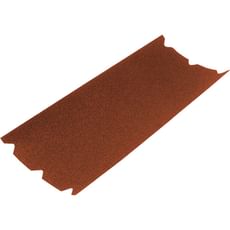
Floor sanding sheets are specialist abrasive products engineered for the demanding work of restoring, renovating and finishing wooden floors. Unlike standard sandpaper, these heavy-duty sheets feature reinforced backing materials and industrial-grade abrasive particles designed to withstand the heat, friction and sustained pressure generated during floor sanding operations. Whether you're stripping decades of varnish from original floorboards, smoothing rough timber after installation, or preparing surfaces for oiling or sealing, floor sanding sheets deliver the durability and cutting performance required for professional results across large surface areas.
Available in a comprehensive range of grit sizes from coarse through to fine, floor sanding sheets at Tooled-Up.com are manufactured to precise dimensions for compatibility with drum sanders, belt sanders and orbital floor sanding machines. The abrasive material—typically aluminium oxide for its exceptional durability—is bonded to robust backing paper or cloth rated for floor work, ensuring the sheets resist tearing even during extended sanding sessions. Quality matters significantly in floor sanding applications, as inferior sheets can disintegrate prematurely, waste time, and compromise surface finish quality.
Professional floor fitters and experienced DIY enthusiasts understand that achieving a flawless floor finish requires working through a progression of grit grades, starting with coarser abrasives to remove old finishes and level uneven surfaces, then advancing through medium and fine grits for smoothing and final preparation. The floor sanding sheets available from Tooled-Up include trusted brands like Faithfull, which manufacture sheets with E-Weight flexible backing paper suitable for both hardwoods and softwoods. Proper sheet selection based on floor condition, timber type and sanding equipment ensures efficient material removal, extended sheet life, and surfaces perfectly prepared for their final treatment.
Jargon Buster
- Grit Size - The numerical classification indicating abrasive particle coarseness. Lower numbers (24-40 grit) represent coarse grades for aggressive material removal and levelling, medium grits (60-80) suit general sanding work, whilst fine grits (100-120+) provide the smooth finish required before applying oils, stains or varnishes.
- Aluminium Oxide - A synthetic abrasive material recognised as the industry standard for floor sanding sheets. This exceptionally hard and durable compound maintains its cutting edge longer than natural abrasives, making it cost-effective for both hardwood and softwood applications whilst delivering consistent performance throughout the sheet's working life.
- Open Coat vs Closed Coat - Open coat sheets feature abrasive particles covering approximately 50-70% of the backing surface, leaving gaps that facilitate dust clearance and prevent clogging when sanding resinous woods or old finishes. Closed coat provides 100% abrasive coverage for faster cutting action on clean hardwoods.
- Anti-Clog Treatment - A specialised coating applied during manufacture that prevents wood dust, resin and finish residues from bonding to the abrasive surface. This treatment significantly extends sheet working life, maintains consistent cutting performance, and proves particularly valuable when sanding softwoods or removing old varnishes.
- E-Weight Backing - A classification describing the thickness and strength of the paper backing material. E-Weight represents a heavier, more robust backing specifically engineered for floor sanding applications where sheets endure substantial mechanical stress, heat and prolonged use.
- Backing Material - The paper or cloth foundation to which abrasive particles are bonded. Floor sanding sheets require tear-resistant backing materials that remain flexible yet durable under the demanding conditions of floor work, including heat buildup and continuous friction against large timber surfaces.
Who Uses Floor Sanding Sheets?
- Floor Fitters and Floor Layers - Professional tradespeople specialising in wooden floor installation, restoration and refinishing who require reliable abrasives for daily floor work
- Carpenters and Joiners - For finishing timber floors as part of broader construction projects, first fix carpentry work, or bespoke joinery installations
- Property Developers and House Flippers - When renovating properties for resale and restoring original floorboards to maximise property value and appeal
- Building Contractors - During new build developments or refurbishment projects requiring floor preparation and finishing as part of complete building works
- Heritage Restoration Specialists - Working on listed buildings, period properties and conservation projects where sympathetic restoration of original wooden floors preserves architectural character
- Facilities Managers and Maintenance Teams - Responsible for maintaining wooden floors in commercial premises, educational establishments, public buildings and hospitality venues
- DIY Enthusiasts and Homeowners - Taking on home improvement projects to restore original floorboards, refinish parquet, or prepare newly laid timber flooring
- Interior Designers and Shopfitters - When floor finishing forms part of complete interior refurbishment projects in retail, office or residential spaces
How to Choose the Right Floor Sanding Sheets
Assess your floor's current condition before selecting grit grades. Heavily worn floors with multiple layers of paint, thick varnish or significant surface damage require starting with coarse 24 or 40 grit sheets for effective material removal. Floors in reasonable condition might begin with 60 grit, whilst floors needing only light refreshing could start at 80 grit. Always plan a complete grit progression—typically coarse to medium to fine—as this methodical approach prevents scratches carrying through to the final finish.
Timber type significantly influences sheet selection. Softwoods like pine generate resinous dust that clogs abrasives quickly, making open coat sheets with anti-clog treatment essential for maintaining cutting performance. Hardwoods such as oak, ash or maple demand aluminium oxide abrasives that retain their edge during extended use. For reclaimed timber or floors with old finishes, expect increased sheet consumption as contaminants accelerate abrasive wear.
Verify compatibility with your sanding equipment before purchasing. Floor sanders require specific sheet dimensions—the standard 475mm x 203mm suits many drum and belt sanders, but always confirm your machine's requirements. Some equipment uses pre-cut sheets whilst others need wrapping and securing in particular ways. Incorrect sizing wastes money and delays work, so consult your sander's manual or specifications.
Calculate quantity requirements realistically. Floor sanding consumes sheets rapidly, and attempting to extend worn sheets beyond their effective life creates more work than it saves. As a guide, budget for 3-5 sheets per grit grade for an average bedroom, more for larger spaces or challenging conditions. Professional floor fitters typically change sheets every 15-20 minutes during active sanding to maintain optimal cutting efficiency.
Prioritise quality over price. Premium floor sanding sheets from established manufacturers like Faithfull feature superior backing materials, consistent abrasive distribution and enhanced durability. Whilst cheaper alternatives might seem economical initially, they tear prematurely, clog faster and deliver inferior results. Quality sheets cut more efficiently, last longer and ultimately prove more cost-effective whilst ensuring the professional finish your floor deserves.
Popular Accessories
- Floor Sanding Machines - Drum sanders, belt sanders and orbital floor sanders for efficient material removal across large floor areas
- Edge Sanders and Detail Sanders - Essential for reaching areas adjacent to skirting boards, in corners and around obstacles where main floor sanders cannot access
- Dust Extraction Equipment - Industrial vacuum systems and dust extractors designed to manage the substantial fine wood dust generated during floor sanding operations
- Sanding Blocks and Hand Sanders - For detailed finishing work, awkward corners, stair treads and final surface preparation
- Floor Finishing Products - Hardwax oils, floor varnishes, wood stains and sealers to protect and enhance freshly sanded timber floors
- Abrasive Pads and Screens - For between-coat flatting when applying multiple finish layers, ensuring optimal adhesion and smooth final appearance
- Wood Filler and Floor Repair Compounds - For addressing gaps between boards, nail holes and minor imperfections before final sanding stages
- Protective Sheeting and Masking Materials - Heavy-duty dust sheets, masking tape and door seals to protect adjacent rooms from pervasive wood dust
- Application Equipment - Rollers, brushes and applicator pads specifically designed for floor finishing products
Safety Information
Floor sanding generates substantial quantities of fine wood dust classified as a carcinogen under COSHH regulations. Prolonged exposure causes serious respiratory conditions including occupational asthma, so respiratory protection is absolutely mandatory. Wear minimum FFP2 rated disposable masks for short-duration work, or ideally powered respirators for extended sanding projects. Never work without proper respiratory protection regardless of project scale.
Eye protection rated to EN166 standards is essential, as airborne dust particles and debris pose significant injury risk. Wear safety goggles or a full face shield throughout sanding operations. Additionally, floor sanding machinery typically generates noise exceeding HSE safe exposure limits, making hearing protection compulsory for operators and anyone working in the vicinity.
Connect all sanding equipment to appropriate dust extraction systems. Whilst modern floor sanders incorporate onboard extraction, supplementary vacuum equipment dramatically improves air quality and reduces cleanup time. Ensure adequate ventilation by opening windows and doors where possible, but don't rely on natural airflow alone to manage hazardous dust levels.
Wear appropriate personal protective equipment including sturdy work boots with slip-resistant soles, long-sleeved clothing to minimise skin contact with dust, and work gloves when handling sheets and equipment. Remove trip hazards from the work area, manage electrical cables properly to prevent snagging, and never operate machinery whilst fatigued. Always allow sanding machines to reach complete stop before setting them down, and disconnect from 240v mains supply when changing sheets or performing any maintenance.
Frequently Asked Questions
What grit should I start with when sanding my wooden floor?
For floors with thick old varnish, multiple paint layers or significant surface damage, commence with 24 or 40 grit for effective material removal. Floors in reasonable condition can begin with 60 grit, whilst those requiring only light refreshing might start at 80 grit. Always test in an inconspicuous area first, and plan to progress through increasingly finer grits—typically 60, 80, then 100-120—for professional results ready for finishing.
How frequently should I change floor sanding sheets during work?
Replace sheets immediately when you notice reduced cutting efficiency, visible wear, or any tearing. Don't attempt to extend sheet life beyond effectiveness, as worn abrasives burnish timber rather than cutting it, creating finish adhesion problems. Professional floor fitters typically change sheets every 15-20 minutes during active sanding. It's more economical to use fresh sheets that cut efficiently than persist with worn abrasives that waste time and compromise results.
Can I use ordinary sandpaper instead of proper floor sanding sheets?
Standard sandpaper lacks the reinforced backing, appropriate dimensions and abrasive distribution required for floor sanding equipment and applications. It tears rapidly under the sustained stress of floor work, costs considerably more through excessive consumption, and delivers poor results. Always use sheets specifically manufactured for floor sanding—they're engineered for the demanding conditions and sized correctly for floor sanding machinery.
Why do my sanding sheets clog so quickly when working?
Rapid clogging typically occurs when sanding softwoods, resinous timbers like pine, or removing old varnishes and finishes. Select open coat sheets featuring anti-clog treatment for these applications, as they incorporate gaps between abrasive particles that facilitate dust clearance. Verify your dust extraction system functions efficiently, and accept that certain old floor finishes—particularly some varnishes, waxes and polyurethanes—inherently load up abrasives regardless of prevention measures.
How many floor sanding sheets will I need for my room?
For a typical bedroom measuring approximately 12-15 square metres, expect to consume 12-20 sheets total across all grit progressions—roughly 3-5 sheets per grit grade. Larger rooms, harder timbers, heavily contaminated floors or those with thick old finishes require more. Variables including floor condition, timber species and finish type significantly affect consumption, so purchase additional sheets beyond calculated requirements to avoid project delays.