

Floor Sweepers

Pay in 3 interest-free payments on purchases from £20-£3000 with  . Learn more.
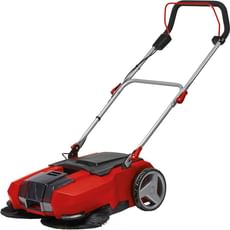
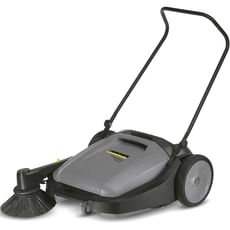
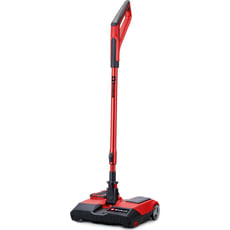
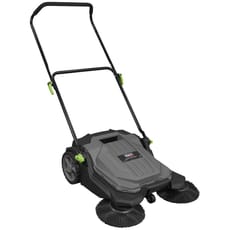
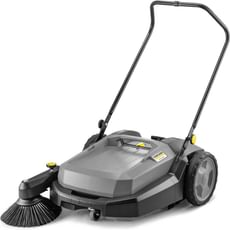
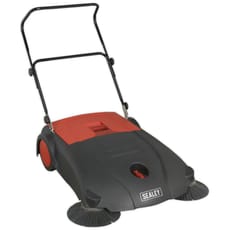
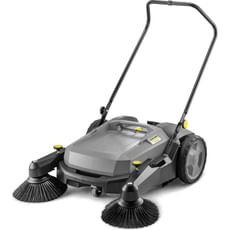
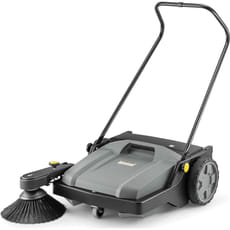
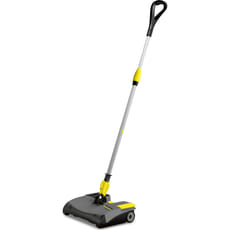
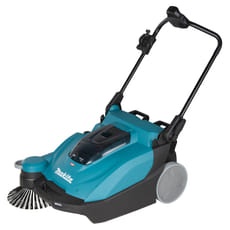
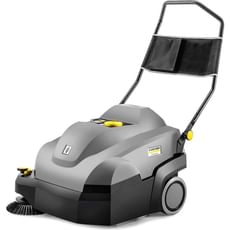
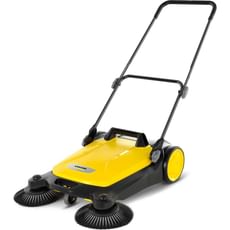
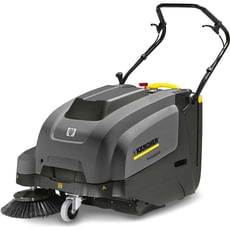
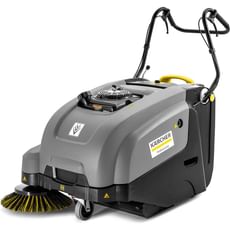
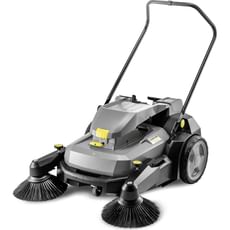
Karcher KM 70/30 C BP 2SB Professional 36v Cordless Push Floor Sweeper
available
 Loading...
End of content
Error - No more pages to load
About Floor Sweepers
Floor sweepers are mechanical cleaning machines that use rotating brushes to efficiently collect dust, debris, and waste from hard floor surfaces in workshops, warehouses, factories, and commercial premises. Unlike traditional brooms that simply redistribute dust into the air, these purpose-built machines sweep debris directly into integrated collection hoppers, significantly reducing cleaning time whilst minimising airborne particles. The category encompasses manual push models requiring no power source, cordless battery-operated sweepers ideal for indoor use, and self-propelled petrol variants designed for large outdoor areas and demanding industrial applications.
The floor sweeper range at Tooled-Up.com features leading manufacturers including Karcher Professional, Makita, Einhell, and Sealey, offering machines with working widths from compact 300mm models through to industrial 900mm variants. Modern cordless sweepers typically operate on 18v, 36v, or 40v lithium-ion battery systems, with premium models like the Makita VS001G combining both vacuum suction and sweeping action for comprehensive floor cleaning. Manual push sweepers such as the Karcher KM 70 series remain popular for smaller workshops and areas without power access, whilst self-propelled models like the Karcher KM 75/40 significantly reduce operator fatigue when covering extensive floor areas.
Whether you're maintaining a joinery workshop, clearing a warehouse floor, sweeping a car park, or tidying a home garage, there's a floor sweeper suited to your specific requirements. Today's machines incorporate practical features including adjustable brush heights for different surface types, side brushes for edge cleaning right up to walls, quick-release waste containers, and dust control systems that capture fine particles whilst sweeping. Professional cordless models offer emission-free operation essential for indoor environments, whilst petrol-driven sweepers deliver extended runtime and power for outdoor applications where coverage area and robustness are priorities.
Jargon Buster
- Working Width: The total sweeping path covered in a single pass, typically ranging from 300mm for compact workshop models to over 900mm for industrial machines. Wider working widths dramatically reduce cleaning time for large warehouses and commercial spaces.
- Main Roller Brush: The primary cylindrical brush that rotates to sweep debris forwards into the collection hopper. Professional models feature hard-wearing bristles suitable for various floor surfaces and debris types, with some manufacturers offering interchangeable brushes for wet or dry applications.
- Collection Hopper: The integrated waste container where swept debris is collected. Capacity typically ranges from 400ml for compact cordless models through to 60 litres for industrial machines, with larger capacities reducing emptying frequency during extended cleaning sessions.
- Side Brush (2SB): Additional rotating brushes mounted at the sides of the sweeper to clean right up to walls, corners, and edges. The designation "2SB" indicates two side brushes are fitted, providing comprehensive edge cleaning on both sides of the machine.
- BP (Battery Powered): Designation used particularly by Karcher Professional to indicate cordless battery-operated models, typically running on 36v lithium-ion battery systems for emission-free indoor operation with professional runtime.
- Self-Propelled: Machines equipped with powered drive to the wheels, significantly reducing operator effort when covering large areas or working on inclines. Models like the Karcher KM 75/40 W BP feature this drive system for professional all-day use.
Who Uses Floor Sweepers?
- Warehouse and Logistics Operatives: Maintaining clean floors in distribution centres, loading bays, and storage facilities where fork truck traffic generates continuous debris
- Facilities Management Teams: Cleaning commercial premises, shopping centres, car parks, and public buildings as part of routine maintenance schedules
- Manufacturing and Workshop Staff: Keeping factory floors, engineering workshops, and production areas free from metal swarf, plastic trimmings, and industrial waste
- Joiners and Carpenters: Managing sawdust, wood shavings, and timber offcuts in joinery workshops and on construction sites
- Site Managers and Contractors: Maintaining cleanliness on building sites during construction and refurbishment projects to comply with site welfare requirements
- Agricultural Workers: Sweeping farm buildings, stables, livestock housing, and rural commercial premises where traditional cleaning methods are time-consuming
- Retail and Hospitality Staff: Maintaining shop floors, hotel forecourts, outdoor dining areas, and customer-facing spaces
- Vehicle Workshop Technicians: Cleaning garage floors, MOT bays, and automotive workshops where oil, grit, and metal particles accumulate
- DIY Enthusiasts and Homeowners: Cleaning garages, driveways, patios, and home workshop spaces more efficiently than traditional sweeping methods
How to Choose the Right Floor Sweepers
Power Source: Manual push sweepers like the Karcher KM 70/15 C require no batteries or fuel, making them economical for smaller workshops and occasional use. Cordless battery-powered models from Einhell, Makita, and Karcher offer convenient emission-free operation perfect for indoor environments, with 18v systems suited to light domestic use and 36v-40v platforms delivering professional runtime. Petrol-driven sweepers provide extended operation for large outdoor areas where emissions aren't a concern and mains charging isn't practical.
Coverage Area: Consider the total floor area you clean regularly. Compact sweepers with 300-500mm working widths suit smaller workshops, retail units, and home garages, whilst industrial models with 700-900mm widths are essential for warehouses and large commercial premises. Professional self-propelled machines can clean 2,000-4,000 square metres per hour, making them cost-effective for extensive facilities.
Debris Type: Different applications generate different waste materials. Fine dust from sanding operations requires models with good dust containment, whilst heavier debris like metal swarf, gravel, or aggregate needs robust brush construction and larger hopper capacity. The Karcher S4 offers interchangeable brushes optimised for wet or dry waste, whilst the Makita VS001G combines vacuum suction for fine dust alongside mechanical sweeping.
Indoor vs Outdoor Use: Battery-powered models are essential for indoor use where petrol exhaust emissions would be unacceptable and noise must be minimised. The Karcher CVS 65/1 BP and similar cordless professional models excel in enclosed warehouses, factories, and retail environments. Petrol sweepers like the Karcher KM 75/40 W G perform better outdoors on rough surfaces, car parks, and expansive hard-standing areas where runtime and power are priorities.
Container Capacity and Emptying: Larger hoppers reduce emptying frequency but add weight to the machine. A 10-20 litre capacity typically suffices for workshop use and smaller commercial spaces, whilst industrial applications benefit from 40-60 litre containers. Check that hoppers feature comfortable carrying handles and quick-release mechanisms for convenient emptying, particularly important when dealing with heavy debris like aggregate or wet waste.
Manoeuvrability and Ergonomics: Self-propelled models significantly reduce operator fatigue when covering large areas or working on inclines. Consider machine weight, handle ergonomics, and wheel diameter—larger wheels cope better with uneven surfaces, thresholds, and outdoor terrain whilst smaller machines navigate tight spaces between racking and equipment more easily. Telescopic handles allow height adjustment for comfortable operation by different users.
Popular Accessories
- Replacement Main Roller Brushes: Consumable items requiring periodic replacement depending on usage intensity and debris abrasiveness, with specialist brushes available for wet waste applications
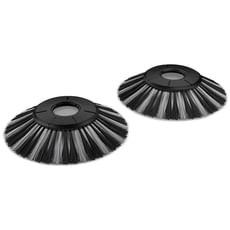
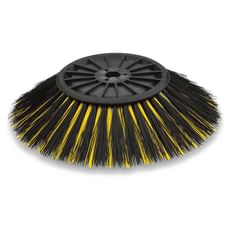
- Side Brushes: Wear items that need replacing more frequently than main brushes, with wet waste variants like the Karcher Side Brushes for S4 models suited to damp environments
- Spare Batteries and Chargers: Additional battery packs for cordless models enable continuous operation whilst one battery charges, essential for professional all-day use with Power X-Change, XGT, or Karcher Battery Power systems
- Collection Container Liners: Disposable bags or liners to simplify waste disposal, particularly useful when collecting potentially hazardous materials requiring specialist disposal
- Dust Control Filters: Replacement filters for models with integrated dust suppression systems, important in environments requiring high air quality standards
- Maintenance Kits: Cleaning tools, lubricants, and replacement wear parts to maintain optimal performance and extend machine lifespan
- Protective Storage Covers: Weather-resistant covers to protect machines when stored outdoors or in damp environments such as agricultural buildings
Safety Information
Always conduct a pre-use inspection checking that brushes are securely fitted, wheels move freely, and collection containers are properly seated before operation. Clear the area of large objects, cables, and trip hazards before sweeping, as floor sweepers are designed for debris collection rather than obstacle removal. Attempting to sweep over cables or large objects can damage brushes and compromise machine performance.
Wear appropriate PPE including safety footwear and high-visibility clothing when operating sweepers in shared workspaces or on sites with vehicle traffic. If sweeping potentially hazardous materials such as metal swarf, glass fragments, or chemically contaminated debris, consult COSHH guidance and consider whether additional respiratory protection is required, particularly with manual models lacking integrated dust suppression systems.
Battery-powered models should only be charged using the manufacturer's specified charger in well-ventilated areas away from flammable materials. For petrol-driven sweepers, refuel outdoors or in ventilated areas with the engine switched off and cooled, and store fuel in approved containers away from ignition sources in accordance with HSE guidance on flammable liquids.
Empty collection containers regularly to prevent overfilling, which reduces sweeping efficiency and may cause spillage. When disposing of swept waste, consider whether materials require segregation for recycling or specialist disposal, particularly in commercial and industrial settings where waste streams are regulated. Some debris types such as metal swarf or chemical-contaminated materials may require specialist waste contractors.
Frequently Asked Questions
What's the difference between a floor sweeper and a vacuum cleaner?
Floor sweepers use rotating brushes to mechanically sweep debris into a collection hopper, making them ideal for larger particles, workshop waste, and outdoor use where suction would be impractical or impossible. Vacuum cleaners use airflow to collect predominantly fine dust and are better suited to finished floors and detailed cleaning. Some advanced models like the Makita VS001G 40v XGT combine both technologies, offering vacuum suction alongside sweeping brushes for comprehensive cleaning of both fine dust and larger debris in a single pass.
How long does a battery last on cordless floor sweepers?
Runtime varies considerably depending on battery capacity, voltage platform, and sweeper workload. Entry-level 18v models like the Einhell TE-FS 18 Li typically provide 30-60 minutes of continuous operation, whilst professional 36v systems such as the Karcher CVS 65/1 BP can run for 90 minutes or more. Higher capacity batteries—for example, a 5.0Ah compared to a 2.5Ah—approximately double runtime. For extended operation, consider purchasing spare batteries compatible with your platform, enabling continuous work whilst one battery charges.
Can floor sweepers be used on uneven or rough surfaces?
Many floor sweepers cope well with moderately uneven surfaces such as textured concrete, paving slabs, tarmac, and coated factory floors. Professional models often feature adjustable brush heights to accommodate surface variations whilst maintaining proper brush contact. However, very rough ground, loose gravel, broken surfaces, or heavily rutted areas may require industrial-grade machines with robust construction and larger wheels. Manual push sweepers generally handle rough outdoor terrain better than lightweight cordless models designed primarily for smooth indoor floors.
Are floor sweepers suitable for wet debris and outdoor use?
Some floor sweepers are specifically designed to handle wet waste, featuring moisture-resistant components and specialised brush configurations. Models designated for wet use, such as those with Karcher's wet waste side brushes, are suitable for damp environments and light liquid spillages. However, many standard models are intended for dry debris only, and using them on wet materials can damage brushes, clog collection systems, and void warranties. Always check the manufacturer's specifications before sweeping wet waste. For outdoor use, consider whether you need weatherproof construction and rust-resistant components if the machine will be stored outdoors.
How often do brushes need replacing on floor sweepers?
Brush lifespan depends heavily on usage intensity, debris abrasiveness, and surface type. In typical workshop use with moderate debris like wood shavings or general dust, expect main brushes to last 6-12 months and side brushes slightly longer due to less contact pressure. Industrial applications involving highly abrasive materials like metal swarf, aggregate, or grit may require replacement every 2-3 months. Inspect brushes regularly for wear—when bristles are worn down by 50% or show uneven wear patterns affecting sweeping efficiency, replacement is advisable. Tooled-Up stocks replacement brushes for major brands including Karcher Professional models.