

Floor & Yacht Varnish
Pay in 3 interest-free payments on purchases from £30-2000 with  . Learn more.
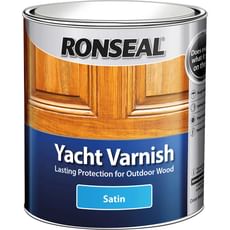
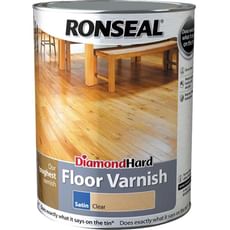
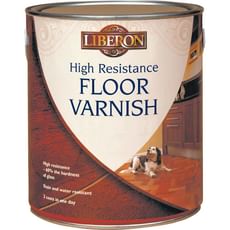
 Loading...
End of content
Error - No more pages to load
About Floor & Yacht Varnish
Floor and yacht varnishes represent some of the most durable and hard-wearing protective finishes available for timber surfaces. Specially formulated to withstand constant foot traffic, moisture exposure, UV degradation and extreme weather conditions, these premium varnishes provide long-lasting protection for both interior and exterior wood. Whether you're refinishing a hardwood floor, protecting a pine staircase, or maintaining the timber on a boat, choosing the right varnish is essential for achieving a professional, long-lasting finish.
Floor varnishes are engineered to resist scuffs, scratches and the daily wear that comes from heavy footfall, making them ideal for domestic and commercial flooring applications. Yacht varnishes, meanwhile, are formulated with additional UV filters and water-resistant properties that make them perfect for exterior woodwork exposed to the British weather. Many modern formulations offer a diamond-hard finish that combines aesthetic appeal with exceptional durability, ensuring your timber surfaces remain protected and looking their best for years to come.
Tooled-Up.com stocks trusted brands including Ronseal and Liberon, offering both solvent-based and water-based options in various finishes from satin to high gloss. These professional-grade varnishes are suitable for softwoods and hardwoods alike, and are designed to be applied with brushes or rollers for ease of use on both small domestic projects and larger commercial installations.
Jargon Buster
- Diamond Hard Finish: A marketing term describing varnishes with exceptional hardness and durability, typically incorporating advanced polyurethane resins that create an extremely tough protective layer resistant to scratches and impact damage.
- UV Filters: Chemical additives incorporated into exterior varnishes that absorb or reflect ultraviolet light, preventing the sun's rays from breaking down the varnish and causing discolouration or degradation of the underlying timber.
- Solvent-Based vs Water-Based: Solvent-based varnishes use white spirit or other chemical solvents as a carrier, offering superior durability but longer drying times and stronger odours. Water-based formulations dry faster, have lower VOC emissions and minimal odour, making them more user-friendly for interior applications.
- Touch Dry Time: The period required before the varnish surface is dry enough to touch without leaving marks, typically 2-6 hours depending on formulation, though full cure time (when it reaches maximum hardness) may be several days longer.
- VOC (Volatile Organic Compounds): Solvents that evaporate during the drying process, regulated under UK and EU legislation. Lower VOC products are better for indoor air quality and environmental impact.
- Recoatable Time: The minimum waiting period before applying subsequent coats, ensuring proper adhesion between layers without lifting or wrinkling of the previous coat.
Who Uses Floor & Yacht Varnish?
Floor and yacht varnishes are essential products for various trades and users, including:
- Floor Fitters and Sanders: Professional flooring specialists who install and refinish hardwood, engineered and parquet flooring in domestic and commercial properties.
- Joiners and Carpenters: Tradespeople finishing bespoke staircases, window sills, doors and other interior joinery requiring durable protection.
- Painters and Decorators: Professionals applying protective finishes as part of comprehensive refurbishment projects.
- Boat Builders and Marine Engineers: Specialists maintaining and restoring wooden boats, yachts and marine structures.
- Property Maintenance Contractors: Multi-trade professionals maintaining timber surfaces in rental properties, schools, offices and public buildings.
- DIY Enthusiasts: Homeowners undertaking floor restoration projects, garden furniture maintenance or general timber protection work.
- Restoration Specialists: Craftspeople working on period properties and heritage buildings where traditional timber finishes are required.
How to Choose the Right Floor & Yacht Varnish
Selecting the appropriate varnish depends on several key factors:
Interior vs Exterior Application: Floor varnishes are formulated for interior use and prioritise hardness and abrasion resistance, whilst yacht varnishes contain UV filters and enhanced water resistance essential for exterior exposure to British weather conditions. Never use interior-only products outdoors as they will quickly fail.
Traffic Levels: Consider the wear your surface will experience. High-traffic areas like hallways, commercial spaces and shop floors require the most durable diamond-hard formulations, whilst bedroom floors or decorative items can use standard finishes.
Timber Type: Different woods have varying porosity and tannin content. Resinous softwoods may require specialist preparation, whilst oily hardwoods like teak might need primer. Check manufacturer guidance for compatibility with your specific timber.
Finish Appearance: Available in gloss, satin and matt finishes. High gloss emphasises grain patterns and provides a traditional look popular for yacht work, whilst satin and matt finishes are contemporary choices for interior floors that show fewer marks and scratches.
Drying Time Requirements: Water-based varnishes dry significantly faster than solvent-based alternatives, allowing quicker recoating and return to service. This is crucial for commercial applications where downtime must be minimised, though solvent-based products typically offer marginally better durability.
Health and Safety Considerations: For interior applications, low-VOC water-based formulations offer better indoor air quality and reduced odour during application. Particularly important in occupied buildings, schools and healthcare settings where strong solvent smells would be problematic.
Popular Accessories
- Application Brushes: High-quality natural or synthetic brushes designed for varnish application, minimising brush marks and ensuring smooth coverage.
- Rollers and Trays: Foam or mohair rollers ideal for larger floor areas, providing faster coverage than brushwork.
- White Spirit and Thinners: Essential for cleaning tools and thinning solvent-based varnishes if required.
- Sandpaper and Abrasives: Various grits from 80 to 240 for preparation, inter-coat abrading and achieving smooth finishes.
- Wood Stains and Dyes: For colouring timber before varnishing, enhancing grain patterns or achieving specific aesthetic effects.
- Lint-Free Cloths: For removing dust between coats and general preparation work.
- Masking Tape: Protecting skirting boards, walls and adjacent surfaces during application.
- Dust Sheets and Floor Protection: Essential for protecting surrounding areas from drips and spills.
- Respirators and Ventilation Equipment: Particularly important when working with solvent-based products in enclosed spaces.
Safety Information
Floor and yacht varnishes require careful handling to ensure safe application and optimal results. Always work in well-ventilated areas when using solvent-based products, opening windows and using extraction fans to prevent the build-up of potentially harmful vapours. Refer to COSHH (Control of Substances Hazardous to Health) regulations for workplace applications, ensuring proper risk assessments are completed.
Wear appropriate personal protective equipment including nitrile gloves to prevent skin contact, safety glasses to protect eyes from splashes, and respiratory protection when spraying or working in poorly ventilated spaces. Many varnishes are flammable, so eliminate ignition sources including naked flames, smoking materials and hot work in the vicinity.
Store varnishes in a cool, dry place away from heat sources and direct sunlight, ensuring lids are tightly sealed to prevent skinning. Dispose of used rags and application materials responsibly, as oil-soaked materials can pose a spontaneous combustion risk. Follow local authority guidelines for disposal of leftover product and contaminated waste.
Allow newly varnished floors adequate curing time before returning furniture or permitting foot traffic. Whilst surfaces may be touch-dry within hours, full hardness typically develops over several days. Premature use can result in marking, indentation or damage to the finish.
Frequently Asked Questions
How many coats of floor varnish should I apply?
Most manufacturers recommend a minimum of three coats for floor varnish applications, with high-traffic areas benefiting from four or even five coats. The first coat acts as a sealer, subsequent coats build protection and depth, whilst the final coat provides the ultimate hardness. Lightly abrading between coats with fine sandpaper (220 grit) ensures good adhesion and a smooth finish. Yacht varnish for exterior use typically requires 4-6 coats for adequate UV and weather protection.
Can I use yacht varnish on interior floors?
Whilst technically possible, yacht varnish is not the optimal choice for interior floors. It's formulated with UV filters and flexibility needed for exterior exposure rather than the extreme hardness required for floor applications. Browse the selection at Tooled-Up.com for dedicated floor varnishes that provide superior abrasion resistance specifically engineered for foot traffic, reserving yacht varnish for exterior woodwork, boats and garden furniture.
What's the difference between varnish and polyurethane?
The terms are often used interchangeably in modern products. Traditional varnish was made from natural resins dissolved in oil or spirit, whilst polyurethane varnishes incorporate synthetic polyurethane resins that provide enhanced durability, flexibility and water resistance. Most contemporary "varnishes" are actually polyurethane-based formulations, offering the best performance characteristics for demanding applications like floors and exterior woodwork.
How long before I can walk on a newly varnished floor?
Touch-dry times vary between products, but generally allow 4-6 hours before light foot traffic in socks, 24 hours before normal use with footwear, and 48-72 hours before replacing furniture. However, full cure (when the varnish reaches maximum hardness) takes 7-10 days for most products. Avoid placing rugs or heavy furniture during this curing period, and be especially careful with rubber-backed mats which can cause discolouration on uncured varnish.
Do I need to sand between coats of varnish?
Light abrading between coats with 220-240 grit sandpaper is highly recommended but not always essential. This process, called "denibbing," removes dust particles, smooths any imperfections and provides a key for the next coat to adhere to. If you apply subsequent coats within the recoatable window specified by the manufacturer, some products will chemically bond without abrading. However, for the best finish, especially on floors, light sanding between each coat produces superior results.