
Flooring Adhesives

Pay in 3 interest-free payments on purchases from £20-£3000 with  . Learn more.
Loading...
End of content
Error - No more pages to load
About Flooring Adhesives
Flooring adhesives are specialised bonding products engineered to securely fix carpets, vinyl, laminate, and wooden floors to subfloors and surfaces. Whether tackling a domestic room renovation or a large-scale commercial installation, the right adhesive ensures a professional, durable finish that withstands heavy foot traffic and daily wear. Tooled-Up.com stocks flooring adhesives from trusted manufacturers including Everbuild, Evo-Stik, and Unibond, delivering the reliable bond strength required for both trade installations and DIY flooring projects.
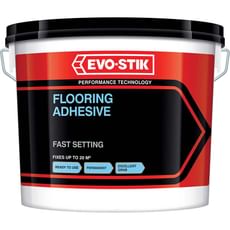
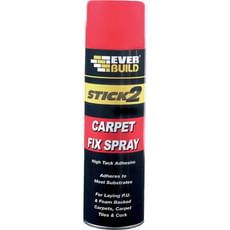
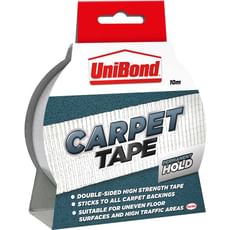
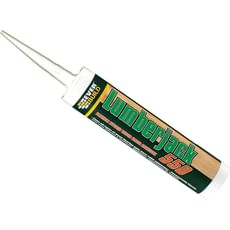
Modern flooring adhesives are available in various formulations to suit different materials and application methods. Traditional trowel-applied adhesives like Evo-Stik 873 provide economical coverage for large areas, whilst convenient aerosol products such as Everbuild Carpet Fix offer quick application for repairs and smaller sections. Hybrid polymer adhesives like the Everbuild Lumberjack 550 are specially formulated for wooden floors, remaining permanently flexible whilst being 100% solvent and water-free to prevent warpage. For mess-free, tool-free application, pressure-sensitive carpet tapes from Unibond provide strong permanent bonds without drying time, ideal for securing edges, thresholds, and seams.
Selecting the correct flooring adhesive is crucial for preventing common installation failures such as delamination, bubbling, or edge lifting. Factors including flooring type, subfloor material, environmental conditions, and compatibility with underfloor heating systems all influence product choice. Whether you're a professional floor fitter working on commercial contracts or a DIY enthusiast renovating your home, having access to trade-quality adhesives ensures your flooring remains firmly in place for years to come.
Jargon Buster
- Tack Time (Open Time): The period after adhesive application during which it remains workable and repositionable. This varies between products and determines how quickly you must work before the adhesive skins over or loses its bonding capability.
- Initial Grab: The immediate bonding strength when flooring is first pressed onto the adhesive. High initial grab prevents slippage of heavy materials during installation and is particularly important when working on vertical surfaces or with unwieldy sections.
- Hybrid Polymer Adhesive: Advanced solvent-free formulations that combine the benefits of different adhesive chemistries. These products typically offer excellent flexibility, strong bonding, and compatibility with underfloor heating whilst eliminating warpage risks associated with water or solvent-based products.
- Pressure-Sensitive Adhesive (PSA): Adhesives that create a bond when pressure is applied, without requiring chemical activation, heat, or drying time. Commonly found in double-sided carpet tapes, these allow immediate use and can be permanent or repositionable depending on formulation.
- Subfloor: The structural floor surface beneath the visible floor covering. This may be concrete, plywood, chipboard, or existing flooring, and must be clean, dry, level, and properly prepared before adhesive application for optimal bonding performance.
- Coverage Rate: The area that can be covered per litre or container of adhesive, typically measured in square metres. Coverage depends on application method, trowel notch size, subfloor porosity, and product formulation, so always check technical data sheets.
Who Uses Flooring Adhesives?
Flooring adhesives are essential products for a diverse range of professionals and DIY users:
- Professional Carpet Fitters – Installing fitted carpets in residential properties, offices, and commercial premises
- Flooring Contractors – Laying vinyl, linoleum, wooden floors, and other floor coverings
- Shopfitters – Creating durable floor finishes in retail environments and commercial spaces
- Building Contractors – Completing new build developments and refurbishment projects
- Property Maintenance Teams – Carrying out repairs, renovations, and upgrades in rental properties and commercial buildings
- Interior Designers and Decorators – Specifying and installing quality flooring solutions for clients
- DIY Enthusiasts and Homeowners – Undertaking home improvement projects, room renovations, and flooring repairs
- Stage and Exhibition Builders – Installing temporary or semi-permanent flooring for events, displays, and exhibitions
- Facilities Managers – Maintaining and upgrading flooring in schools, hospitals, and public buildings
How to Choose the Right Flooring Adhesives
Selecting the appropriate flooring adhesive depends on several critical factors that determine installation success:
Flooring Material: Different floor coverings require specific adhesive formulations. Carpet adhesives differ fundamentally from those designed for vinyl sheet flooring or engineered wood. Hybrid polymer products like Everbuild Lumberjack 550 are specifically engineered for wooden floors, whilst traditional contact adhesives suit vinyl and linoleum. Always verify that your chosen product is compatible with your flooring material to ensure proper bonding and avoid damage.
Subfloor Type: The surface you're bonding to significantly affects adhesive selection. Porous surfaces like concrete may require different products than sealed wooden subfloors or existing vinyl. Some adhesives are multi-purpose, whilst others are optimised for specific substrates. Check whether your subfloor requires priming to reduce porosity and improve bond strength.
Application Method: Consider whether you need a trowel-applied, brush-on, or aerosol adhesive. Spray products like Everbuild Carpet Fix offer rapid application for smaller areas, repairs, and awkward spaces, whilst traditional bucket adhesives provide economy for large-scale installations. Pressure-sensitive tapes such as Unibond's carpet to floor tape offer convenient, mess-free application without specialist tools or drying time.
Working Time and Setting Speed: Fast-setting adhesives are ideal when time is critical or foot traffic cannot be delayed, but longer tack times allow for adjustments and repositioning—particularly important for DIY users or when working with large, unwieldy sections. Consider your skill level and installation complexity when selecting working time characteristics.
Environmental Conditions: Consider temperature, humidity, and moisture exposure both during installation and throughout the floor's service life. Areas prone to dampness, such as ground-floor rooms, kitchens, or commercial spaces, may require water-resistant formulations. Check whether products are suitable for use with underfloor heating systems if applicable—not all adhesives can withstand the temperature cycling involved.
Permanent or Temporary Installation: Determine whether you need a permanent bond or if the flooring may require removal in future. Semi-permanent adhesives and tapes allow for easier replacement whilst still providing adequate hold for most residential and light commercial applications.
Popular Accessories
To achieve professional results with flooring installations, the range at Tooled-Up includes these complementary products:
- Notched Trowels and Spreaders – For even application of adhesive at the correct thickness and coverage rate
- Flooring Rollers – Weighted or hand rollers to ensure proper adhesive contact and eliminate air pockets
- Floor Scrapers and Stripping Tools – To remove old adhesive residues and prepare subfloors effectively
- Moisture Meters – Essential for checking subfloor dryness before adhesive application to prevent bond failure
- Cleaning Solvents and Wipes – For tool cleaning and removing excess adhesive before it cures
- Knee Pads and Kneelers – Professional workwear from brands like Snickers, DeWalt, and Scruffs for comfortable floor-level working
- Primers and Sealers – To prepare porous, dusty, or friable subfloors for optimal adhesive performance
- Ventilation Equipment – Fans or extraction units when working with solvent-based products in enclosed spaces
- Measuring Containers and Mixing Paddles – For accurate preparation of two-part adhesive systems
- Craft Knives and Trimming Tools – Stanley and other brands for precise cutting and finishing
Safety Information
Working safely with flooring adhesives protects installers, building occupants, and ensures regulatory compliance. Always read manufacturer's instructions and safety data sheets before use, and observe these essential precautions:
Ventilation: Many flooring adhesives, particularly solvent-based formulations, emit fumes during application and curing. Ensure adequate ventilation throughout the working area and during the drying period. Open windows, use extraction fans where possible, and consider respiratory protection for prolonged exposure in poorly ventilated spaces. Fresh air reduces exposure to volatile organic compounds (VOCs) and accelerates drying.
Personal Protective Equipment (PPE): Wear appropriate PPE including chemical-resistant safety gloves to prevent skin contact, as many adhesives can cause irritation, sensitisation, or allergic reactions with repeated exposure. Safety glasses or goggles protect against splashes, particularly when using aerosol products. Ensure gloves are suitable for the specific chemicals in your chosen adhesive—not all glove materials provide adequate protection.
COSHH Compliance: Professional users and employers must comply with Control of Substances Hazardous to Health regulations. Conduct risk assessments before commencing work, maintain safety data sheets on site, and ensure all operatives are properly trained in safe handling, storage, and emergency procedures. Keep records of COSHH assessments and training for HSE compliance.
Flammability: Many adhesives, especially solvent-based products, are highly flammable. Keep away from naked flames, sparks, welding operations, and heat sources. Ensure "no smoking" rules are strictly enforced, and be aware that some electrical equipment and power tools can generate ignition sources. Store products in cool, well-ventilated areas away from combustible materials and direct sunlight.
Skin Contact and Spillages: In case of skin contact, wash immediately with soap and water—do not use solvents on skin. For eye contact, rinse thoroughly with water and seek medical attention. For large spillages, contain the liquid, absorb with sand or suitable inert material, and dispose of waste in accordance with local authority requirements and environmental regulations. Never wash adhesive residues into drains.
Frequently Asked Questions
How long does flooring adhesive take to dry before the floor can be used?
Drying times vary considerably between products and formulations. Fast-setting aerosol adhesives like Everbuild Carpet Fix may allow light foot traffic within an hour, whilst traditional trowel-applied flooring adhesives typically require 24-48 hours before normal use. Heavy furniture should be kept off newly laid flooring for at least 72 hours to prevent indentation or bond disruption. Factors including temperature, humidity, ventilation, adhesive thickness, and subfloor porosity all affect curing times, so always check the manufacturer's specific guidance on the product data sheet.
Can I use flooring adhesive over underfloor heating systems?
Not all flooring adhesives are suitable for use over underfloor heating. The temperature fluctuations during heating cycles can affect adhesive performance, potentially causing bond failure, cracking, or loss of flexibility. Look for products specifically marked as compatible with underfloor heating systems, such as Everbuild Lumberjack 550, which remains permanently flexible through temperature cycling. These formulations are designed to maintain bond strength and accommodate the thermal expansion and contraction of both flooring and subfloor. Always verify compatibility before purchasing and follow manufacturer's guidelines regarding heating system operation during and after installation.
Do I need to prepare the subfloor before applying adhesive?
Yes, proper subfloor preparation is absolutely critical for successful adhesive bonding and long-term installation performance. The surface must be clean, dry, structurally sound, and free from dust, grease, paint, wax, curing compounds, or old adhesive residues. Fill any cracks, holes, or joints, and ensure the floor is level within acceptable tolerances for your flooring type. Porous or dusty surfaces benefit from priming to reduce adhesive absorption and improve bond strength. Check the subfloor moisture content with a meter—excessive moisture is one of the most common causes of installation failure, leading to delamination and bond breakdown.
What's the difference between carpet tape and liquid carpet adhesive?
Carpet tape, such as Unibond's permanent adhesive tape, offers a quick, clean application method without the need for trowels, drying time, or specialist tools. It's ideal for securing carpet edges, thresholds, doorways, and smaller areas, and generally allows for easier removal and replacement compared to liquid adhesives. Liquid carpet adhesives provide coverage over large areas more economically and create a permanent bond across the entire carpet backing for maximum stability. Professional installations often combine both methods—using liquid adhesive for the main floor area with tape for finishing edges, seams, and awkward details.
How much adhesive coverage should I expect per container?
Coverage rates vary depending on the product formulation, application method, trowel notch size, and subfloor porosity. Typical coverage for trowel-applied flooring adhesives ranges from 3-6 square metres per litre when applied correctly. Aerosol products generally cover smaller areas per can, typically 4-6 square metres depending on application thickness. Always check the technical data sheet for your specific product, and purchase slightly more than calculated to account for wastage, uneven application, and to ensure you don't run short mid-installation. Highly porous or unsealed subfloors will absorb more adhesive, significantly reducing coverage rates—consider priming such surfaces first.