

Flooring Trowels
Pay in 3 interest-free payments on purchases from £30-2000 with  . Learn more.
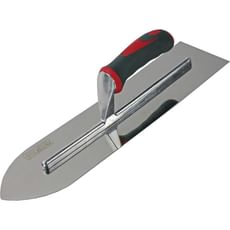
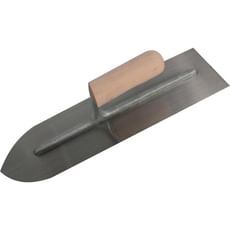
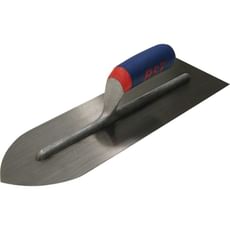
 Loading...
End of content
Error - No more pages to load
About Flooring Trowels
Flooring trowels are specialised hand tools engineered specifically for the application and spreading of flooring adhesives, self-levelling compounds, and screeds. Distinguished from standard plastering or bricklaying trowels by their wider, flatter blade design, these tools enable efficient coverage across expansive floor areas whilst maintaining the precision required for professional installations. The blade geometry allows tradespeople to achieve the perfectly level substrate essential for successful installation of ceramic tiles, porcelain, vinyl flooring, laminate, and other floor coverings. Whether preparing a bathroom floor for tiling or levelling a commercial space before vinyl installation, the right flooring trowel makes the critical difference between a professional finish and a compromised result.
Professional-grade flooring trowels typically feature stainless steel blades that resist corrosion when exposed to water-based adhesives and cementitious levelling compounds. This material choice ensures longevity even under demanding daily site use. The blade incorporates a carefully engineered flexibility that allows operators to apply consistent pressure whilst following minor floor contours, preventing ridges and ensuring even coverage of materials. Modern flooring trowels increasingly feature ergonomically designed soft-grip handles that significantly reduce hand fatigue during extended periods of floor work, an important consideration for tradespeople completing large-scale installations.
Tooled-Up.com stocks dependable flooring trowels from respected manufacturers including RST and Faithfull, brands known for robust construction that withstands the rigours of professional flooring work. Available in various sizes ranging from compact 280mm models for confined spaces through to expansive 400mm blades for large commercial areas, the selection at Tooled-Up caters to both professional floor layers and DIY enthusiasts tackling home improvement projects. Quality flooring trowels represent an essential investment for anyone serious about achieving professional-standard floor preparation and installation.
Jargon Buster
- Notched Trowel: A trowel featuring serrated or V-shaped notches along the blade edges that create uniform ridges in adhesive, ensuring proper coverage and allowing trapped air to escape when laying floor tiles or sheet materials.
- Stainless Steel Blade: Corrosion-resistant blade material that maintains its smooth working surface when exposed to water-based adhesives and cementitious compounds, unlike carbon steel which requires more maintenance to prevent rust.
- Tang Construction: The metal extension of the blade that secures into the handle, with full tang designs where metal runs through the entire handle offering superior strength and durability for demanding professional applications.
- Levelling Compound: A self-smoothing cementitious material applied with flooring trowels to create a perfectly level surface across uneven substrates before laying final floor coverings such as tiles or vinyl.
- Blade Flexibility: The controlled spring characteristic in a trowel blade that allows it to follow subtle floor undulations whilst maintaining even pressure for consistent material application without creating ridges.
- Soft-Grip Handle: An ergonomic handle design incorporating cushioned polymers that reduce hand strain, improve control, and provide comfortable grip during prolonged trowelling work on site.
Who Uses Flooring Trowels?
Flooring trowels are essential tools for a diverse range of construction and renovation professionals:
- Floor Layers: Specialists who install various flooring types including vinyl, linoleum, rubber flooring, and carpet tiles across residential and commercial properties
- Tilers: Professionals laying ceramic, porcelain, natural stone, and large-format floor tiles in bathrooms, kitchens, hallways, and commercial spaces
- Screeding Contractors: Tradespeople applying and levelling floor screeds in new builds, extensions, and renovation projects
- General Builders: Who undertake floor preparation and installation as part of broader construction and refurbishment projects
- Bathroom and Kitchen Fitters: Requiring perfectly level floors for successful wet room installations and appliance fitting
- Property Maintenance Teams: Carrying out floor repairs, levelling work, and refurbishments in residential blocks and commercial premises
- Shopfitters: Installing commercial flooring in retail and hospitality environments where level substrates are critical
- DIY Enthusiasts: Tackling home improvement projects involving floor levelling, tile installation, and flooring preparation
How to Choose the Right Flooring Trowels
Blade Material: Stainless steel blades represent the professional choice, offering excellent rust resistance and easy cleaning when working with wet compounds and adhesives. Whilst carbon steel alternatives may appear more economical initially, they require considerably more maintenance to prevent corrosion and maintain the smooth surface essential for quality work.
Blade Size and Shape: Larger blades between 350-400mm cover expansive areas quickly, making them ideal for commercial floors and open-plan domestic spaces. Smaller trowels around 280-300mm offer superior control and manoeuvrability in confined areas such as bathrooms, utility rooms, and beneath fitted kitchens. Consider your typical working environment when selecting blade length.
Handle Design: Soft-grip handles significantly reduce hand fatigue during extended use and improve control when applying consistent pressure. Look for ergonomically shaped handles that fit comfortably in your hand and maintain secure grip even when wearing work gloves. The handle should feel balanced with the blade weight for optimal control.
Tang Construction: Full tang construction, where the blade metal extends completely through the handle, offers superior durability for daily professional use. This construction method prevents handle separation under the repetitive stresses of trowelling work, a common failure point in budget tools.
Blade Flexibility: Appropriate blade flex allows you to follow minor floor undulations whilst maintaining even pressure. Excessively stiff blades create ridges in levelling compounds, whilst overly flexible blades lack the control needed for consistent material application. Quality brands like RST and Faithfull engineer appropriate flexibility into their blade designs.
Intended Application: Consider whether you primarily need a flat finishing trowel for spreading and smoothing levelling compounds, or a notched version for adhesive application. Many professional floor layers and tilers maintain both types in their toolkit for different flooring applications and materials.
Popular Accessories
- Notched Trowels: Various notch configurations (U-notch, V-notch, square-notch) in different sizes for specific adhesive applications and tile formats
- Mixing Paddles: For preparing levelling compounds and adhesives to the correct consistency, compatible with Makita, DeWalt, or Milwaukee cordless drills
- Knee Pads: Essential PPE from brands like Snickers and Scruffs for comfortable extended floor work and protection against injury
- Spirit Levels: To verify floor levelness before compound application and during curing, ensuring specification compliance
- Mixing Buckets: Heavy-duty containers for preparing flooring adhesives and levelling compounds to manufacturer specifications
- Sponge Floats: For final smoothing and finishing of floor surfaces, particularly useful with self-levelling compounds
- Gauge Rakes: To spread levelling compound to consistent depths across large areas before final trowelling
- Tool Cleaning Brushes: To maintain trowel condition, remove dried material, and prolong blade working life
- Work Gloves: To protect hands when working with cementitious compounds that can cause skin irritation
Frequently Asked Questions
What's the difference between a flooring trowel and a plastering trowel?
Flooring trowels feature wider, flatter blades specifically engineered for spreading materials across horizontal floor surfaces efficiently. Plastering trowels have more curved blades optimised for vertical wall work and require different handling techniques. Using the correct tool ensures better control, reduces fatigue, and delivers a more professional finish for your specific application. The blade flexibility also differs, with flooring trowels designed for the particular demands of floor levelling.
How do I clean my flooring trowel after use?
Clean your trowel immediately after use, before adhesives or levelling compounds cure. Scrape off excess material with a scraper or the edge of another trowel, then wash thoroughly with warm water and a stiff brush. For stubborn residue on stainless steel blades, use a mild detergent or dedicated tool cleaner. Dry the blade completely to prevent any corrosion and maintain the smooth surface essential for quality work. Never allow cementitious materials to fully cure on the blade.
Can I use a flooring trowel for tile adhesive application?
A standard flat flooring trowel works perfectly for initial spreading of tile adhesive, but you'll need a notched trowel for proper adhesive application when laying tiles. The notches create uniform ridges that ensure complete adhesive coverage and allow trapped air to escape when tiles are bedded, preventing hollow spots that can lead to cracking. Most tilers keep both flat and notched trowels in their toolkit for different stages of the installation process.
How often should I replace my flooring trowel?
With proper maintenance, a quality stainless steel flooring trowel from manufacturers like RST or Faithfull can provide several years of professional use. Replace your trowel when the blade develops permanent bends that cannot be straightened, when the working edge becomes worn or damaged affecting finish quality, or if the handle becomes loose or damaged. Regular cleaning after each use and proper storage significantly extend tool lifespan and maintain performance.
What size flooring trowel suits domestic renovation projects?
For typical domestic bathrooms, kitchens, and utility rooms, a flooring trowel measuring 280-300mm in length offers excellent coverage whilst remaining manoeuvrable in tighter spaces and around obstacles. For larger open-plan areas, hallways, or garage floors, a 350-400mm trowel speeds up work considerably whilst still providing adequate control for DIY users. Consider purchasing two sizes if you regularly work in varied spaces, as the time savings with appropriate sizing quickly justify the investment.