

Flower Rakes

Pay in 3 interest-free payments on purchases from £20-£3000 with  . Learn more.
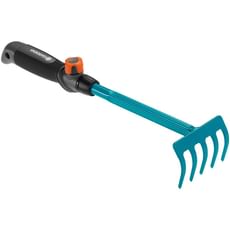
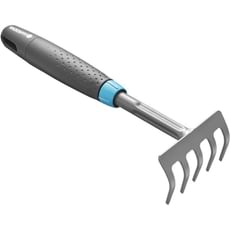
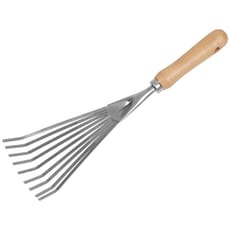
 Loading...
End of content
Error - No more pages to load
About Flower Rakes
Flower rakes are specialist gardening tools designed for the delicate work of maintaining flower beds, borders, and ornamental planting areas. Unlike traditional garden rakes with their wide, heavy-duty tines, flower rakes feature narrower heads with closely-spaced, flexible tines that allow gardeners to work carefully around delicate plants without damaging stems, roots, or emerging shoots. These precision tools are essential for tasks such as removing fallen leaves from between bedding plants, levelling soil in confined spaces, and tidying mulch around precious perennials.
The flower rakes available from Tooled-Up.com are predominantly from GARDENA, a trusted name in quality hand tools for professional gardeners and keen enthusiasts alike. These tools are engineered to combine strength with finesse, offering the perfect balance between durability and gentle handling. Whether you're maintaining established borders, preparing planting pockets in rockeries, or simply keeping your flower beds looking pristine throughout the growing season, a well-designed flower rake makes light work of tasks that would be impossible with larger garden tools.
Available in both fixed-head designs and as part of GARDENA's innovative COMBISYSTEM range, flower rakes offer flexibility to suit different working preferences and storage requirements. The COMBISYSTEM approach allows professional landscapers and garden maintenance contractors to build a comprehensive toolkit using interchangeable heads with a single handle, reducing van clutter and improving efficiency on site.
Jargon Buster
- COMBISYSTEM - GARDENA's modular tool system where multiple tool heads can be attached to compatible handles, allowing users to build a customised toolkit whilst saving storage space and reducing costs.
- Tines - The individual prongs or teeth of a rake. On flower rakes, these are typically thinner and more closely spaced than standard garden rakes to work effectively in confined spaces.
- Working Width - The measurement across the rake head from edge to edge, determining how much ground can be covered in a single pass and whether the tool can fit between closely-planted specimens.
- Spring Steel Tines - Tines manufactured from tempered steel that flex under pressure then return to their original shape, providing durability whilst preventing damage to plant roots and stems.
- Duroplast - A high-quality plastic coating used on tool heads to provide corrosion resistance and reduce soil adhesion, making tools easier to clean and longer-lasting.
Who Uses Flower Rakes?
- Professional Gardeners and Groundskeepers - maintaining parks, public gardens, and estate grounds with detailed border work
- Garden Maintenance Contractors - providing commercial landscaping and upkeep services to residential and corporate clients
- Landscape Gardeners - installing and maintaining ornamental planting schemes
- Nursery Workers - tending container plants and preparing growing areas
- Cemetery and Memorial Garden Caretakers - maintaining flower beds and memorial plantings with appropriate care
- Horticultural Students and Trainees - learning proper garden maintenance techniques
- Keen Amateur Gardeners - anyone with flower beds, herbaceous borders, or ornamental gardens who takes pride in immaculate presentation
- Allotment Holders - tending cut flower patches and decorative areas within productive plots
How to Choose the Right Flower Rakes
Head Width and Design: Consider the size of your flower beds and the spacing between plants. Narrower heads (typically 85-150mm) are ideal for working in tight spaces between established perennials, whilst slightly wider designs cover more ground in open borders. The head shape should allow you to reach into corners and work around obstacles without trampling adjacent plants.
Fixed Head vs COMBISYSTEM: If you already use GARDENA COMBISYSTEM tools, an interchangeable head offers excellent value and saves storage space. For those preferring traditional tools or requiring a dedicated flower rake that's always ready to hand, a fixed-head model with its own handle provides instant convenience.
Tine Configuration: Look for closely-spaced tines made from spring steel that flex without bending permanently. The tines should be fine enough to gather small debris like fallen petals and leaves, but robust enough to level soil and break up surface compaction when needed.
Handle Length and Comfort: For COMBISYSTEM heads, ensure you have a compatible handle of appropriate length for your height and the type of work involved. Shorter handles (typically 130cm) suit raised beds and confined spaces, whilst longer handles (150cm+) reduce bending when working larger ground-level borders. Fixed-head models from the Tooled-Up range often feature ergonomically formed handles with soft components for enhanced comfort during extended use.
Build Quality: Professional-grade flower rakes feature corrosion-resistant coatings such as Duroplast, secure head-to-handle connections, and comfortable grips. GARDENA tools come with substantial manufacturer guarantees, reflecting their durability and suitability for regular commercial use.
Popular Accessories
- COMBISYSTEM Handles - various lengths and materials to suit different tasks and user preferences
- Hand Cultivators and Hoes - complementary COMBISYSTEM heads for complete border maintenance
- Garden Trowels and Hand Forks - for close-up planting and weeding work
- Kneeling Pads and Knee Pads - protecting knees during low-level border work
- Garden Gloves - protecting hands whilst maintaining dexterity for detailed work
- Garden Trugs and Buckets - collecting leaves, debris, and plant material whilst working
- Secateurs and Snips - removing dead heads and damaged stems as you tidy borders
- Garden Storage Solutions - keeping tools organised and protected between uses
Frequently Asked Questions
What's the difference between a flower rake and a standard garden rake?
Flower rakes have narrower heads with more closely-spaced, finer tines specifically designed for working carefully around delicate plants in flower beds and borders. Standard garden rakes are wider and heavier, intended for levelling soil, gathering leaves from lawns, and general heavy-duty ground preparation rather than precision work amongst established plantings.
Can I use a flower rake for lawn care?
Flower rakes aren't designed for lawn maintenance – they're too narrow and light to effectively gather lawn clippings or scarify turf. For lawn work, you'll need a spring-tined lawn rake or a powered scarifier. Flower rakes excel in borders where their compact size and gentle action are advantages.
How do I maintain my flower rake?
Clean soil and debris from the tines after each use, ideally with a stiff brush or by rinsing with water. Dry thoroughly to prevent rust, even on coated tools. Periodically check that COMBISYSTEM heads are securely attached to handles and tighten any connections as needed. Store in a dry location, preferably hanging to keep tines straight and prevent handle warping.
Are COMBISYSTEM flower rakes as durable as fixed-head models?
Yes, GARDENA COMBISYSTEM components are engineered to professional standards with robust connection mechanisms. When properly attached, COMBISYSTEM tools perform identically to fixed-head equivalents whilst offering the flexibility to change heads quickly. Many professional gardeners and contractors rely on COMBISYSTEM tools for daily commercial use.
What working width do I need for typical flower borders?
Most flower rakes range from 85-150mm working width, which suits the majority of border situations. This allows you to work between plants spaced 200-300mm apart comfortably. If you maintain very tight plantings such as alpine gardens, opt for the narrowest available head. For more generous spacing in cottage garden-style borders, a wider head covers ground more efficiently.