

Fluid Extractors
Pay in 3 interest-free payments on purchases from £30-2000 with  . Learn more.

 Loading...
End of content
Error - No more pages to load
About Fluid Extractors
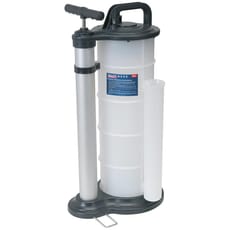
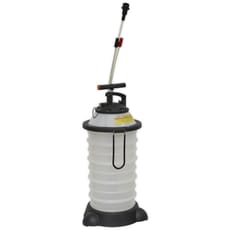
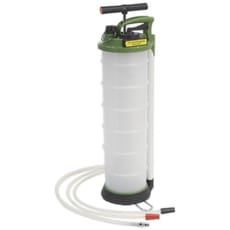
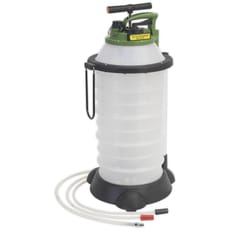
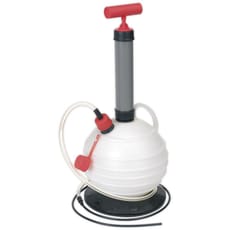
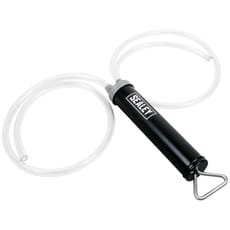
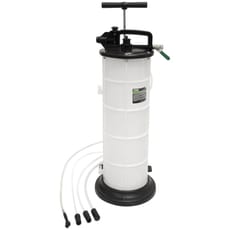
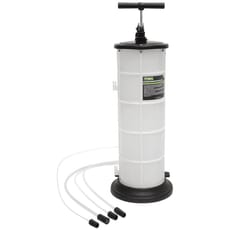
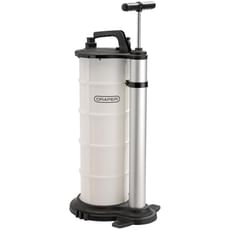
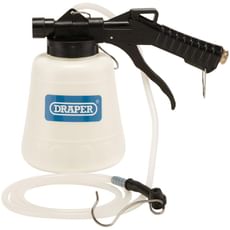
Fluid extractors are indispensable workshop tools designed to remove oils, brake fluid, transmission fluid, fuel, and other liquids from vehicles and machinery without the mess and inconvenience of traditional drain plug methods. By creating vacuum pressure through manual pumping or pneumatic operation, these devices draw fluids through flexible probes inserted via dipstick tubes, filler caps, or bleed nipples, making routine maintenance significantly cleaner and more efficient. Whether you're servicing a family car in your home garage or running a busy automotive workshop, fluid extractors eliminate the need for vehicle lifting and crawling underneath to access drain plugs.
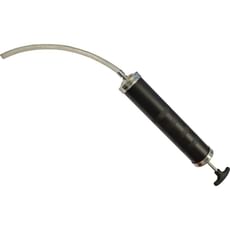
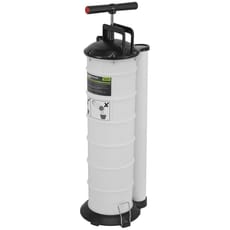
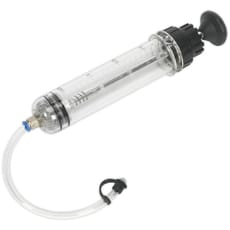
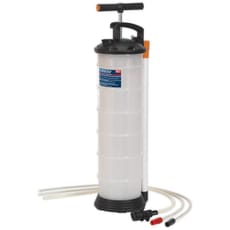
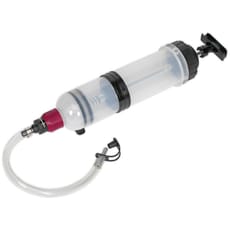
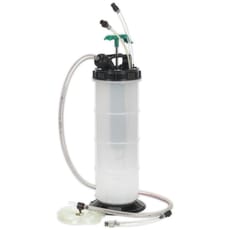
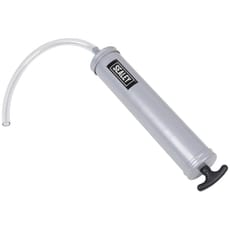
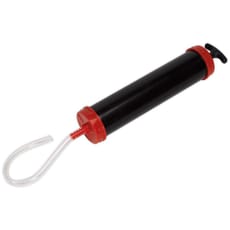
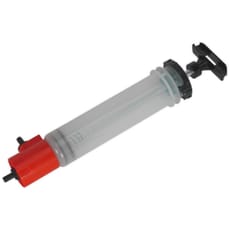
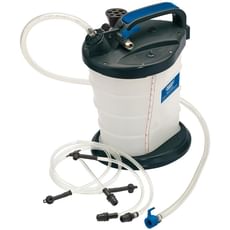
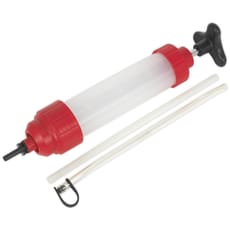
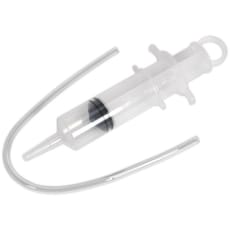
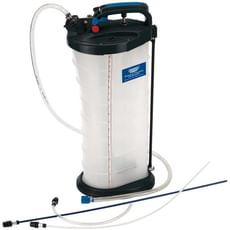
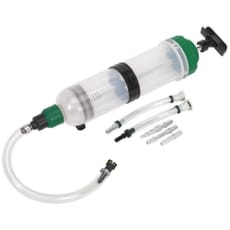
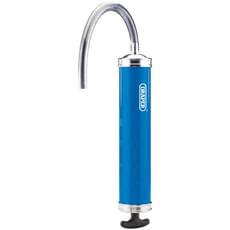
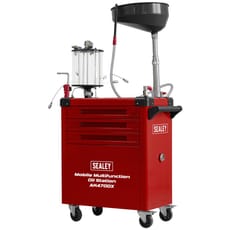
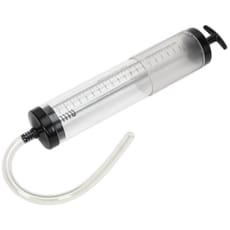
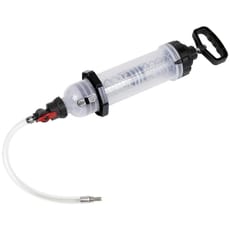
The selection at Tooled-Up.com spans from compact 500ml oil suction syringes perfect for topping up fluids or extracting samples, through to professional-grade 9-litre pneumatic extractors capable of handling multiple consecutive oil changes. Leading manufacturers including Sealey, Draper, and Siegen offer models suited to every application and budget. Manual extractors with dual-action hand pumps provide excellent portability for mobile mechanics working without workshop facilities, whilst pneumatic variants connected to 240v compressors deliver rapid extraction speeds for high-volume professional environments. Many modern extractors feature transparent collection chambers for monitoring fluid condition, chemical-resistant Viton seals for compatibility with aggressive fluids, and wheeled bases for improved mobility around busy workshops.
The versatility of fluid extractors extends beyond simple oil changes. Marine engineers rely on them for servicing boat engines in confined spaces where conventional drainage proves impossible. Plant fitters use them on construction and agricultural machinery with difficult-to-access sumps. MOT stations extract brake fluid samples for contamination testing. The ability to extract fluids from above rather than below makes these tools particularly valuable for vehicles fitted with undertray protection, where removing access panels would significantly extend service times. From motorcycle maintenance to commercial vehicle servicing, fluid extractors have become essential equipment across the automotive and engineering sectors.
Jargon Buster
- Vacuum Extraction: The process of using negative pressure (suction) to draw liquids through a probe or tube, eliminating the need to drain from underneath vehicles or machinery and significantly reducing mess during fluid changes.
- Pneumatic Operation: Fluid extractors powered by compressed air from a workshop compressor rather than manual pumping, typically requiring 6-8 bar pressure and offering substantially faster extraction speeds with minimal physical effort for professional applications.
- Viton Seals: High-performance synthetic rubber seals highly resistant to petroleum products, brake fluids, aggressive chemicals, and elevated temperatures, making them essential for extractors handling multiple fluid types safely without seal degradation.
- Dipstick Tube Extraction: The technique of inserting a flexible probe through an engine's dipstick tube to extract oil directly from the sump without removing drain plugs, particularly useful for marine engines, motorcycles, and vehicles with limited underside access.
- Dual Action Pump: A manual pumping mechanism creating suction on both push and pull strokes, significantly reducing operator effort and extraction time compared to single-action pumps found on basic models.
- Collection Chamber Capacity: The maximum volume of fluid an extractor can hold before requiring emptying, typically ranging from 500ml for compact syringes through to 10 litres or more for professional workshop extractors handling commercial vehicles.
Who Uses Fluid Extractors?
- Motor mechanics and automotive technicians performing routine oil changes, transmission services, and general vehicle maintenance in workshops and independent garages
- Mobile mechanics requiring portable, efficient fluid extraction without access to vehicle lifts, inspection pits, or fixed workshop facilities
- Marine engineers servicing boat engines where traditional drainage methods prove impractical due to vessel design, confined engine compartments, and difficult access
- Plant and machinery fitters maintaining construction equipment, agricultural machinery, and industrial plant where conventional fluid access points are limited or non-existent
- MOT testing stations extracting brake fluid samples for contamination analysis and moisture content testing as part of statutory vehicle inspections
- DIY enthusiasts and home mechanics performing their own vehicle servicing without professional workshop equipment, vehicle lifts, or inspection pits
- Fleet maintenance operatives servicing multiple vehicles efficiently whilst minimising downtime, maintaining cleanliness standards, and maximising productivity
- Motorcycle and small engine specialists working on equipment where conventional draining methods prove difficult, time-consuming, or excessively messy
- Agricultural engineers maintaining farm machinery and equipment in field locations without access to workshop facilities or lifting equipment
How to Choose the Right Fluid Extractors
Extraction Method: Manual extractors using hand pumps suit occasional use and offer excellent portability without requiring compressed air or electrical power, making them ideal for mobile mechanics and home workshops. Pneumatic extractors connected to 240v workshop compressors provide significantly faster extraction for high-volume professional applications. Some versatile models from Draper Expert offer both manual and pneumatic operation for maximum flexibility across different working environments.
Capacity Requirements: Match extractor capacity to your typical applications. Compact 500ml to 2-litre syringes suffice for motorcycles, lawnmowers, generators, and fluid sampling tasks. Mid-range 6-litre units handle most passenger car oil changes comfortably, whilst 9-litre or larger extractors suit commercial vehicles, plant machinery, and multiple consecutive services without requiring emptying between jobs.
Fluid Compatibility: Standard extractors with nitrile seals work adequately with conventional engine oils and antifreeze. For petrol, diesel fuel, brake fluid, or aggressive chemicals, choose models featuring Viton or specialist seals specifically designed for chemical resistance. Sealey's multipurpose Viton seal syringes offer excellent versatility for workshops handling diverse fluid types. Always verify manufacturer specifications to ensure compatibility with your intended applications.
Build Quality and Brand Reputation: Professional brands including Sealey, Draper Expert, and Siegen offer superior durability, better seal performance, and more reliable vacuum generation compared to budget alternatives. For workshop environments with daily use, invest in robust models featuring metal construction rather than lightweight plastic components that may crack or degrade with regular chemical exposure.
Probe Length and Flexibility: Ensure extraction probes reach the bottom of sumps on vehicles or equipment you'll be servicing regularly. Flexible probes navigate bends in dipstick tubes more easily, whilst rigid probes suit straight-access applications and provide more positive positioning. Many Tooled-Up extractors include multiple probe options for different applications.
Additional Features: Transparent collection chambers allow visual monitoring of fluid extraction progress and quality assessment. Wheeled bases significantly improve mobility for larger capacity units around busy workshops. Discharge hoses facilitate easy emptying into waste oil containers. Integrated storage for probes keeps accessories organised and readily accessible.
Popular Accessories
- Waste Oil Drainers and Collection Containers: Essential for safely storing extracted fluids prior to proper disposal or recycling according to environmental regulations and COSHH requirements
- Extraction Probe Sets: Additional or replacement probes in various diameters and lengths for accessing different vehicle types, engine configurations, and fluid reservoirs
- Air Line Fittings and Quick Couplers: For connecting pneumatic extractors efficiently to workshop compressor systems with secure, leak-free connections
- Fluid Transfer Pumps: Complementary tools for accurately refilling systems after extraction and service work, ensuring correct fluid levels
- Oil Filter Wrenches and Removal Tools: To complete comprehensive oil change procedures alongside extraction equipment for full service capability
- Spill Trays and Absorbent Matting: For maintaining workspace cleanliness and compliance with HSE requirements when handling automotive fluids in workshop environments
- Fluid Testing Equipment: Including brake fluid testers and oil condition analysers for assessing extracted fluids and determining service intervals
Safety Information
Always wear appropriate personal protective equipment including chemical-resistant gloves and eye protection when extracting automotive fluids. Many fluids are hazardous to health and direct skin contact should be avoided. Ensure adequate ventilation when working with fuel, solvents, or other volatile liquids to prevent inhalation of harmful vapours that may accumulate in enclosed workshop spaces.
Never extract fluids from hot engines or systems – allow sufficient cooling time to prevent serious burns from hot liquids and pressure releases. When using pneumatic extractors, verify that air supply pressure doesn't exceed manufacturer specifications to avoid equipment damage, seal failure, or dangerous ruptures. Never exceed recommended working pressures.
Dispose of extracted fluids responsibly in accordance with COSHH regulations and environmental legislation. Never pour automotive fluids down drains, onto ground, or into general waste. Use approved waste oil collection services or take to designated recycling facilities. Store extracted fluids in clearly labelled, sealed containers away from ignition sources and in compliance with workplace safety requirements.
Regularly inspect extractor seals, hoses, and collection chambers for wear, chemical degradation, or physical damage. Replace compromised components immediately to maintain safe operation and prevent leaks. When extracting fuel, eliminate all ignition sources from the working area and ensure fire extinguishing equipment is readily accessible. Work in well-ventilated areas and prohibit smoking.
Frequently Asked Questions
Can I use the same fluid extractor for both engine oil and brake fluid?
Whilst physically possible, it's not recommended to use the same extractor for different fluid types without thorough cleaning between uses. Cross-contamination can damage brake systems or compromise engine lubrication. Ideally, dedicate separate extractors for different fluid types, or choose models with Viton seals and thoroughly flush with appropriate solvent before switching between incompatible fluids. Many professional workshops maintain separate extractors for oils, brake fluids, and fuels.
How does extraction through the dipstick tube compare to traditional drain plug removal?
Dipstick tube extraction removes approximately 95-98% of engine oil, which is generally sufficient for routine maintenance intervals. Traditional drain plug removal may achieve slightly more complete drainage but requires vehicle lifting and can be considerably messier. Extraction offers significant advantages for vehicles with difficult drain plug access, undertray protection, or when working without a lift. Many vehicle manufacturers now accept dipstick extraction methods for warranty-compliant servicing.
What capacity extractor do I need for a typical car oil change?
Most passenger cars require between 4 and 6 litres of engine oil. A 6-litre capacity extractor provides adequate capacity with some headroom for filter drainage, whilst 9-litre models suit larger engines or multiple consecutive services without emptying. Smaller vehicles, motorcycles, and lawnmowers work perfectly well with 2-3 litre extractors. Consider your most common applications and whether you'll service multiple vehicles consecutively when selecting capacity.
Do I need a workshop compressor to use a fluid extractor?
No – many excellent manual fluid extractors operate using dual-action hand pumps to create vacuum, requiring no external power source whatsoever. These suit mobile mechanics and home workshops perfectly. Pneumatic extractors require compressed air (typically 6-8 bar from a 240v compressor) but offer faster extraction speeds for high-volume professional use. Some versatile models offer both manual and pneumatic operation for maximum flexibility.
Can fluid extractors handle thick gear oil or automatic transmission fluid?
Yes, quality extractors handle thicker fluids, though extraction may take longer than with thin engine oils. Warming the fluid slightly to normal operating temperature reduces viscosity and improves flow rates significantly. Ensure you select an extractor with appropriate seals rated for the specific fluids you'll be handling, particularly with ATF and specialist transmission fluids which can be aggressive on standard seals. Check manufacturer specifications for fluid compatibility before use.