

Fluorescent Aerosol Paint

Pay in 3 interest-free payments on purchases from £20-£3000 with  . Learn more.
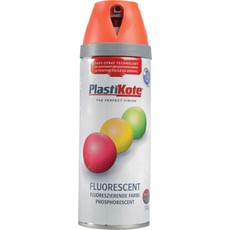
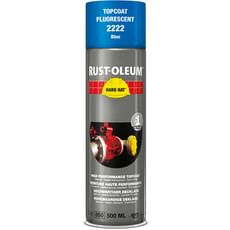
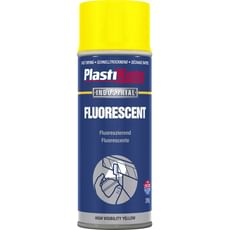
 Loading...
End of content
Error - No more pages to load
About Fluorescent Aerosol Paint
Fluorescent aerosol paint is a specialised high-visibility coating designed to create bright, attention-grabbing finishes on a wide range of surfaces. Unlike standard aerosol paints, fluorescent formulations contain luminescent pigments that reflect more light than they receive, creating an intense, glowing effect that remains highly visible even in low-light conditions. These spray paints are essential for safety marking, hazard identification, and any application where maximum visibility is critical across construction sites, industrial facilities, and outdoor environments.
The selection available from Tooled-Up.com includes trusted brands such as Plastikote and Rust-Oleum, delivering professional results with excellent coverage and durability. These quick-drying formulations are engineered for both indoor and outdoor use, providing long-lasting colour retention and weather resistance. The aerosol delivery system ensures even application without the need for brushes or rollers, making them ideal for marking irregular surfaces, creating safety signage, or highlighting equipment on busy work sites. Most products offer touch-dry times of 15-30 minutes, with coverage rates typically around 2 square metres per 400ml can.
Whether you're a facilities manager marking emergency exits, a site supervisor identifying hazardous areas, or a contractor marking underground utilities, fluorescent aerosol paint offers a fast, effective solution. The hi-vis colours comply with HSE guidelines for safety marking and are widely used across construction, utilities, warehousing, and industrial settings throughout the UK. Specialist formulations like Rust-Oleum Hard Hat Fluorescent Spray Paint are even designed for marking PPE without compromising structural integrity.
Jargon Buster
- Fluorescent Pigment: Specialised colourants that absorb ultraviolet and visible light, then re-emit it at longer wavelengths, creating an exceptionally bright, glowing appearance that exceeds normal colour intensity and maximises visibility in various lighting conditions.
- High-Visibility (Hi-Vis): A term describing colours and finishes that are easily noticed and highly conspicuous, typically fluorescent yellows, oranges, and pinks used for safety applications in accordance with HSE requirements for workplace hazard identification.
- Coverage Rate: The area that can be coated with a single aerosol can, typically measured in square metres. Coverage varies depending on surface porosity, application technique, and number of coats applied, usually ranging from 1-2 square metres per standard 400ml can.
- Touch-Dry Time: The period required for the paint surface to become dry to light touch, usually between 15-30 minutes for most fluorescent aerosol paints, though full curing may take 24-48 hours depending on environmental conditions and formulation.
- Recoat Window: The optimal time frame within which additional coats can be applied without affecting adhesion or finish quality, typically 10-15 minutes for fluorescent aerosols. Following manufacturer guidelines ensures proper layering and maximum fluorescent effect.
- VOC Content: Volatile Organic Compounds present in aerosol paints, subject to UK and EU environmental regulations. Lower VOC formulations are increasingly available for indoor applications to improve air quality and COSHH compliance.
Who Uses Fluorescent Aerosol Paint?
- Site Managers and Contractors: Marking hazardous areas, temporary barriers, site boundaries, and underground service routes on construction projects
- Facilities Managers: Identifying emergency exits, fire assembly points, safety equipment, and floor markings in warehouses and industrial premises
- Utility Workers: Marking underground cables, pipes, gas lines, and service routes during excavation, maintenance, and repair work
- Health & Safety Officers: Creating high-visibility warning signs, hazard markings, and safety zones in compliance with HSE regulations across various industries
- Traffic Management Professionals: Marking temporary road layouts, parking areas, pedestrian zones, and traffic control equipment on highways and construction sites
- Forestry and Surveying Teams: Identifying trees for felling, boundary markers, survey points, and designated areas in outdoor environments
- Event Organisers: Creating visible waymarking, crowd control barriers, emergency route indicators, and temporary signage for festivals and public gatherings
- Maintenance Engineers: Highlighting moving parts, emergency stops, safety zones on machinery, and equipment requiring attention during inspections
- Warehouse Operatives: Marking floor zones, storage areas, forklift routes, and loading bay boundaries for improved workplace organisation
- DIY Enthusiasts: Craft projects, model making, visibility enhancement for garden equipment, and creative applications requiring bright, eye-catching colours
How to Choose the Right Fluorescent Aerosol Paint
Intended Surface: Consider the material you'll be coating. Most fluorescent aerosols work on metal, wood, concrete, and plastic, but always verify compatibility for specialist surfaces. Products like Plastikote Twist and Spray are suitable for multiple substrates, while specialist formulations such as Rust-Oleum Hard Hat spray are designed specifically for safety equipment marking without degrading protective properties.
Indoor or Outdoor Use: Outdoor applications require weather-resistant formulations with UV inhibitors to prevent rapid colour fading from sunlight exposure. Indoor products may have lower VOC content for better air quality and compliance with COSHH regulations in enclosed workspaces. Check product specifications to ensure suitability for your working environment.
Colour Selection: Fluorescent yellow and orange offer maximum visibility for most safety applications and comply with HSE guidelines. Pink and green are also available for colour-coding systems and identification purposes. Consider the background colour when selecting your hi-vis shade to ensure optimal contrast—yellow works best against dark surfaces, while orange provides excellent visibility against lighter backgrounds.
Coverage Requirements: Check the coverage rate on the can to determine how many tins you'll need for your project. Most standard 400ml aerosols cover approximately 1-2 square metres depending on application method, number of coats, and surface porosity. Porous surfaces like concrete may require additional product compared to smooth metal or plastic.
Drying Time: Fast-drying formulations are essential for site work where surfaces need to be put back into use quickly. Touch-dry times typically range from 15-30 minutes, with products like Plastikote Hi Vis aerosols offering thorough drying within 25-35 minutes. Full cure takes 24-48 hours, so factor this into project timelines if heavy wear is expected.
Application Method: Some aerosols feature twist-and-spray mechanisms or ergonomic cap designs for comfortable extended use and reduced finger fatigue. The Plastikote Twist and Spray range, for example, eliminates the need for constant finger pressure during application. Consider products with adjustable spray patterns if you're working on both detailed marking and larger area coverage.
Brand Quality: Established brands like Plastikote and Rust-Oleum available at Tooled-Up offer consistent quality, reliable coverage, and formulations tested for UK weather conditions. Professional-grade products provide better pigmentation levels for maximum fluorescent effect and longer-lasting visibility compared to budget alternatives.
Popular Accessories
- Aerosol Can Trigger Handles: Reduce finger fatigue during extended spraying sessions, improve control, and enable more consistent application pressure for professional results
- Paint Spray Stencils: Create consistent letters, numbers, arrows, and symbols for professional safety marking and standardised signage across sites
- Masking Tape: Essential for creating clean edges, protecting adjacent surfaces during application, and achieving precise marking boundaries
- Drop Sheets and Protective Sheeting: Protect work areas, floors, and equipment from overspray during aerosol application, particularly important in occupied facilities
- Respirator Masks: PPE for safe use in enclosed spaces or during extended spraying, compliant with HSE respiratory protection guidelines and COSHH requirements
- Safety Gloves: Protect hands from paint, solvents, and chemicals during application and clean-up, with nitrile options offering good chemical resistance
- Primer Aerosols: Improve adhesion and coverage on porous, weathered, or previously coated surfaces, ensuring longer-lasting fluorescent markings
- Clear Protective Lacquer: Extend the life of fluorescent markings exposed to weathering, abrasion, and UV degradation in outdoor applications
- Surface Preparation Brushes: Remove dirt, loose material, and contaminants before painting to ensure proper adhesion and maximum durability
Safety Information
Fluorescent aerosol paints are flammable and must be used in well-ventilated areas away from ignition sources, naked flames, sparks, and hot surfaces. Always follow COSHH regulations when using aerosols in the workplace, ensuring adequate ventilation and appropriate respiratory protection where necessary. In confined spaces or during prolonged application, use a suitable respirator mask rated for organic vapours.
Store aerosol cans in a cool, dry place away from direct sunlight and heat sources. Never expose cans to temperatures above 50°C or store near radiators, boilers, or other heat-generating equipment. Never puncture or incinerate aerosol cans, even when empty. Dispose of used aerosols responsibly through your local authority's hazardous waste collection service or approved trade waste contractor.
Wear appropriate PPE including safety gloves, eye protection, and protective clothing during application to prevent skin contact and eye exposure. Keep aerosols out of reach of children and unauthorised personnel. Ensure work areas are clearly marked during application to prevent accidental exposure. When marking safety equipment or PPE, only use specialist formulations approved by the equipment manufacturer to avoid compromising protective properties. Always read the product safety data sheet before use and follow manufacturer instructions for safe handling and application.
Frequently Asked Questions
How long does fluorescent aerosol paint last outdoors?
Quality fluorescent aerosols from brands like Rust-Oleum and Plastikote typically maintain their visibility for 6-18 months outdoors, depending on weather exposure, UV intensity, and surface preparation. Direct sunlight will gradually cause fading as UV rays break down fluorescent pigments, but high-quality formulations include UV inhibitors to extend longevity. For maximum durability in exposed locations, apply a clear protective topcoat to shield the fluorescent layer from weathering. Regular inspection and touch-up maintenance ensures continued compliance with HSE visibility requirements.
Can I use fluorescent spray paint on safety helmets and hard hats?
Only specialist products like Rust-Oleum Hard Hat Fluorescent Spray Paint should be used on safety helmets, as they are specifically formulated not to degrade the impact-resistant properties of PPE. Never use standard aerosols on safety equipment as solvents may compromise structural integrity, weaken the shell material, or affect the helmet's ability to protect during impact. Always check manufacturer approval and product specifications before marking any PPE, and replace helmets if unauthorised coatings have been applied.
How many coats of fluorescent paint are needed for best visibility?
Most applications require 2-3 thin coats for optimal fluorescent effect and complete coverage. Apply light, even coats with appropriate recoat intervals—typically 10-15 minutes as specified in product instructions—rather than one heavy coat, which can cause runs, drips, and reduce the fluorescent intensity. The fluorescent effect is maximised when multiple thin layers build up the pigment density. Allow proper curing time between coats and avoid applying in direct sunlight or extreme temperatures which can affect drying and final appearance.
Will fluorescent aerosol paint work on wet or damp surfaces?
No, surfaces must be clean, dry, and free from moisture for proper adhesion and durability. Applying to damp surfaces will result in poor bonding, reduced coverage, potential flaking, and premature failure of the coating. In outdoor conditions, ensure surfaces are completely dry and check weather forecasts to avoid rain during application and the initial 24-hour curing period. For best results, apply when temperatures are between 10-25°C with relative humidity below 85%.
Are fluorescent spray paints compliant with UK safety regulations?
Yes, fluorescent aerosols from reputable manufacturers stocked at Tooled-Up meet UK and EU standards for VOC content, product safety, and labelling requirements. When used for workplace safety marking, ensure colours comply with HSE guidelines for hazard identification and visibility requirements specific to your industry sector. Fluorescent yellow and orange are recognised as standard hi-vis colours for safety applications, helping organisations meet their Health and Safety at Work Act obligations for clear hazard communication and emergency route identification.