

Flush Cut Saws

Pay in 3 interest-free payments on purchases from £20-£3000 with  . Learn more.
 Loading...
End of content
Error - No more pages to load
About Flush Cut Saws
Flush cut saws are specialist hand saws engineered with flexible or angled blades that enable precise cutting flush against a workpiece surface without marking or damaging surrounding areas. These indispensable tools are designed to achieve seamless, professional finishes on woodworking projects ranging from cutting protruding dowels and wooden plugs to trimming tenons and removing excess material from joinery. The unique blade construction allows the saw to lie virtually flat against the work surface, producing cuts that require minimal sanding or finishing work afterwards.
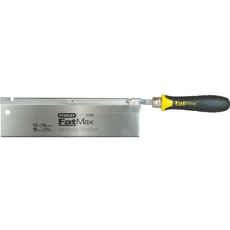
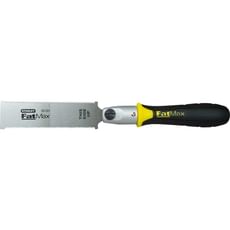
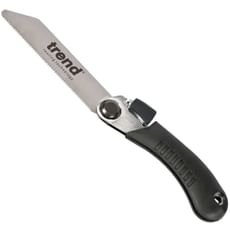
The majority of flush cut saws feature Japanese-style pull saw technology, where the blade cuts on the pull stroke rather than the push stroke characteristic of traditional Western saws. This pull-cutting action delivers superior control and precision for delicate operations, whilst the thinner blade kerf reduces material waste and cutting effort. Tooled-Up.com stocks trusted brands including Stanley FatMax and Trend, offering both fixed and folding designs to accommodate different applications and storage requirements. Popular models such as the Stanley FatMax Mini Flush Cut Pull Saw and the Trend Folding Flush Cut Saw demonstrate the versatility available within this essential tool category.
Whether you're a professional joiner working on fine furniture or a DIY enthusiast tackling home improvement projects, a quality flush cut saw represents an invaluable addition to your toolkit. These versatile implements excel at tasks where conventional saws would leave proud edges or cause surface damage, making them particularly useful for trim work, laminate installation, and repair jobs where a seamless finish is paramount.
Jargon Buster
- Pull Saw: A saw designed to cut on the pull stroke rather than the push stroke, originating from Japanese carpentry traditions. This design provides better control and allows for thinner, more flexible blades that produce cleaner cuts.
- Kerf: The width of material removed by the saw blade during cutting. Flush cut saws typically feature a narrow kerf, which reduces waste and makes them ideal for precision work without excessive material removal.
- Teeth Per Inch (TPI): A measurement indicating the number of saw teeth within one inch of blade length. Higher TPI numbers (such as the 23 TPI found on Stanley FatMax models) produce smoother cuts but work more slowly, whilst lower TPI removes material faster with a rougher finish.
- Flexible Blade: A thin, bendable saw blade that can conform to surfaces, allowing cuts to be made perfectly flush without the saw handle interfering with the workpiece. This flexibility is the defining characteristic of flush cut saws.
- Zero Clearance: The ability of a flush cut saw to cut right up against an adjacent surface without leaving any gap or requiring further finishing work, creating an invisible joint or seamless finish.
- Reversible Blade: A feature on some flush cut saws (like the Stanley FatMax Reversible Flush Cut Saw) allowing the blade to be flipped and used from either side, extending the tool's versatility and working life by enabling cutting from different angles.
Who Uses Flush Cut Saws?
Flush cut saws are essential tools for a wide range of trades and craftspeople, including:
- Joiners and Carpenters: For trimming dowels, cutting tenons flush, and precision work on furniture and cabinetry projects
- Floor Fitters: Removing installation wedges and trimming laminate or hardwood flooring to achieve perfect finishes
- Kitchen Fitters: Cutting worktop joining dowels and trimming wooden plugs flush with surfaces for invisible joins
- Furniture Makers: Creating seamless joints and trimming decorative plugs on bespoke pieces
- Restoration Specialists: Repairing antique furniture and architectural features without causing collateral damage to surrounding areas
- Shopfitters: Achieving professional finishes on retail installations and display units where appearance is critical
- DIY Enthusiasts: Home improvement projects requiring clean, professional-looking results without specialist equipment
- Model Makers: Precision cutting work on detailed projects and miniatures where accuracy is paramount
How to Choose the Right Flush Cut Saws
Selecting the appropriate flush cut saw depends on several key factors:
Blade Flexibility: Consider whether you need a highly flexible blade for curved surfaces or a semi-rigid blade for straighter cuts. Flexible blades offer maximum versatility but require a steadier hand, whilst stiffer blades provide more control for those new to flush cutting.
Teeth Configuration: Higher TPI (typically 20-26 TPI) produces smoother finishes ideal for visible surfaces and fine furniture work. The Stanley FatMax range, for example, features 23 TPI for quick, clean cutting on the pull stroke. Lower TPI cuts faster through thicker material but leaves a rougher edge requiring more finishing.
Handle Design: Look for ergonomic handles with comfortable grips, especially if you'll be using the saw for extended periods. Models with soft-grip handles provide comfort and support during use, whilst offset or angled handles improve clearance when working flush against surfaces.
Folding vs Fixed: Folding flush cut saws like the Trend Folding Flush Cut Saw offer portability and safe storage, making them ideal for site work and mobile tradespeople. Fixed-blade models typically provide more rigidity for demanding applications, whilst the compact Stanley FatMax Mini version suits toolbox storage.
Blade Replacement: Check whether replacement blades are readily available before purchasing. Browse the selection at Tooled-Up.com, where replacement blades such as the Trend Spare Blade FFS/120 are stocked alongside the saws themselves, ensuring your investment remains productive long-term.
Reversible Options: Some models feature double-sided or reversible blades for convenient cutting from either the left or right side, adding versatility to your toolkit without requiring multiple saws.
Popular Accessories
- Replacement Blades: Keep spare blades on hand to maintain cutting performance, particularly the Trend Spare Blade FFS/120 for Trend flush saws
- Marking and Measuring Tools: Combination squares, marking gauges, and carpenter's pencils for accurate cut placement
- Sanding Blocks and Abrasives: For any minor finishing work after flush cutting to achieve perfectly smooth surfaces
- Protective Sheaths: Blade guards for safe storage and transportation, particularly important for flexible blades
- Workbenches and Vices: Secure work holding to ensure stability during precision cutting operations
- Japanese Water Stones: For sharpening and maintaining pull saw blades to extend their working life
- Tool Rolls and Bags: Organised storage solutions from brands like Stanley and DeWalt for hand tools on site
- Wood Chisels: Complementary tools for precision joinery work alongside flush cutting
Safety Information
Whilst flush cut saws are relatively safe hand tools compared to powered equipment, proper usage remains essential for injury prevention.
Always ensure your workpiece is securely clamped or held before cutting. The thin, flexible blades can deflect or bind if the material moves unexpectedly, potentially causing loss of control. Keep fingers and hands well clear of the cutting line, and always cut away from your body when possible to prevent accidental injury should the blade slip.
Inspect the blade before each use for damage, bent teeth, or excessive wear. A damaged blade is more likely to bind or break during use, creating a safety hazard. When not in use, store flush cut saws with blade guards fitted or in protective sheaths to prevent accidental cuts and maintain blade sharpness. Folding models should be stored in the closed position with any locking mechanisms engaged.
Wear appropriate PPE including safety glasses to protect against sawdust and potential blade breakage. When working with treated timber or manufactured boards, consider using a dust mask as recommended by HSE guidelines, particularly in enclosed spaces. Ensure adequate lighting when performing precision cutting tasks to maintain clear visibility of your cutting line and prevent mistakes.
Frequently Asked Questions
Can I use a flush cut saw on plastic or metal?
Flush cut saws are primarily designed for wood and wood-based materials. Whilst some models can handle soft plastics carefully, using them on metal will quickly dull the teeth and potentially damage the blade. For plastic pipes or metal work, consider specialist tools designed specifically for those materials to achieve better results and protect your investment.
How do I maintain my flush cut saw blade?
Keep the blade clean and free from resin build-up by wiping with white spirit after use, particularly when cutting resinous softwoods or treated timber. Store in a dry environment to prevent rust formation on the blade. Most flush cut saw blades are hardened and cannot be easily resharpened at home, so replacement is recommended when cutting performance deteriorates. Replacement blades are available from Tooled-Up for the models stocked.
What's the difference between a flush cut saw and a standard pull saw?
Whilst both cut on the pull stroke, flush cut saws have either extremely flexible blades or specially angled teeth that allow them to cut right against a surface without marking it. Standard pull saws have rigid blades designed for general cutting tasks and cannot achieve the same zero-clearance cutting that defines flush cut saw capability.
Can I cut dowels and plugs without marking the surrounding wood?
Yes, this is precisely what flush cut saws excel at. The flexible blade bends slightly against the surface, allowing you to cut protruding dowels, plugs, or tenons perfectly flush with minimal pressure. Light sanding with fine-grit abrasive paper afterwards will remove any minor marks and achieve an invisible finish that's indistinguishable from the surrounding surface.
Are replacement blades available for all flush cut saws?
Most quality brands including Stanley and Trend offer replacement blades, making the saw a long-term investment rather than a disposable tool. Check blade availability before purchasing, as some budget models have proprietary blades that may be difficult to source. The Tooled-Up range includes both saws and their corresponding replacement blades to ensure ongoing performance.