

Folding Lights
Pay in 3 interest-free payments on purchases from £30-2000 with  . Learn more.
 Loading...
End of content
Error - No more pages to load
About Folding Lights
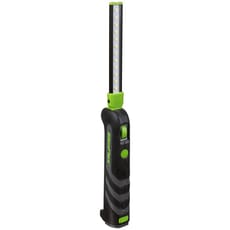
Folding lights have become an indispensable tool for tradespeople and DIY enthusiasts who require reliable, portable illumination in challenging work environments. These innovative lighting solutions combine powerful LED technology with ingenious folding mechanisms, making them exceptionally easy to transport, store, and position precisely where bright light is needed most. Whether you're an electrician working in a cramped consumer unit, a decorator checking surface finishes in a poorly lit room, or a builder requiring floodlighting for exterior work, folding lights deliver the flexibility and performance that modern trades demand. The compact folding design means they slip easily into tool bags and van storage systems, yet unfold to provide impressive illumination when deployed on site.
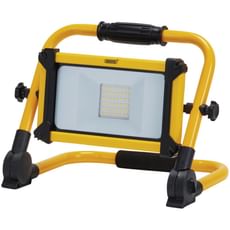
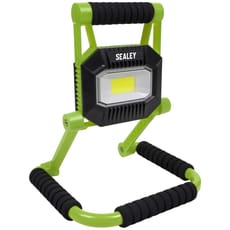
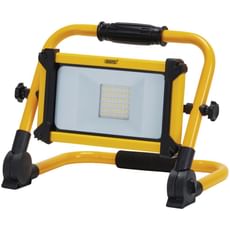
Available in power outputs ranging from compact 10W inspection lights to robust 50W site floodlights, folding lights typically feature rechargeable lithium-ion batteries for cordless convenience, with some models also offering mains-powered operation via 240v. The folding mechanism serves a dual purpose beyond portability – it allows precise adjustment of the illumination angle, enables the light to stand on its folded base, or hang from integrated hooks to achieve hands-free lighting in virtually any working position. Many professional models incorporate both spot and flood beam patterns, with advanced COB (Chip on Board) or SMD (Surface Mounted Device) LED technology delivering superior light output with exceptional energy efficiency. Tooled-Up.com stocks an extensive selection from leading manufacturers including Draper, Sealey, Defender, and Faithfull, with models ranging from ultra-slim pocket inspection lights that weigh just a few hundred grams to heavy-duty builders' lights delivering thousands of lumens for demanding site applications.
The rechargeable models available at Tooled-Up typically feature high-capacity lithium-ion batteries with USB charging capabilities, making them ideal for tradespeople who spend extended periods on site without convenient access to mains power. Many professional-grade folding lights include multiple brightness settings to extend runtime when full power isn't required, battery level indicators to prevent unexpected power loss mid-job, and robust IP-rated enclosures that withstand the dust, moisture, and rough handling typical of construction environments. From electricians needing focused illumination for precision wiring work to plasterers requiring broad, even lighting to identify surface imperfections, there's a folding light engineered for every trade requirement and budget.
Jargon Buster
- COB LED (Chip on Board): A LED technology where multiple LED chips are mounted directly onto a circuit board, creating a single, high-intensity, uniform light source with superior thermal management and increased brightness compared to traditional LEDs. Ideal for floodlights requiring powerful, concentrated illumination.
- SMD LED (Surface Mounted Device): LED chips permanently fused to a printed circuit board, offering excellent brightness, wide beam angles, and reliable performance. SMD LEDs are commonly used in professional work lights for their durability, energy efficiency, and consistent light output across the illuminated area.
- Lumen Output: The measurement of total visible light emitted by a source. Higher lumen ratings indicate brighter lights – a 500 lumen light suits close inspection work, whilst 2000+ lumens are necessary for illuminating larger work areas or outdoor sites. Understanding lumen output helps match the light to your application.
- IP Rating (Ingress Protection): A standardised rating indicating how well a light is protected against dust and water ingress. An IP54 rating means the light is dust-protected and can withstand water splashes, making it suitable for most site conditions. IP65 or higher ratings offer greater protection for harsh outdoor environments.
- Colour Temperature (Kelvin): Describes the colour appearance of light, measured in degrees Kelvin (K). Most work lights use 6000-6500K (cool white/daylight) which provides bright, clear illumination ideal for detailed work and accurate colour rendering when matching paints or finishes.
- Runtime: The duration a rechargeable folding light can operate on a single charge. This varies depending on battery capacity (measured in mAh) and power setting selected, typically ranging from 2-8 hours for professional models. Variable power settings significantly extend runtime when maximum brightness isn't required.
Who Uses Folding Lights?
Folding lights are invaluable across numerous trades and applications:
- Electricians and sparkies who need hands-free lighting when working in consumer units, ceiling voids, loft spaces, or poorly lit areas where precision and safety are paramount
- Builders and general tradespeople requiring portable site lighting for construction projects, renovations, extensions, and general building work in varied locations
- Plasterers and decorators who need bright, adjustable lighting to check surface finishes, identify imperfections, and achieve professional results when applying plaster or paint
- Plumbers and heating engineers working in confined spaces like under sinks, in airing cupboards, beneath floorboards, or accessing pipework in awkward locations
- Motor mechanics and vehicle technicians needing flexible lighting for engine bay diagnostics, undercarriage inspections, and detailed repair work
- Carpenters and joiners requiring good illumination for precision cutting, assembly work, and finishing tasks where accurate visibility is essential
- Maintenance engineers who need reliable portable lighting for reactive maintenance, facility management, and emergency repairs across various sites
- DIY enthusiasts and homeowners tackling repairs, renovations, and projects around the home, garage, and garden where additional lighting improves results
- Emergency services and security personnel needing dependable portable lighting for various situations requiring rapid deployment and reliable operation
- Camping and outdoor enthusiasts who value compact, powerful lighting solutions for recreational activities and outdoor adventures
How to Choose the Right Folding Lights
Selecting the appropriate folding light depends on several key factors that match the tool to your specific working requirements:
Power Output and Brightness
Consider the lumen output needed for your typical tasks. Pocket inspection lights with 200-500 lumens are perfect for close-up work and confined spaces where you need focused illumination. Models delivering 10-20W with 1000-2000 lumens suit general trade work in workshops and domestic properties. For large-scale site work, exterior applications, or illuminating substantial areas, opt for 30-50W models with 3000+ lumens. Remember that brighter isn't always better – excessive brightness in small spaces can cause glare, eye fatigue, and make detailed work more difficult rather than easier.
Power Source and Runtime
Rechargeable models offer excellent portability and significant running cost savings over time, with lithium-ion batteries providing the best power-to-weight ratio and no memory effect. Check the runtime matches your typical working day – if you regularly work 8+ hours on site, consider models with extended battery capacity or spare batteries. Evaluate whether USB charging or mains charging suits your workflow better. Some versatile models offer dual functionality with both battery and 240v mains operation, providing flexibility for workshop and site use.
Build Quality and Durability
Look for robust construction with impact-resistant housings, particularly if the light will be used on busy building sites where knocks and drops are inevitable. Aluminium or reinforced polycarbonate bodies provide better protection than basic plastic construction. Check the IP rating carefully – at minimum IP44 for indoor use, but IP54 or higher for outdoor and wet conditions is preferable for site work. Consider whether the lens material is scratch-resistant, as this affects long-term light output quality.
Folding Mechanism and Positioning Options
The folding design should be sturdy yet easy to adjust with one hand, especially when you're working from ladders or in awkward positions. Look for models with multiple positioning options including a stable base for floor use, hanging hooks for overhead positioning, and magnetic mounts if you work with metal structures, scaffolding, or vehicle bodywork. Some lights fold completely flat for efficient storage in tool bags or van racking systems, whilst others prioritise positioning versatility over ultimate compactness.
Size, Weight and Portability
Consider how you'll transport the light daily and whether weight becomes a factor. Ultra-slim pocket models are ideal if space is limited or you're carrying multiple tools up ladders regularly. Larger site lights may need dedicated storage but offer superior output and longer runtime. If you work overhead for extended periods, even a few hundred grams difference in weight becomes noticeable over a working day.
Additional Features
Variable power settings extend battery runtime when full brightness isn't needed and prevent eye strain in confined spaces. Charging indicators prevent running out of power unexpectedly mid-job. Some premium models include power bank functionality for charging mobile devices, emergency flashing modes for roadside work, and integrated stands with greater adjustability for precise positioning in challenging environments.
Popular Accessories
- Spare batteries and chargers to ensure uninterrupted operation during long working days and provide backup power when the primary battery is depleted
- Carry cases and storage bags to protect lights during transport, keep them organised in vans, and prevent damage from other tools and equipment
- Tripod stands and extension poles for positioning lights at optimal heights for larger work areas, providing stable floor-standing illumination without occupying workspace
- Magnetic mounting accessories for securing lights to metal surfaces, scaffolding, vehicle bodywork, or steel framework hands-free
- USB charging cables and car adaptors for charging on the move between jobs, ensuring batteries remain topped up throughout the working day
- Light diffusers and filters to soften harsh light for close-up work or adjust colour temperature for specific tasks requiring accurate colour matching
- Extension leads and 110V transformers for safe mains operation on construction sites where 110V equipment is required under site safety regulations
- Tool bag organisers with dedicated pockets for folding lights and accessories, keeping charging cables and batteries organised and preventing damage
Safety Information
When using folding lights, observe these important safety considerations to ensure safe operation on site and at home:
Electrical Safety
Always charge rechargeable lights using the manufacturer's supplied charger and follow recommended charging times to maintain battery health and safety. Never leave lights charging unattended overnight or on flammable surfaces. If using mains-powered models, ensure cables are in good condition with no damaged insulation, and use RCD protection where possible. On construction sites, 110V equipment via a transformer is preferable to 240v for enhanced safety in compliance with HSE guidelines and standard site safety protocols.
Heat Management
LED lights generate heat during operation, particularly higher wattage models running at full power. Ensure adequate ventilation around the light and never cover a working light with materials that could trap heat, such as dust sheets or workwear. Allow lights to cool before folding and storing them after extended use. Be cautious when handling lights that have been operating at full power for extended periods, as housings can become hot to the touch.
Positioning and Stability
Always ensure folding lights are positioned securely before commencing work, particularly when placed on uneven surfaces or used overhead where falling could cause injury. Check that folding mechanisms are fully engaged and locked in position before relying on the light's stability. Use appropriate mounting methods – magnetic, hanging, or standing – suited to the working environment, and don't rely on unstable positioning that could lead to the light falling onto workers or materials below.
Battery Care and Maintenance
Store rechargeable lights in a cool, dry location away from direct sunlight and extreme temperatures which can degrade battery performance and lifespan. Don't allow lithium-ion batteries to completely discharge for extended periods, as this can damage cells and reduce capacity. If a battery shows signs of damage, swelling, unusual heat generation, or significantly reduced runtime, discontinue use immediately and dispose of it properly through appropriate recycling facilities or return it to the retailer.
Frequently Asked Questions
What's the difference between COB and SMD LED folding lights?
COB (Chip on Board) LEDs produce a single, intense point of light with uniform illumination and excellent heat dissipation, making them ideal for floodlights and area lighting where you need powerful, concentrated output. SMD (Surface Mounted Device) LEDs consist of multiple individual chips that can be configured for different beam patterns and offer excellent brightness with good energy efficiency and wider coverage. Both technologies are reliable for professional use – COB typically provides more focused, powerful light for illuminating larger areas, whilst SMD offers broader coverage ideal for inspection work. Your choice depends on whether you need concentrated illumination for site work or wider, more distributed light for close-up tasks.
How long do rechargeable folding lights typically last on a single charge?
Runtime varies significantly depending on battery capacity (measured in mAh) and power setting selected. Pocket inspection lights with smaller batteries might provide 2-3 hours on high settings, whilst larger site lights with substantial battery packs can deliver 4-8 hours of operation, with some premium models offering even longer runtime. Many models feature multiple power settings – using lower brightness modes can extend runtime considerably when full power isn't required for the task at hand. Professional models from manufacturers like Draper and Sealey typically include battery level indicators to help you plan charging cycles and avoid running out of power mid-job.
Can folding lights be used outdoors in wet conditions?
This depends entirely on the IP (Ingress Protection) rating of the specific model. Lights rated IP54 or higher offer protection against dust and water splashes, making them suitable for most outdoor construction work and damp environments. However, they shouldn't be submerged or used in heavy rain without additional protection. For harsh outdoor conditions, marine applications, or particularly wet environments, look for lights with IP65 or IP67 ratings which offer greater water resistance and sealed construction. Always check the manufacturer's specifications and don't assume all folding lights are weatherproof – using a light beyond its rated protection can cause electrical faults or permanent damage.
Are folding lights bright enough to replace traditional halogen site lights?
Modern LED folding lights can absolutely match or exceed the output of traditional halogen site lights whilst offering significant advantages. A 50W LED folding light can produce equivalent illumination to a 500W halogen whilst consuming far less power, generating minimal heat, and offering better durability and longer lifespan. LED technology provides instant full brightness without warm-up time, typical lifespan of 30,000+ hours compared to around 2,000 hours for halogen, and superior resistance to impact and vibration. For most trade applications, a 20-30W LED folding light provides ample illumination whilst being considerably more portable, safer to handle due to lower heat output, and more cost-effective to run with lower energy consumption.
How should I maintain my folding light to ensure longevity?
Keep the lens clean from dust, paint splatter, and debris using a soft cloth and mild detergent – avoid abrasive cleaners or rough materials that might scratch the polycarbonate lens and reduce light transmission. Regularly inspect the folding mechanism and hinges, removing any accumulated dirt, dust, or building materials that could affect smooth operation or cause premature wear. For rechargeable models, maintain battery health by charging fully before extended storage periods and avoiding complete discharge which can damage lithium-ion cells. Store lights in their cases or protective bags when not in use to prevent accidental damage in vans or on site. Check cables and connections periodically for wear, damage, or loose connections, and ensure charging ports remain clean and free from moisture or debris that could prevent proper charging.