

Food Industry Aprons

Pay in 3 interest-free payments on purchases from £20-£3000 with  . Learn more.
Loading...
End of content
Error - No more pages to load
About Food Industry Aprons
Food industry aprons are specialised protective garments engineered to meet the demanding requirements of catering, butchery, food processing, and commercial kitchen environments. These essential workwear items provide crucial protection against spills, splashes, contamination, and workplace hazards whilst ensuring compliance with stringent food hygiene regulations. From waterproof designs for wet processing areas to cut-resistant aprons rated to Level D protection for butchery work, the right apron is fundamental to both worker safety and food safety standards.
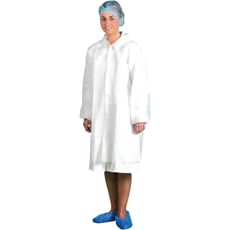
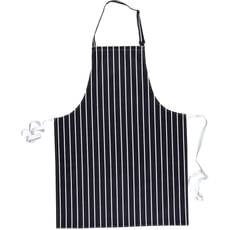
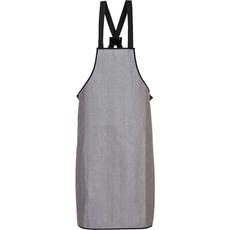
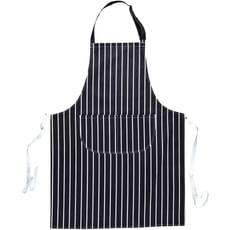
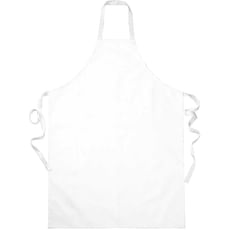
The selection at Tooled-Up.com encompasses various styles tailored to specific food industry applications. Traditional cotton and polycotton bib aprons offer breathable comfort for general kitchen duties and dry food preparation, whilst waterproof PVC aprons provide impermeable protection in wet environments such as fish preparation and washing-up areas. For high-risk tasks involving sharp knives and slicing equipment, cut-resistant aprons manufactured with high-performance fibres deliver essential blade protection. Disposable visitor coats offer convenient single-use solutions for temporary access to controlled food preparation zones.
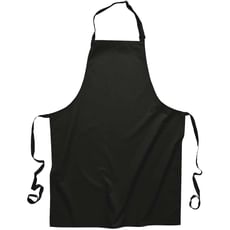
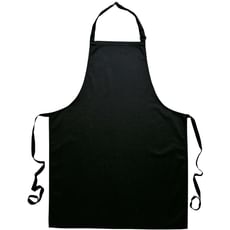
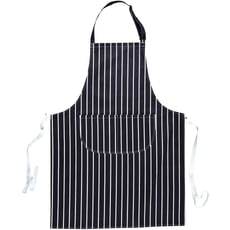
Professional food industry aprons combine durability with practical functionality. Features such as adjustable neck straps, secure waist ties, and convenient storage pockets ensure comfort during extended shifts whilst maintaining hygiene standards. Modern food industry aprons from trusted manufacturers like Portwest are designed to withstand repeated industrial laundering at high temperatures, featuring colourfast materials, reinforced stitching, and shrink-resistant fabrics that maintain their protective properties throughout demanding commercial use.
Jargon Buster
- Bib Apron: A full-coverage apron design extending from chest to knee, featuring a protective bib section with adjustable neck strap and waist ties. Provides maximum torso and upper leg protection against spills, splashes, and contamination in commercial food preparation environments.
- Polycotton: A durable fabric blend combining polyester and cotton fibres, delivering the natural comfort and breathability of cotton alongside the strength, wrinkle-resistance, and quick-drying properties of polyester. Ideal for extended shifts in warm commercial kitchens.
- Level D Cut Protection: The second-highest rating in the EN 388 cut resistance classification system, indicating excellent protection against sharp blade contact. Essential for butchery, meat processing, and food preparation tasks involving knives, slicers, and cutting equipment.
- Food Contact Approved: Certification confirming materials meet EU and UK regulations for direct or indirect contact with foodstuffs, ensuring they don't transfer harmful substances, affect food safety, or compromise quality standards.
- Waterproof Construction: Aprons manufactured from impermeable materials such as PVC or polyurethane-coated fabrics that prevent liquid penetration. Essential for wet processing areas, fish preparation, dishwashing duties, and cleaning tasks.
- HACCP Compliance: Hazard Analysis and Critical Control Points standards requiring systematic preventative approaches to food safety, including appropriate protective clothing, colour-coding systems, and regular replacement schedules for food industry aprons.
Who Uses Food Industry Aprons?
Food industry aprons are essential protective equipment for diverse professionals throughout the food supply chain:
- Commercial chefs and kitchen staff in restaurants, hotels, and catering establishments
- Butchers and meat processors handling sharp cutting tools and raw products
- Bakers and pastry chefs requiring protection from spills and heat exposure
- Fishmongers working in wet environments with fresh seafood
- Food manufacturing and processing operatives in production facilities
- Delicatessen and food retail counter staff handling fresh produce
- Brewery and beverage production workers
- Hospital and care home kitchen staff preparing meals for residents
- School and institutional catering teams
- Food hygiene inspectors and quality control personnel requiring visitor coats
- Market traders and street food vendors
- Home economists and food technology teachers
- Supermarket preparation department staff
How to Choose the Right Food Industry Aprons
Material Selection: Consider your specific working environment carefully. Cotton and polycotton aprons deliver breathability and comfort for general kitchen duties and dry food preparation. Waterproof PVC or polyurethane aprons are essential for wet work areas, washing-up duties, and fish preparation. Cut-resistant aprons with Level D protection are crucial for butchery and tasks involving sharp blades and slicing equipment.
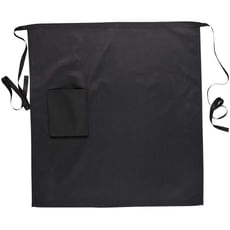
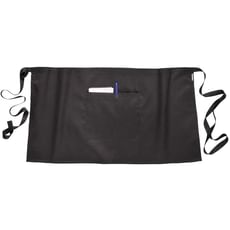
Style and Coverage: Bib aprons provide maximum protection covering from chest to knee, ideal for messy preparation tasks and protecting clothing underneath. Waist aprons offer enhanced mobility and airflow, suitable for serving staff and lighter duties. Bar aprons provide stylish front-of-house protection. Butchers aprons typically feature reinforced construction and extended length for comprehensive coverage during meat processing.
Hygiene Requirements: Ensure aprons meet food contact regulations and withstand your facility's washing protocols. Light-coloured aprons enable easy identification of soiling and contamination. Consider implementing colour-coded systems for different preparation areas to prevent cross-contamination. Disposable visitor coats provide convenient single-use protection for temporary access without requiring laundry facilities.
Comfort Features: Look for adjustable neck straps accommodating different body sizes and preventing strain during long shifts. Secure waist ties should allow firm fastening without discomfort. Storage pockets provide convenient access to thermometers, pens, and small tools. Consider weight and flexibility, particularly for aprons worn throughout extended shifts in warm environments.
Durability and Maintenance: Commercial food environments demand aprons withstanding frequent industrial laundering at high temperatures. Reinforced stitching, colourfast materials, and shrink-resistant fabrics ensure longevity and maintain professional appearance. Calculate cost-per-wear rather than initial purchase price when specifying aprons for team use.
Popular Accessories
Complement your food industry aprons with these essential products available from Tooled-Up:
- Disposable gloves (nitrile, latex, and vinyl options) for food handling and hygiene
- Hair nets, beard snoods, and head coverings for contamination prevention
- Safety shoes and slip-resistant footwear for kitchen environments
- Cut-resistant gloves for additional hand protection during food preparation
- Chef jackets and trousers for complete professional attire
- Disposable sleeve covers for temporary arm protection
- Food-safe cleaning chemicals and sanitising products
- Kitchen thermometers and temperature monitoring equipment
- First aid supplies specifically for food industry environments
- Antibacterial hand soap and sanitiser dispensers
- Colour-coded chopping boards and utensils for cross-contamination prevention
Safety Information
Proper use and maintenance of food industry aprons is essential for both personal protection and food safety compliance. Always ensure aprons are appropriate for specific tasks being undertaken – cut-resistant aprons should be worn when using sharp knives, slicers, or cutting equipment, whilst waterproof aprons are necessary for wet processing areas to prevent saturation and cross-contamination.
Food industry aprons must be laundered regularly according to your facility's hygiene protocols and HACCP procedures. Replace aprons showing signs of damage, excessive wear, or degradation that could compromise protective properties or harbour bacteria. Cut-resistant aprons should be inspected regularly for damage that could reduce protective capabilities.
The Health and Safety Executive (HSE) emphasises that aprons form part of comprehensive workplace safety measures. They should be used alongside other appropriate PPE such as safety footwear, gloves, and head coverings. Aprons should be removed before leaving food preparation areas to prevent cross-contamination into other zones. Never wear aprons outside premises or into washroom facilities.
Ensure all staff are trained in proper donning and removal of aprons to maintain hygiene standards. Disposable aprons and visitor coats should be discarded immediately after use in appropriate waste receptacles. Always follow manufacturer care instructions to maintain protective properties and ensure aprons continue meeting relevant food safety standards throughout their working life.
Frequently Asked Questions
How often should food industry aprons be replaced?
Replacement frequency depends on usage intensity and washing cycles. Inspect aprons regularly for signs of wear, damage, or deterioration. In high-volume commercial kitchens, aprons may need replacing every 3-6 months, whilst lighter use might extend lifespan to 12 months. Cut-resistant aprons should be replaced immediately if damaged or showing reduced protective capability. Always maintain sufficient stock to ensure clean aprons are available for every shift.
Can food industry aprons be tumble dried?
This depends on material composition. Cotton and polycotton aprons generally tolerate tumble drying on appropriate settings, though line-drying extends garment life. Waterproof and PVC aprons should typically be line-dried to prevent material degradation. Cut-resistant aprons require specific care according to manufacturer instructions. Always check care labels before tumble drying, as excessive heat can damage protective properties and cause shrinkage.
What's the difference between disposable and reusable food industry aprons?
Disposable aprons (typically polypropylene) provide single-use protection ideal for visitors, inspectors, or temporary workers accessing food preparation areas. They're cost-effective for occasional use and eliminate laundering requirements. Reusable aprons manufactured from cotton, polycotton, or waterproof materials offer superior durability and comfort for regular staff, proving more economical over time despite higher initial cost and requiring proper laundering facilities.
Do I need different aprons for raw and cooked food preparation?
Yes, implementing colour-coded apron systems is best practice for preventing cross-contamination in food preparation environments. Many facilities designate specific apron colours for raw meat preparation, cooked food handling, vegetable preparation, and cleaning duties. This visual differentiation helps maintain HACCP compliance and reduces cross-contamination risks. Ensure adequate stocks of each colour and train all staff on the colour-coding system.
Are Portwest food industry aprons suitable for commercial laundering?
Yes, Portwest aprons are designed to withstand the rigours of commercial laundering at high temperatures required for food industry hygiene standards. Their durable construction, reinforced stitching, and colourfast materials maintain integrity through repeated industrial wash cycles. Always follow manufacturer care instructions regarding maximum washing temperatures and avoid harsh bleaches that might degrade materials or reduce protective properties over time.