

Food Industry Gloves

Pay in 3 interest-free payments on purchases from £20-£3000 with  . Learn more.
 Loading...
End of content
Error - No more pages to load
About Food Industry Gloves
Food industry gloves are specialised protective handwear designed to meet the rigorous hygiene and safety standards required in food processing, preparation, and handling environments. These gloves serve a dual purpose: protecting workers from cuts, abrasions, and other hazards whilst simultaneously safeguarding food products from contamination. Whether you're working in a commercial kitchen, butchery, fish processing plant, or food manufacturing facility, having the right protective gloves is essential for compliance with food safety regulations and maintaining the highest standards of workplace safety.
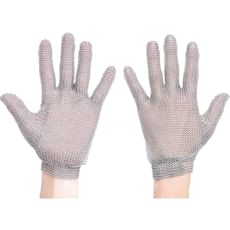
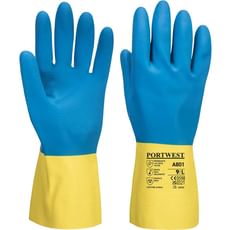
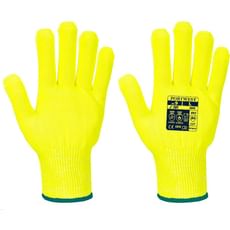
The range of food industry gloves available from Tooled-Up.com includes various specialist options tailored to different food handling tasks. From chainmail gloves and gauntlets manufactured by Portwest that provide exceptional cut resistance for butchers and meat processors, to double-dipped latex gauntlets offering chemical resistance and superior grip in wet conditions, through to modern pro cut liner gloves that combine flexibility with protection. All food industry gloves must comply with strict food safety standards whilst providing adequate protection against the specific hazards present in food processing environments, including sharp knives, slicing equipment, and repetitive cutting motions.
Choosing food-safe gloves isn't just about protection—it's about maintaining compliance with UK food hygiene regulations and HSE requirements. Food industry gloves must be manufactured from materials approved for food contact, often meeting EN standards for both cut resistance and food safety. They need to withstand frequent washing and sanitisation whilst maintaining their protective properties throughout demanding shifts in cold, wet, and often challenging working conditions.
Jargon Buster
- Chainmail: Interlocking metal rings formed into a flexible mesh that provides exceptional cut and puncture resistance. Stainless steel chainmail gloves are widely used in butchery and meat processing where sharp knives pose significant hazards.
- Cut Resistance Levels: Gloves are rated according to EN 388 standards, with levels ranging from A to F (previously 1-5). Higher ratings indicate greater protection against cuts from sharp blades and equipment commonly found in food processing environments.
- Food Contact Approved: Materials certified safe for direct contact with food products, meeting EU and UK regulations to prevent contamination or transfer of harmful substances into food.
- Double Dipped: A coating process where gloves are dipped twice in latex or other materials to create a thicker, more durable barrier. This provides enhanced chemical resistance, better grip in wet conditions, and improved durability.
- Gauntlet Style: Extended cuff gloves that provide protection beyond the wrist, covering part of the forearm. Essential in food processing to prevent liquids, debris, and contaminants from entering the glove whilst providing additional arm protection.
- Cut Liner: A base layer knitted from high-performance fibres such as HPPE (High Performance Polyethylene) that provides cut resistance whilst maintaining flexibility and dexterity for detailed food preparation work.
Who Uses Food Industry Gloves?
Food industry gloves are essential protective equipment for a wide range of professionals working in food-related sectors:
- Butchers and Meat Processors: Requiring maximum cut protection from knives, cleavers, and cutting equipment during meat preparation and processing
- Commercial Kitchen Staff: Chefs, prep cooks, and kitchen assistants handling sharp knives, mandolins, and slicing equipment throughout service
- Fish Mongers and Seafood Processors: Working with sharp filleting knives and processing equipment in wet, slippery conditions
- Delicatessen Counter Staff: Operating mechanical slicers and handling sharp knives during food preparation and customer service
- Food Manufacturing Workers: Operating production line equipment, handling raw materials, and working with industrial cutting machinery
- Catering Staff: Large-scale food preparation requiring protection during high-volume cutting and preparation tasks
- Bakery Workers: Handling dough cutting equipment and working with industrial mixers and slicers
- Abattoir Workers: Requiring heavy-duty cut and puncture protection in meat processing facilities
How to Choose the Right Food Industry Gloves
Selecting appropriate food industry gloves requires careful consideration of your specific working environment and the hazards you face:
Assess the Cut Risk: Determine the level of cut protection needed based on your tasks. Chainmail gloves offer the highest protection for butchery and heavy meat processing, whilst cut-resistant liner gloves provide excellent protection with greater dexterity for detailed preparation work. Check the EN 388 cut resistance rating to ensure adequate protection for your specific tasks.
Consider Food Safety Compliance: Ensure all gloves are certified for food contact and meet UK food hygiene regulations. Look for products available from Tooled-Up that comply with relevant food safety standards and can withstand regular cleaning and sanitisation without degrading or contaminating food products.
Evaluate Working Conditions: Consider whether you'll be working in wet, dry, cold, or oily conditions. Double-dipped latex gauntlets excel in wet environments, providing superior grip and chemical resistance, whilst also protecting forearms from splashes and contamination. Chainmail works well in both wet and dry conditions but requires regular maintenance.
Dexterity Requirements: Balance protection with the manual dexterity needed for your tasks. Modern cut liner gloves offer excellent protection whilst maintaining flexibility for detailed knife work, whereas chainmail provides maximum protection with slightly reduced dexterity.
Sizing and Fit: Properly fitted gloves are crucial for both safety and efficiency. Gloves that are too large can catch on equipment and reduce control, whilst tight gloves cause fatigue and discomfort during extended wear. Note whether gloves are sold singly or in pairs, and whether they're ambidextrous or hand-specific.
Durability and Maintenance: Consider the longevity of gloves and ease of cleaning. Stainless steel chainmail gloves can be sterilised and last for years with proper care, whilst synthetic cut liner gloves may need more frequent replacement but are easier to launder.
Popular Accessories
- Glove Sanitising Solutions: Food-safe sanitisers and cleaning products for maintaining hygiene standards between uses
- Glove Storage Systems: Hygienic storage solutions to keep gloves clean and organised when not in use
- Cut-Resistant Aprons: Additional body protection from Portwest to complement hand protection
- Protective Sleeves: Arm guards providing additional coverage beyond standard gauntlet lengths
- Disposable Glove Liners: Worn underneath reusable gloves to improve comfort and hygiene
- Anti-Slip Floor Mats: Reducing slip hazards in wet food processing environments
- First Aid Kits: Essential backup for any workplace handling sharp equipment
- Knife Sharpening Equipment: Well-maintained sharp knives reduce the force required and minimise injury risk
Safety Information
Food industry gloves are critical personal protective equipment (PPE) that must be selected, used, and maintained in accordance with HSE guidelines and food safety regulations. Employers have a legal duty under the Personal Protective Equipment at Work Regulations 1992 to provide appropriate protective gloves where risk assessments identify hand injury hazards.
Regular Inspection: Check gloves before each use for cuts, tears, holes, or deterioration. Damaged gloves compromise both worker safety and food hygiene. Chainmail gloves should be inspected for broken links or damaged straps, whilst coated gloves should show no signs of coating breakdown.
Proper Hygiene: Food industry gloves must be cleaned and sanitised regularly according to your facility's food safety protocols. Follow manufacturer guidance for washing temperatures and approved cleaning agents. Gloves should be thoroughly dried after washing to prevent bacterial growth.
Limitations: Understand that no glove provides complete protection. Cut-resistant gloves significantly reduce injury severity but don't make you impervious to cuts. Always use proper knife handling techniques and maintain awareness of blade positions. Never assume gloves eliminate the need for safe working practices.
Correct Usage: Ensure gloves fit properly and are worn correctly. Gauntlets should cover the wrist completely, and chainmail gloves require proper fastening of retention straps to prevent them sliding during use. Replace gloves according to manufacturer recommendations or when performance deteriorates.
Training Requirements: All staff should receive proper training on glove selection, correct fitting, limitations, and maintenance. This training should form part of your workplace's broader health and safety induction and COSHH assessments where relevant chemicals are used.
Frequently Asked Questions
Are chainmail gloves really necessary for butchery work?
Yes, chainmail gloves provide the highest level of cut protection available and are considered essential PPE for professional butchers and meat processors. They significantly reduce the risk of serious lacerations from knives and cutting equipment. The HSE strongly recommends their use where sharp knives are handled regularly, and many food industry employers require them as standard safety equipment. Whilst they represent an investment, a quality chainmail glove from Portwest can last for years with proper maintenance, making them cost-effective protection.
Can I wash food industry gloves in a standard washing machine?
This depends on the glove type. Stainless steel chainmail gloves should be washed and sanitised according to your facility's procedures, often in commercial dishwashers or by hand washing with food-safe sanitisers. Cut liner gloves can typically be machine washed at temperatures specified by the manufacturer (often 40-60°C), though frequent washing will eventually reduce their protective properties. Always check manufacturer guidance and avoid fabric softeners which can affect grip and performance. Latex-coated gloves require gentler washing to preserve the coating integrity.
Do food industry gloves come in left and right hand versions?
Many food industry gloves, particularly chainmail models, are sold as single gloves designed for either left or right hand use, allowing you to purchase hand-specific protection based on your needs. Some workers only require protection on their non-knife hand, making single glove purchasing economical. Other gloves, particularly cut liner styles, are often ambidextrous and sold in pairs. Always check product specifications when browsing the selection at Tooled-Up.com.
What's the difference between cut level A and level F protection?
Under the current EN 388 standard, cut resistance is rated from level A (lowest) to level F (highest), based on the force required to cut through the material. Level A offers basic protection suitable for minimal cut risks, whilst level F provides the maximum protection for high-risk environments. For food industry work involving sharp knives and cutting equipment, you should typically look for level C or higher. Chainmail gloves generally achieve the highest ratings, whilst modern cut liner gloves often provide level D or E protection with better dexterity.
How often should food industry gloves be replaced?
Replacement frequency depends on usage intensity, working conditions, and glove type. Chainmail gloves can last several years with proper maintenance, though the textile straps may need replacing more frequently. Cut liner gloves typically last 3-6 months with regular use and washing, but should be replaced immediately if you notice reduced cut resistance, holes, or significant wear. Coated gloves need replacement when the coating becomes damaged or loses grip. Always follow manufacturer recommendations and implement a glove inspection and replacement schedule as part of your workplace safety procedures.