

Footwear
Pay in 3 interest-free payments on purchases from £30-2000 with  . Learn more.
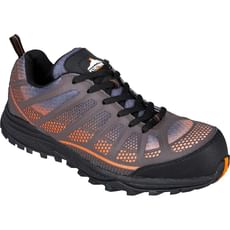
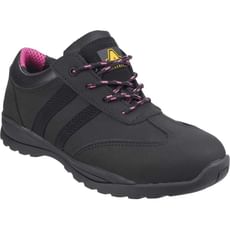
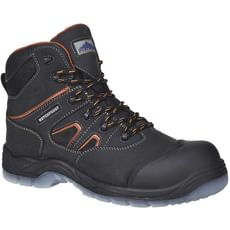
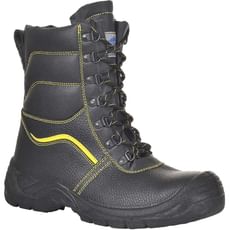
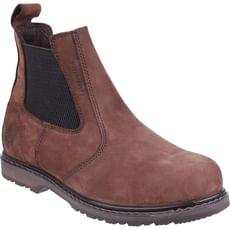
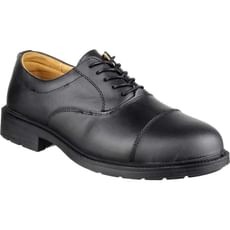
Amblers Mens Safety As148 Sperrin Lightweight Waterproof Pull On Dealer Safety Boots
available
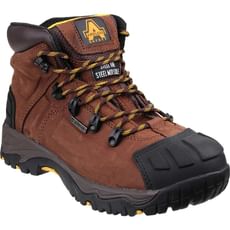
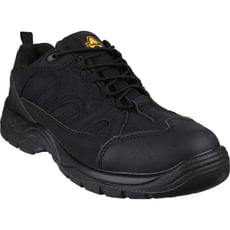
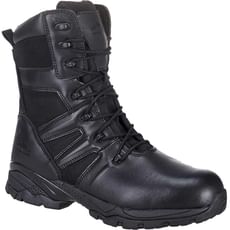
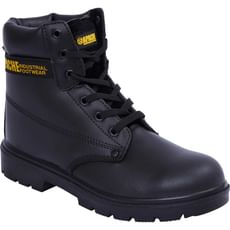
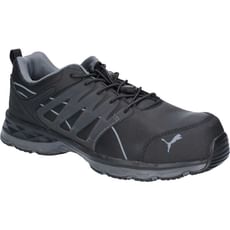
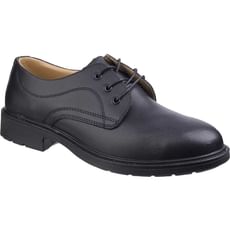
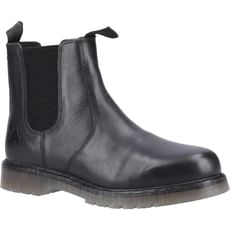
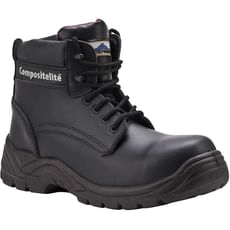
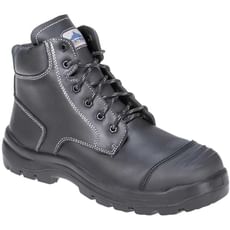
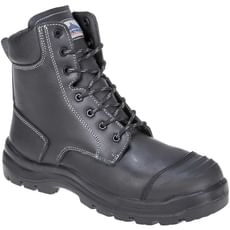
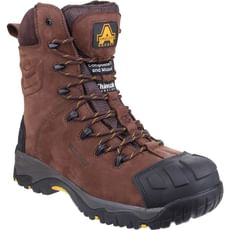
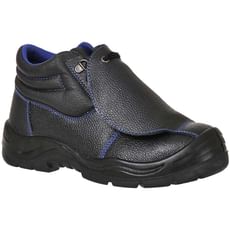
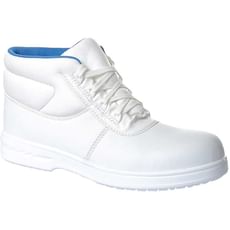
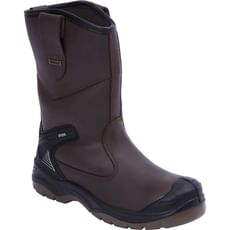
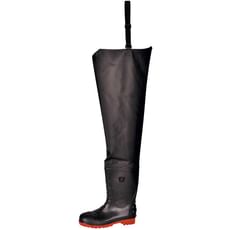
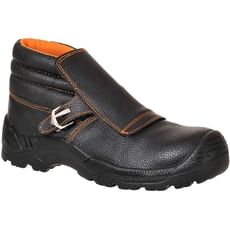
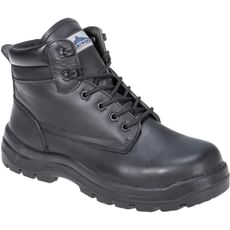
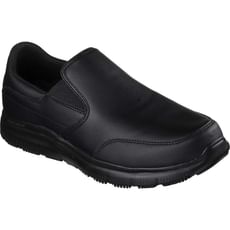
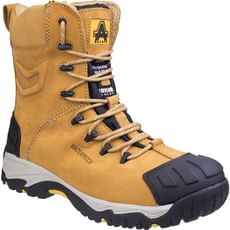
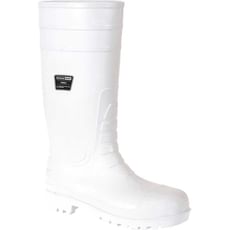
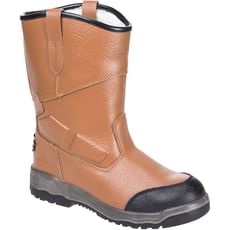
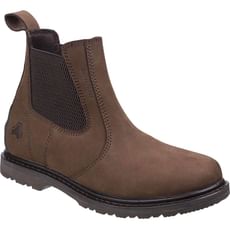
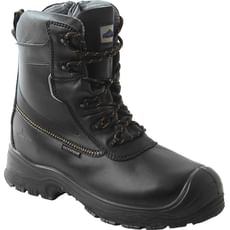
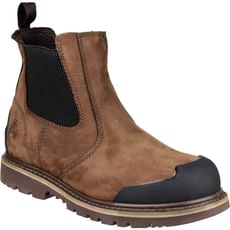
Amblers Mens Safety FS225 Goodyear Welted Waterproof Pull On Chelsea Safety Boots6
available
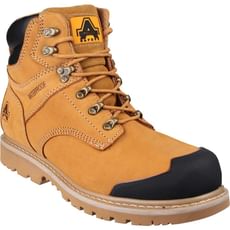
Amblers Mens Safety FS226 Goodyear Welted Waterproof Industrial Safety Boots
available
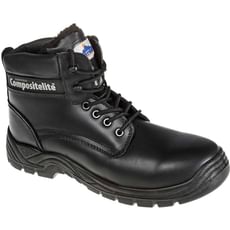
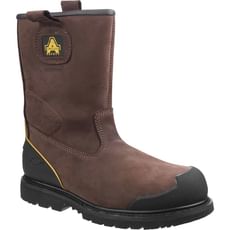
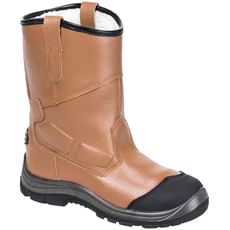
Amblers Mens Safety FS223 Goodyear Welted Waterproof Pull On Industrial Safety Boots
available
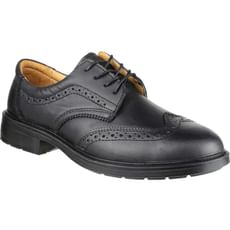
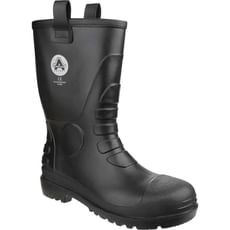
 Loading...
End of content
Error - No more pages to load
About Footwear
Professional work footwear represents one of the most critical components of personal protective equipment, safeguarding feet against a comprehensive range of workplace hazards whilst delivering the comfort needed for extended shifts. From steel toe cap work boots engineered for construction sites to lightweight safety trainers designed for warehouse environments, selecting appropriate footwear can prevent serious injuries caused by falling objects, puncture wounds, slips, and electrical hazards. The footwear category at Tooled-Up.com encompasses everything from heavy-duty work boots and wellington boots to specialised accessories including disposable overshoes, boot laces, and traction grips, all meeting stringent UK and European safety standards.
Contemporary safety footwear has advanced considerably from the cumbersome, uncomfortable designs of previous decades. Today's work boots incorporate innovative materials, membrane technologies, and ergonomic construction principles that provide exceptional all-day comfort without compromising on robust protection. Whether requirements include waterproof wellington boots for agricultural applications, breathable work trainers for logistics operations, or heavy-duty work boots with metatarsal guards for demolition work, matching footwear specifications to the specific demands of each trade environment remains essential for both safety compliance and operational productivity.
The comprehensive selection available from Tooled-Up includes specialist solutions for every working environment and hazard profile. Trusted brands such as DeWalt, Scruffs, and Portwest deliver proven protection that satisfies HSE requirements whilst addressing the practical comfort needs of tradespeople working 8-12 hour shifts. From composite toe caps that eliminate metal detection concerns to SRC-rated slip-resistant soles for wet environments, modern work footwear technology ensures feet remain protected, comfortable, and compliant across all UK trade sectors.
Jargon Buster
- S1P, S3, S5 Safety Ratings
- European safety footwear classifications defined by EN ISO 20345 standards. S1P provides basic protection including toe caps, anti-static properties, and puncture-resistant midsoles for dry environments. S3 adds water-resistant leather uppers and cleated outsoles suitable for outdoor construction work. S5 delivers the highest protection with fully waterproof construction, typically in wellington boot form, for extremely wet conditions or working with liquids.
- Toe Cap Protection
- Reinforced protective caps manufactured from steel, composite materials, or aluminium alloy, built into the toe area to withstand impact forces up to 200 joules. Essential for protecting against falling objects, compression injuries, and crushing hazards common across construction, warehousing, and manufacturing environments.
- Midsole Plate
- A puncture-resistant layer embedded between the insole and outsole, typically constructed from steel, stainless steel, or textile materials like Kevlar. Designed to prevent sharp objects such as nails, metal shards, or broken glass from penetrating through the boot sole into the foot.
- SRC Slip Rating
- The highest slip resistance classification, indicating footwear has successfully passed testing on both ceramic tiles with detergent solution (SRA) and steel surfaces with glycerol (SRB). Critical for tradespeople working in wet, oily, or contaminated environments where slip hazards present significant injury risks.
- Metatarsal Guard
- Additional protective reinforcement extending over the upper foot area to shield the metatarsal bones from impacts, compression, and falling objects. Commonly specified for heavy industry, demolition work, foundries, and any environment where substantial objects may fall from height onto the foot.
- Electrical Hazard (EH) Protection
- Insulation properties that provide protection against open electrical circuits up to 18,000 volts in dry conditions. Crucial for electricians, sparkies, and those working near live electrical equipment. Note that this protection requires dry conditions and undamaged footwear to remain effective.
Who Uses Footwear?
Professional work footwear is essential across numerous trades and industries throughout the UK:
- Construction Workers - bricklayers, scaffolders, general labourers, and site operatives requiring robust S3 rated boots with toe protection and puncture resistance
- Electricians and Sparkies - needing electrical hazard protection, non-conductive soles, and composite toe caps for safe working around live 240v circuits
- Plumbers and Heating Engineers - requiring water-resistant work boots with excellent ankle support for crawling, kneeling, and working in damp environments
- Carpenters and Chippies - needing lightweight yet protective footwear with flexibility for ladder work and roof installations
- Warehouse Operatives - requiring comfortable, breathable safety trainers with cushioned insoles for long shifts on concrete floors
- Mechanics and Vehicle Technicians - needing oil-resistant soles, penetration protection, and resistance to petroleum products
- Agricultural Workers and Farmers - requiring fully waterproof wellington boots with chemical resistance and deep cleated soles
- Groundworkers and Landscapers - needing robust, waterproof S3 boots with exceptional grip on uneven, muddy terrain
- Factory Workers and Machinists - requiring metatarsal protection, anti-static properties, and sometimes heat-resistant soles
- Delivery Drivers - needing comfortable work shoes suitable for both driving and manual handling operations
- Painters and Decorators - requiring lightweight, flexible footwear appropriate for working on ladders, scaffold boards, and access platforms
- Roofing Contractors - needing work boots with ladder-friendly heels and excellent ankle support for pitched roof work
How to Choose the Right Footwear
Safety Rating and Standards: Begin by identifying the specific hazards present in your working environment and ensure selected footwear meets the appropriate EN ISO 20345 safety rating. Construction sites typically mandate S3 rated boots as minimum requirements, whilst warehouse environments may permit S1P safety trainers. Always verify your employer's specific PPE requirements and ensure compliance with HSE guidelines. Check whether your site requires ankle-height boots rather than low-cut work shoes, as many construction sites specify this for additional protection.
Protection Features: Consider what specific protection features you require beyond basic toe caps. Do you need puncture-resistant midsoles for working on sites with sharp debris and exposed nails? Is electrical hazard protection necessary for working near 240v installations? Do you require metatarsal guards for heavy lifting operations or working beneath suspended loads? Waterproofing becomes essential for outdoor trades, whilst heat resistance matters for welders, foundry workers, and those working with hot materials. Anti-static properties may be specified for environments with flammable atmospheres.
Comfort and Fit: With work boots typically worn for 8-12 hours daily, comfort should never be compromised. Look for boots featuring adequate arch support, cushioned removable insoles, and moisture-wicking linings to prevent excessive perspiration. Ensure proper sizing with approximately 10-15mm of space beyond your longest toe when standing. Consider trying boots on during afternoon hours when feet are slightly swollen to guarantee all-day comfort. Break in new boots gradually over several days to prevent blisters and pressure points.
Sole Type and Grip: The outsole significantly impacts both safety and comfort throughout your working day. Deep cleated patterns provide excellent grip on muddy or uneven ground, ideal for groundworkers and landscapers. Flatter tread patterns suit warehouse and factory floors where debris accumulation in deep treads becomes problematic. SRC rated soles offer maximum slip resistance on wet surfaces. Consider whether you need ladder-friendly heels without excessive sole overhang, or penetration-resistant sole construction for demolition environments.
Weight and Flexibility: Modern composite toe caps manufactured from fibreglass, carbon fibre, or Kevlar offer equivalent protection to steel at substantially reduced weight, minimising fatigue during extended shifts. Lighter safety trainers suit less hazardous environments whilst providing freedom of movement for warehouse picking or delivery work. However, heavier leather boots often provide superior ankle support, durability, and protection for demanding construction applications.
Climate and Breathability: Membrane technology such as Gore-Tex offers waterproofing whilst maintaining breathability, preventing uncomfortable moisture buildup inside boots. For summer work, consider boots incorporating mesh panels for enhanced ventilation. Winter conditions may require insulated boots to maintain warmth when working outdoors or in cold stores. Fully waterproof wellington boots become necessary for agricultural work, groundworks in wet conditions, or working with liquids.
Popular Accessories
- Boot Laces - high-quality replacement laces available in various lengths and materials to maintain secure fastening throughout the boot's lifespan
- Disposable Overshoes - protective covers for maintaining hygiene standards when entering clean environments, occupied properties, or customer premises
- Traction Grips - temporary ice grips that attach to boot soles for enhanced stability during winter conditions and icy surfaces
- Insoles and Footbeds - ergonomic inserts providing additional cushioning, arch support, shock absorption, and comfort for extended shifts
- Boot Dryers - electrical devices for quickly drying wet footwear overnight, extending boot lifespan and maintaining hygiene
- Waterproofing Sprays - maintenance treatments to restore water resistance and protect leather from deterioration caused by moisture
- Work Socks - moisture-wicking, cushioned socks specifically designed to complement safety footwear and prevent blisters during long shifts
- Knee Pads - complementary PPE for trades requiring frequent kneeling, protecting both knees and trouser wear
- Boot Bags - storage solutions for keeping dirty work boots separate from clean clothes, tools, and vehicle interiors
- Leather Conditioners - maintenance products to keep leather boots supple, prevent cracking, and extend working life
Safety Information
Work footwear is classified as Category II PPE under UK regulations and must meet EN ISO 20345 standards for safety footwear. Employers have a legal duty under the Health and Safety at Work Act 1974 and the Personal Protective Equipment at Work Regulations 1992 to provide appropriate safety footwear where risk assessments identify foot injury hazards. Employees must wear provided PPE correctly and report any defects immediately.
Always inspect your work boots before each use, checking for sole separation, damaged or deformed toe caps, excessively worn tread, compromised waterproofing, or damaged uppers. Replace footwear immediately if structural integrity is compromised, as damaged safety boots cannot provide adequate protection and may present additional hazards. Most safety footwear has a recommended lifespan of 12-18 months with regular use, though this varies significantly based on working conditions, maintenance, and usage intensity.
Ensure boots are correctly sized and properly laced to provide ankle support and prevent trips. Break in new boots gradually to avoid blisters and discomfort that may affect your gait and concentration. Never modify safety footwear by cutting, drilling, or removing components, as this invalidates safety certifications and compromises protection. Store boots in a cool, dry location away from direct heat sources such as radiators or vehicle heaters, which can degrade materials, adhesives, and waterproof membranes.
Be aware that steel toe caps and midsole plates can conduct both electricity and extreme temperatures, so composite alternatives may be more appropriate for electricians working near live 240v installations or those working in extremely hot or cold environments. Similarly, metal components will trigger security scanners at sensitive sites such as airports, data centres, or secure facilities where non-metallic puncture protection proves preferable. Ensure chemical resistance ratings match any substances you may encounter, as not all safety boots resist all chemicals.
Frequently Asked Questions
What's the difference between S1P, S3, and S5 safety ratings?
S1P boots offer basic protection with toe caps, closed heels, anti-static properties, energy absorption in the heel, and puncture-resistant midsoles, suitable for dry indoor environments. S3 rated boots add water-resistant uppers and cleated outsoles for outdoor construction work and wet conditions. S5 provides complete waterproof protection with wellington-style construction and fully waterproof materials, ideal for extremely wet conditions, agricultural work, or working with liquids. Most UK construction sites require S3 as a minimum standard for site operatives.
How long should safety boots last with daily use?
Quality work boots typically last 12-18 months with daily professional use, though this depends heavily on working conditions, terrain, maintenance practices, and usage intensity. Construction workers in demanding outdoor environments may require replacement every 6-12 months, whilst warehouse operatives on smooth concrete floors might achieve 18-24 months. Replace boots when you notice significant sole wear exposing midsole plates, damaged or deformed toe caps, compromised waterproofing, sole separation, or damaged uppers, as these defects compromise protection and safety certification.
Can I wear safety trainers instead of boots on building sites?
This depends entirely on your employer's site-specific requirements and the hazards identified in risk assessments. Safety trainers meeting S1P or S3 standards provide equivalent toe and sole protection to boots but offer less ankle support and may lack waterproofing. Many construction sites mandate ankle-height boots for additional protection against impacts, debris entry into footwear, and ankle rolling on uneven ground. Sites with significant water exposure or outdoor work typically require waterproof S3 boots. Always check site PPE requirements before commencing work, as site managers may refuse access without appropriate footwear.
Are composite toe caps as safe as traditional steel toe caps?
Yes, composite toe caps manufactured from materials such as fibreglass, carbon fibre, or Kevlar must meet identical EN ISO 20345 impact resistance standards as steel, withstanding 200 joules of force and 15kN of compression. Composite caps offer several advantages: they're typically 30-50% lighter reducing fatigue, don't conduct heat or cold improving thermal comfort, won't trigger metal detectors at security checkpoints, and don't conduct electricity. However, they're typically bulkier than steel caps and may feel less natural to some users accustomed to traditional steel construction.
How should work boots fit properly for all-day comfort?
Your work boots should allow approximately 10-15mm of space beyond your longest toe when standing, roughly equivalent to a thumb's width. The widest part of your foot should align with the widest part of the boot, with no pressure points across the top or sides. Your heel should remain firmly in place without lifting when walking, prevented by proper lacing and heel cup design. Always try boots on whilst wearing your typical work socks, preferably during afternoon hours when feet are slightly swollen, to ensure all-day comfort during long shifts. Walk around the shop or home for several minutes to identify any pressure points before committing to purchase.