

Frame Fixings
Pay in 3 interest-free payments on purchases from £30-2000 with  . Learn more.
 Loading...
End of content
Error - No more pages to load
About Frame Fixings
Frame fixings are specialised fasteners engineered to securely attach door frames, window frames, and structural timber elements to masonry substrates including brick, concrete, stone, and blockwork. Unlike conventional screws or wall plugs, frame fixings are specifically designed to handle the significant loads and stresses associated with structural applications, providing superior holding power through expansion mechanisms or deep-thread engagement with the base material. These fixings are essential for ensuring that frames remain securely anchored over years of use, resisting the dynamic forces generated by opening and closing doors, thermal expansion and contraction, and exposure to the elements.
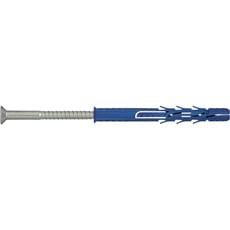
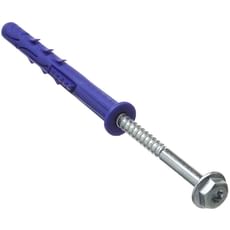
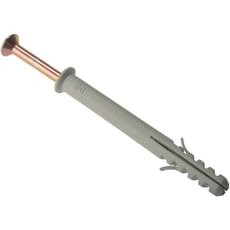
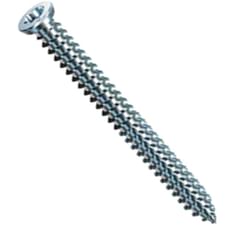
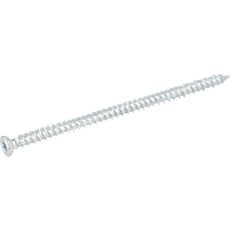
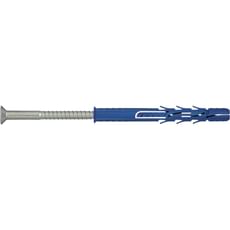
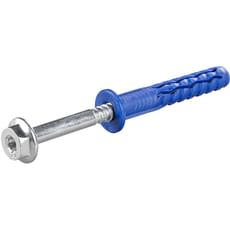
The range available at Tooled-Up.com includes two primary types: nylon frame fixings with separate screws, and all-in-one frame screws. Nylon frame fixings utilise a two-part system where a plastic plug expands within the pre-drilled hole as the screw is tightened, creating excellent grip across various masonry densities. Frame screws, alternatively, are self-tapping fixings that cut their own thread directly into the substrate, offering faster installation in dense materials. Both systems are available with countersunk or hex head options, in zinc-plated steel for interior applications or A4 stainless steel for external and high-moisture environments. Trusted brands like Rawlplug, Spax, and Forgefix ensure professional-grade performance.
Selecting the correct frame fixing requires careful consideration of substrate type, environmental conditions, frame thickness, and anticipated loads. Fixings are available in multiple lengths and diameters to suit different applications, from lightweight internal door frames to heavy-duty commercial installations and external window frames exposed to coastal conditions. Proper specification and installation of frame fixings is crucial for building integrity, compliance with construction standards, and long-term structural performance.
Jargon Buster
- Countersunk Head: A conical-shaped head that sits flush with or below the material surface when installed, allowing for a neat finish that can be concealed with filler or decorative cover caps, particularly important for visible frame installations.
- Hex Head: A hexagonal head designed for installation with a spanner, socket, or hex bit, providing superior torque transfer and load distribution compared to traditional screwdriver heads, ideal for heavy-duty applications requiring high tightening forces.
- Expansion Zone: The section of the fixing that expands radially within the drilled hole when the screw is tightened, creating mechanical grip against the substrate walls. Short expansion zones are designed for installations where shallow fixing depths are required or where the substrate is close to an edge.
- A4 Stainless Steel: A marine-grade stainless steel alloy containing molybdenum for enhanced corrosion resistance, essential for external applications, coastal environments, wet rooms, or any location exposed to moisture that would cause zinc-plated fixings to corrode.
- Nylon Frame Fixing: A two-part fixing system comprising a nylon expansion plug and separate screw, where the plug expands as the screw is driven, providing excellent grip in varied masonry substrates and allowing easier removal for adjustments compared to frame screws.
- Torx Drive: A star-shaped drive system (T30, T40 being common sizes) offering superior torque transfer, reduced cam-out, and longer bit life compared to Pozidriv or Phillips drives, increasingly standard on quality frame fixings for faster, more reliable installation.
Who Uses Frame Fixings?
Frame fixings are essential fasteners for a diverse range of construction professionals and DIY users:
- Carpenters and joiners installing door linings, architraves, and structural timber frames in residential and commercial construction
- Window fitters securing uPVC, aluminium, and timber window frames to masonry openings in new builds and replacement projects
- General builders working on extensions, renovations, new build projects, and structural alterations requiring secure frame installations
- Shopfitters installing commercial doorways, partition frames, and display structures in retail and hospitality environments
- Maintenance engineers in property management conducting repairs, refurbishment, and door replacement in commercial and residential buildings
- Facilities managers overseeing building maintenance programmes requiring reliable, long-lasting frame installations
- Door hanging specialists focused on fire door installations, commercial door systems, and high-traffic applications
- DIY enthusiasts tackling home improvement projects including door replacement, window installation, and frame repairs
How to Choose the Right Frame Fixings
Substrate Material: Identify your base material accurately—concrete, engineering brick, common brick, dense block, lightweight block, or stone. Frame screws with deep threads excel in dense, predictable substrates like concrete, whilst nylon frame fixings with expansion mechanisms perform better across varied densities and softer materials. Always verify manufacturer specifications for substrate compatibility and minimum embedment depths.
Environmental Exposure: Environmental conditions dictate material selection. For external applications, wet rooms, coastal locations, or any moisture-exposed installation, specify A4 stainless steel fixings to prevent corrosion, staining, and premature failure. Zinc-plated fixings are suitable only for dry interior locations. The modest cost premium for stainless steel is insignificant compared to the expense of fixing failure and associated frame damage.
Frame Thickness and Fixing Length: Measure frame thickness accurately and select fixings with sufficient length to achieve recommended embedment depth in the substrate—typically 50-70mm into sound masonry, though deeper penetration may be required in softer materials or high-load applications. Remember to account for any frame packers or adjustments when calculating required fixing length.
Head Style Selection: Countersunk heads provide flush finishes ideal for concealing with cover caps or filler, essential for aesthetic installations. Hex heads offer easier installation with socket drivers, better load distribution, and are preferable for heavy-duty applications or where maximum torque is required during installation. The choice often depends on frame design and accessibility during installation.
Load Requirements: Consider both static loads (frame weight, door/window mass) and dynamic loads (repeated opening/closing, wind loading, impact). Heavier doors, fire-rated installations, and high-traffic commercial applications require more fixings at closer centres (typically 300-400mm spacing) and potentially larger diameter fixings. Always position fixings strategically behind hinge locations and lock strike plates for optimal support.
Installation Method: Frame screws offer faster installation as they're self-tapping and eliminate the separate plug, though they require more installation torque and aren't easily removed. Nylon frame fixings provide excellent holding power across substrate types, are more forgiving if installation positions need adjustment, and are easier to remove without damaging surrounding masonry if rectification is required.
Popular Accessories
- Masonry drill bits: SDS-plus and standard masonry bits in diameters matching your chosen fixings, with carbide tips for durability when drilling brick and concrete
- Torx drive bits: T30 and T40 bits for Spax and other Torx-drive frame fixings, preferably impact-rated for durability
- Hex socket sets: Magnetic hex sockets for installing hex head frame fixings efficiently with impact drivers or cordless drills
- Depth stops: Drill accessories ensuring consistent hole depths, crucial for proper fixing seating and performance
- Frame packers: Plastic shims in various thicknesses for levelling and positioning frames accurately before final fixing
- Cover caps: Decorative caps in white, brown, and wood-effect finishes to conceal countersunk fixing heads on visible frames
- Cable and pipe detectors: Essential safety equipment for locating hidden services before drilling into walls
- Impact drivers: Cordless impact drivers from Makita, DeWalt, or Milwaukee providing the torque required for driving frame screws efficiently
- Dust extraction attachments: Drill dust catchers minimising silica dust when drilling masonry substrates
- Safety PPE: Safety glasses, FFP2/FFP3 dust masks, and hearing protection for safe drilling operations
Safety Information
Personal Protective Equipment: Always wear safety glasses or goggles when drilling into masonry to protect against flying debris and dust particles. Use a dust mask rated to FFP2 or FFP3 when drilling brick, concrete, or stone to avoid inhaling hazardous silica dust, which poses serious long-term health risks. Hearing protection is advisable when using hammer drills or impact drivers for extended periods, particularly in enclosed spaces. Comply with HSE guidance on respirable crystalline silica exposure.
Hidden Services Detection: Before drilling any fixing holes, use a reliable cable and pipe detector to scan for concealed electrical cables, water pipes, and gas lines. Striking services can result in electric shock, flooding, gas leaks, and expensive emergency repairs. Pay particular attention around electrical accessories, radiators, and plumbing fixtures. In doubt, consult building plans or use a professional detection service on critical installations.
Structural Considerations: Maintain adequate edge distances and spacing between fixings as specified by manufacturers—insufficient spacing or proximity to edges can cause substrate cracking or spalling. Avoid over-tightening fixings, which can crack masonry or strip threads. In load-bearing applications, fire door installations, or when working on structural elements, ensure fixing specification is appropriate or consult with a structural engineer if uncertain about capacities or positioning.
Tool Safety and Work Positioning: Use power tools according to manufacturer instructions and ensure they're in good working order with appropriate PAT testing where required. Secure frames and workpieces properly before drilling—never hold items by hand whilst operating power tools. When using impact drivers or powerful drills, anticipate torque reaction if the bit binds. Work from stable platforms when installing frames at height, ensuring compliance with Working at Height Regulations.
Frequently Asked Questions
What's the difference between nylon frame fixings and frame screws?
Nylon frame fixings are two-part systems consisting of a nylon expansion plug inserted into the drilled hole, followed by a separate screw that causes the plug to expand and grip the substrate. Frame screws are all-in-one fixings that cut their own thread directly into the masonry. Frame screws offer faster installation and work exceptionally well in dense, predictable substrates like concrete, whilst nylon fixings provide more consistent performance across varied masonry types, are more forgiving during installation, and can be removed more easily if adjustments are needed without damaging the surrounding substrate.
How many frame fixings do I need for a door frame?
For standard internal domestic doors, use a minimum of three fixings per vertical jamb, typically positioned 300mm from the top, 300mm from the bottom, and one centrally. Heavy doors, fire doors, external doors, or commercial installations require fixings at approximately 300-400mm centres along each jamb. Always position fixings through the thickest section of the frame and ensure fixings are located behind hinge positions and the lock strike plate area for maximum support. The head can typically be fixed at 400-600mm centres unless manufacturer guidance specifies otherwise.
Can I use zinc-plated frame fixings for external applications?
No—zinc-plated fixings are unsuitable for external applications and will corrode when exposed to moisture, leading to rust staining, structural weakness, and eventual failure. For all external applications, window installations, conservatories, porches, wet rooms, or coastal environments, always specify A4 stainless steel frame fixings. The additional cost is minimal compared to the expense, disruption, and potential structural issues caused by corroded fixings failing prematurely. Even protected external locations can experience sufficient moisture ingress to corrode zinc plating over time.
What size drill bit should I use for frame fixings?
The correct drill bit diameter is specified by the fixing manufacturer and is typically printed clearly on the packaging. Using incorrect bit sizes compromises performance—drilling too small risks cracking the substrate or making installation difficult and may cause the fixing to bind; drilling too large results in inadequate grip and reduced holding power. For Rawlplug FF1 fixings, for example, the drill diameter varies depending on fixing size (typically 8mm, 10mm, or 12mm), so always check technical specifications before drilling. Never guess at drill bit sizes.
How deep should I drill holes for frame fixings?
Drill approximately 10-15mm deeper than the total length of the fixing to provide clearance for dust and debris at the hole bottom. This ensures the fixing can be fully inserted and the frame can sit tight against the wall without the fixing bottoming out. As a general principle, frame fixings should penetrate at least 50-70mm into sound masonry for adequate holding power, though specific embedment depths depend on fixing type, substrate material, load conditions, and manufacturer recommendations. In softer substrates or high-load applications, deeper embedment may be necessary for adequate performance.