

Framers Gloves
Pay in 3 interest-free payments on purchases from £30-2000 with  . Learn more.
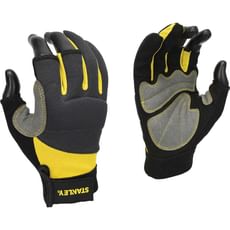
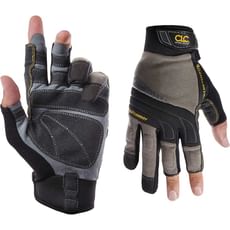
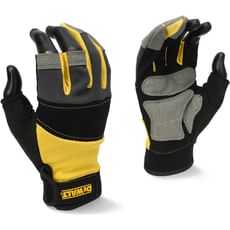
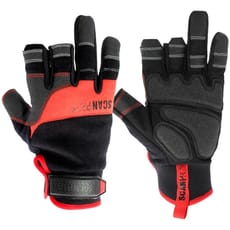
 Loading...
End of content
Error - No more pages to load
About Framers Gloves
Framers gloves are specialist work gloves engineered specifically for carpentry and timber framing applications, where exceptional dexterity, grip, and hand protection must work in perfect harmony. Unlike general-purpose work gloves, framers gloves feature a carefully designed combination of reinforced palms, flexible materials, and precision fitting that enables tradespeople to handle lumber, operate pneumatic nail guns, and manipulate small fasteners whilst maintaining excellent tactile feedback. These gloves strike an essential balance between protecting hands from splinters, cuts, and abrasions, whilst ensuring fingers remain nimble enough for detailed carpentry work that demands precision and control.
The construction industry demands high-performance hand protection, and framers gloves have become an indispensable piece of PPE for anyone working with timber structures. Modern framers gloves incorporate advanced materials such as synthetic leather palms, breathable mesh backs, and ergonomic padding in high-wear areas. Leading brands including DeWalt, Stanley, and Kunys have developed specialist ranges that cater specifically to the rigorous demands of framing work, offering features like reinforced fingertips, adjustable wrist closures, and sweat-wicking linings that keep hands comfortable during extended shifts on site.
Tooled-Up.com stocks premium framers gloves from trusted manufacturers who understand the unique requirements of professional tradespeople. Whether you're a full-time carpenter, a site supervisor, or a DIY enthusiast tackling home renovation projects, investing in purpose-designed framers gloves significantly improves both safety and productivity whilst reducing hand fatigue throughout the working day. The selection at Tooled-Up includes options ranging from three-finger designs for maximum dexterity to fully-fingered models offering comprehensive protection across various carpentry applications.
Jargon Buster
- Synthetic Leather Palm: A durable, man-made material that mimics the properties of genuine leather whilst offering improved breathability, washability, and consistent performance in wet conditions. Commonly used on the palm and finger areas of framers gloves for enhanced grip and longevity.
- Flex Grip Technology: A design feature that allows the glove to move naturally with your hand, preventing bunching and maintaining dexterity. This is particularly important when operating pneumatic nailers or handling small fixings and fasteners during precision carpentry work.
- Terry Cloth Brow Wipe: A soft, absorbent fabric section, typically positioned on the thumb area, that allows workers to wipe away perspiration from their face without removing gloves during intensive work periods—particularly valuable during summer site work.
- TPR (Thermoplastic Rubber): Impact-resistant rubber material moulded onto the back of gloves to provide additional protection for knuckles and fingers against bumps and strikes from lumber or tools. Often includes ergonomic shaping for improved comfort.
- Hook-and-Loop Wrist Closure: An adjustable fastening system that secures the glove around the wrist, preventing debris from entering whilst allowing quick removal when needed. Provides a customisable fit for different wrist sizes.
- Double Palm Overlay: Strategic reinforcement in high-wear zones that extends the glove's lifespan whilst cushioning the hand against repetitive impact from hammering and tool operation. Typically positioned across the entire palm and thumb crotch area.
Who Uses Framers Gloves?
Framers gloves are essential PPE for a wide range of construction professionals and DIY enthusiasts:
- Carpenters and Chippies: Daily users who require maximum dexterity for precision timber work alongside protection from splinters and abrasions during joinery and framing tasks
- Timber Frame Builders: Specialists constructing wooden building frames who need robust hand protection during heavy lumber handling and structural assembly work
- Roofing Contractors: Tradespeople working with timber joists, battens, and fascia boards at height where secure grip is paramount
- Decking Installers: Professionals handling treated timber boards and fasteners throughout the day, requiring protection from splinters whilst maintaining sensitivity
- Shop Fitters and Joiners: Those undertaking detailed carpentry work requiring excellent tactile feedback for precision measurements and fitting
- General Builders: Multi-trade operatives who need versatile gloves for various timber-related tasks throughout different construction phases
- Renovation Contractors: Workers dismantling and rebuilding timber structures where hand protection is paramount against aged wood and hidden hazards
- DIY Enthusiasts: Home improvers tackling garden projects, shed construction, and timber repairs who value professional-grade protection
- Landscapers: Professionals installing fencing, pergolas, and other timber garden features requiring all-day hand protection
How to Choose the Right Framers Gloves
Selecting the appropriate framers gloves requires consideration of several key factors to ensure optimal protection, comfort, and performance:
Size and Fit: Proper sizing is crucial for maintaining dexterity. Gloves that are too large will bunch and reduce grip, whilst those too small restrict movement and cause discomfort. Most manufacturers offer sizes from small through to extra-large. Check the sizing chart for each brand, as dimensions can vary between manufacturers like DeWalt, Stanley, and Kunys. The glove should fit snugly without restricting finger movement.
Finger Coverage: Consider whether you need full-finger protection or a three-finger design. Three-finger gloves expose fingertips for enhanced sensitivity when handling small fixings and operating touchscreens, whilst full-finger designs provide comprehensive protection for heavier framing work. Your typical daily tasks will determine the most suitable option.
Palm Material and Reinforcement: Synthetic leather palms offer the best combination of grip, durability, and washability for framing work. Look for double-layer reinforcement in high-wear areas such as the thumb crotch and index finger, which typically wear out first when using hammers and nail guns repeatedly. Some models feature additional padding for impact absorption.
Breathability: Extended wear in demanding conditions means your hands will perspire. Gloves with mesh backing or moisture-wicking linings prevent the clammy, uncomfortable feeling that reduces grip and causes blisters. This is particularly important during summer months on site when working in warm conditions.
Knuckle Protection: TPR or padded knuckle guards protect against accidental impacts when working in confined spaces or handling large timber sections. Consider whether your typical work environment presents significant knuckle hazard risks, such as working between floor joists or in roof spaces.
Wrist Closure: Adjustable hook-and-loop straps ensure a secure fit that keeps debris out whilst remaining comfortable. Some framers prefer slip-on styles for speed, but adjustable closures generally provide better protection and fit, preventing dust and splinters from entering the glove.
Touchscreen Compatibility: Modern framers gloves increasingly feature touchscreen-compatible fingertips, allowing you to use mobile devices or tablets on site without removing your gloves—particularly useful for checking plans, taking measurements, or communicating with clients.
Washing and Maintenance: Consider whether gloves are machine washable, as this significantly extends their usable life and maintains hygiene. Most quality framers gloves can withstand regular washing without losing their protective properties, making them more economical in the long term.
Popular Accessories
- Tool Belts and Pouches: Keep fixings and tools accessible whilst wearing gloves, from brands like Stanley and Kunys, including nail pouches and hammer holsters
- Nail Guns and Brad Nailers: Cordless and pneumatic fastening tools from DeWalt, Makita, and Milwaukee designed to work efficiently with gloved hands
- Carpentry Hand Tools: Hammers, chisels, and marking tools from Stanley, Bahco, and Irwin with ergonomic grips suitable for gloved use
- Safety Glasses and Goggles: Essential eye protection when operating power tools and handling timber, preventing sawdust and debris injuries
- Knee Pads: Protective gear from DeWalt and Snickers for extended periods working at floor level during decking or flooring installation
- Work Trousers with Holster Pockets: Specialist carpentry workwear from Snickers and Scruffs with integrated tool storage and reinforced knee panels
- Measuring and Marking Tools: Tape measures, pencils, and marking gauges that can be operated whilst wearing gloves without compromising accuracy
- First Aid Kits: Essential site safety equipment for treating minor cuts and injuries promptly before they develop into more serious issues
Safety Information
Whilst framers gloves provide significant hand protection, it's important to understand their limitations and use them correctly. Framers gloves are designed primarily to protect against cuts, abrasions, splinters, and minor impacts associated with carpentry work. They are not suitable for protection against electrical hazards, high-heat applications, or exposure to hazardous chemicals. Always consult the manufacturer's specifications to ensure the gloves meet relevant EN (European Norm) safety standards for mechanical protection.
The HSE (Health and Safety Executive) recommends regular inspection of work gloves for signs of wear, tears, or deterioration that could compromise protection. Replace gloves when palm reinforcement becomes thin, stitching fails, or when they no longer provide adequate grip. Never use damaged gloves, as they may actually increase injury risk by catching on machinery or failing during critical moments when handling heavy timber or operating power tools.
When operating power tools such as circular saws, routers, or table saws, ensure gloves fit snugly without loose material that could become caught in moving parts. Some operations may require gloves to be removed entirely—always follow the tool manufacturer's safety guidance and site-specific risk assessments. Remember that gloves are just one element of comprehensive PPE. Combine framers gloves with appropriate safety footwear, eye protection, and hearing protection to create a complete safety system for site work.
Frequently Asked Questions
Can I wash my framers gloves?
Most modern framers gloves from brands like DeWalt, Stanley, and Kunys are machine washable. Check the manufacturer's care label, but typically you can wash them on a gentle cycle with mild detergent and air dry. Regular washing removes accumulated dirt, oils, and sweat, actually extending the gloves' lifespan and maintaining grip performance. Avoid tumble drying, as excessive heat can damage synthetic materials and affect the integrity of reinforced sections.
How long should framers gloves last?
Lifespan depends heavily on usage intensity, but professional tradespeople typically replace framers gloves every two to four months with daily use. DIY users may find quality gloves last a year or more with occasional weekend use. Monitor the palm areas and fingertips for wear—once you notice significant thinning or holes developing, it's time for replacement. Buying quality brands may cost more initially but usually provides better value through extended durability and superior protection.
What's the difference between framers gloves and general work gloves?
Framers gloves are specifically designed with enhanced dexterity for handling fasteners, operating nail guns, and manipulating lumber whilst maintaining excellent tactile feedback. They typically feature more flexible materials, reinforced fingertips, and a closer fit than general work gloves. This specialisation makes them ideal for carpentry but perhaps less suitable for heavy-duty applications like masonry or demolition work, where thicker, more robust gloves would be appropriate.
Do I need different gloves for winter framing work?
Standard framers gloves prioritise dexterity over thermal insulation, which can be uncomfortable during cold weather site work. Consider layering thin thermal liner gloves underneath during winter months, or invest in winter-specific work gloves for extremely cold conditions. However, be aware that additional layers will reduce tactile sensitivity, potentially affecting precision work. Many professionals keep both summer and winter glove options available to suit different seasonal conditions.
Are framers gloves suitable for using power tools?
Yes, framers gloves are designed to be compatible with common carpentry power tools including nail guns, drills, and circular saws. Their close fit prevents loose material from catching in moving parts. However, always ensure gloves fit properly without excess fabric, and follow the specific safety guidance provided with each power tool. Some precision operations may be better performed with bare hands—use your professional judgement and follow site safety protocols and risk assessments.