

Framing Hammers

Pay in 3 interest-free payments on purchases from £20-£3000 with  . Learn more.
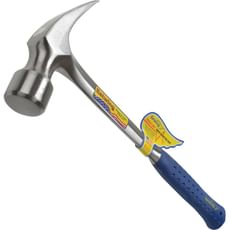
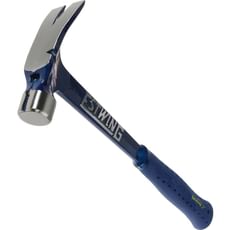
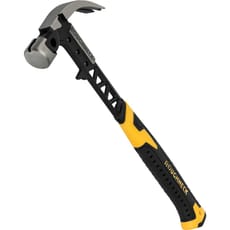
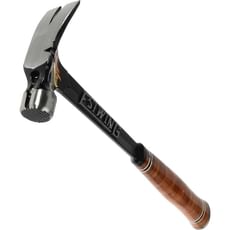
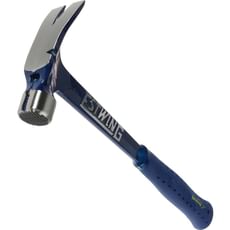
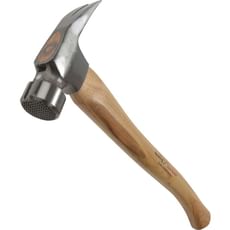
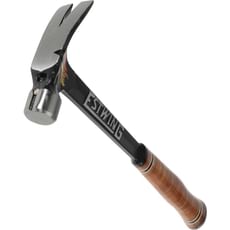
 Loading...
End of content
Error - No more pages to load
About Framing Hammers
Framing hammers are specialised heavy-duty striking tools engineered specifically for the demanding work of timber frame construction, roofing, and structural carpentry. Unlike standard claw hammers designed for general DIY tasks, framing hammers feature substantially longer handles (typically 400-450mm) for increased leverage and striking power, heavier heads (usually 567-680g or 20-24oz), and purpose-built design features that make them indispensable for professional carpenters, roofers, and construction workers tackling large-scale structural projects.
The key distinguishing characteristics of a professional framing hammer include a milled or waffle-pattern striking face that grips nail heads to prevent slipping during rapid work, a longer handle for powerful single-blow driving of large framing nails into structural timber, and either a straight claw (rip claw) for demolition work or a curved claw for versatile nail extraction. Many professional-grade framing hammers also incorporate shock-reduction technology in the handle to minimise fatigue and reduce the risk of repetitive strain injuries during extended use on building sites.
The selection at Tooled-Up.com features framing hammers from Estwing, one of the most respected names in professional striking tools with decades of proven performance on UK construction sites. Whether you're looking for a traditional straight claw design for heavy timber framing and demolition work or a more versatile curved claw model for general structural carpentry, the range offers the durability and performance that British tradespeople demand for daily site work. Estwing's legendary one-piece forged steel construction eliminates the risk of loose heads—a common failure point in lesser hammers—making them a worthwhile investment for professionals who depend on their tools.
Jargon Buster
- Milled Face
- A striking face with a waffle or crosshatch pattern that grips nail heads on impact, preventing glancing blows and improving driving accuracy when working at speed on framing projects.
- Straight Claw (Rip Claw)
- A straight nail-pulling claw design particularly effective for levering apart timber frames and demolition work, as well as extracting nails from awkward positions where curved claws cannot reach.
- Shock Reduction Technology
- Engineering built into the handle to absorb impact vibrations, reducing strain on the wrist, elbow, and shoulder during repetitive striking—essential for preventing long-term injuries like tennis elbow.
- One-Piece Forged Construction
- A design where the head and handle are forged from a single piece of steel, eliminating the risk of the head becoming loose—a hallmark of professional-grade tools like Estwing hammers.
- Head Weight
- The mass of the hammer head, typically measured in grams or ounces. Framing hammers generally range from 567g (20oz) to 850g (30oz), with heavier heads delivering more driving force per blow but requiring greater stamina.
- Overstrike Protection
- A reinforced section below the hammer head that protects the handle from damage when you miss the nail and strike the timber surface—extending tool life on demanding construction sites.
Who Uses Framing Hammers?
- Carpenters and Chippies – particularly those specialising in structural timber work and first-fix carpentry
- Roofers – for fixing battens, fascias, and structural roof components on both new builds and renovation projects
- Timber Frame Builders – specialists in timber frame house construction, extensions, and oak frame structures
- Decking Installers – professionals building outdoor timber structures requiring heavy-duty fastening
- Formwork Carpenters – tradespeople constructing temporary timber structures for concrete pours
- Shopfitters – for structural work behind retail and commercial installations
- General Builders – working on new-build projects and extensions requiring timber framing
- Renovation Specialists – particularly those working on structural alterations and demolition work
- Serious DIY Enthusiasts – undertaking substantial home improvement projects like loft conversions, garage builds, or timber outbuildings
How to Choose the Right Framing Hammers
Head Weight and Power: Consider the scale of your typical projects. A 567g (20oz) hammer offers good power with less fatigue for all-day use, whilst heavier 680-850g (24-30oz) models deliver maximum driving force for the largest framing nails but require more stamina. Most professional chippies find 567-680g the sweet spot for versatility between power and comfort.
Claw Style: Straight claws excel at demolition work and levering apart timber frames, making them popular with renovation specialists and formwork carpenters. Curved claws offer better mechanical leverage for nail extraction and are more versatile for general carpentry tasks. Consider which function you'll use most frequently on your typical jobs.
Face Pattern: A milled or waffle face grips nail heads securely and is essential for rapid nail driving without slipping, though it can leave impressions on timber surfaces. Smooth faces are cleaner but more prone to glancing blows—milled faces are standard for professional framing work where speed and accuracy matter.
Handle Material and Shock Absorption: Look for hammers with integrated shock-reduction technology if you're using the tool daily. Steel handles with nylon-vinyl grips (like those on Estwing models) offer excellent durability and vibration dampening. Handle length matters too—longer handles (400-450mm) provide more driving power but require more working space.
Construction Quality: One-piece forged construction eliminates the risk of loose heads and offers superior durability for professional use. Check for overstrike protection to extend handle life, and ensure the grip material is comfortable and won't deteriorate with exposure to site conditions and hand sweat.
Brand Reputation: Established brands like Estwing have decades of proven performance on building sites across the UK. Their framing hammers are legendary for lasting entire careers, making them a worthwhile investment despite higher initial cost compared to budget alternatives that may need replacing after months of professional use.
Popular Accessories
- Tool Belts and Pouches – professional carpenter's belts from brands like Snickers with dedicated hammer loops for safe carrying on site
- Nail Bags and Aprons – for keeping framing nails organised and accessible whilst working at height
- Framing Nails – bulk supplies of 75-100mm galvanised or bright steel framing nails from suppliers like Timco, suitable for structural work
- Tool Lanyards – essential safety equipment for securing hammers when working on roofs or scaffolding
- Protective Grips – aftermarket grip tape or sleeves for enhanced comfort during extended use
- Chalk Lines and Marking Tools – from Stanley and other brands, for accurate timber layout before fastening
- Speed Squares – essential companions for framing work, ensuring accurate cuts and nail placement
- Safety Glasses – vital PPE to protect against flying nail fragments and timber splinters
- Work Gloves – from brands like Portwest or DeWalt for hand protection without compromising grip
- Tool Storage Solutions – Stanley FatMax, DeWalt TSTAK, or Milwaukee PACKOUT systems for secure tool transport
Safety Information
Personal Protective Equipment: Always wear safety glasses or goggles when using framing hammers, as striking metal-on-metal contact can produce sharp fragments. Steel toe-capped boots are essential on construction sites to protect against dropped tools and falling materials. Consider wearing work gloves with good grip, though some professionals prefer bare hands for better tool control.
Tool Condition: Regularly inspect your framing hammer for damage, particularly checking for mushrooming on the striking face (which should be ground smooth), cracks in the handle, and secure grip material. Damaged tools should be repaired or replaced immediately to prevent injury. Keep the striking face clean and free from oil or grease to prevent nail slippage.
Proper Technique: Maintain a firm but relaxed grip and let the hammer's weight do the work rather than forcing blows, which increases fatigue and reduces accuracy. Be aware of your surroundings when swinging, particularly when working alongside other tradespeople. Never strike hardened steel with a framing hammer—use a club hammer or engineer's hammer for masonry work instead.
Working at Height: When using framing hammers on roofs, scaffolding, or ladders, always use a tool lanyard to prevent drops that could injure people below. Follow HSE guidelines for working at height, and ensure tools are properly secured when not in immediate use. Store hammers safely when moving between working positions to prevent trip hazards.
Frequently Asked Questions
What's the difference between a framing hammer and a standard claw hammer?
Framing hammers are heavier (typically 567-680g vs 450-567g), have longer handles (400-450mm vs 300-350mm), and feature milled striking faces for better nail grip. They're designed specifically for driving large framing nails into structural timber with fewer blows, making them more efficient for construction work. Standard claw hammers are lighter and more versatile for general DIY and finish carpentry where precision matters more than driving power.
Why do professional carpenters prefer straight claw framing hammers?
Straight claws (rip claws) excel at demolition work and levering apart timber frames, which is common in renovation and structural work. They can also reach into tighter spaces for nail extraction. However, curved claws offer better mechanical advantage for pulling nails, so the choice often comes down to the specific type of carpentry work you undertake most frequently. Many chippies keep both types for different applications.
How do I maintain my framing hammer?
Keep the striking face clean and occasionally dress it with a file if mushrooming occurs. Store the hammer in a dry environment to prevent rust on steel handles. One-piece steel construction hammers like Estwing models require minimal maintenance beyond cleaning and checking the grip condition for wear. If the nylon-vinyl grip becomes loose or damaged, replacement grips are available from specialist tool suppliers.
Can I use a framing hammer for other types of work?
While framing hammers can handle most heavy striking tasks, they're not ideal for finish carpentry where the milled face would mark timber surfaces, or for delicate work where their weight makes precision difficult. They're also too light for demolition work requiring a lump hammer or sledge. For best results and tool longevity, use framing hammers primarily for their intended purpose: structural timber work with large nails.
Are expensive framing hammers worth the investment?
For professional tradespeople using a framing hammer daily, premium brands like Estwing represent excellent value over time. Their one-piece forged construction eliminates loose head failures, shock-reduction technology prevents injury, and superior materials ensure decades of reliable service. A quality framing hammer costing £40-70 can easily outlast multiple budget alternatives whilst providing better comfort and performance throughout its working life—making it a sound investment for serious professionals.