

Fret Saws

Pay in 3 interest-free payments on purchases from £20-£3000 with  . Learn more.

 Loading...
End of content
Error - No more pages to load
About Fret Saws
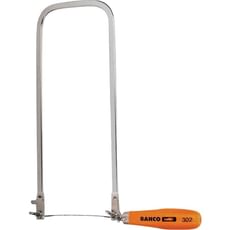
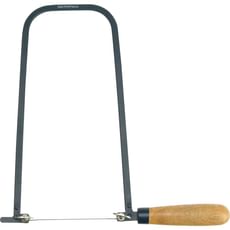
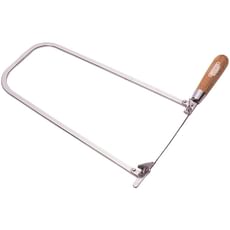
Fret saws are precision hand tools designed for making intricate, detailed cuts in thin materials such as wood, plastic, and soft metals. Characterised by their distinctive bow-shaped frame and fine blade, fret saws excel at creating curved lines, tight corners, and delicate patterns that would be impossible with standard handsaws. The narrow blade can be rotated within the frame, allowing craftsmen to navigate complex shapes whilst maintaining excellent control and accuracy. This makes them indispensable for marquetry work, model making, and any application requiring fine, detailed cutting.
Tooled-Up.com stocks a carefully selected range of fret saws from trusted brands including Bahco, Draper, and Faithfull. These professional-quality tools feature adjustable frames to accommodate various blade lengths, comfortable handles for extended use, and robust construction that ensures longevity even with regular workshop use. Whether you're a professional furniture maker crafting bespoke pieces or a hobbyist working on detailed marquetry, a quality fret saw is an essential addition to your toolkit.
Modern fret saws typically feature throat depths ranging from 130mm to 165mm, allowing you to cut well into the centre of large panels. The tensioning mechanism keeps blades taut for clean, accurate cuts, whilst the lightweight design reduces hand fatigue during prolonged cutting sessions. With the availability of various blade types and tooth configurations, fret saws offer remarkable versatility for detailed work across numerous applications, from delicate veneers to soft metal sheets.
Jargon Buster
- Throat Depth – The distance from the blade to the back of the frame, typically measured in millimetres (e.g., 130mm, 165mm). This determines how far into a workpiece you can cut from the edge, with deeper throats providing greater versatility for larger panels.
- TPI (Teeth Per Inch) – The number of teeth on the blade within one inch of length. Higher TPI numbers produce finer, smoother cuts but cut more slowly, whilst lower TPI removes material faster but leaves a rougher finish. Typical fret saw blades range from 18 to 48 TPI.
- Blade Tension – The tightness of the blade within the frame, adjusted using the tensioning mechanism. Proper tension is crucial for straight, accurate cuts and prevents blade wandering or breaking during use.
- Kerf – The width of the cut made by the blade. Fret saw blades produce a very narrow kerf, minimising material waste and allowing for extremely tight curves and intricate patterns with minimal cleanup.
- Pin-End vs Plain-End Blades – Pin-end blades have small pins at each end for quick attachment, whilst plain-end blades require securing with small clamps or screws. Plain-end blades offer greater versatility and are more commonly used in professional settings.
- Bow Depth – Another term for throat depth, referring to the curved frame's capacity measured from blade to back. The deeper the bow, the further you can cut from a workpiece edge.
Who Uses Fret Saws?
Fret saws are essential tools for various trades and crafts, including:
- Cabinet Makers and Joiners – for creating decorative inlays, dovetails, and intricate joinery details in fine furniture
- Luthiers – instrument makers who require precision cuts for soundboards, bridges, and decorative rosettes on guitars and violins
- Model Makers – professionals creating architectural models, prototypes, and scale replicas requiring fine detail work
- Marquetry and Intarsia Artists – craftspeople producing decorative veneered surfaces with complex patterns and imagery
- Furniture Restorers – specialists repairing or recreating delicate components in antique pieces where precision is paramount
- Picture Framers – for cutting intricate corner details, mitres, and decorative elements in wooden frames
- Jewellery Makers – working with soft metals like brass and copper, and synthetic materials requiring fine cutting
- DIY Enthusiasts and Hobbyists – home craftspeople engaged in woodworking projects requiring detailed cuts and intricate patterns
How to Choose the Right Fret Saws
Selecting the appropriate fret saw depends on several key factors:
Throat Depth: Consider the maximum distance you'll need to cut from the edge of your workpieces. A 130mm throat depth suits most general applications, whilst deeper frames provide greater versatility for larger panels. The Bahco Fretsaw offers a practical 130mm depth ideal for typical workshop tasks, whilst some models extend to 165mm for more demanding work.
Frame Quality and Material: Look for rigid steel frames that resist flexing during use. Quality brands like Draper Expert and Faithfull construct their frames from hardened, plated steel, ensuring consistent blade tension and accurate cuts. A well-made frame should feel solid without excessive weight that would cause fatigue.
Handle Comfort: Ergonomic wooden or composite handles reduce hand fatigue during extended cutting sessions. The selection at Tooled-Up.com features models with comfortable beech wood handles that provide excellent grip and control without causing pressure points during prolonged use.
Blade Compatibility: Ensure your chosen fret saw accommodates standard blade sizes and types. Most quality fret saws accept both pin-end and plain-end blades, offering greater flexibility for different applications and materials. Check the blade mounting system is easy to operate for quick changes.
Tensioning Mechanism: A reliable, easy-to-adjust tensioning system is crucial for maintaining proper blade tautness. Wing nuts or lever mechanisms should allow quick blade changes whilst maintaining consistent tension throughout your work. Quality models from Bahco, Draper, and Faithfull feature dependable tensioning systems that remain secure during use.
Build Quality: Professional-grade fret saws justify their investment through superior materials, precise manufacturing, and longevity. Whilst budget options exist, established brands typically offer better performance and durability for regular workshop use, making them more economical long-term.
Popular Accessories
Enhance your fret saw's capability and maintain optimal performance with these essential accessories:
- Fret Saw Blades – available in various TPI ratings from 18 to 48 for different materials and cut qualities; stock multiple types for versatility across wood, plastic, and soft metal applications
- Cutting Tables and V-Boards – specialised work surfaces that support intricate cutting whilst providing clearance for the blade beneath the workpiece
- Bench Hooks – secure workpieces safely during cutting operations, preventing movement and improving accuracy
- Marking Tools – pencils, marking gauges, and scribes for accurate pattern transfer onto your workpiece surface
- Clamps and Vices – hold work securely, especially when cutting internal shapes requiring blade threading through pilot holes
- Magnifying Lamps – illuminate and enlarge intricate work for improved accuracy when following complex patterns
- Fine Abrasives – sandpaper and needle files for smoothing cut edges and perfecting detailed work
- Blade Lubricant – reduces friction and extends blade life when cutting metals or plastics, preventing heat buildup
Safety Information
Whilst fret saws are relatively safe hand tools, observe these important precautions:
Eye Protection: Always wear safety glasses or goggles when using a fret saw. Fine particles and small offcuts can be ejected during cutting, particularly when working with brittle materials like plastic or thin metals.
Secure Workpieces: Never hold small pieces by hand whilst cutting. Use clamps, vices, or specialised cutting tables to secure your work safely. This prevents slips that could result in blade breakage or hand injuries from the fine but sharp blade.
Blade Condition: Inspect blades before use and replace any that are damaged, bent, or excessively worn. Broken blades can cause injury and damaged blades produce poor-quality cuts requiring additional finishing work. Keep spare blades in stock for immediate replacement.
Proper Technique: Maintain controlled, steady strokes without forcing the blade through the material. Excessive pressure can cause blade breakage and reduces cutting accuracy. Let the blade do the work at its own pace, particularly in harder materials.
Workspace Organisation: Keep your work area well-lit and free from clutter. Good visibility is essential for following intricate cutting lines accurately and safely. Adequate lighting prevents eyestrain during detailed work.
Hand Position: Keep fingers and hands clear of the cutting line and blade path. Support work from beneath or to the sides, never directly in front of the blade's direction of travel. Maintain awareness of blade position throughout each stroke.
Frequently Asked Questions
What's the difference between a fret saw and a coping saw?
Whilst both tools cut curves, fret saws have deeper frames (allowing cuts further from edges), finer blades, and are designed for more intricate, delicate work. Coping saws have shorter, stouter frames, coarser blades, and excel at heavier cutting tasks like scribing architraves and cutting thicker materials. Fret saws are the tool of choice for detailed marquetry and veneer work, whilst coping saws suit general carpentry tasks requiring tight curves in thicker stock.
Can I cut metal with a fret saw?
Yes, fret saws can cut soft metals such as brass, copper, and aluminium when fitted with appropriate metal-cutting blades. Use blades with higher TPI (32-48) specifically designed for metalwork, apply cutting lubricant to reduce friction and heat, and work with steady, controlled strokes. Fret saws are not suitable for hardened steel or thick ferrous metals, which require different cutting tools.
How do I cut an internal shape without a starting hole?
For internal cuts, you'll need to drill a small pilot hole within the waste area, detach one end of the blade from the frame, thread it through the hole, then reattach and tension the blade. This allows you to cut internal shapes without accessing from the edge. Use the smallest drill bit practical (typically 2-3mm) to minimise visible marks in your finished piece.
Why does my blade keep breaking?
Blade breakage typically results from excessive tension, forcing the cut, twisted or kinked blades, or attempting to cut material too thick for the blade's specification. Ensure proper blade tension (taut but not over-tight), let the blade cut at its own pace without forcing, and check you're using the correct TPI for your material. Replace blades showing signs of fatigue before they break during use, and ensure the blade is properly aligned in the frame.
How often should I replace fret saw blades?
Replace blades when you notice reduced cutting efficiency, rough cut edges, or blade wandering during cuts. With proper use and appropriate material selection, quality blades should last through multiple projects. However, blades are consumable items and relatively inexpensive, so replace them as soon as performance declines rather than persisting with worn blades that produce inferior results and require more effort. Professional users often replace blades more frequently to maintain consistent cutting quality.