

Fuel Heaters

Pay in 3 interest-free payments on purchases from £20-£3000 with  . Learn more.
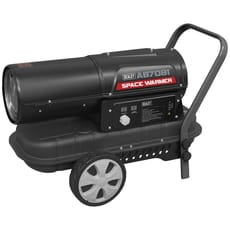
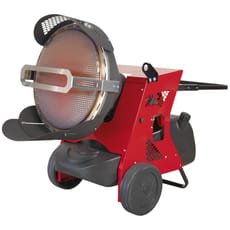
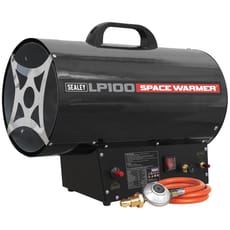
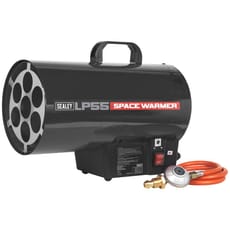
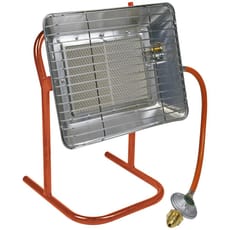
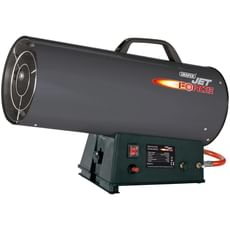
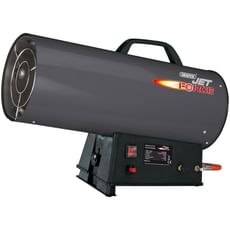
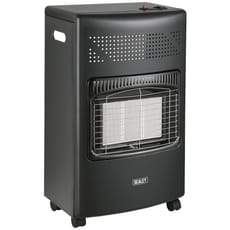
 Loading...
End of content
Error - No more pages to load
About Fuel Heaters
Fuel heaters are powerful heating solutions designed to deliver substantial warmth in locations where mains electricity is unavailable, impractical, or insufficient for the heating demands. These robust systems burn various fuels including diesel, paraffin, propane, and gas to generate impressive heat outputs, making them indispensable for construction sites, warehouses, workshops, agricultural buildings, and outdoor events. Unlike electric heaters limited by 240v power supplies and circuit capacity, fuel heaters offer exceptional flexibility to operate in remote locations, efficiently heating large spaces that would be prohibitively expensive using conventional electric heating methods.
The fuel heater range at Tooled-Up.com encompasses several distinct categories to suit different applications and fuel preferences. Cabinet heaters provide enclosed, controlled heating ideal for workshop environments, whilst diesel heaters deliver high-output warmth perfect for demanding commercial applications and construction sites. Gas heaters and propane heaters offer clean-burning alternatives with instant heat, particularly popular where convenience and portability are priorities. Paraffin heaters remain a cost-effective choice for steady, reliable heating in agricultural and industrial settings, and space heaters provide versatile portable solutions that can be positioned wherever temporary warmth is needed most urgently.
Whether heating a construction site through winter months, maintaining comfortable temperatures in an unheated warehouse, accelerating drying times for plaster and concrete, or providing temporary warmth during renovation projects, selecting the appropriate fuel heater ensures efficient operation whilst managing running costs effectively. Modern fuel heaters incorporate advanced safety features including flame-failure devices, tip-over protection, and overheat cut-outs, meeting stringent HSE requirements for workplace heating equipment used across British construction sites and commercial premises.
Jargon Buster
- BTU (British Thermal Unit) - The standard measurement of heat output, indicating how much energy a heater produces. A higher BTU rating means greater heating capacity for larger spaces, with commercial diesel heaters often exceeding 100,000 BTU.
- Direct-Fired vs Indirect-Fired - Direct-fired heaters expel combustion gases directly into the heated space, requiring excellent ventilation. Indirect-fired models use a heat exchanger and flue system to exhaust gases outside, allowing safer operation in enclosed areas.
- Forced Air Heating - A heating method where a fan blows air across a heat exchanger or flame, rapidly distributing warm air throughout the space. Common in diesel and propane heaters for quick temperature increases on construction sites.
- Radiant Heating - Heat transfer through infrared radiation that warms objects and people directly rather than heating the air. Ideal for draughty environments where heated air would quickly dissipate, such as open-sided workshops and outdoor events.
- Thermostat Control - An automatic temperature regulation system that cycles the heater on and off to maintain a set temperature, significantly improving fuel efficiency and preventing overheating whilst reducing consumption costs.
- Run Time - The duration a heater operates on a single tank of fuel, typically measured in hours. Critical for planning fuel requirements on remote sites without easy refuelling access, with larger capacity tanks extending operational periods.
Who Uses Fuel Heaters?
Fuel heaters serve a diverse range of trades and industries where reliable heating is essential:
- Construction Workers & Site Managers - maintaining safe working temperatures, accelerating drying times for plaster, concrete, and paint, and protecting materials from frost damage
- Agricultural Workers & Farmers - heating barns, protecting livestock during lambing seasons, preventing frost damage in outbuildings, and maintaining polytunnels
- Warehouse & Logistics Managers - providing cost-effective heating in large storage facilities, distribution centres, and loading bays where conventional heating is impractical
- Event Organisers & Marquee Companies - temporary heating for outdoor events, weddings, exhibitions, and seasonal hospitality venues
- Groundskeepers & Landscapers - protecting plants in polytunnels, thawing frozen ground, and maintaining working conditions during winter maintenance programmes
- Garage & Workshop Owners - creating comfortable working environments in unheated industrial units, vehicle repair shops, and manufacturing facilities
- Renovation & Restoration Specialists - drying out damp buildings, accelerating paint curing, and providing heat during property refurbishments where central heating is disconnected
- Industrial Maintenance Teams - emergency heating during boiler failures, temporary warmth in areas without central heating, and keeping machinery operational in cold conditions
How to Choose the Right Fuel Heaters
Space Size and Heating Requirements: Calculate the volume of your space in cubic metres to determine the BTU output needed. As a general guide, you'll require approximately 100-150 BTU per square metre, though insulation quality, ceiling height, and draughtiness significantly affect this. Larger construction sites and industrial warehouses benefit from high-output diesel heaters exceeding 100,000 BTU, whilst smaller workshops may only require paraffin or gas models producing 20,000-40,000 BTU.
Fuel Type Availability and Cost: Consider which fuel is most readily available and economical in your location. Diesel heaters offer excellent heat output and efficiency for continuous use, propane provides clean burning with easy cylinder replacement from local suppliers, whilst paraffin remains cost-effective for moderate heating needs. Gas heaters connected to mains supply eliminate refuelling requirements altogether, though they're limited to locations with existing gas infrastructure.
Ventilation and Flue Requirements: Assess whether your space has adequate ventilation or requires flued heating to safely exhaust combustion gases. Direct-fired heaters can operate in well-ventilated or semi-open spaces, whilst indirect-fired models with flue systems allow safe operation in enclosed areas, complying with HSE guidelines for workplace heating. Never operate unflued heaters in poorly ventilated spaces due to carbon monoxide risks.
Portability versus Output: Heavier diesel cabinet heaters deliver maximum heat output but require manual handling equipment or trolleys for repositioning around sites, whereas lighter paraffin and propane space heaters offer greater manoeuvrability. Consider whether you need a static heating solution for a fixed location or regular relocation between work areas throughout the day.
Running Costs and Fuel Consumption: Compare fuel consumption rates against your anticipated usage patterns and local fuel prices. Models with thermostat controls significantly reduce fuel consumption by cycling on and off to maintain target temperatures, whilst continuous-burn heaters without temperature regulation consume fuel at constant rates regardless of ambient conditions, increasing operational costs unnecessarily.
Safety Features: Products available from Tooled-Up.com prioritise heaters incorporating flame-failure devices that shut off fuel supply if the flame extinguishes, tip-over switches that cut power if knocked over, and overheat protection systems. These features are essential for compliance with workplace safety regulations, insurance requirements, and protecting both personnel and property.
Popular Accessories
- Fuel Storage Containers - approved jerry cans and fuel storage drums for diesel and paraffin, ensuring safe on-site fuel supplies compliant with COSHH regulations
- Propane Gas Cylinders - various sizes from portable 6kg bottles for small heaters to 47kg industrial cylinders, with appropriate regulators, hoses, and quick-connect fittings
- Thermostats and Controllers - aftermarket temperature control units for improving efficiency, maintaining consistent warmth, and reducing fuel consumption on heaters without integrated controls
- Extension Flue Kits - additional ducting, exhaust pipes, and chimney sections for safe venting in partially enclosed spaces and extending reach to exterior walls
- Heat Distribution Ducting - flexible aluminium pipes directing warm air to specific areas, multiple rooms, or hard-to-reach spaces from a single central heater
- Heater Stands and Trolleys - wheeled platforms improving portability across construction sites and protecting floors from heat damage and fuel spillages
- Carbon Monoxide Detectors - essential safety equipment for monitoring air quality when operating fuel-burning heaters indoors or in poorly ventilated areas
- Replacement Wicks and Burners - maintenance parts for paraffin heaters ensuring optimal combustion efficiency and heat output throughout the heating season
- Fuel Additives and Winterisation Products - diesel anti-gel treatments preventing fuel waxing in cold conditions, ensuring reliable starting during winter operation
- Fire Extinguishers - Class B extinguishers for liquid fuel fires and multi-purpose ABC extinguishers suitable for construction site heating equipment
Safety Information
Operating fuel heaters requires strict adherence to safety protocols to prevent fire hazards, carbon monoxide poisoning, and fuel-related incidents. Always position heaters on stable, level, non-combustible surfaces, maintaining clearance distances from walls, building materials, and flammable substances as specified in the manufacturer's instructions—typically at least 1 metre from combustible materials, with greater distances for higher-output models.
Ensure adequate ventilation when operating any fuel-burning heater indoors. Combustion consumes oxygen and produces carbon monoxide, a colourless, odourless gas that can be fatal in enclosed spaces. Install working carbon monoxide detectors meeting British Standards in enclosed spaces, and never operate unflued heaters in poorly ventilated areas or overnight in occupied sleeping quarters. Follow HSE guidelines for workplace heating, which mandate risk assessments before deploying fuel heaters on construction sites or in commercial premises.
Store fuel safely in approved containers meeting UK regulations, away from heat sources, ignition points, and direct sunlight. Never refuel a hot heater—allow it to cool completely before adding fuel, and always refuel outdoors or in well-ventilated areas. Keep suitable fire extinguishers (Class B for liquid fuels, Class A for general combustibles) readily accessible, and ensure all site workers understand emergency procedures and heater operation protocols.
Regularly inspect heaters for damage, leaks, worn fuel lines, or corroded components, and service equipment according to manufacturer schedules to maintain safe operation and warranty coverage. Comply with COSHH regulations regarding fuel storage and handling, providing appropriate PPE including gloves and eye protection when handling diesel, paraffin, or propane systems. Never modify fuel heaters, use incorrect fuel types, or bypass safety interlocks, as this voids safety certifications and creates serious hazards.
When using propane or gas heaters, check all connections for leaks using soapy water solutions before ignition, and never use damaged, perished, or non-approved hoses. Replace regulators according to manufacturer recommendations, and always turn off fuel supplies at the cylinder valve when heaters are not in use. Position cylinders upright in well-ventilated areas away from heat sources, and never store cylinders in occupied buildings or poorly ventilated enclosures.
Frequently Asked Questions
Can I use a fuel heater inside a building or workshop?
This depends on the heater type and available ventilation. Direct-fired heaters expel combustion gases into the room and require excellent ventilation or outdoor use only—they're unsuitable for enclosed workshops or site cabins. Indirect-fired models with proper flue systems can be used indoors with exhaust venting to the exterior. Always check the manufacturer's specifications and ensure compliance with HSE workplace heating guidelines. Install carbon monoxide detectors meeting British Standards and ensure adequate fresh air supply when operating any fuel heater in enclosed or semi-enclosed spaces.
What's the most economical fuel type for heating a construction site?
Diesel typically offers the best balance of heat output, efficiency, and cost for continuous site heating, especially in larger spaces or throughout winter months. Whilst fuel prices fluctuate, diesel heaters generally provide lower running costs per BTU than propane or paraffin for extended operation. However, for intermittent use, smaller areas, or situations requiring frequent repositioning, propane's convenience and clean burning may offset slightly higher fuel costs. Calculate your specific requirements based on space size, daily usage duration, insulation levels, and current local fuel prices to determine the most economical option.
How long will a fuel heater run on a single tank?
Run times vary dramatically depending on fuel tank capacity, heat output setting, and model efficiency. Small paraffin heaters may run 8-12 hours on a 5-litre tank at moderate settings, whilst large diesel heaters with 50-litre tanks can operate for 15-20 hours at maximum output, or considerably longer at reduced settings. Models with thermostat controls extend run times significantly by cycling on and off to maintain target temperatures rather than burning continuously. Always check the manufacturer's specifications for consumption rates, typically measured in litres per hour for liquid fuels or kg per hour for gas models.
Do fuel heaters require regular maintenance?
Yes, regular maintenance ensures safe operation, optimal efficiency, and equipment longevity. Clean or replace air filters monthly during heavy use to maintain proper combustion and prevent sooting. Inspect and clean burners annually, checking fuel lines for cracks, perishing, or leaks before each heating season. Paraffin heaters require wick trimming and eventual replacement according to manufacturer schedules for efficient burning. Have diesel and propane heaters professionally serviced annually, particularly if used commercially, to maintain safety certifications, warranty coverage, and compliance with workplace equipment regulations. Keep combustion chambers clean and free from carbon deposits for efficient fuel burning and optimal heat output.
Are fuel heaters suitable for overnight use in site cabins?
Only specifically designed, indirect-fired heaters with proper flue systems and appropriate safety certifications should be considered for overnight use in occupied spaces. Never leave direct-fired or unflued heaters operating unattended or whilst people are sleeping, as this creates serious carbon monoxide poisoning risks that have resulted in fatalities on UK construction sites. Many tradespeople use 240v electric heaters with thermostats for overnight cabin heating where mains power is available, reserving fuel heaters for daytime workspace heating only. If overnight fuel heating is absolutely essential, install properly flued systems with carbon monoxide alarms, automatic shut-off features, and flame-failure devices, ensuring compliance with HSE guidance and insurance requirements.