

Fuel Spill Kits

Pay in 3 interest-free payments on purchases from £20-£3000 with  . Learn more.

 Loading...
End of content
Error - No more pages to load
About Fuel Spill Kits
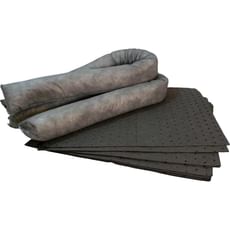
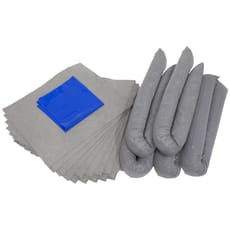
Fuel spill kits are essential safety equipment designed to quickly contain, absorb and clean up hazardous liquid spills in workshops, industrial sites, warehouses and transport yards. Whether dealing with diesel, petrol, hydraulic oil or other petroleum-based fluids, having the right spill response equipment on hand isn't just good practice—it's a legal requirement under HSE and COSHH regulations. These specialised kits contain absorbent materials specifically formulated to tackle hydrocarbon spills, preventing environmental contamination and reducing workplace slip hazards.
The selection at Tooled-Up.com includes everything from compact emergency response kits suitable for small workshops to large-capacity drum spill pallets designed for bulk fuel storage areas. Leading brands like Scan, Draper, Armorgard and Sealey provide professional-grade solutions that meet UK safety standards. Absorbent pads, socks, containment pallets and complete spill response kits ensure you're prepared for anything from minor drips to major spillages.
Choosing the right fuel spill kit depends on the type and volume of liquids you store, the size of your facility, and specific industry requirements. Many businesses require multiple solutions—drum spill pallets for storage areas combined with portable spill kits for rapid response. With proper spill control equipment, you can protect your workforce, comply with environmental regulations, and respond effectively to fuel and oil emergencies.
Jargon Buster
- Absorbent Capacity: The maximum volume of liquid a spill kit can absorb, typically measured in litres. Kits are rated for different spill sizes, from small 20-litre kits to large 200+ litre capacity solutions.
- Hydrophobic Absorbents:Specialised materials that repel water but readily absorb oil and fuel-based liquids. Essential for fuel spill kits as they won't become saturated in wet conditions and can be used on water surfaces.
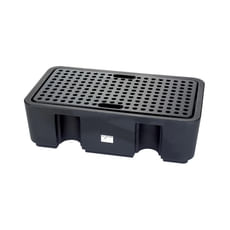
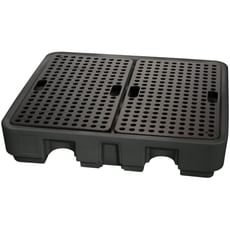
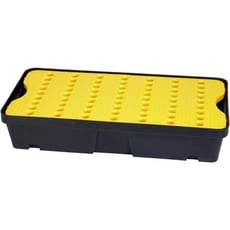
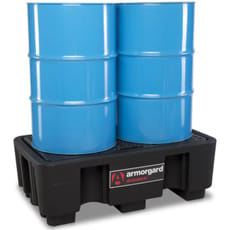
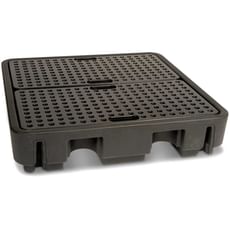
- Spill Pallet/Bund: A containment platform designed to store drums, IBCs or containers whilst capturing any leaks or spills. Must have minimum capacity of 110% of the largest container or 25% of total stored volume under UK regulations.
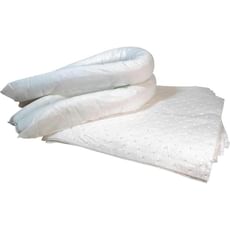
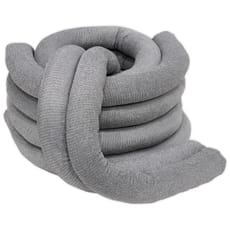
- Absorbent Socks/Booms: Tubular absorbent materials used to surround and contain spreading liquids, preventing spills from reaching drains or spreading across larger areas.
- COSHH Regulations: Control of Substances Hazardous to Health—UK legislation requiring businesses to prevent or adequately control exposure to hazardous substances, including proper spill response equipment.
- Disposal Bags: Heavy-duty bags included in spill kits for safe containment and disposal of used absorbent materials, which must be treated as hazardous waste according to environmental regulations.
Who Uses Fuel Spill Kits?
- Vehicle workshops and garages: Motor mechanics, MOT centres and vehicle repair facilities handling oils, fuels and hydraulic fluids
- Agricultural contractors: Farmers and agricultural engineers storing diesel, oils and farm machinery fluids
- Construction sites: Site managers and plant operators maintaining fuel supplies for generators, excavators and machinery
- Transport and logistics: Haulage companies, fleet operators and distribution centres with refuelling facilities
- Manufacturing facilities: Production managers in factories using oils, lubricants and hydraulic systems
- Maintenance engineers: Building services engineers and facilities managers responsible for boiler rooms and plant equipment
- Marine and harbour facilities: Boatyards, marinas and dockside operations handling marine fuels
- Fuel distributors: Heating oil suppliers and fuel delivery companies requiring emergency spill response capability
- Environmental officers: Compliance managers ensuring workplace adherence to HSE and environmental protection standards
How to Choose the Right Fuel Spill Kits
Assess Your Storage Volumes: Calculate the total volume of fuel and oil stored on your premises. Spill pallets must meet the minimum 110% containment rule, whilst portable spill kits should have capacity appropriate to your largest potential spill scenario. A two-drum workshop requires different solutions than a four-drum storage area.
Consider Your Spill Risk Areas: Identify where spills are most likely—refuelling points, drum storage, machinery maintenance areas and transfer operations. Position portable spill kits near high-risk zones for rapid response, whilst spill pallets provide permanent containment for storage locations.
Select Appropriate Absorbent Types: Oil and fuel spill kits use hydrophobic absorbents that won't absorb water, making them effective outdoors and in wet conditions. General purpose kits absorb all liquids but may not be suitable for hydrocarbon-specific applications. Chemical spill kits tackle aggressive substances requiring different absorbent materials.
Kit Size and Portability: Small workshops might need a compact 20-30 litre spill kit in a portable container, whilst larger facilities require multiple strategically-placed kits. Consider wheeled bins for larger capacity kits, making them easier to transport to spill locations across bigger sites.
Compliance Requirements: Ensure your spill control measures meet HSE and COSHH regulations for your industry. Environmental permits, pollution prevention requirements and insurance conditions often mandate specific spill response capabilities. Keep documentation of kit locations and staff training.
Maintenance and Refills: Spill kit contents have shelf lives and require periodic inspection. Choose kits with readily available refill components from brands like Scan, Draper and Sealey. Budget for replacing used materials and refreshing kits according to expiry dates.
Popular Accessories
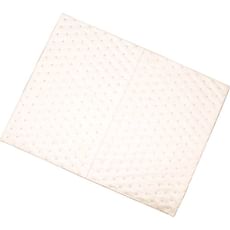
- Additional Absorbent Pads: Top-up supplies of oil and fuel absorbent pads for regular use or replenishing used kit contents
- Absorbent Socks and Booms: Extra containment materials for larger spills or protecting vulnerable areas like drains
- Disposal Bags: Heavy-duty waste sacks rated for hazardous materials, essential for compliant disposal of contaminated absorbents
- PPE Equipment: Chemical-resistant gloves, safety goggles and protective overalls for personnel dealing with fuel spills
- Spill Signage: Warning signs and barriers to cordon off contaminated areas during clean-up operations
- Drip Trays: Placed under machinery, equipment or small containers to catch minor leaks before they become spills
- Drum Handling Equipment: Drum trucks, rotators and dispensing pumps reducing spill risks during fuel transfer operations
- Storage Cabinets: COSHH-compliant storage for keeping spill kits protected, organised and readily accessible
Safety Information
Proper use of fuel spill kits is essential for workplace safety and environmental protection. Under COSHH regulations, employers must assess risks from hazardous substances including fuels and oils, then implement appropriate control measures—spill kits form a critical part of this requirement. All personnel should receive training on spill response procedures, kit locations and correct use of absorbent materials.
When responding to fuel spills, always wear appropriate PPE including chemical-resistant gloves and eye protection. Ensure adequate ventilation as fuel vapours are flammable and potentially harmful. Contain spills immediately using absorbent socks to prevent spreading, particularly towards drains where fuel can cause serious environmental pollution. The Environment Agency can impose substantial fines for fuel entering watercourses.
Used absorbent materials contaminated with fuel must be disposed of as hazardous waste through licensed carriers—never dispose of them in general waste bins. Spill pallets and bunds must be regularly inspected for damage, with any collected liquids removed promptly. Maintain records of spill incidents, response actions and kit usage for compliance audits. Replace used spill kit components immediately to ensure continuous emergency response capability.
Frequently Asked Questions
What's the difference between fuel spill kits and general purpose spill kits?
Fuel spill kits contain hydrophobic (water-repelling) absorbents specifically designed for hydrocarbon-based liquids like diesel, petrol and oils. These absorbents float on water and won't become saturated in wet conditions, making them ideal for outdoor use. General purpose kits absorb all liquids including water, making them less effective for fuel spills and potentially causing them to become waterlogged before absorbing the fuel.
What size spill pallet do I need for my drums?
UK regulations require spill pallets to hold at least 110% of the largest container's capacity, or 25% of the total stored volume—whichever is greater. For a standard 205-litre drum, you need minimum 225-litre capacity. Two-drum pallets typically offer 250 litres capacity, whilst four-drum pallets provide 450+ litres. Always check the sump capacity specification matches your storage requirements.
How often should I replace my spill kit contents?
Inspect spill kits every 3-6 months for damaged packaging, moisture contamination or degraded materials. Most absorbent materials have a 5-year shelf life if stored correctly in sealed packaging. Replace any used components immediately after a spill incident. Keep a log of inspection dates and component expiry to maintain compliance and ensure your kit remains effective when needed.
Do I legally need a fuel spill kit?
If you store oil or fuel above 200 litres, you're subject to Oil Storage Regulations requiring appropriate containment. COSHH regulations mandate control measures for hazardous substances including adequate spill response equipment. Environmental permits often specify spill kit requirements. Even below these thresholds, having spill response capability available from Tooled-Up demonstrates due diligence and protects against Environmental Agency penalties for pollution incidents.
Can I use the same spill kit for different types of liquids?
Whilst some general purpose kits handle multiple liquid types, it's best practice to match kits to specific hazards. Fuel and oil kits won't effectively absorb water-based chemicals, whilst chemical spill kits may not contain the right absorbents for hydrocarbons. Facilities handling multiple substance types should maintain separate, clearly-labelled kits positioned near relevant storage areas to ensure effective emergency response.