

G Clamps

Pay in 3 interest-free payments on purchases from £20-£3000 with  . Learn more.
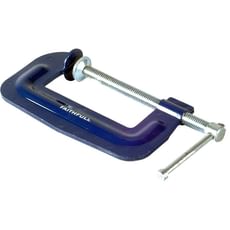
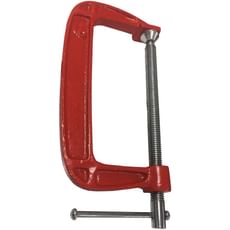
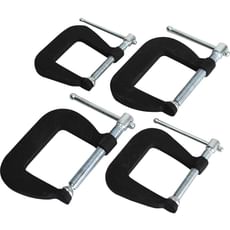
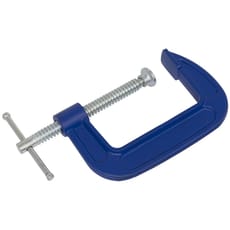
 Loading...
End of content
Error - No more pages to load
About G Clamps
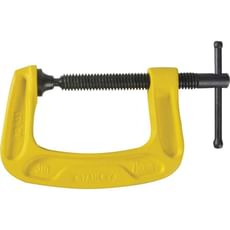
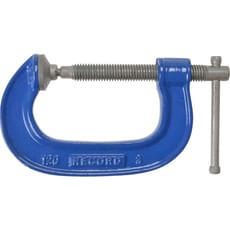
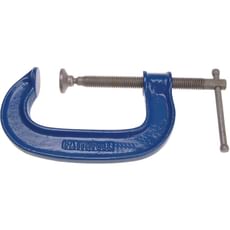
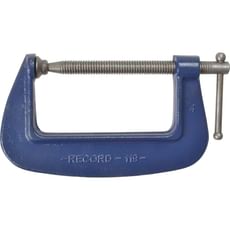
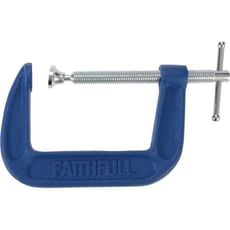
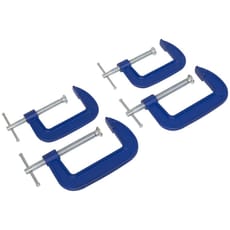
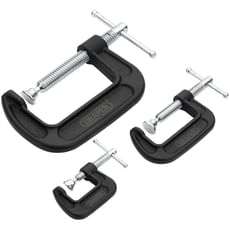
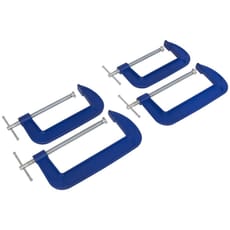
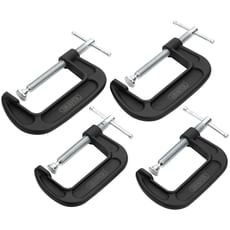
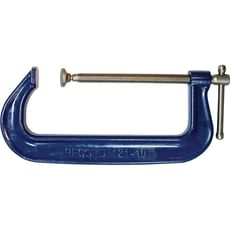
G clamps, also known as C clamps due to their distinctive curved frame shape, are essential metalworking and woodworking tools designed to secure workpieces firmly in place during cutting, drilling, gluing, welding, or assembly operations. Their robust, typically all-metal construction makes them incredibly durable and capable of applying substantial clamping pressure, which is why they remain a staple in workshops, factories, and on building sites across the UK despite the availability of modern quick-release alternatives.
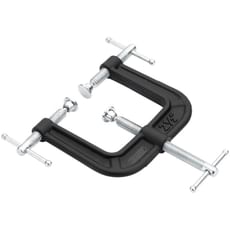
Tooled-Up.com stocks an extensive range of G clamps from trusted brands including Draper, Sealey, Faithfull, Record, Bessey, Stanley, and Facom. The selection encompasses everything from compact 25mm clamps perfect for small assemblies and precision work, through to heavy-duty forged models with throat depths exceeding 300mm for larger fabrication projects. Available in various configurations including standard G clamps, deep throat models for reaching further into workpieces, quick-release versions for faster operation, one-handed ratchet clamps for convenience, three-way clamping designs for versatile angles, and specialist copper-plated clamps for welding applications, there's a G clamp to suit every trade and task.
Modern G clamps have evolved beyond the basic cast iron design, with manufacturers now offering features such as one-handed ratchet mechanisms for single-handed operation, three-way clamping angles for complex assemblies, protective caps to prevent surface damage, and ergonomic handles for improved comfort during extended use. Whether you're a professional fabricator, joiner, or DIY enthusiast, investing in quality G clamps from established brands ensures reliable performance and years of service in demanding workshop environments.
Jargon Buster
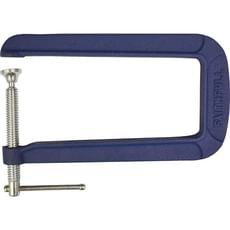
- Throat Depth: The distance from the screw thread centreline to the inside edge of the frame. This determines how far into a workpiece you can clamp from its edge. Deep throat G clamps offer greater reach for larger assemblies or when working away from material edges.
- Clamping Capacity (Jaw Opening): The maximum distance between the fixed upper jaw and the movable lower pad when the screw is fully extended. Measured in millimetres, this determines the thickness of material the clamp can accommodate.
- Swivel Pad: A rotating contact plate on the end of the screw thread that adjusts to match angled or uneven surfaces, distributing pressure evenly and preventing the clamp from slipping during use. Ball socket versions offer even greater articulation.
- Forged vs Cast Construction: Forged G clamps are made from heated and hammered steel, offering superior strength and durability for heavy-duty applications with clamping forces up to 18,000 N. Cast clamps are made by pouring molten metal into moulds, typically more economical but potentially less resilient under extreme loads.
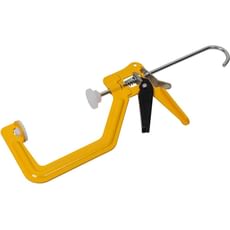
- Quick Release Mechanism: A trigger or lever system that allows rapid loosening and removal of the clamp without having to wind the screw thread all the way back, saving considerable time when repositioning workpieces.
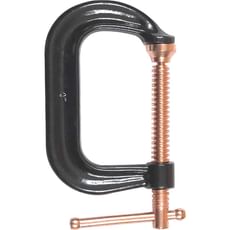
- Copper Plated Spindle: G clamps with copper coating used specifically in welding applications where the non-ferrous coating prevents weld splatter from adhering to the clamp threads, making cleanup easier and extending tool life in fabrication environments.
Who Uses G Clamps?
G clamps are versatile tools used across numerous trades and industries throughout the UK:
- Welders and Fabricators: Securing metal components during tack welding, brazing, and fabrication work with copper-plated models
- Joiners and Carpenters: Holding timber joints whilst glue sets, securing workpieces to benches, and assembling furniture
- Metalworkers and Engineers: Clamping components during machining, drilling, and filing operations
- Mechanics and Vehicle Technicians: Holding parts during repair work and modifications
- Builders and Site Workers: Temporary fixing of materials, securing formwork, and general construction applications
- Shopfitters and Installers: Holding fixtures and fittings in position during installation
- DIY Enthusiasts and Home Workshop Users: General purpose clamping for household repairs, craft projects, and hobby work
- Theatre and Event Riggers: Securing lighting equipment, scenery, and staging components
- Picture Framers and Craftspeople: Holding delicate assemblies whilst adhesives cure
How to Choose the Right G Clamps
Size and Capacity: Determine the maximum material thickness you'll be working with and choose clamps with adequate jaw opening. For versatility, consider purchasing a set with multiple sizes—Draper and Faithfull offer convenient 3-piece and 4-piece sets covering common capacities from 25mm through to 100mm or more. Don't forget to account for throat depth if you need to clamp away from material edges; deep throat models are essential for reaching into larger workpieces.
Construction Quality: For heavy-duty professional use, forged steel G clamps from brands like Record, Bessey, and Faithfull offer superior strength and longevity with exceptional clamping forces. Cast iron models from Draper and Sealey provide excellent value for lighter workshop duties and occasional use. Check for smooth screw threads and sturdy frames without casting imperfections.
Protective Features: If you're working with wood, soft metals, or finished surfaces, look for G clamps supplied with rubber or plastic protective caps to prevent marking and damage. Models with non-marking pads are ideal for delicate work. Alternatively, many tradespeople keep scrap material handy to place between clamp and workpiece.
Ease of Use: Consider quick-release mechanisms or ratchet-action models if you'll be repositioning clamps frequently—these features dramatically reduce setup time. One-handed operation clamps from BlueSpot and Draper are particularly valuable when you need to hold a workpiece whilst applying the clamp simultaneously.
Specialist Applications: Welders should opt for copper-plated G clamps like the Bessey CDFC series which resist spatter adhesion on spindle threads. For three-dimensional clamping at various angles, investigate three-way G clamps that can apply pressure in multiple directions. If working with particularly delicate materials, spring clamps or padded quick clamps might be more appropriate alternatives.
Quantity Requirements: Professional workshops typically require multiple clamps for complex assemblies. Multi-piece sets available at Tooled-Up offer better value than purchasing individually and ensure you have the right size readily available for any job.
Popular Accessories
- Replacement Swivel Pads: Spare contact plates for worn or damaged clamp ends
- Protective Jaw Covers: Rubber or plastic caps to prevent surface damage on delicate workpieces
- Workbenches and Bench Vices: Complementary work-holding equipment for comprehensive workshop setups
- Spring Clamps: Quick-action alternatives for lighter duty applications requiring rapid repositioning
- Sash Clamps and Bar Clamps: For clamping wider panels and assemblies beyond G clamp capacity
- Clamp Storage Racks: Wall-mounted organisers to keep clamps tidy and accessible
- Engineers' Squares and Marking Tools: For ensuring accurate alignment when positioning clamps
- Welding Magnets: Complementary work-holding for fabrication alongside G clamps
- Cork Pads and Leather Strips: Materials for creating custom protective barriers
Safety Information
Whilst G clamps are relatively simple tools, observing proper safety practices ensures effective and injury-free operation:
Apply Appropriate Pressure: Over-tightening can damage workpieces, strip screw threads, or cause clamp failure. Apply only the pressure necessary to secure the work—excessive force doesn't improve holding and may cause the clamp to suddenly release or the frame to fracture.
Inspect Before Use: Check clamps for cracks in the frame, damaged threads, or worn swivel pads before each use. Defective clamps can fail unexpectedly under load, potentially causing injury or damaging workpieces. Remove damaged tools from service immediately.
Secure Positioning: Ensure the swivel pad is properly seated and centred on the workpiece to prevent slipping. Position clamps where they won't interfere with cutting or drilling operations, and never place hands or fingers in line with potential release paths.
Load Capacity: Don't exceed the manufacturer's stated clamping capacity or force rating. Using undersized clamps for heavy materials increases failure risk and can lead to accidents, particularly in metalworking and fabrication environments.
PPE Considerations: When using G clamps in conjunction with power tools or welding equipment, always wear appropriate personal protective equipment including safety glasses, gloves, and hearing protection as required by HSE guidelines for your specific operation.
Frequently Asked Questions
What's the difference between a G clamp and a C clamp?
There is no functional difference—these are simply regional naming variations for the same tool. In the UK, "G clamp" is more commonly used due to the frame's resemblance to the letter G, whilst "C clamp" is preferred in some other countries. Both terms refer to the same screw-adjusted clamping tool.
How do I prevent G clamps from marking my woodwork?
Place scrap wood, cork pads, or leather strips between the clamp and your workpiece to distribute pressure and prevent indentation. Many modern G clamps also come with removable plastic or rubber protective caps designed specifically for this purpose. Always apply only the minimum pressure needed to secure the work.
Can I use regular G clamps for welding?
Yes, but copper-plated G clamps are preferable for welding applications. Standard steel clamps will work, but weld splatter adheres to them, building up over time on the spindle threads and eventually preventing proper clamping action. Copper plating prevents this adhesion, making cleanup easier and extending clamp life in fabrication environments.
What size G clamp do I need?
This depends on your typical workpiece thickness. For general workshop use, a set containing 25mm, 50mm, 75mm, and 100mm capacity clamps covers most applications. Professional tradespeople working with larger materials may require 150mm+ capacities. Consider throat depth as well—standard clamps typically have throat depths equal to their jaw capacity, but deep throat versions offer extended reach.
Why won't my G clamp tighten properly?
Common causes include crossed or damaged threads, debris in the screw mechanism, or a worn swivel pad that isn't seating correctly on the workpiece. Clean the threads thoroughly, check for damage, and ensure the swivel pad rotates freely. If threads are stripped or the frame is cracked, replace the clamp rather than attempting repairs, as compromised clamps can fail dangerously under load.