

Gap Filling Adhesives

Pay in 3 interest-free payments on purchases from £20-£3000 with  . Learn more.
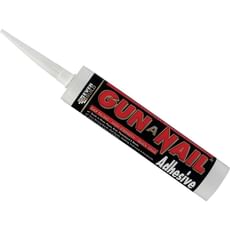
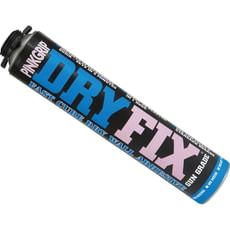
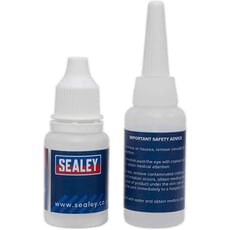
 Loading...
End of content
Error - No more pages to load
About Gap Filling Adhesives
Gap filling adhesives are high-performance bonding solutions specifically engineered to join materials whilst simultaneously bridging gaps, voids, and uneven surfaces – a common challenge in construction, renovation, and installation work. Unlike conventional adhesives that demand near-perfect surface contact, these specialist formulations incorporate fillers that enable them to span gaps typically ranging from 5mm to 25mm or more, making them essential for fitting skirting boards, architraves, coving, wall panels, and countless other building applications where traditional mechanical fixings prove impractical or time-consuming.
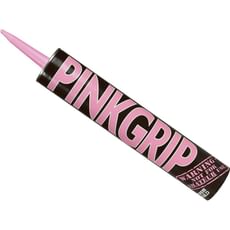
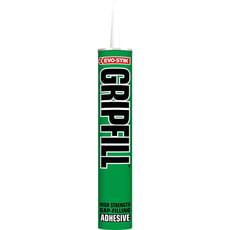
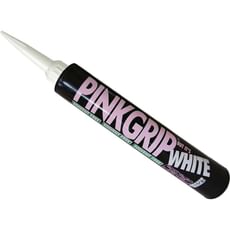
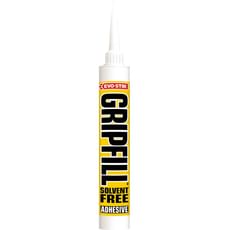
Modern gap filling adhesives combine exceptional initial grab strength with versatile gap-bridging capabilities, often eliminating the need for nails, screws, or temporary supports during installation. Contemporary formulations such as Everbuild's PinkGrip range and Evo-Stik Gripfill have transformed how tradespeople approach fixing tasks, with solvent-free options that are safer for enclosed spaces and fully compliant with stringent VOC regulations. Whether bonding timber, plasterboard, concrete, metal, plastics, or composite materials, these adhesives deliver reliable bonds that accommodate the natural expansion and contraction inherent in building materials, ensuring long-lasting performance across diverse environmental conditions.
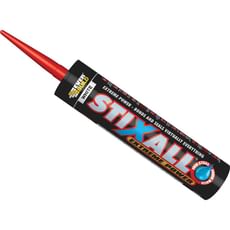
The selection available from Tooled-Up.com encompasses trusted brands including Everbuild, Evo-Stik, and Sealey, offering everything from standard grab adhesives for everyday installations through to ultimate strength formulations like Stixall for demanding structural applications. Available in convenient cartridge formats for skeleton gun application or hand-applied tubes for precise work, these professional-grade products deliver consistent results for tradespeople and serious DIY enthusiasts tackling challenging projects where reliable bonding and gap-filling performance are non-negotiable.
Jargon Buster
- Grab Adhesive – A high-tack formulation providing immediate holding power, allowing vertical applications without temporary props or supports. Initial grab occurs within seconds, though complete cure typically requires 24-48 hours depending on adhesive thickness and environmental conditions.
- MS Polymer – Modified Silane polymer technology offering exceptional multi-material bonding with low odour and zero solvents. These advanced adhesives can be overpainted, offer excellent UV resistance, and provide superior flexibility to accommodate substrate movement.
- Solvent-Free – Formulations containing no volatile organic compounds (VOCs), making them significantly safer for enclosed or occupied spaces whilst ensuring full compliance with environmental and workplace regulations. Ideal for sensitive applications where ventilation is limited.
- Initial Tack – The immediate holding power of an adhesive before it achieves full cure. High initial tack enables components to be positioned and released without sliding, slumping, or requiring mechanical support during the curing process.
- Gap Bridging – The maximum void size an adhesive can effectively span whilst maintaining specified bond strength. Quality gap filling adhesives typically bridge gaps from 5mm to 25mm, with premium formulations handling even larger voids.
- Cure Time – The period required for an adhesive to reach full bond strength. Surface cure (skin formation) occurs within minutes, whilst complete cure throughout the adhesive mass may take 24-72 hours depending on gap size, humidity, and temperature conditions.
Who Uses Gap Filling Adhesives?
Gap filling adhesives are indispensable across numerous trades and professional applications:
- Joiners and Carpenters – Installing skirting boards, architraves, dado rails, decorative mouldings, and wall panelling without visible pin holes or mechanical fixings
- Shop Fitters – Rapid installation of display units, wall panels, fixtures, and retail environments where speed and clean finishes are paramount
- Dry Liners – Bonding plasterboard, insulation boards, and decorative coving to uneven walls and ceilings without dot-and-dab delays
- Kitchen and Bathroom Fitters – Securing plinths, end panels, splashbacks, worktop upstands, and trim components to various substrates
- Builders and General Contractors – Wide-ranging applications from window board installation to temporary and permanent fixings across diverse building projects
- Signage Installers – Mounting panels, displays, and signage to brick, concrete, metal, and composite substrates
- Facilities Maintenance Teams – Quick repairs and installations in commercial, industrial, and institutional settings where downtime must be minimised
- DIY Enthusiasts – Home improvements, renovations, and repair projects requiring professional-quality results without specialist tools or skills
How to Choose the Right Gap Filling Adhesives
Application Environment: Consider whether you're working indoors or outdoors, and assess available ventilation. Solvent-free formulations like Everbuild PinkGrip Solvent Free are ideal for occupied spaces and enclosed areas, whilst traditional solvent-based products such as Evo-Stik Gripfill offer faster initial grab in well-ventilated areas or external applications where rapid positioning is critical.
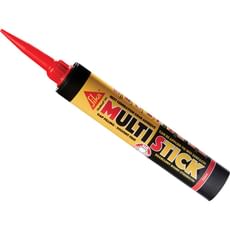
Substrate Materials: Identify precisely what materials you're bonding together. Universal adhesives like Everbuild Stixall work effectively across virtually all building materials including metals, glass, ceramics, and plastics, whilst standard grab adhesives excel with porous substrates like timber, plasterboard, masonry, and brick. For specialist applications requiring exceptional flexibility and weather resistance, MS polymer adhesives like Sika Multi Stick offer superior long-term performance.
Gap Size and Load Bearing: Assess the void you need to bridge and the weight being supported. Standard grab adhesives typically handle gaps up to 15mm effectively, whilst heavy-duty formulations manage 25mm or more. For structural applications, heavy components, or safety-critical installations, select products with enhanced load-bearing capabilities and consider supplementary mechanical fixings where building regulations require them.
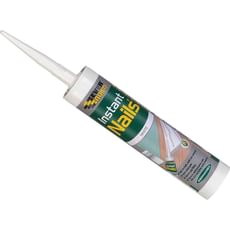
Cure Requirements: If you need immediate positioning without temporary props or supports, select high-grab products like Everbuild Instant Nails that offer exceptional initial tack. For applications where clamping or temporary support is feasible, standard cure times prove perfectly adequate and often more economical for volume work.
Finishing Requirements: If the adhesive will remain visible or requires overpainting, choose overpaintable formulations. Some products offer colour options – Everbuild's PinkGrip being easily distinguishable from timber substrates for precise application control and quality checking.
Application Method: Most gap filling adhesives are supplied in standard 310ml or 350ml cartridges requiring a skeleton gun for controlled dispensing, though some products are available in smaller hand-applied tubes for minor repairs, precise work, or occasional use where investing in application equipment isn't justified.
Popular Accessories
- Skeleton Guns and Sealant Applicators – Essential for dispensing cartridge-based adhesives with control, precision, and consistent bead quality
- Professional Caulking Guns – Heavy-duty options from brands like Everbuild and Sealey designed for frequent use and demanding site conditions
- Nozzles and Applicator Tips – Various profiles for different bead sizes, application patterns, and accessibility requirements
- Adhesive Remover and Cleaners – For removing excess adhesive, cleaning tools, and rectifying application errors before cure
- Surface Preparation Products – Degreasers, primers, and cleaning solutions to ensure optimal adhesion on challenging substrates
- Masking Tape – Creating clean lines, protecting adjacent surfaces, and achieving professional finishes during application
- Spirit Levels and Laser Levels – Ensuring accurate positioning and alignment whilst adhesive achieves initial grab
- Temporary Props and Supports – Supporting components during initial cure period for heavy items or overhead applications
- Work Gloves and Hand Protection – Essential PPE when handling adhesives to prevent skin contact and sensitisation
Safety Information
Ventilation: Even with solvent-free products, ensure adequate ventilation when working indoors. Solvent-based adhesives require particularly good airflow and must never be used in confined spaces without proper extraction systems. Follow HSE guidance for workplace exposure limits and ventilation requirements.
Personal Protection: Wear appropriate nitrile or latex gloves to prevent skin contact and potential sensitisation with repeated exposure. Safety glasses protect against splashes during application, particularly when working overhead or in awkward positions. Always refer to product-specific COSHH data sheets available from manufacturers for detailed safety information.
Skin Contact: If adhesive contacts skin, remove immediately with appropriate hand cleaners – never use solvents on skin as this increases absorption. Some formulations can cause allergic reactions with repeated exposure, so barrier creams and protective gloves are strongly recommended for regular users and professional tradespeople.
Storage and Disposal: Store cartridges in a cool, dry place away from heat sources, direct sunlight, and freezing temperatures. Partially used cartridges can often be resealed for future use by cleaning the nozzle and fitting a cap. Dispose of empty cartridges according to local authority guidelines – many contain residual materials requiring proper waste handling rather than general refuse disposal.
Fire Safety: Solvent-based adhesives are flammable and must be kept away from naked flames, sparks, welding operations, and heat sources. Follow HSE guidance for storage quantities on site, particularly in occupied buildings or near hot works. Ensure adequate fire extinguisher provision when using flammable adhesives in quantity.
Frequently Asked Questions
What's the difference between grab adhesive and gap filling adhesive?
The terms are frequently used interchangeably, as most grab adhesives inherently possess gap-filling properties. Gap filling specifically refers to the adhesive's ability to bridge voids and uneven surfaces whilst maintaining bond strength, typically handling gaps from 5mm to 25mm depending on formulation and application requirements.
Can I use gap filling adhesive instead of mechanical fixings?
In many applications, yes – modern gap filling adhesives provide sufficient bond strength to replace screws, nails, and other mechanical fixings for items like skirting, architrave, panelling, and trim work. However, for structural applications, heavy loads, or safety-critical installations, always follow building regulations and manufacturer guidance which may mandate mechanical fixings as primary or supplementary fixing methods.
How long before I can paint over gap filling adhesive?
This depends on the specific product formulation. Most paintable gap filling adhesives can be overpainted within 24 hours, though some rapid-cure formulations allow decoration sooner. Always consult the manufacturer's technical data sheet, and ensure the adhesive has fully skinned over before applying paint to prevent solvent interference or surface defects.
Will gap filling adhesive work on damp surfaces?
Standard gap filling adhesives require dry surfaces for optimal adhesion and bond development. However, some specialist formulations like certain MS polymer products tolerate slightly damp conditions. For genuinely wet environments, underwater applications, or permanent water immersion, you'll need specific moisture-tolerant or underwater adhesives rather than standard gap fillers.
What's the shelf life of gap filling adhesive cartridges?
Unopened cartridges typically have a shelf life of 12-18 months when stored correctly in cool, dry conditions away from temperature extremes. Once opened, most products remain usable for several weeks if the nozzle is sealed properly between uses with a cap or tape. If the adhesive has skinned over significantly in the cartridge, become stringy, or proves difficult to dispense, it's past its usable life and should be replaced for optimal performance.