

Garage & Workshop Systems
Pay in 3 interest-free payments on purchases from £30-2000 with  . Learn more.

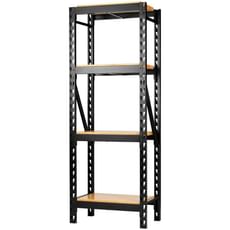
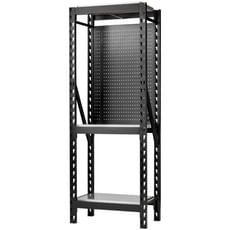
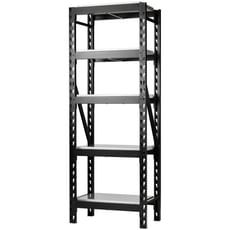
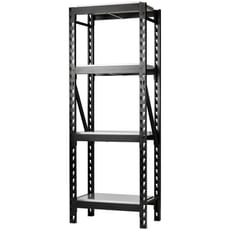
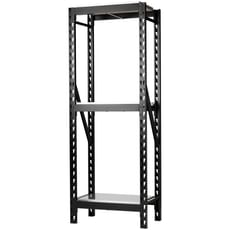
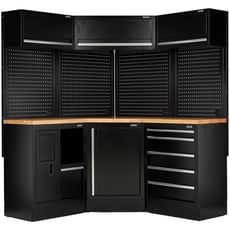
 Loading...
End of content
Error - No more pages to load
About Garage & Workshop Systems
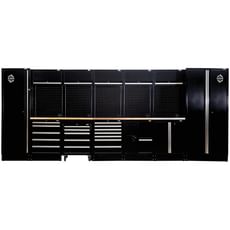
Garage and workshop systems form the foundation of efficient, professional workspaces, transforming cluttered areas into organised environments where productivity thrives. These comprehensive storage solutions combine modular cabinets, wall-mounted panels, drawer units, and integrated shelving to create bespoke configurations that maximise every square metre of available space. From compact single-bay setups for home workshops to extensive multi-bay installations spanning commercial garage walls, these systems adapt to diverse requirements whilst maintaining robust construction capable of handling heavy tool collections, power equipment, and bulk materials. The modular nature of quality workshop systems means they grow alongside your business or hobby, accepting additional components years after initial installation without requiring complete replacement.
Modern garage storage systems represent a substantial evolution from simple shelving units, incorporating intelligent design features that address real-world workshop challenges. Heavy-duty steel construction with powder-coated finishes resists the demanding conditions of professional environments—oil spills, metal swarf, temperature fluctuations, and daily wear. Ball-bearing drawer runners ensure smooth operation even when loaded to capacity, whilst lockable cabinets provide security for valuable equipment and compliance with insurance requirements. Integrated pegboard panels offer visible, accessible storage for frequently used hand tools, keeping work surfaces clear and reducing time spent searching for equipment. Mobile workstations bridge the gap between fixed storage and portability, bringing tools directly to the job within larger workshop spaces.
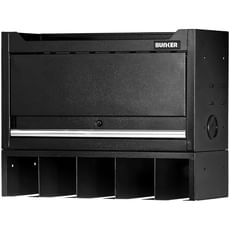
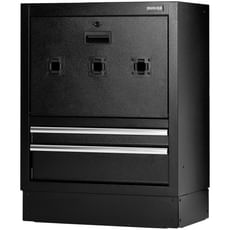
Tooled-Up.com stocks systems suitable for every application and budget, from entry-level configurations for DIY enthusiasts establishing home workshops to industrial-grade installations for commercial garages and fabrication shops. The range includes established systems like American Pro GSS for demanding professional environments, versatile Premier MSS and Superline Pro MSS options balancing capacity with value, and specialised solutions like the Bunker System. Load ratings typically span from 50kg per drawer in domestic systems to 200kg+ in professional units, accommodating everything from precision hand tools to heavy power equipment, whilst overhead storage solutions utilise vertical space for seasonal items and bulk consumables.
Jargon Buster
- Modular Storage System (MSS): Flexible storage comprising interchangeable components—cabinets, drawer units, shelving, and tool panels—that connect together in various configurations. Components can be added, removed, or repositioned without replacing the entire system, allowing workshops to evolve alongside changing requirements.
- Ball-Bearing Drawer Runners: Heavy-duty sliding mechanisms using precision ball bearings to support drawer movement. Superior to simpler roller systems, they provide smooth operation under heavy loads (often 100kg+), full extension for accessing drawer contents, and extended service life in commercial environments.
- Bay Configuration: The structural framework of vertical uprights and horizontal shelving forming storage sections. Single-bay units stand independently, whilst multi-bay configurations create extended storage runs. Standard bay widths typically range from 900mm to 1200mm, with heights from 1800mm to 2400mm.
- Load Rating: Maximum safe weight capacity specified per drawer, shelf, or complete unit. Professional systems often feature 100-200kg per drawer ratings versus 30-50kg in domestic units. Critical for safely storing heavy equipment, bulk materials, and dense tool collections without structural failure.
- Pegboard Panel/Tool Panel: Perforated board systems, typically steel or composite materials, accepting various hooks, brackets, and holders. Provides visible, accessible storage freeing up drawer space and work surfaces. European systems commonly use 25mm or 32mm hole spacing patterns.
- Mobile Workstation: Wheeled unit combining work surface, storage drawers, and often integrated 240v power outlets. Heavy-duty castors (usually two locking) allow repositioning tools and workspace within the workshop, particularly valuable in vehicle repair environments and larger facilities.
Who Uses Garage & Workshop Systems?
Professional garage systems serve diverse trades and applications requiring organised, efficient workspaces:
- Motor Vehicle Technicians managing diagnostic equipment, socket sets, specialised tools, and automotive consumables
- Electricians storing cable reels, test equipment, hand tools, and component inventories with secure lockable cabinets
- Plumbers and Heating Engineers organising pipe fittings, power tools, hand tools, and testing equipment
- Carpenters and Joiners housing extensive hand tool collections, power tools, router bits, chisels, and fixings
- Maintenance Engineers in commercial and industrial settings requiring comprehensive tool storage with accountability
- Fabrication Shops storing welding equipment, metal working tools, and raw materials
- Plant and Agricultural Engineers managing diverse equipment for machinery maintenance and repair
- Small Business Owners running workshops, repair services, or light manufacturing operations
- Serious DIY Enthusiasts with extensive tool collections and dedicated workshop spaces at home
- Property Maintenance Contractors requiring base storage for equipment between site visits
- Bicycle and Motorcycle Mechanics organising specialised tools, consumables, and component inventories
How to Choose the Right Garage & Workshop Systems
Space Assessment: Measure available dimensions carefully, including ceiling height, wall length, and floor area. Account for door clearances, electrical consumer units, water services, and heating equipment. Wall-mounted systems maximise floor space for vehicle access or machinery, whilst freestanding units suit garages with limited wall access or blockwork unsuitable for heavy mounting. Consider aisle widths—maintain 900mm minimum for safe movement, wider if using trolleys or handling sheet materials.
Load Requirements: Calculate the combined weight of your tool collection and materials. Professional tradespeople with extensive power tool collections, heavy equipment, or bulk materials require systems rated 100-200kg per drawer. Lighter collections of hand tools and smaller power tools suit mid-range systems rated 50-100kg per drawer. Check both individual drawer ratings and total unit capacity—don't exceed either specification.
Current and Future Capacity: Tradespeople typically accumulate tools throughout their careers, so select modular systems accommodating expansion. The range at Tooled-Up includes systems accepting additional cabinets and components years after installation. Allow 20-30% spare capacity for growth rather than filling systems completely from day one. Consider drawer depth variations—shallow drawers suit hand tools and small components, deep drawers accommodate power tools and bulky equipment.
Security Considerations: Lockable cabinets prove essential for valuable equipment, particularly in shared premises, commercial units, or workshops accessible to multiple staff. Professional systems often feature integrated locking securing multiple drawers simultaneously. Check insurance requirements—many policies mandate secure storage for tools exceeding certain values. Reinforced construction and quality locks deter opportunistic theft.
Material Quality and Construction: Steel thickness indicates durability—professional systems typically feature 1-1.5mm steel versus 0.8mm in domestic units. Powder-coated finishes resist workshop environments better than painted surfaces. Drawer runners significantly affect longevity and usability; ball-bearing mechanisms provide smoother operation and greater weight capacity than simpler roller systems, particularly important in commercial applications with heavy daily use.
Accessibility and Workflow: Position frequently used items between knee and shoulder height in easily accessible drawers or on pegboard panels. Reserve overhead storage for seasonal equipment, specialised tools used occasionally, or bulk materials. Mobile workstations bring tools to your work area, valuable in larger workshops or when servicing vehicles across multiple bays. Transparent drawer fronts or labelling systems maintain organisation in busy workshops with multiple users.
Power Integration: Some advanced systems incorporate 240v power outlets, USB charging points, and LED lighting. Built-in electrical distribution eliminates trailing cables and provides convenient power access at workstations. Ensure installations comply with BS 7671 wiring regulations and consider having qualified electricians handle integration.
Popular Accessories
- Pegboard Hook and Bracket Sets: Assorted hooks, tool holders, and brackets customising panel layouts for specific equipment configurations
- Drawer Organisation Systems: Foam inserts, adjustable dividers, and shadow foam creating dedicated spaces for precision instruments and preventing movement
- Cabinet and Drawer Lighting: LED strip lights improving visibility inside deep cabinets and under overhead units, typically 240v or low-voltage
- Mobile Tool Storage Systems: Complementary portable solutions like Milwaukee PACKOUT, DeWalt TSTAK, or Makita MakPac for site work
- Workbench Accessories: Engineers' vices, woodworking vices, bench dogs, and mounted grinders integrating with workshop systems
- Industrial Label Systems: Label holders, embossing machines, or thermal printers maintaining organisation in commercial workshops
- Parts Bins and Storage Boxes: Small component organisers for fixings, fasteners, electrical components, and consumables
- Anti-Fatigue Workshop Matting: Interlocking rubber or foam tiles providing comfort during extended periods at workstations
- Tool Shadow Boards: Custom foam cutouts showing exactly where each tool belongs, improving accountability and highlighting missing items
- Cabinet Drawer Liners: Non-slip matting protecting drawer surfaces and preventing tools sliding during drawer operation
Safety Information
Installation and Anchoring: Follow manufacturer's installation instructions precisely, using appropriate fixings for your building construction. Masonry walls require different anchors than timber stud walls—incorrect fixings create serious tipping hazards. Distribute weight evenly across shelving, positioning heaviest items at lower levels to maintain stability and prevent top-heavy configurations. Never exceed specified load ratings for individual drawers, shelves, or complete units. Anchor tall units and cabinet runs to walls even when advertised as freestanding, particularly in environments experiencing vibration from machinery or heavy vehicle movement. HSE guidance recommends securing any storage system exceeding 1500mm height.
Access and Ergonomics: Position frequently accessed items between knee and shoulder height (approximately 600-1400mm) to minimise bending and overhead reaching, reducing musculoskeletal strain injury risks. Use proper steps or platform ladders conforming to BS EN 131 for accessing overhead storage—never climb on cabinets, shelving, or use makeshift solutions. Maintain adequate aisle widths (minimum 900mm, preferably 1200mm) for safe movement when carrying tools or materials. Wider aisles prove essential if using trolleys, wheeled equipment, or handling sheet materials.
Fire Safety and Hazardous Storage: Store flammable liquids, aerosols, and solvents in appropriate cabinets meeting BS EN 14470-1 standards, separated from general workshop storage. Never store COSHH-regulated substances in standard cabinets without proper ventilation and containment. Maintain clear access to fire exits, extinguishers, and emergency equipment—storage systems must never obstruct emergency routes. Keep heat sources including space heaters, welding equipment, and hot work areas away from storage units, particularly those containing aerosols, solvents, or other flammable materials. Ensure adequate ventilation around storage systems containing chemicals or materials producing fumes.
Loading and Operation: Load drawers from bottom to top when initially filling systems, maintaining stability throughout the process. Never open multiple heavy drawers simultaneously on cabinet systems—this creates tipping risks even with properly anchored units. Close drawers fully after use, particularly in walkways where protruding drawers create collision hazards. Distribute weight within drawers evenly rather than concentrating heavy items at front edges, which stresses runners and affects balance.
Regular Maintenance and Inspection: Inspect drawer runners, cabinet doors, castors, and wall fixings periodically—monthly in commercial environments with heavy use, quarterly for lighter applications. Tighten loose bolts and replace damaged components promptly; worn drawer runners can fail suddenly when loaded. Clean drawers and shelves regularly, preventing accumulation of metal swarf, wood dust, or spilled lubricants creating slip hazards or affecting drawer operation. Lubricate drawer runners annually with light machine oil. Document inspections in commercial settings to demonstrate HSE compliance and insurance requirements.
Frequently Asked Questions
What distinguishes professional garage systems from DIY-grade storage?
Professional systems feature substantially heavier steel construction (typically 1-1.5mm thickness versus 0.8mm in domestic units), higher load ratings (often 100-200kg per drawer versus 30-50kg), and superior ball-bearing drawer runners providing smoother operation and extended service life. They're engineered for daily commercial use with better security features, more comprehensive modular expandability, and longer warranties (often 5-10 years versus 1-2 years). Professional powder-coated finishes resist workshop environments more effectively. DIY systems provide adequate performance for occasional home use at accessible price points, suitable for hobbyists without demanding commercial requirements, but won't withstand the rigours of professional workshops where drawers open and close dozens of times daily.
Can garage storage systems be installed on plasterboard walls?
Plasterboard alone cannot safely support loaded workshop cabinets. Installation requires locating timber studs using a detector and using appropriate heavy-duty fixings (typically coach screws minimum 8mm diameter), or installing substantial backing boards (minimum 18mm plywood) anchored to studs across the entire mounting area. Even with proper fixings, plasterboard walls limit total weight significantly compared to masonry. Brick, concrete block, or solid concrete walls provide superior strength for heavy systems. Freestanding configurations offer alternatives where wall mounting proves impractical, though these still require wall anchoring at top sections for stability using the manufacturer's anti-tip fixings. Consult structural guidance if uncertain—improperly mounted systems create serious safety hazards.
How much weight can workshop system shelving typically support?
Capacity varies considerably between system grades. Entry-level domestic units commonly rate 30-50kg per shelf, adequate for hand tools and light equipment. Mid-range systems typically handle 75-100kg per shelf, accommodating most workshop requirements including moderate power tool collections. Professional industrial systems frequently exceed 150-200kg per shelf, designed for heavy power tools, bulk materials, automotive components, and dense storage. Always verify specifications for your specific chosen system—manufacturer ratings account for proper installation and even weight distribution. Never concentrate loads at shelf centres; distribute weight across the entire shelf area. Total unit capacity may limit overall loading even if individual shelf ratings aren't exceeded, so check both specifications.
Are modular garage systems genuinely expandable years after purchase?
Quality modular systems from established manufacturers are specifically designed for long-term expansion, featuring standardised dimensions, consistent connection methods, and maintained product lines allowing seamless integration of additional components years after initial installation. This represents a significant advantage over fixed systems, accommodating growing tool collections and evolving workshop requirements without starting afresh. However, verify that your chosen manufacturer maintains consistent ranges—some budget brands discontinue systems regularly, limiting future expansion. Established systems available from Tooled-Up.com typically maintain compatibility across model years, and the company can advise on expansion options for existing installations. Retain system documentation and model information to simplify future ordering of compatible components.
What ongoing maintenance do workshop storage systems require?
Regular maintenance proves minimal but important for longevity and safety. Clean drawer runners quarterly (monthly in dusty environments) and apply light machine oil annually to maintain smooth operation—avoid heavy greases that attract dust and debris. Check and tighten wall fixings, unit connections, and cabinet bolts every 3-6 months, particularly after initial installation as components settle under load. Inspect castors on mobile units for debris accumulation affecting wheel rotation and locking mechanisms. Wipe down surfaces periodically to prevent corrosive substances (oils, solvents, salts) damaging powder-coated finishes. Vacuum drawer interiors and shelving in dusty workshops to prevent buildup affecting operation. Commercial environments benefit from documented annual inspections recording condition, required repairs, and compliance with workplace storage regulations, useful for insurance purposes and HSE requirements.