

Garden Blowers
Pay in 3 interest-free payments on purchases from £30-2000 with  . Learn more.
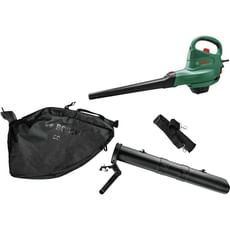
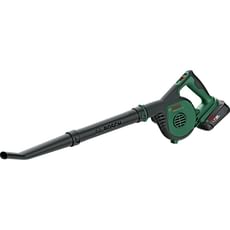
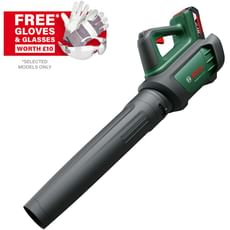
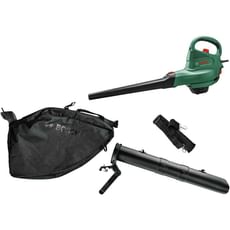
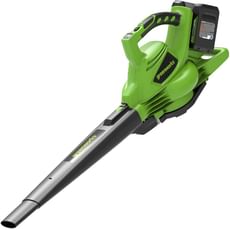
Bosch UNIVERSALLEAFBLOWER 18V-130 P4A 18v Cordless Garden Leaf and Workshop Blower
in stock
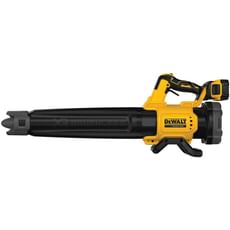
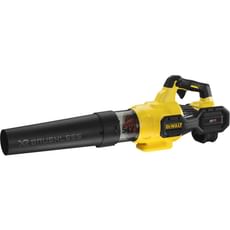
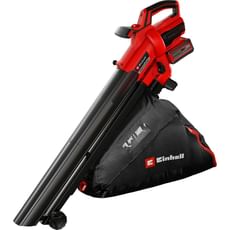
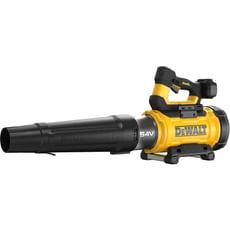
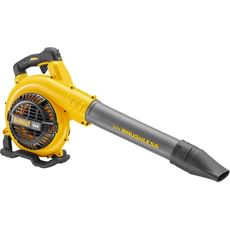
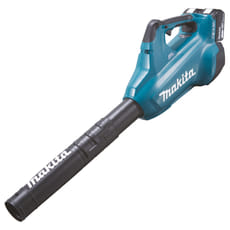
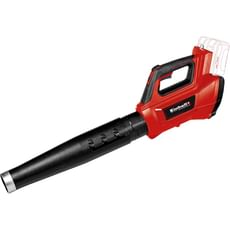
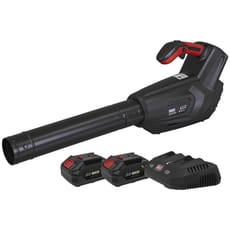
Einhell Professional GE-LB 36/210 Li E 36v Cordless Brushless Garden Leaf Blower
in stock
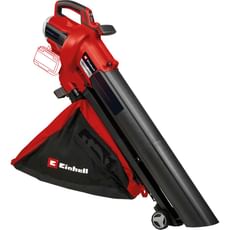
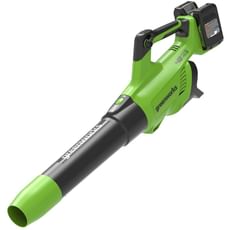
Einhell Professional VENTURRO 36/240 36v Cordless Leaf Blower and Vacuum
in stock
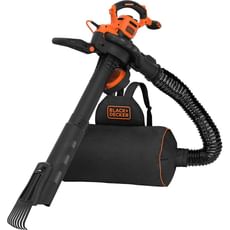
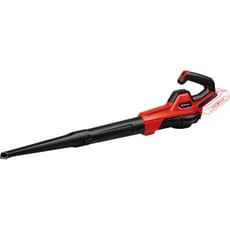
Einhell GE-UB 18/250 Li E 18v Cordless 3 Piece Pipe Garden Leaf and Workshop Blower
in stock
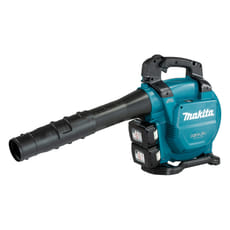
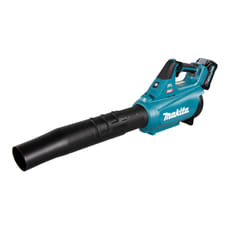
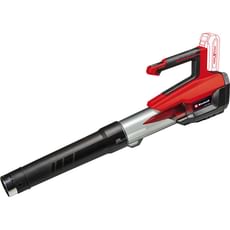
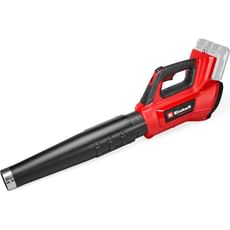
Einhell Professional GE-LB 18/200 Li E 18v Cordless Brushless Axial Leaf Blower
in stock
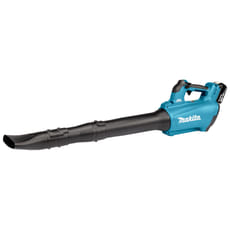
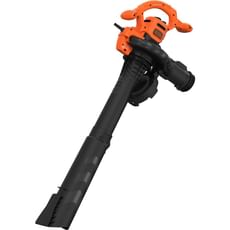
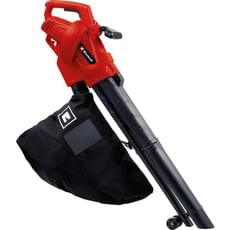
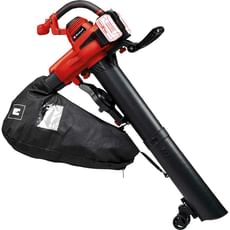
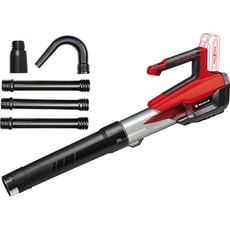
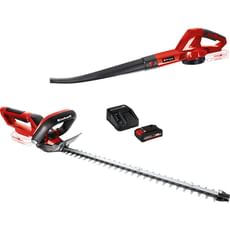
Einhell Professional GP-LB 18/200 Li E GK 18v Cordless Leaf Blower and Gutter Cleaning Kit
in stock
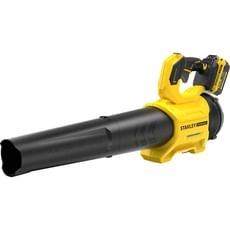
Einhell Professional GP-LB 36/230 Li E BL 36v Cordless Brushless Leaf Blower
in stock
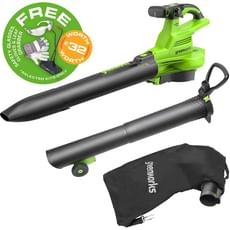
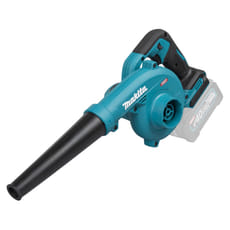
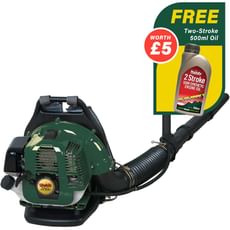
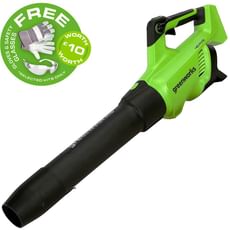
 Loading...
End of content
Error - No more pages to load
About Garden Blowers
Garden blowers are essential power tools designed to clear leaves, grass clippings, and garden debris quickly and efficiently. Available in cordless, electric, and petrol-powered formats, these versatile machines make short work of autumn leaf clearance and year-round garden maintenance. Modern garden blowers combine powerful air streams with ergonomic designs, allowing both professional groundskeepers and DIY enthusiasts to maintain tidy outdoor spaces without the back-breaking effort of traditional raking and sweeping.
The selection at Tooled-Up.com includes axial blowers for lightweight, handheld operation, as well as vacuum models that collect and mulch debris for easy disposal. Leading manufacturers such as Makita, DeWalt, Bosch, and Einhell offer machines ranging from compact 18v cordless units perfect for small gardens and patios, through to powerful 54v FLEXVOLT and 240v electric models capable of tackling large properties and commercial sites. Many cordless blowers share battery platforms with other power tools, making them a cost-effective addition to existing tool collections.
Choosing between blower-only models and combination vacuum units depends on your specific needs. Dedicated blowers excel at shifting debris across large areas, whilst vacuum models with collection bags and mulching functions are ideal for smaller, enclosed spaces where debris needs to be removed rather than redistributed. Some professional-grade models feature brushless motors for extended runtime and longevity, making them suitable for demanding daily use on landscaping projects.
Jargon Buster
- CFM (Cubic Feet per Minute): Measures the volume of air moved by the blower. Higher CFM ratings indicate greater air volume, making it easier to move larger piles of wet leaves and heavier debris. Typical garden blowers range from 200 to 600 CFM.
- Air Speed (mph or km/h): The velocity at which air exits the nozzle, usually measured in miles per hour or kilometres per hour. Higher speeds are better for dislodging stuck debris, whilst lower speeds suit delicate areas around flowerbeds.
- Axial Blower: The most common handheld design, where air flows parallel to the motor shaft. These lightweight models are ideal for general garden clearing and are typically more affordable than backpack-style units.
- Brushless Motor: Advanced motor technology that eliminates carbon brushes, resulting in improved efficiency, longer runtime, reduced maintenance, and extended tool life. Common in professional-grade cordless models.
- Mulching Ratio: Found on vacuum models, this indicates how much the machine reduces debris volume. A 10:1 ratio means ten bags of leaves are compressed into one, minimising trips to empty the collection bag.
- Variable Speed Control: Allows adjustment of air output to suit different tasks and surfaces. Essential for working around gravel, delicate plants, or when operating near windows and cars.
Who Uses Garden Blowers?
- Professional Landscapers and Groundskeepers: For maintaining parks, estates, commercial properties, and multiple residential sites efficiently
- Garden Maintenance Contractors: Essential time-saving equipment for regular maintenance rounds
- Tree Surgeons and Arborists: Clearing sawdust, wood chips, and fallen branches from work areas
- Local Authority Grounds Teams: Maintaining public spaces, school grounds, and recreational areas
- Golf Course and Sports Ground Maintenance Staff: Keeping playing surfaces clear of debris
- Facilities Managers: Maintaining commercial property exteriors, car parks, and entrance areas
- Homeowners and DIY Enthusiasts: Seasonal leaf clearance and general garden tidying
- Allotment Holders: Clearing paths and growing areas
- Caravan and Holiday Park Operators: Maintaining communal areas and pitches
How to Choose the Right Garden Blowers
Power Source: Cordless models offer excellent portability and convenience for small to medium gardens, with 18v batteries suitable for light duty work and 36v or 54v systems providing professional-level performance. Electric 240v models deliver consistent power for extended use without battery concerns, ideal for larger properties with accessible power points. Petrol blowers offer maximum power for commercial applications but require more maintenance.
Air Performance: Consider both air speed and volume (CFM). For light debris like dry leaves on hard surfaces, moderate air speed (140-180 mph) suffices. Wet leaves, grass clippings, and heavier materials require higher CFM ratings and speeds exceeding 200 mph. Professional users should prioritise models offering 400+ CFM for efficient site clearance.
Weight and Ergonomics: Extended use demands lightweight construction and balanced design. Cordless axial blowers typically weigh 2-4kg, making them suitable for overhead work and prolonged operation. Look for soft-grip handles, adjustable tubes, and well-positioned controls. Backpack models distribute weight across shoulders for all-day comfort on larger projects.
Blower or Vacuum Function: Dedicated blowers excel at moving debris across drives, patios, and lawns. Vacuum models with collection bags are better suited to smaller enclosed areas where debris must be removed. Many versatile units from brands like Bosch and Black and Decker offer both functions with simple tool-free conversion, though they're typically heavier than blower-only designs.
Battery Compatibility: If you already own cordless tools, choosing a blower from the same manufacturer maximises battery investment. Tooled-Up stocks models compatible with popular platforms including Makita LXT, DeWalt XR, Milwaukee M18, and Bosch Professional 18v systems, allowing seamless integration with existing tool collections.
Noise Levels: Important for residential use and noise-sensitive environments. Most quality blowers operate between 80-95 dB(A), with brushless cordless models generally quieter than petrol equivalents. Check specifications if working in built-up areas or near schools and hospitals.
Popular Accessories
- Spare Batteries and Chargers: Additional power packs ensure uninterrupted operation on larger properties
- Extension Tubes and Nozzles: Adjustable lengths and concentrated nozzle attachments for reaching under shrubs and into corners
- Collection Bags: Replacement bags for vacuum models, often available in various capacities
- Shoulder Straps: Reduce fatigue during extended use of heavier models
- Hearing Protection: Essential PPE for prolonged use, particularly with petrol-powered units
- Safety Glasses: Protect eyes from airborne debris and dust
- Work Gloves: Anti-vibration gloves improve comfort and control
- Storage Hooks and Brackets: Wall-mounted storage solutions for workshop and shed organisation
- Gutter Cleaning Attachments: Specialised nozzles for clearing gutters and downpipes
- Leaf Collection Tarps: Large groundsheets for gathering blown debris
Safety Information
Personal Protective Equipment: Always wear safety glasses or goggles to protect against flying debris, dust, and small stones. Hearing protection is recommended for extended use, as most blowers exceed 80 dB(A). Sturdy footwear with good grip prevents slips on wet leaves, and close-fitting clothing reduces entanglement risks.
Operating Safely: Inspect the area before use, removing stones, wire, glass, and other hard objects that could become dangerous projectiles. Never point the blower at people, animals, or windows. Be particularly careful on gravel surfaces where loose stones can be propelled at high speed. Maintain firm footing on slopes and wet surfaces.
Electrical Safety: When using 240v electric models, ensure cables are in good condition and kept clear of the blower intake. Use an RCD (residual current device) for additional protection against electric shock. For cordless models, only use manufacturer-approved batteries and chargers. Never operate electric blowers in wet conditions.
Maintenance and Storage: Disconnect power or remove batteries before cleaning or adjusting the machine. Regularly check air intake areas for blockages and clean cooling vents to prevent overheating. Store in a dry location away from children, and ensure petrol models have fuel drained if storing long-term in accordance with HSE guidance.
Frequently Asked Questions
What's the difference between axial and backpack blowers?
Axial blowers are handheld units where you hold the entire machine, making them lightweight and manoeuvrable for typical domestic and light commercial use. Backpack blowers distribute weight across your shoulders and back via harness straps, allowing comfortable operation of more powerful units for extended periods. Backpack models are preferred by professional landscapers covering large areas daily, whilst axial designs suit most garden maintenance tasks.
Can I use a garden blower to clear my gutters?
Yes, garden blowers are effective for gutter cleaning when used with appropriate extension tubes and narrow nozzles. This works best with dry debris like leaves and light sediment. For safety, use a stable ladder with proper footing, and consider models with variable speed control to avoid blowing debris into downpipes. Some manufacturers offer specific gutter cleaning attachments for their blower models.
How long will a cordless blower run on one battery charge?
Runtime varies significantly based on battery capacity (Ah rating), motor efficiency, and power setting used. Typical 18v 2.0Ah batteries provide 10-15 minutes at maximum power, whilst 5.0Ah batteries extend this to 25-40 minutes. Higher voltage systems like 36v and 54v FLEXVOLT models offer similar or better runtime with increased power. For professional use, investing in multiple batteries or higher capacity packs ensures uninterrupted operation throughout the working day.
Are garden blowers suitable for wet leaves?
Garden blowers can handle wet leaves, but performance depends on the machine's specifications. Models with higher CFM ratings (400+) and good air speed (180+ mph) cope better with heavy, wet debris. However, wet leaves are significantly harder to move than dry ones, so expect reduced coverage per charge or increased effort. Where possible, wait for drier conditions or use a vacuum model to collect stubborn wet material directly.
Do I need a vacuum function or is a blower-only model sufficient?
This depends on your property and how you dispose of garden waste. Blower-only models excel at gathering debris into piles for collection or moving leaves onto borders and compost areas. They're lighter, more affordable, and better for large open areas. Vacuum models with mulching are ideal if you need to collect and bag debris from patios, drives, and enclosed spaces, reducing volume by up to 16:1 for easier disposal. Consider a convertible model if you need both functions occasionally.