

Garden Carts
Pay in 3 interest-free payments on purchases from £30-2000 with  . Learn more.
 Loading...
End of content
Error - No more pages to load
About Garden Carts
Garden carts are essential pieces of equipment designed to make moving heavy loads around your garden, allotment, or outdoor space significantly easier. Whether you're transporting soil, compost, logs, garden waste, or tools and equipment, a well-built garden cart can save your back and reduce the number of trips you need to make. Unlike traditional wheelbarrows, garden carts feature multiple wheels for improved stability and typically offer a larger load capacity, making them ideal for bigger jobs and uneven terrain.
Modern garden carts come in various configurations to suit different tasks and users. Steel dump carts offer robust construction and excellent load-bearing capabilities, perfect for heavy-duty landscaping work and professional grounds maintenance. Poly body carts provide a lighter, rust-resistant alternative that's easy to manoeuvre and clean, ideal for regular domestic use. Towable garden carts can be attached to ride-on mowers or ATVs for even greater efficiency on larger properties, whilst cordless electric garden carts like the Greenworks 40V model combine battery-powered assistance with traditional cart functionality to make moving heavy loads virtually effortless, particularly on sloped terrain.
Whether you're a professional groundskeeper maintaining extensive gardens, a landscaper working on multiple sites, or a keen DIY gardener tackling weekend projects, investing in a quality garden cart will transform the way you work outdoors. With load capacities typically ranging from 75kg to well over 200kg, these versatile tools at Tooled-Up.com are designed to handle everything from autumn leaf clearance to major landscaping projects, providing a more stable and efficient alternative to traditional wheelbarrows.
Jargon Buster
- Dump Cart: A garden cart with a tipping mechanism that allows you to easily unload the contents by lifting the front handle, causing the body to pivot and dump the load without manual shovelling. This feature significantly reduces physical strain when emptying heavy materials like soil or gravel.
- Poly Body: A cart body constructed from polyethylene plastic rather than metal. Poly bodies are lightweight, won't rust, are easy to clean, and typically more affordable than steel alternatives, making them ideal for domestic users and moving organic materials like compost.
- Towable Cart: A cart designed to be attached and towed behind a ride-on mower, quad bike, or compact tractor, featuring a hitch mechanism for connection to the towing vehicle. These dramatically increase efficiency on larger properties where motorised transport is already in use.
- Load Capacity: The maximum weight the cart is designed to carry safely, typically measured in kilograms. Exceeding this can damage the cart and create safety hazards. Always account for materials being heavier when wet.
- Pneumatic Tyres: Air-filled tyres similar to those on bicycles or cars. These provide better shock absorption and easier rolling over rough terrain compared to solid wheels, making them essential for typical British gardens with uneven lawns and varied surfaces.
- Self-Propelled/Cordless: Garden carts equipped with electric motors powered by rechargeable lithium-ion batteries, providing motorised assistance to reduce the physical effort required when moving heavy loads, particularly useful on slopes or for users with mobility concerns.
Who Uses Garden Carts?
- Landscapers and Groundskeepers: Professional garden maintenance contractors who need to move materials, tools, and waste efficiently across multiple sites daily
- Gardeners and Horticulturists: Both professional and serious amateur gardeners managing larger plots, allotments, or estates
- Grounds Maintenance Teams: Staff responsible for maintaining parks, sports facilities, school grounds, and commercial properties
- Estate Managers and Landowners: Those responsible for maintaining larger rural properties, farmland, or country estates where substantial material movement is routine
- Tree Surgeons and Arborists: Professionals who need to transport logs, wood chips, and equipment around work sites efficiently
- DIY Enthusiasts and Homeowners: Keen gardeners with larger properties or those undertaking substantial garden renovation projects
- Allotment Holders: People maintaining vegetable plots who regularly transport compost, produce, and tools between their plot and vehicle
- Stables and Equestrian Facilities: For moving feed, bedding, manure, and equipment around yards and paddocks
- Construction and Building Contractors: For moving materials and waste on site, particularly in garden landscaping projects
How to Choose the Right Garden Carts
Consider Your Load Capacity Requirements: Assess what you'll typically be moving. For general garden waste and lighter materials, a cart with 75-100kg capacity may suffice. For soil, stones, logs, or heavier loads, look for carts rated at 150kg or higher. Remember that a cart's stated capacity includes the weight of materials when wet, which can be considerably heavier than dry.
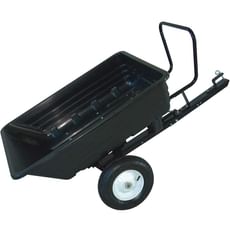
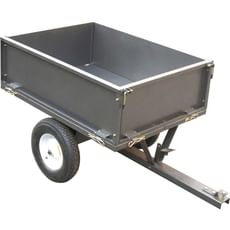
Body Material - Steel vs Poly: Steel carts like the Handy THGT500 offer superior strength and longevity for heavy-duty professional use and can handle rough treatment on building or landscaping sites. Poly body carts such as the Handy THTPDC are lighter, won't rust, are easier to clean (important when moving compost or fertiliser), and generally more affordable, making them excellent for regular domestic garden use.
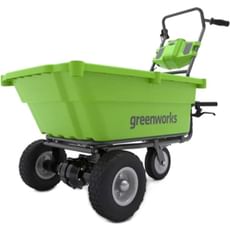
Manual vs Powered: Traditional manual garden carts require you to push or pull the load, which is fine for level ground and moderate loads. Cordless battery-powered models like the Greenworks G40GC 40V offer self-propulsion, making them ideal for sloped gardens, very heavy loads, or users who need to reduce physical strain. Consider that powered models require battery charging and eventual battery replacement as part of ongoing ownership costs.
Wheel Configuration and Tyre Type: Three or four-wheeled carts offer better stability than wheelbarrows, particularly when loading and unloading. Pneumatic (air-filled) tyres provide smoother movement over rough ground and better shock absorption. Consider wheel diameter too – larger wheels roll more easily over obstacles and uneven terrain common in British gardens.
Dump Mechanism: Most garden carts feature a tipping mechanism allowing you to dump the load without shovelling. Check the pivot point and handle design – a well-designed dump mechanism should tip easily even when fully loaded without requiring excessive lifting force or awkward body positioning.
Towable Options: If you own a ride-on mower, quad bike, or compact tractor, a towable garden cart can dramatically increase efficiency. Ensure the hitch mechanism is compatible with your towing vehicle and that the cart's weight when loaded is within your vehicle's towing capacity. The Handy THGT500 is specifically designed for towing applications.
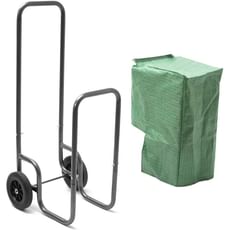
Storage and Portability: Consider where you'll store the cart when not in use. Check overall dimensions to ensure it fits through gates and into your shed or garage. Some models have removable sides for more compact storage, whilst specialised carts like the Handy THLC Log Cart include protective covers for outdoor storage.
Popular Accessories
- Protective Covers: Weatherproof covers extend cart life by protecting against UV damage and corrosion when stored outdoors, particularly important for steel models
- Replacement Wheels and Tyres: Pneumatic tyres may eventually need replacing, particularly with frequent use on rough terrain or if punctured
- Additional Battery Packs: For cordless models like Greenworks carts, spare 40V batteries ensure uninterrupted work on larger projects without waiting for recharging
- Mesh Sides and Liners: Extend the height of cart sides for transporting leaves, grass clippings, and lighter bulky materials
- Towing Hitches and Adaptors: Various hitch configurations to suit different ride-on mowers and vehicles if your model requires specific fittings
- Tool Racks and Holders: Attachments for securing hand tools, water bottles, and equipment whilst working around your property
- Wheel Chocks and Brakes: Additional safety equipment for securing carts on slopes during loading and unloading
- Battery Chargers: Fast chargers for cordless models to minimise downtime between tasks
Safety Information
Load Limits: Never exceed the manufacturer's stated load capacity. Overloading can cause structural failure, tip-overs, and serious injury. Distribute weight evenly across the cart bed to maintain stability and prevent unbalanced handling.
Slope Safety: Exercise caution when using carts on slopes. Move slowly and maintain control at all times. Never allow a loaded cart to run away downhill. For steep gradients, consider cordless powered models with controlled descent features, or make multiple trips with lighter loads.
Manual Handling: Even with a cart, proper manual handling techniques apply. Keep your back straight when loading and unloading, bend at the knees, and avoid twisting movements. The HSE recommends avoiding lifting heavy items above shoulder height and taking regular breaks during extended use.
Tyre Maintenance: Keep pneumatic tyres properly inflated to the manufacturer's specifications. Under-inflated tyres make carts harder to manoeuvre and increase the risk of tipping. Check for wear and damage regularly, particularly before moving heavy loads.
Towable Cart Safety: When using towable carts, ensure the hitch is properly secured before moving off. Take corners slowly and allow extra braking distance. Never carry passengers on the cart or towing vehicle. Be aware of the increased turning circle and stopping distance when towing.
Battery Safety for Cordless Models: Use only manufacturer-approved batteries and chargers with powered carts. Store lithium-ion batteries in a cool, dry place away from direct sunlight and flammable materials. Follow all charging instructions carefully and never leave batteries charging unattended.
Visibility and Site Awareness: When working on shared properties or professional sites, be aware of other people, particularly children and pets. Loaded carts can be difficult to stop quickly, so maintain safe working speeds.
Frequently Asked Questions
What's the difference between a garden cart and a wheelbarrow?
Garden carts typically have three or four wheels rather than one, providing much better stability when loading, unloading, and travelling over uneven ground. They usually offer larger load capacities and feature a dump mechanism for easier unloading without shovelling. Wheelbarrows are more manoeuvrable in very tight spaces but require more skill to balance and are generally suited to smaller loads. For most users moving substantial quantities of materials, garden carts available from Tooled-Up.com offer superior efficiency and reduced physical strain.
Can I leave my garden cart outside all year?
Whilst most garden carts are built to withstand outdoor conditions, storing them under cover will significantly extend their lifespan. Steel carts are prone to rust if left exposed to constant moisture, whilst UV radiation can degrade poly bodies and pneumatic tyres over time. If outdoor storage is your only option, invest in a quality weatherproof cover and position the cart on a dry, level surface away from standing water. Models like the Handy THLC include protective covers specifically for this purpose.
How much weight can a typical garden cart carry?
Load capacities vary considerably depending on the model and construction. Lighter domestic poly carts typically handle 75-100kg, whilst heavy-duty steel dump carts can carry 200kg or more. The Greenworks G40GC, for example, has a 100kg maximum capacity. Always check the manufacturer's specifications and remember that wet materials like soil or compost weigh considerably more than the same volume when dry. It's better to make two trips than risk damaging the cart or injuring yourself by overloading.
Are battery-powered garden carts worth the extra cost?
Cordless electric garden carts are particularly worthwhile if you have sloped terrain, need to move very heavy loads regularly, or want to reduce physical strain. They're excellent for older users or anyone with back problems who still wants to maintain their garden independently. However, if you have level ground and typically move lighter loads, a manual cart may be perfectly adequate and more cost-effective. Consider also that cordless models require battery charging and eventual battery replacement, though many users already own compatible batteries from other cordless garden tools.
Do I need pneumatic tyres or will solid wheels do?
Pneumatic (air-filled) tyres provide better shock absorption, roll more smoothly over rough terrain, and are easier to push or pull, especially when loaded. They're the better choice for most garden use. Solid wheels never puncture and require no maintenance, but provide a harsher ride and can be harder to manoeuvre over uneven ground. If your garden has well-maintained paths and level terrain, solid wheels may suffice, but for typical British gardens with bumpy lawns and varied surfaces, pneumatic tyres are worth having.