

Garden Furniture Care

Pay in 3 interest-free payments on purchases from £20-£3000 with  . Learn more.
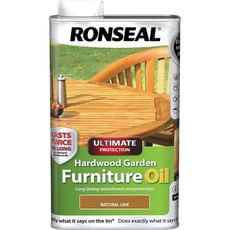
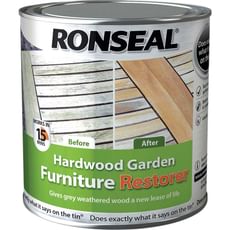
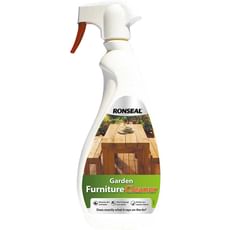
 Loading...
End of content
Error - No more pages to load
About Garden Furniture Care
Garden furniture care products are specially formulated treatments designed to clean, protect, restore and maintain outdoor furniture made from wood, hardwood and other natural materials. These professional-grade solutions help extend the lifespan of garden furniture by defending against the harsh effects of British weather, including persistent rain, UV rays, frost and humidity. Whether maintaining a set of teak dining chairs, a hardwood garden bench or a complete patio furniture suite, proper care products ensure your outdoor investment looks its best season after season.
The range of garden furniture care solutions available from Tooled-Up.com includes cleaners that remove dirt, mould and weathering stains, oils that nourish and protect the wood whilst enhancing its natural grain, and restorers that bring faded or greyed timber back to its original colour. These treatments penetrate deep into the wood fibres to provide long-lasting protection against moisture, splitting and cracking. Regular application of quality garden furniture care products can transform tired-looking outdoor furniture and prevent costly replacements, making them an essential purchase for anyone serious about maintaining their garden's appearance.
Trusted brands like Ronseal offer complete care systems from initial cleaning through to final protection. These professional-grade products are suitable for all types of hardwood garden furniture including teak, eucalyptus, acacia and shorea, as well as softwood pieces that require extra maintenance in the UK's changeable climate. A typical furniture care regime involves three steps: cleaning to remove surface contamination, restoring to reverse weathering damage, and oiling to protect and enhance the natural beauty of the wood.
Jargon Buster
- Hardwood Oil: A penetrating wood treatment that soaks into the timber to nourish, protect and enhance the natural colour and grain. Unlike varnishes, oils don't create a surface film and allow the wood to breathe naturally, making them ideal for outdoor furniture exposed to varying moisture levels.
- UV Protection: Special additives in furniture care products that shield wood from the sun's ultraviolet rays, preventing fading, greying and degradation of the wood fibres over time. Essential for furniture in south-facing positions or exposed locations.
- Weathering/Silvering: The natural greying process that occurs when wood is exposed to the elements. This is caused by UV light breaking down lignin in the wood cells, resulting in a silver-grey patina that some find attractive but others wish to reverse.
- Wood Restorer: A treatment designed to reverse weathering damage by removing the grey surface layer and returning the wood to its original rich colour before protective oils are applied. Typically contains oxalic acid or similar agents.
- Microporous Finish: A breathable coating that allows moisture vapour to escape from the wood whilst preventing liquid water from penetrating, reducing the risk of rot and splitting. Critical for long-term furniture preservation.
- Tannin: Natural compounds found in hardwoods that can leach out during rain and cause dark staining. Some cleaners are specifically formulated to remove tannin stains from wood and surrounding paving or decking.
Who Uses Garden Furniture Care?
- Homeowners and DIY enthusiasts maintaining their garden and patio furniture throughout the year
- Landscape gardeners and garden designers offering complete outdoor space services to clients
- Property maintenance professionals servicing rental properties, holiday lets and portfolios
- Furniture restoration specialists and upcyclers breathing new life into weathered pieces
- Groundskeepers and estate managers maintaining outdoor areas of commercial properties
- Garden centres and furniture retailers preparing stock or offering aftercare advice to customers
- Pubs, restaurants and hotels with outdoor seating areas requiring regular maintenance
- Caravan and holiday park owners maintaining outdoor amenities for guests
- Schools, care homes and community centres with outdoor furniture in gardens and play areas
- Decking contractors and outdoor specialists offering comprehensive maintenance packages
How to Choose the Right Garden Furniture Care
When selecting garden furniture care products, first identify the type of wood you're treating. Hardwoods like teak, eucalyptus and acacia require different products to softwoods like pine or treated timber. Check whether your furniture has an existing finish – bare wood, previously oiled surfaces and varnished furniture each need specific treatments. Never apply penetrating oils over sealed or painted surfaces.
Consider the current condition of your furniture carefully. If it's weathered, greyed or stained, you'll need a two or three-step system starting with a cleaner, followed by a restorer, and finishing with a protective oil. The Tooled-Up range includes complete care kits that provide everything needed for comprehensive restoration. For furniture in good condition, an annual clean and oil treatment may be sufficient to maintain protection and appearance.
Look for products offering UV protection, especially for furniture in full sun positions, as this prevents premature fading and degradation. Coverage rates vary between products, so calculate the surface area of your furniture to determine how much product you'll need. A typical 500ml bottle of hardwood oil covers approximately 6-8 square metres per coat, with most treatments requiring two coats for optimal protection. This means a standard four-seater dining set will usually need around 750ml-1 litre of oil for complete treatment.
Check drying times and application methods before purchasing. Some products require dry weather and 24-48 hours to cure fully, which can be challenging in the UK climate. Spring and early summer are ideal times for furniture maintenance when temperatures are mild and dry spells more predictable. Finally, consider environmental factors – water-based formulations have lower VOC emissions and are more environmentally friendly than solvent-based alternatives, though they may require slightly longer drying times in cooler conditions.
Popular Accessories
- Synthetic decorating brushes and pads for even oil application without bristle loss
- Stiff-bristled scrubbing brushes for applying cleaners and working products into the grain
- Lint-free cloths and application pads for buffing and finishing between coats
- Rubber gloves and protective eyewear for safe product handling and application
- Dust sheets and masking tape to protect surrounding areas, paving and decking
- Garden sprayers for applying cleaners efficiently to larger surface areas
- Fine-grade abrasive pads or sandpaper for light surface preparation between coats
- Furniture covers and storage solutions for winter protection when not in use
- Pressure washers for initial cleaning of heavily soiled or neglected furniture
- Plastic mixing containers and stirring sticks for preparing products correctly
Safety Information
Always read product labels carefully and follow manufacturer instructions for safe application. Wear appropriate PPE including rubber or nitrile gloves to prevent skin contact, and safety glasses when applying cleaners that may splash. Work in well-ventilated outdoor areas, particularly when using solvent-based products, and avoid breathing vapours or mists during application.
Keep all garden furniture care products away from children and pets, and ensure treated furniture is completely dry before allowing contact. Some wood cleaners and restorers contain oxalic acid or other active ingredients that require careful handling – consult COSHH guidelines if using these products professionally or in commercial settings. Never mix different chemical products together, and store all treatments in their original containers away from direct sunlight and frost.
Dispose of used cloths and application pads responsibly, as oil-soaked materials can present a fire hazard if left in enclosed spaces or bundled together whilst wet. Always allow brushes and rags to dry flat outdoors before disposal or storage. When working with furniture oils, be aware that oils can make surfaces slippery – protect surrounding decking and paving to prevent slip hazards, and warn household members that treated furniture should not be used until fully dry.
Frequently Asked Questions
How often should I treat my garden furniture?
Most hardwood garden furniture benefits from an annual treatment, typically in spring before the summer season. However, furniture in exposed positions or areas of high rainfall may require treatment twice yearly. As a general rule, if water no longer beads on the surface and soaks in quickly, it's time to reapply protective oil. Furniture in covered or sheltered positions may only need treating every 18-24 months.
Can I use the same products on teak and other hardwoods?
Yes, quality hardwood furniture care products are formulated to work across various hardwood species including teak, eucalyptus, acacia, shorea and iroko. However, teak contains natural oils that make it more weather-resistant, so some people prefer to let teak weather naturally to a silver-grey patina rather than maintaining the original honey colour. If you prefer the aged look, you can simply clean teak annually without applying oil.
Do I need to sand my furniture before applying oil?
Light sanding is not usually necessary if you use a proper cleaning and restoration system. Wood restorers are designed to remove the weathered grey surface layer chemically, eliminating the need for aggressive sanding. However, if there's flaking old varnish or very rough areas, light sanding with fine-grade abrasive paper (120-180 grit) may be beneficial before treatment. Always sand in the direction of the grain.
Will furniture care products work on painted or varnished furniture?
No, most wood oils and restorers are designed for bare or previously oiled wood. If your furniture has a varnish, paint or lacquer finish, you'll need to remove this completely before applying penetrating oil treatments. For painted furniture, consider specialist exterior wood paints and varnishes instead of oil-based care systems. Attempting to apply oil over sealed surfaces will result in poor adhesion and patchy results.
How long does garden furniture oil take to dry?
Drying times vary by product and weather conditions, but most hardwood oils are touch-dry within 4-8 hours and fully cured within 24-48 hours. Apply treatments during settled weather with temperatures above 10°C and no rain forecast for at least 24 hours. Cold or humid conditions will significantly extend drying times. Always check specific product instructions as formulations vary between manufacturers, and avoid applying oils in direct hot sunlight which can cause uneven absorption.