

Garden Hand Forks
Pay in 3 interest-free payments on purchases from £30-2000 with  . Learn more.
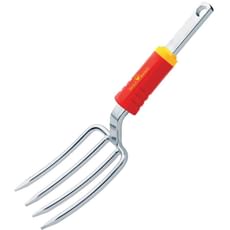
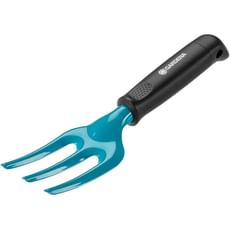
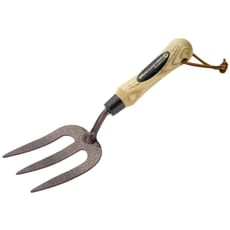
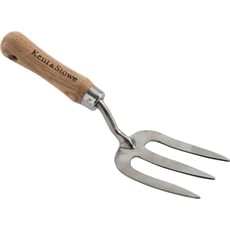
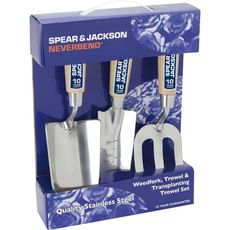
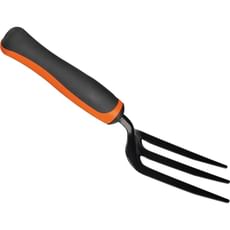
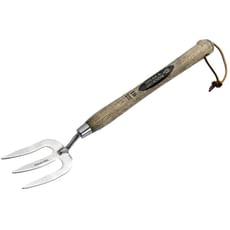
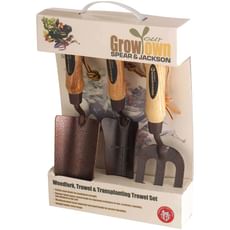
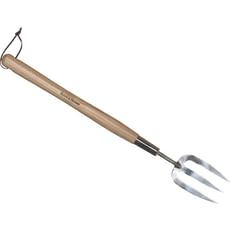
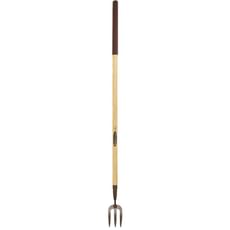
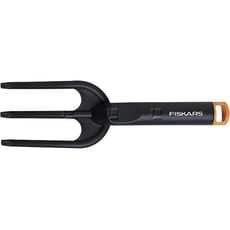
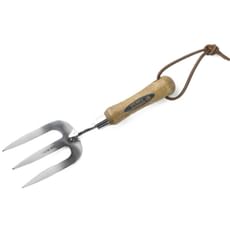
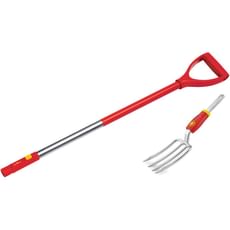
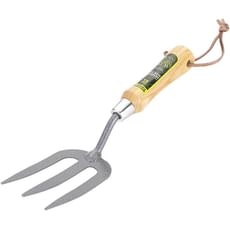
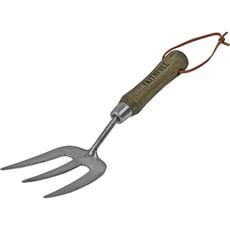
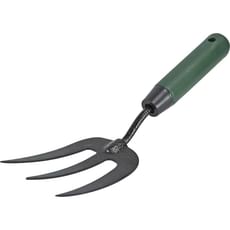
 Loading...
End of content
Error - No more pages to load
About Garden Hand Forks
Garden hand forks are essential implements for any gardener who values precision and control when working in confined spaces or around delicate plants. These compact cultivation tools combine portability with surprising versatility, making them indispensable for tasks ranging from weeding between established perennials to aerating container compost and working amendments into raised beds. Unlike their full-sized counterparts, hand forks allow you to work at close quarters without the back strain associated with long-handled tools, whilst their controlled leverage helps extract deep-rooted weeds intact and cultivate soil without disturbing neighbouring plants. The selection at Tooled-Up.com spans economy options for occasional gardeners through to professional-grade implements built for demanding daily use.
Available configurations include standard three- and four-tine designs for general cultivation, narrow-tined weeding forks that penetrate between plant roots, and cultivator-style variants with curved tines optimised for surface soil preparation. Construction materials vary from traditional carbon steel offering exceptional strength and rigidity, to low-maintenance stainless steel that resists corrosion in constantly damp conditions. Handle options include FSC-certified hardwoods like ash and beech, ergonomic soft-grip rubber for extended comfort, and weather-resistant moulded plastics suitable for outdoor storage. Leading manufacturers represented include Draper with their extensive range of both standard and Expert-grade tools, Spear and Jackson combining traditional craftsmanship with modern materials, Bulldog's premium stainless steel implements, and specialist brands like Bahco offering ergonomically refined designs for professional horticulture.
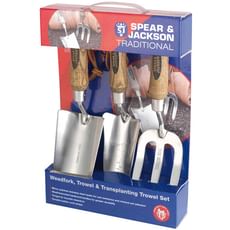
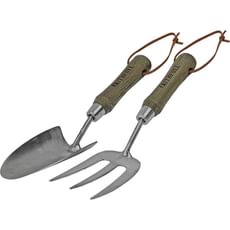
Build quality varies significantly across price points, from budget-friendly tools suitable for light container gardening to contractor-grade implements engineered to withstand the leverage forces encountered when working heavy clay soils or extracting stubborn tap-rooted weeds. Premium models feature one-piece forged construction eliminating weak points, full-tang designs where metal extends through the entire handle, and mirror-polished finishes that reduce soil adhesion. Many manufacturers offer coordinated tool sets pairing hand forks with complementary trowels and cultivators, providing a matched toolkit with consistent handling characteristics and unified storage solutions.
Jargon Buster
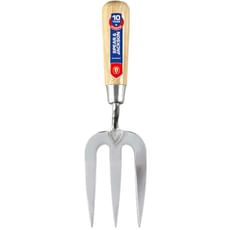
- Tines: The individual prongs or spikes that penetrate the soil. Most garden hand forks feature three or four tines, with spacing, length, and profile varying according to intended application—closely-spaced for general cultivation, widely-spaced for weeding, or curved for surface cultivating.
- Tang: The metal extension connecting the fork head to the handle. Full-tang construction, where metal runs the entire handle length, provides superior strength compared to socket-mounted designs where the handle fits into a collar on the fork head.
- Carbon Steel vs Stainless Steel: Carbon steel offers exceptional rigidity, holds a sharp point, and generally costs less, but requires periodic maintenance to prevent rust. Stainless steel resists corrosion without treatment, cleans more easily, and suits damp conditions, though it may flex slightly under heavy loads and typically costs more.
- Cultivator Fork: A hand fork variation featuring shorter, curved, or angled tines specifically designed for breaking up surface-compacted soil and working in compost, fertiliser, or mulch rather than deep digging or root extraction.
- Ergonomic Handle: A handle design following natural hand contours, often featuring soft-grip materials, shaped profiles, or cushioned sections that distribute pressure evenly, reducing fatigue and preventing blisters during extended gardening sessions.
- Mirror-Polished Finish: A highly polished surface treatment applied to stainless steel implements that not only enhances corrosion resistance but also minimises soil adhesion, particularly valuable when working sticky clay soils that typically cling to rougher finishes.
Who Uses Garden Hand Forks?
- Professional Gardeners and Groundskeepers: Maintenance of formal gardens, estate grounds, municipal parks, and commercial landscaping projects requiring precision cultivation around established plantings
- Landscape Contractors: Planting operations, bed preparation, and finishing work on landscaping installations where full-sized forks prove impractical
- Allotment Holders: Intensive cultivation of vegetable plots, permanent bed management, and close-quarters work between companion-planted crops
- Garden Centre and Nursery Staff: Container plant maintenance, repotting operations, seedling transplanting, and customer demonstration purposes
- Horticulture Students and Trainees: Learning proper cultivation techniques and practical plant management skills in college gardens and training facilities
- Domestic Gardeners and DIY Enthusiasts: General garden maintenance, raised bed cultivation, container gardening, and border management around the home
- Elderly or Mobility-Restricted Gardeners: Close-range work minimising bending and allowing seated gardening from stools, kneelers, or wheelchair height
- Alpine and Specialist Growers: Precision cultivation in rockeries, troughs, and miniature plantings where standard tools prove too large
How to Choose the Right Garden Hand Forks
Construction Material: Carbon steel hand forks from manufacturers like Draper and Spear and Jackson deliver excellent rigidity for working compacted soils and clay, though they require occasional cleaning and light oiling to prevent rust. Stainless steel alternatives from Bulldog, Faithfull, and Bahco provide superior corrosion resistance and easier cleaning, ideal for gardeners who prefer low-maintenance tools or work in constantly damp conditions. Consider your typical soil type and maintenance preferences—heavy clay favours robust carbon steel, whilst lighter soils and wet conditions suit stainless steel.
Tine Configuration: Three-tine designs offer better penetration in compacted ground and easier manoeuvring in confined spaces, whilst four-tine forks provide greater stability when lifting and turning soil. Specialist weeding forks feature narrower, more widely-spaced tines that slip between plant roots without disturbing them, perfect for extracting dandelions and docks with tap roots intact. Cultivator-style forks have shorter, curved tines optimised for surface work rather than deep penetration. Match the configuration to your primary tasks—weeding, general cultivation, container work, or soil preparation.
Handle Design and Comfort: Extended use demands comfortable handles that won't cause blisters or hand fatigue. Soft-grip rubberised handles like those on Bahco models provide excellent cushioning and secure purchase even with wet hands, whilst traditional hardwood handles offer durability and a classic aesthetic. FSC-certified ash or beech combines strength with sustainability, and moulded plastic handles provide weather resistance at economy price points. Handle length matters—longer handles suit users with larger hands or those preferring additional leverage, whilst compact designs suit smaller hands and alpine gardening.
Build Quality and Durability: Investment in professional-grade tools from established manufacturers typically includes extended warranties reflecting superior materials and construction methods. Tooled-Up stocks implements from Draper's Expert range, Bulldog's premium collections, and Spear and Jackson's contractor-grade tools built for sustained professional use. Check for one-piece forged construction rather than welded assemblies, which can fail under load. The junction between tines and handle represents the highest-stress point—look for full-tang designs or robust socket connections with secure riveting.
Intended Application and Usage Frequency: Occasional light use in container gardens or window boxes requires less investment than daily professional groundskeeping or allotment cultivation. Budget-friendly options from Draper's standard range or Kew Gardens collections suit casual gardeners, whilst tradespeople and professional horticulturalists should consider premium stainless steel or heavy-duty carbon steel tools engineered for demanding work. Specialist tasks like bonsai cultivation or alpine gardening may benefit from compact models with finer tines and shorter handles.
Popular Accessories
- Garden Hand Trowels: The natural companion to hand forks, essential for planting, transplanting, and soil moving tasks in confined spaces
- Garden Tool Sets: Coordinated multi-piece collections including forks, trowels, cultivators, and storage cases or tool rolls for organised transport
- Garden Tool Holsters and Belts: Convenient carrying solutions keeping hand tools accessible during garden work without repeated trips to the shed
- Gardening Gloves: Protective wear preventing blisters during extended use and protecting hands from thorns, splinters, and rough materials
- Garden Tool Cleaning Brushes: Wire or stiff-bristle brushes for removing soil deposits and maintaining tool surfaces between uses
- Tool Sharpening Files: Maintenance equipment for keeping tine tips sharp and ensuring efficient soil penetration
- Linseed Oil: Traditional treatment for wooden handles preventing drying, splitting, and weather damage when applied annually
- Kneeling Pads and Garden Stools: Comfort accessories facilitating extended close-range work with hand tools whilst reducing knee and back strain
- Garden Trugs and Buckets: Containers for collecting weeds, transporting compost, or organising small tools during gardening sessions
- Tool Storage Racks and Sheds: Organised storage solutions protecting tools from weather and preventing tine damage when not in use
Safety Information
Whilst garden hand forks present minimal safety hazards compared to powered equipment, proper use and storage prevents unnecessary injuries. Always clean soil from tines immediately after use—dried clay or compacted earth makes tools slippery and unpredictable during subsequent handling. Store hand forks with tines pointing downward or covered to prevent puncture injuries when reaching into sheds, tool bags, or storage boxes in poor lighting.
Wear appropriate gardening gloves to prevent blisters during extended use and protect hands from splinters if using wooden-handled tools. When working in confined spaces or around established plants, maintain awareness of tine positioning to avoid accidentally damaging plant roots, irrigation systems, or buried services. Never use hand forks as levers for tasks beyond their design capacity—extracting large stones or prying apart roots can result in bent tines, handle breakage, or sudden tool failure causing hand injuries.
Maintain wooden handles according to manufacturer guidance, applying linseed oil annually to prevent moisture absorption that causes swelling and splitting. Inspect tools regularly for loose connections between tines and handles, tightening fixings or retiring damaged tools as necessary. When working near children or pets, keep hand forks secured and never leave them lying on lawns or paths where they present a trip or puncture hazard. When disposing of worn-out hand forks, separate metal components for recycling and handle wooden elements responsibly according to local council guidelines.
Frequently Asked Questions
What's the difference between a garden hand fork and a weeding fork?
Standard garden hand forks typically feature three or four closely-spaced tines of medium length, designed for general cultivation tasks like aerating soil, mixing compost, and light digging. Weeding forks have narrower, more widely-spaced tines that penetrate between plant roots without disturbing them, allowing you to extract deep-rooted perennial weeds like dandelions, docks, and couch grass with their root systems intact. Many gardeners benefit from owning both types for different applications—a standard fork for cultivation and a specialist weeding fork for precision weed extraction.
Should I choose stainless steel or carbon steel construction?
Stainless steel hand forks resist corrosion without maintenance, clean more easily (particularly valuable in sticky clay soils), and suit damp conditions or gardeners preferring minimal upkeep. However, they typically cost more and may flex slightly under heavy loads in compacted ground. Carbon steel forks offer superior rigidity and strength for working challenging soils, hold a sharp point longer, and generally cost less, but require occasional cleaning and light oiling to prevent rust. For professional daily use in demanding conditions, many groundskeepers prefer robust carbon steel from brands like Draper or Spear and Jackson, whilst occasional gardeners appreciate stainless steel's convenience.
How do I maintain wooden-handled garden hand forks?
Clean soil from both metal and wooden components after each use, then dry thoroughly before storage to prevent moisture absorption. Apply linseed oil to wooden handles annually—this penetrates the grain, preventing moisture-related swelling, cracking, and eventual splitting. Store in a dry shed or garage rather than leaving exposed to weather, which accelerates deterioration. If handles become rough or develop splinters, sand lightly with medium-grit sandpaper before re-oiling. Properly maintained wooden handles from quality manufacturers can outlast the tool's metal components, making them excellent long-term investments.
Can garden hand forks be used effectively in containers and raised beds?
Garden hand forks excel in containers and raised beds where their compact size allows precise work without disturbing neighbouring plants or damaging container edges. They're ideal for aerating container compost that becomes compacted over time, working slow-release fertiliser into the root zone without transplanting, and removing weeds from densely planted containers. Choose models with three tines for easier manoeuvring in tight spaces, and consider stainless steel construction if working with moisture-retentive potting composts that accelerate corrosion on carbon steel tools.
What size hand fork do I need for general gardening tasks?
Standard adult garden hand forks measure approximately 280-320mm in total length, suiting most users for general cultivation, weeding, and container work. Longer models around 350-380mm provide additional leverage for working compacted soil or extracting stubborn weeds but may prove tiring during extended use or when working in confined spaces. Compact or children's models around 200-250mm suit alpine gardening, bonsai work, trough cultivation, or young gardeners developing their skills. Consider your hand size, typical applications, and whether you'll be working from a seated or standing position when selecting length—many professional gardeners keep multiple sizes for different tasks.