

Garden Rakes

Pay in 3 interest-free payments on purchases from £20-£3000 with  . Learn more.
 Loading...
End of content
Error - No more pages to load
About Garden Rakes
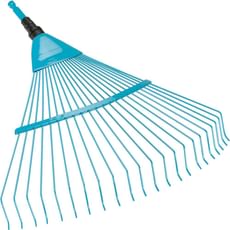
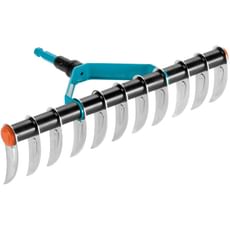
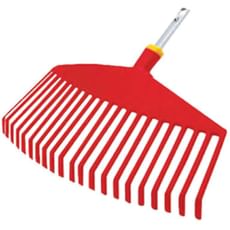
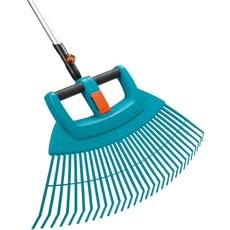
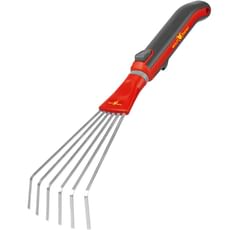
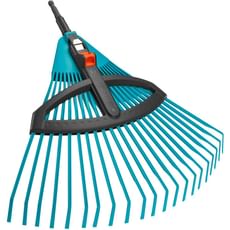
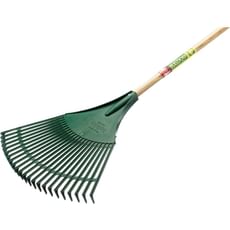
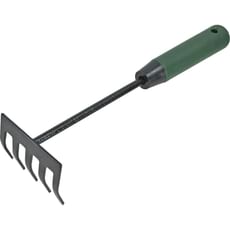
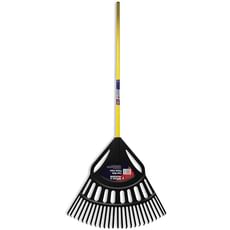
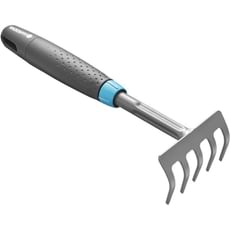
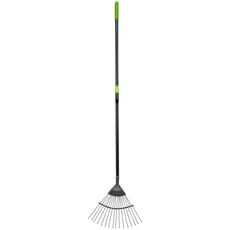
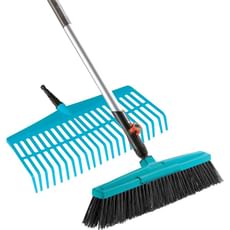
Garden rakes are indispensable tools for maintaining healthy outdoor spaces throughout the year, from preparing soil beds in spring to clearing fallen leaves in autumn. Whether you're levelling compost, removing thatch from lawns, breaking up compacted soil, or gathering garden debris, having the right rake transforms laborious gardening tasks into efficient, manageable work. The selection at Tooled-Up.com encompasses several specialist types designed for specific applications: rigid soil rakes with straight steel tines for cultivation and levelling, flexible lawn rakes (springbok rakes) for scarifying and thatch removal, wide plastic leaf rakes for clearing foliage, and compact hand rakes for working in confined spaces such as raised beds and containers.
Quality garden rakes feature robust construction designed to withstand regular use across varying conditions. Professional-grade options typically incorporate carbon steel heads with rust-resistant coatings, ensuring longevity even when working with damp soil. Handle materials range from traditional ash wood, which offers excellent strength and comfortable flex, to modern fibreglass and aluminium alternatives that provide lightweight durability and weather resistance. Tooled-Up stocks trusted brands including Draper, Gardena, Faithfull, Bulldog, Bosch Home and Garden, and Bahco, each offering different features suited to both professional groundskeepers and dedicated home gardeners.
Understanding the distinctions between rake types helps ensure you select the appropriate tool for your requirements. Adjustable rakes allow you to vary the working width for different areas, whilst specialist rubber-tined models excel on delicate surfaces like artificial turf or gravel. Head widths typically range from 150mm for hand rakes to over 750mm for wide leaf collection models, with tine spacing and configuration affecting both the fineness of cultivation and resistance to clogging when working with wet materials or grass clippings.
Jargon Buster
- Tines: The individual prongs or teeth of a rake, which can be rigid for soil work or flexible for lawn care, manufactured from steel, plastic, or rubber depending on the intended application.
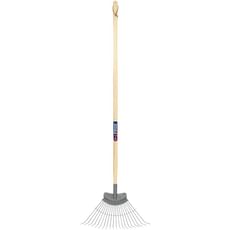
- Springbok/Spring Tine Rake: A lawn rake featuring flexible, curved spring-steel tines that bounce back when pressed against turf, specifically designed for scarifying lawns and removing thatch without damaging grass roots.
- Scarifying: The process of vigorously raking lawns to remove moss, thatch, and dead grass, promoting healthier growth, improved water penetration, and better nutrient absorption.
- Bow Head: A rake design where tines attach to a curved or arched support bar rather than a straight bar, providing additional strength and flexibility particularly common on lawn and leaf rakes.
- Head Width: The measurement across the working width of the rake head, typically ranging from 150mm for hand rakes to over 750mm for wide leaf rakes, determining coverage area per stroke.
- Tang and Socket Fittings: Methods by which rake heads attach to handles; tang fittings feature a pointed spike inserted into the handle, whilst socket fittings have a hollow receiver that the handle fits into, with the latter generally providing more secure attachment.
Who Uses Garden Rakes?
- Professional Gardeners and Landscapers: Using rakes daily for soil preparation, lawn maintenance, bed creation, and site clearing across multiple client properties.
- Groundskeepers and Greenkeepers: Maintaining sports grounds, golf courses, cricket pitches, bowling greens, parks, and public gardens requiring specialist lawn care equipment.
- Estate Managers and Grounds Teams: Caring for large private gardens, stately homes, schools, universities, and commercial properties with extensive grounds.
- Allotment Holders and Vegetable Growers: Preparing seed beds, creating fine tilth, levelling raised beds, and maintaining vegetable plots throughout the growing season.
- Local Authority Parks Departments: Managing public spaces, recreation grounds, municipal gardens, and roadside verges requiring robust, reliable tools for daily use.
- Garden Centre and Nursery Staff: Performing daily maintenance tasks including bed preparation, surface levelling, leaf clearing, and general tidying of display areas.
- DIY Gardeners and Homeowners: Maintaining domestic gardens, lawns, borders, patios, and driveways with seasonal tasks from spring preparation to autumn clearance.
- Agricultural Workers: Maintaining paddocks, smallholdings, orchards, and farm gardens where manual cultivation remains practical and efficient.
- Volunteer Groups: Community gardening projects, churchyard maintenance, conservation work, and public space improvement schemes requiring durable, shared tools.
How to Choose the Right Garden Rakes
Identify Your Primary Task: Different rake types excel at specific jobs, so begin by determining your main application. For breaking up compacted soil, levelling surfaces, and creating fine seed beds, choose a rigid soil rake with straight steel tines spaced approximately 30-40mm apart. For lawn care, thatch removal, and moss clearance, select a springbok rake with flexible curved tines that won't damage grass roots. For gathering fallen leaves, grass clippings, and light debris, opt for a wide plastic or rubber-tined rake that covers ground quickly without scratching paving or damaging delicate surfaces. Many gardeners benefit from owning multiple rakes for different seasonal requirements.
Consider Head Width and Tine Configuration: Wider heads cover more ground per stroke, increasing efficiency on large open areas, but require greater effort and space to manoeuvre effectively. A 300-400mm width suits general border work and confined spaces, whilst 500-750mm widths prove ideal for lawns, drives, and large areas. Tine spacing significantly affects performance; closer spacing provides finer soil cultivation and better debris collection, whilst wider gaps prevent clogging when working with wet leaves or sticky clay soil. Adjustable rakes from brands like Draper and Gardena offer versatility by allowing you to change the working width to suit different areas without switching tools.
Handle Length and Material Selection: Standard rake handles typically measure 1500-1700mm, but selecting the correct length for your height prevents back strain during extended use. As a general guide, the handle should reach approximately your shoulder height when stood upright. Traditional ash wood handles provide excellent strength, natural flex, and comfortable feel, though they require occasional maintenance with linseed oil. Fibreglass and aluminium alternatives offer lightweight durability, consistent performance, and weather resistance without maintenance. Look for handles with comfortable grips or rubberised sections, particularly important for professional users working extended periods. Hand rakes with 300-400mm handles prove invaluable for close work in raised beds, containers, and between established plants.
Build Quality and Durability: Professional users and frequent gardeners should prioritise carbon steel heads with protective powder coating or galvanisation to prevent rust, particularly when working with damp soil. Examine how tines attach to the head; welded or riveted construction proves more durable than crimped alternatives. Check that flexible tines have appropriate spring tension—insufficient flexibility won't effectively remove thatch, whilst excessive flexibility reduces efficiency. Socket fittings with securing bolts generally provide more secure handle attachment than tang fittings, though quality tang-fitted rakes from manufacturers like Bulldog and Faithfull offer excellent reliability when properly maintained. Brands available at Tooled-Up such as Draper, Gardena, and Bahco offer proven durability backed by manufacturer warranties.
Budget and Frequency of Use: For occasional domestic use—perhaps a dozen sessions annually—mid-range rakes from Draper or Faithfull provide excellent reliability without professional-grade pricing. Regular users and professional gardeners benefit from investing in premium tools from Gardena or Bulldog that withstand daily use and harsh conditions. Consider lifecycle costs rather than just initial price; a quality rake properly maintained can last several decades, making it considerably more economical than replacing cheaper alternatives every few seasons. For those requiring multiple rake types, purchasing a good quality soil rake and leaf rake as a minimum provides versatility for most common gardening tasks throughout the year.
Popular Accessories
- Garden Forks: Complementing rakes for heavy cultivation, turning compost, breaking up clods, and lifting materials that rakes cannot handle effectively.
- Garden Hoes: For weeding between rows, creating drills, and initial cultivation before using a rake to prepare the final seed bed surface.
- Wheelbarrows and Garden Carts: Essential for transporting collected leaves, thatch, grass clippings, and garden waste to compost heaps or disposal areas.
- Garden Waste Bags: Heavy-duty sacks and tarpaulin sheets for collecting and disposing of raked materials, particularly useful during autumn leaf clearance.
- Lawn Scarifiers: Electric or petrol-powered alternatives for large lawn areas requiring regular thatch removal, complementing manual rakes for smaller sections.
- Garden Tool Storage: Wall-mounted racks, shed organisers, and weatherproof storage units to protect rakes from weather damage and prolong working life.
- Replacement Handles: Spare ash or fibreglass handles allowing you to extend the life of quality rake heads should the original handle break or deteriorate.
- Garden Gloves: Protecting hands from blisters, splinters, and abrasion during extended raking sessions, particularly important when using wooden-handled tools.
- Lawn Treatment Products: Fertilisers, moss killers, grass seed, and top dressing to apply after scarifying and raking for optimum lawn recovery and growth.
- Leaf Blowers: For initial gathering of leaves into manageable piles before final collection with leaf rakes, particularly efficient on large properties.
- Garden Kneelers and Seats: Providing comfort when using hand rakes for extended periods in raised beds and borders.
Safety Information
Whilst garden rakes are relatively simple tools, observing proper practices prevents injury and strain. Always store rakes with tines facing downward or securely against a wall to prevent the classic garden hazard of stepping on upturned tines and being struck by the rebounding handle. When working, maintain awareness of others nearby, particularly children and pets, especially when swinging rakes overhead or turning quickly. Keep a safe working distance from greenhouses, cold frames, and other glazed structures where wayward tines could cause expensive damage.
Prevent musculoskeletal injuries by selecting the correct handle length for your height and maintaining good posture whilst raking. Keep your back straight, bend from the knees when necessary, and avoid overreaching or twisting movements. Use a pushing and pulling motion rather than excessive lifting, and let the rake's weight do much of the work. Take regular breaks during extended sessions—particularly during autumn leaf clearance or spring soil preparation—and alternate between different tasks to avoid repetitive strain injuries. Wear sturdy footwear with good grip and ankle support, as raking often involves working on uneven, slippery, or freshly cultivated ground.
Inspect rakes before each use, checking that tines are secure without cracks or excessive rust, handles are free from splinters or structural damage, and fittings are tight. Loose or damaged components can fail during use, potentially causing injury or requiring immediate replacement. After use, clean soil and debris from tines using a stiff brush or hose to prevent rust on metal components and deterioration of plastic parts. Store rakes in a dry location away from ground moisture, hanging them vertically where possible. Apply light oil to steel tines periodically to maintain their condition and prevent corrosion, particularly if storing through winter months.
Frequently Asked Questions
What's the difference between a soil rake and a lawn rake?
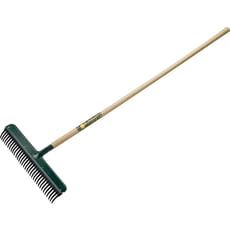
Soil rakes (also called garden rakes) have rigid, straight steel tines set at 90 degrees to the handle, designed for breaking up soil, levelling surfaces, removing stones, and creating fine tilth for planting. The tines are typically spaced 30-40mm apart and constructed from solid steel rod. Lawn rakes (springbok or spring-tine rakes) feature flexible, curved spring-steel tines that effectively remove thatch, moss, and leaves from grass without damaging the turf beneath. The flexible tines spring back when pressed, allowing them to penetrate the grass canopy whilst sliding past grass blades rather than tearing them. Each type is optimised for its specific purpose, and keen gardeners often own both for different seasonal tasks.
How often should I scarify my lawn with a rake?
Most domestic lawns benefit from scarifying once or twice annually, typically in spring (April to May) and autumn (September to October) when grass is actively growing and can recover quickly from the vigorous treatment. Only scarify when soil is moist but not waterlogged, and grass is dry—scarifying wet grass causes excessive damage and spreads disease. Avoid scarifying during drought conditions, frost, or when grass is stressed by heat or disease. New lawns should be established for at least two years before first scarifying to allow root systems to develop sufficiently. Tired lawns, those prone to moss, or heavily used areas may require more frequent attention, whilst well-maintained lawns on free-draining soil may need scarifying only annually.
Can I use a leaf rake on my gravel driveway or path?
Plastic or rubber-tined leaf rakes work well on gravel surfaces as the flexible tines collect leaves, twigs, and debris without significantly disturbing the stones beneath. Use a wide rake with gentle sweeping action rather than aggressive pulling to minimise gravel displacement. Avoid using rigid steel soil rakes on gravel as they'll gather and displace stones along with the leaves, creating bare patches and uneven surfaces. Some manufacturers including Gardena produce specialist rubber rakes specifically designed for gravel drives, artificial turf, and delicate surfaces where standard rakes might cause damage. For best results on extensive gravel areas, consider using a leaf blower for initial gathering followed by a rubber rake for final collection.
Why do rake handles come loose, and how can I fix this problem?
Wooden handles naturally shrink and swell with changes in moisture and temperature, causing tang fittings to loosen over time, particularly if stored in damp conditions or exposed to weather. To tighten a loose tang fitting, remove the head, soak the handle end in water for several hours to swell the wood fibres, then firmly refit the head by striking the handle end against the ground. For a permanent solution, drill a small pilot hole (approximately 3mm) through both the tang and handle, then insert a galvanised nail or steel pin to mechanically secure them together. Alternatively, remove the head, apply exterior wood glue to the tang, and refit firmly. Socket-fitted handles with securing screws, bolts, or rivets are considerably less prone to this issue and generally require only occasional tightening.
Are adjustable rakes worth the extra cost compared to fixed-width models?
Adjustable rakes offering variable working widths (typically from 300mm to 600mm) provide excellent versatility, particularly for gardeners with limited storage space or those working in areas of different sizes. They're especially useful for switching between narrow borders in contracted mode and open lawn areas in extended mode without changing tools. This versatility makes them popular with domestic gardeners managing varied tasks throughout the year. However, the adjustment mechanism introduces moving parts requiring occasional maintenance and potential points of failure. For professional daily use or frequent heavy-duty work, dedicated fixed-width rakes often prove more robust and reliable. For domestic gardeners managing varied tasks across different garden areas, adjustable models from Draper or Gardena represent good value and genuine convenience, effectively replacing two or three fixed-width rakes.