

Garden Rollers

Pay in 3 interest-free payments on purchases from £20-£3000 with  . Learn more.
Loading...
End of content
Error - No more pages to load
About Garden Rollers
Garden rollers are indispensable tools for anyone seeking to achieve a professional-quality lawn or prepare ground for turfing, seeding, or landscaping projects. These simple yet effective pieces of equipment use weight and pressure to compact soil, eliminate air pockets, smooth out minor surface irregularities, and ensure proper contact between turf roots and the soil beneath. Whether you're establishing a new lawn from scratch, laying fresh turf, or maintaining an existing grass surface to bowling green standards, a quality garden roller delivers results that are difficult to achieve through any other method. The selection at Tooled-Up.com includes both manually-operated push rollers designed for domestic gardens and larger towable field rollers suited to extensive grounds, sports pitches, and agricultural applications.
Modern garden rollers typically feature fillable drums that can be weighted with water or sand according to the task at hand, providing versatility that fixed-weight models cannot match. This adjustability means the same roller can handle delicate work on newly-germinated grass seedlings with minimal fill, then be loaded to maximum capacity for compacting hard ground or bedding in turf. Construction materials vary between heavy-duty welded steel drums offering exceptional durability for commercial groundskeeping, and rust-proof polyethylene (poly) alternatives that prove lighter to manoeuvre and store whilst still delivering excellent results for domestic use. Working widths span from compact 300-400mm models ideal for smaller gardens and tight access areas, through to substantial 900mm+ towable rollers that make light work of large lawns, paddocks, and sports fields.
Tooled-Up stocks garden rollers from respected brands including Handy, Draper, and Einhell—manufacturers with proven track records in the garden equipment sector. These products combine practical design features like ergonomic handles, robust drum construction, and straightforward filling mechanisms with the build quality required for season after season of reliable service. Whether you're a professional landscape gardener, groundskeeper, or DIY enthusiast determined to achieve a lawn that's the envy of the neighbourhood, investing in a proper garden roller transforms ground preparation and maintenance tasks from laborious challenges into straightforward jobs with consistently superior results.
Jargon Buster
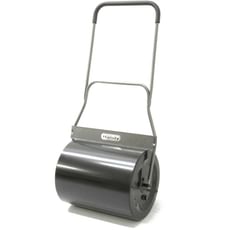
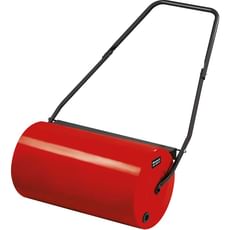
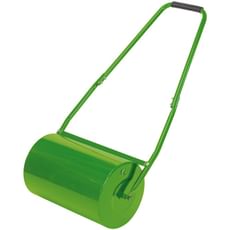
- Push Roller: A manually-operated garden roller fitted with a handle that the operator pushes across the lawn surface. These models suit small to medium gardens, typically featuring roller widths between 300-600mm. They're lighter and more manoeuvrable than towable alternatives, requiring no additional machinery to operate.
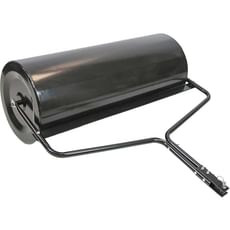
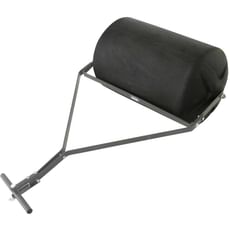
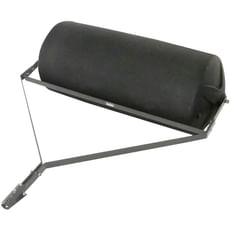
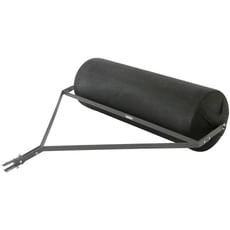
- Towable Roller: A larger capacity roller designed to be towed behind a ride-on mower, garden tractor, quad bike, or compact tractor. Essential for extensive lawns, paddocks, sports grounds, and situations where pushing would prove impractical due to area size. Usually features a towing hitch compatible with standard garden machinery.
- Poly Roller: A garden roller constructed with a polyethylene (plastic) drum rather than steel. These models offer rust-proof operation, lighter weight when empty for easier handling and storage, and remain unaffected by winter weather. Ideal for domestic use, though potentially less durable than steel under intensive commercial conditions.
- Fillable Drum: The cylindrical barrel component of the roller that can be filled with water or sand to increase its weight and therefore rolling pressure. Empty drums make the unit easy to move and store, whilst filled drums provide the mass needed for effective soil compaction and turf bedding.
- Working Width: The width of the roller drum that makes contact with the ground during operation, measured in millimetres. Wider rollers cover more ground quickly, reducing the time required for large areas, but demand more storage space and can prove challenging to manoeuvre around obstacles or in confined gardens.
- Drum Capacity: The volume of water or sand the roller drum can accommodate, usually measured in litres. Higher capacity translates to greater potential weight for more effective compaction on harder ground, established turf, or when preparing surfaces for intensive use such as sports pitches.
Who Uses Garden Rollers?
- Landscape Gardeners: Professional landscapers rely on garden rollers for preparing ground before turfing operations, compacting newly-laid lawn areas, and maintaining client gardens to exacting standards as part of comprehensive landscaping services.
- Groundskeepers and Greenkeepers: Those responsible for sports pitches, golf courses, cricket squares, bowling greens, and recreational grounds depend on rollers for regular pitch maintenance, seasonal preparation, and achieving the playing surface quality demanded by competitive sport.
- Lawn Care Specialists: Professional lawn treatment and maintenance companies incorporate rollers into their service offerings for levelling turf, improving grass quality, and addressing surface irregularities caused by frost heave or mole activity.
- Estate Managers and Park Keepers: Professionals maintaining large private estates, public parks, stately home grounds, and recreational spaces use towable rollers for efficient ground maintenance across extensive areas where manual pushing would prove impractical.
- Farmers and Smallholders: Agricultural users employ field rollers for pasture management, paddock maintenance, preparing equestrian areas, and general grassland upkeep as part of land management programmes.
- DIY Enthusiasts and Homeowners: Garden-proud homeowners invest in push rollers for creating new lawns from seed, laying turf to professional standards, and maintaining their grass areas without hiring contractors or expensive equipment.
- Sports Club Volunteers: Groundskeeping volunteers at local football clubs, cricket clubs, rugby clubs, and other amateur sports facilities use rollers for pitch preparation, maintenance, and ensuring safe playing surfaces throughout the season.
How to Choose the Right Garden Rollers
Push or Towable: Consider your lawn size and available equipment first. Push rollers suit gardens up to approximately 200 square metres and require only human power to operate. Towable rollers become essential for larger areas, paddocks, or multiple pitches, but require a ride-on mower, garden tractor, or quad bike with suitable towing capacity and compatible hitch fitting.
Roller Width: Match the working width to your garden dimensions and access constraints. Compact 300-400mm rollers navigate tight spaces, gates, and pathways whilst storing easily in sheds, but take longer to cover substantial areas. Medium 500-600mm models offer an excellent balance for most domestic gardens, combining reasonable coverage rates with manageable size. Wider 900mm+ towable rollers suit fields, estates, and sports grounds where efficiency matters more than manoeuvrability.
Construction Material: Steel rollers deliver exceptional durability and heavy-duty performance, perfect for commercial groundskeeping, rough ground preparation, and intensive use, though they require dry storage to prevent rust formation. Poly rollers provide rust-proof operation, lighter weight when empty for easier handling, and remain unaffected by outdoor storage, making them ideal for domestic use, though they may not withstand the same level of commercial abuse as welded steel alternatives.
Drum Capacity: Check the fillable capacity in litres to ensure adequate weight for your ground conditions and intended applications. Lighter fills suit delicate newly-seeded lawns where excessive pressure would damage emerging grass, whilst maximum capacity provides the compaction force needed for hard ground, establishing turf, or sports surface preparation. The ability to adjust weight through partial filling offers valuable versatility across different tasks.
Handle Design: For push models, examine handle ergonomics carefully. Look for comfortable working height matched to your stature, good grip surfaces that remain secure in damp conditions, and T-bar designs that generally provide better control than single-grip alternatives. Some models feature folding or removable handles that significantly reduce storage space requirements—a worthwhile consideration for smaller sheds and garages.
Brand Reputation: Products available from Tooled-Up include reliable brands such as Handy, Draper, and Einhell—all well-established names in the garden equipment market with reputations built on consistent quality. These manufacturers provide good build standards, reasonable warranty support, and spare parts availability when eventually needed after years of service.
Popular Accessories
- Lawn Scarifiers and Aerators: Complement rolling work with scarifying to remove thatch and moss buildup, and aerating to improve drainage and root development before rolling for optimum lawn health results.
- Grass Seed and Turf Fertilisers: Essential products for establishing new lawns where rolling forms part of the ground preparation and establishment process, ensuring good germination and healthy grass development.
- Garden Rakes: Use before rolling to achieve a level surface, remove stones that could create depressions under roller pressure, and work soil or sand into a fine tilth for seeding.
- Tape Measures and String Lines: Helpful for marking out areas accurately, ensuring even coverage when rolling, and maintaining straight edges for professional-looking results.
- Towing Hitches and Pins: Check compatibility between your towable roller and mower or tractor model, with spare hitch pins being useful emergency spares to keep in your toolkit.
- Lawn Spreaders: For applying seed, fertiliser, and lime evenly before and after rolling operations, ensuring consistent coverage across the entire treated area.
- Wheelbarrows: Useful for transporting sand or soil for filling rollers when water sources aren't conveniently located, or when sand's greater weight proves necessary for compaction work.
- Garden Hoses and Watering Equipment: Essential for filling water-based rollers and for post-rolling watering of newly-seeded or turfed areas to aid establishment.
Safety Information
Manual Handling: Garden rollers become extremely heavy when filled, frequently exceeding 50-100kg and sometimes reaching 150kg+ at maximum capacity. Always assess the weight realistically and use proper manual handling techniques when pushing. Keep your back straight, engage your leg muscles for power rather than your back, maintain a firm grip, and take regular breaks to avoid strain. Never attempt to lift or tip a filled roller—always drain completely before moving, transporting, or storing the unit.
Gradient Safety: Exercise extreme caution when working on slopes and gradients. A heavily-filled roller can gain momentum rapidly on downhill sections, becoming difficult or impossible to control safely. Work across slopes rather than up and down where possible, significantly reduce fill weight when any gradient work proves unavoidable, and avoid rolling on steep inclines altogether. Consider the potential consequences of losing control before starting work on sloping ground.
Towing Safety: When operating towable rollers, verify that your towing vehicle possesses adequate power and braking capacity for the combined weight. Check hitch connections are properly secured before starting work and re-check periodically. Be aware that the roller adds significant weight affecting braking distance, turning radius, and manoeuvrability. Never allow passengers to ride on the roller, and maintain awareness of the roller's position when reversing or turning.
Children and Pets: Keep children and pets well away from rolling operations at all times. The heavy weight and moving components present serious crushing hazards. Establish a clear safety perimeter before starting work, and remain vigilant throughout the task.
Storage Safety: Always drain rollers completely before winter storage to prevent freezing damage to drums and filling mechanisms. Store in a stable position where the roller cannot tip over, particularly important if children access the storage area.
Frequently Asked Questions
Should I fill my garden roller with water or sand?
Water proves most practical for the majority of applications—it's readily available, free, easily drained for storage and weight adjustment, and provides adequate mass for most lawn work. Sand delivers approximately 60% more weight than water for the same volume, useful for very hard ground compaction, heavy-duty sports pitch work, or when maximum pressure proves necessary. However, sand makes the roller significantly harder to push, complicates weight adjustment, and must be completely emptied before winter to prevent freezing damage. Most domestic users find water perfectly adequate for their requirements.
When is the best time to roll a lawn?
Roll established lawns in spring when soil is moist but not waterlogged—typically March to April across most of the UK, though timing varies with regional weather patterns. Soil should be soft enough to compact without being so wet that it smears or the roller sinks in. For new lawns, roll before seeding to create a firm, level seedbed, then again lightly after germination once grass reaches approximately 5cm height to ensure good seed-to-soil contact. Avoid rolling when soil is frozen, very wet, or during drought conditions, as this can damage grass plants and compact soil excessively, reducing drainage and root development.
How heavy should my garden roller be?
For general lawn maintenance and newly-seeded areas, aim for 50-70kg total weight to avoid damaging delicate grass or over-compacting soil. For laying turf or initial ground preparation on reasonably workable soil, 80-120kg provides better compaction and eliminates air pockets effectively. Professional groundskeepers working on sports pitches may use rollers up to 200kg+ for specific applications like cricket square preparation. Most domestic situations benefit from a moderately-filled roller rather than maximum capacity—excessive weight can damage soil structure and grass health.
Do I need to roll my lawn every year?
Most domestic lawns don't require annual rolling unless addressing specific issues like frost heave damage, minor surface irregularities from mole activity, or settling after aeration work. Over-rolling can compact soil excessively, reducing drainage, restricting root development, and ultimately harming grass health. Professional sports surfaces undergo more frequent rolling as part of intensive maintenance programmes, but typical home lawns benefit more from regular mowing at correct height, seasonal feeding, and occasional aeration rather than routine rolling.
Can I use a garden roller on newly-laid turf?
Yes—rolling is highly recommended after laying turf to ensure optimal contact between turf roots and the underlying soil, eliminating air pockets that prevent establishment and can cause turf to dry out. Use a light to moderate weight setting and roll within 24 hours of laying for best results. This process helps the turf settle evenly, prevents lifting edges, and promotes rapid root development into the soil beneath. Follow up with thorough watering after rolling to aid establishment further.