

Garden Tidy
Pay in 3 interest-free payments on purchases from £30-2000 with  . Learn more.

 Loading...
End of content
Error - No more pages to load
About Garden Tidy
Maintaining a clean and organised outdoor space requires the right collection of garden tidy equipment. Whether you're clearing autumn leaves from your lawn, sweeping debris from your patio, or collecting pruned branches and grass clippings, having purpose-built tools makes the task considerably easier and more efficient. This category brings together essential equipment designed to help homeowners, professional gardeners, and groundskeepers keep outdoor spaces looking pristine throughout the year.
From robust garden brooms and brushes for sweeping hard surfaces to convenient pop-up bags for collecting waste, the range available from Tooled-Up.com covers all aspects of garden maintenance and cleanup. Leaf collectors help you tackle seasonal leaf fall quickly, whilst litter pickers allow you to collect debris without constant bending and straining your back. These tools are particularly valuable during peak garden maintenance periods in spring and autumn, though they prove useful year-round for keeping driveways, patios, decking, and lawns free from accumulated waste and debris.
Professional landscapers and groundskeepers rely on durable garden tidy equipment that can withstand daily use on multiple sites, whilst homeowners and DIY enthusiasts benefit from the same quality tools to maintain their own gardens efficiently. The right equipment not only saves time but also helps prevent common problems like blocked drains, moss growth on patios, and lawn damage caused by decomposing leaves blocking sunlight from reaching grass.
Jargon Buster
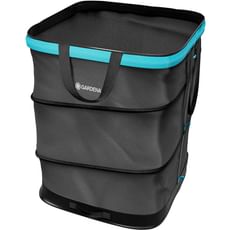
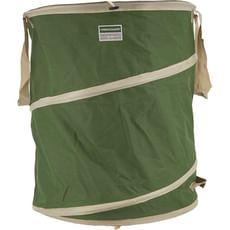
- Pop-Up Bag: A collapsible garden waste bag with a spring-loaded frame that automatically opens into shape when released. These space-saving bags typically feature reinforced handles and are made from tear-resistant polyester or polypropylene material, making them ideal for collecting leaves, grass clippings, and light prunings.
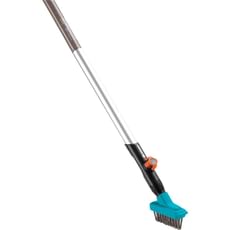
- Decking Brush: A specialised broom designed with stiff bristles and a narrow head to clean between the gaps of decking boards, removing trapped debris, moss, and algae that can cause slippery surfaces and premature wood deterioration.
- Leaf Grabbers: Handheld tools resembling large claws or hands that allow you to scoop and collect large volumes of leaves and light garden waste quickly without a rake. Often sold in pairs for use with both hands simultaneously.
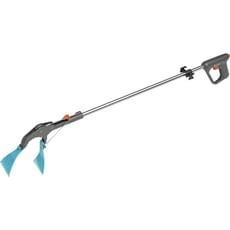
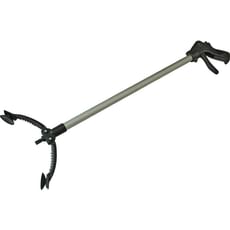
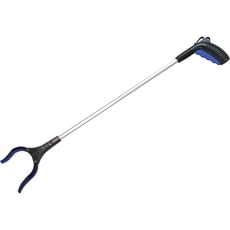
- Litter Picker (Helping Hand): An extended reaching tool with a trigger-operated gripper mechanism at one end, allowing users to collect rubbish and debris from the ground without bending. Available in various lengths typically from 600mm to 1200mm.
- Soft Broom: A brush with flexible, fine bristles designed for sweeping fine debris and dust from smooth surfaces like patios, pathways, and garage floors without scratching. Contrasts with stiff brooms used for rougher surfaces.
- Garden Waste Capacity: Measured in litres, this indicates how much material a collection bag or container can hold before requiring emptying. Typical pop-up bags range from 50 to 200 litres capacity.
Who Uses Garden Tidy?
Garden tidy equipment serves a diverse range of users across both professional and domestic settings:
- Professional Gardeners and Landscapers – requiring durable, high-capacity tools for efficient maintenance across multiple client properties
- Groundskeepers and Estate Managers – maintaining parks, sports grounds, commercial premises, and large residential estates
- Local Authority Workers – keeping public spaces, pavements, and communal areas clean and safe
- Facilities Management Teams – maintaining outdoor areas around commercial buildings, schools, and hospitals
- Tree Surgeons and Arborists – collecting fallen branches, leaves, and wood chips from tree work
- Homeowners and DIY Enthusiasts – maintaining their own gardens, patios, driveways, and outdoor living spaces
- Caravan and Holiday Park Operators – keeping communal grounds and individual pitches tidy
- Property Maintenance Companies – providing comprehensive grounds care services for residential and commercial clients
How to Choose the Right Garden Tidy
Selecting appropriate garden tidy equipment depends on several practical considerations related to your specific outdoor space and typical maintenance tasks:
Size of Area: Larger gardens, driveways, and commercial spaces benefit from wide-headed brooms and high-capacity waste bags (120-200 litres), whilst smaller domestic patios and courtyards work well with compact tools and 50-80 litre collection bags. Consider how frequently you'll need to empty collection containers based on the volume of waste your space typically generates.
Type of Surface: Hard surfaces like paving, tarmac, and concrete require stiff-bristled brooms that can dislodge embedded dirt, whilst decking needs specialised narrow brushes to clean between boards. Soft brooms work best on smooth patios where scratching is a concern. Lawns require leaf collectors or blowers rather than brooms to avoid damaging grass.
Primary Debris Type: Autumn leaves call for large-capacity collectors and leaf grabbers, whilst general garden maintenance produces mixed waste requiring versatile pop-up bags. Properties with significant litter problems benefit from long-reach litter pickers, and areas with wet debris need bags with drainage holes or waterproof bases.
Storage Constraints: If storage space is limited, collapsible pop-up bags that fold flat and telescopic-handled tools offer significant advantages. Professional users working from vans particularly value space-saving equipment that can be transported efficiently between sites.
Frequency of Use: Professional daily use demands heavy-duty construction with reinforced handles, metal components, and commercial-grade materials. Occasional domestic use allows for lighter-weight, more economical options that still deliver reliable performance for weekend garden maintenance.
Physical Considerations: Litter pickers and long-handled tools significantly reduce back strain for users with mobility issues or those covering large areas. Lightweight aluminium or fibreglass handles prove easier to use for extended periods than heavier wooden alternatives, whilst ergonomic grips reduce hand fatigue.
Popular Accessories
- Heavy-Duty Garden Waste Bags – disposable or reusable bags for transporting collected waste to disposal points
- Garden Waste Bins and Containers – permanent storage solutions for organic waste awaiting composting or collection
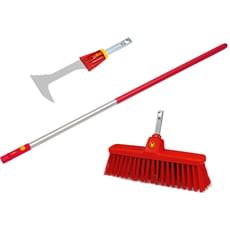
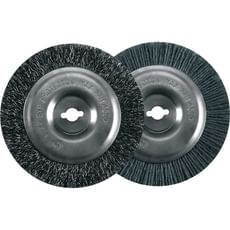
- Replacement Broom Heads – extending the life of quality handles by replacing worn bristles
- Garden Kneelers and Pads – protecting knees when hand-picking debris or weeding alongside tidying tasks
- Work Gloves – protecting hands when collecting waste, handling thorny prunings, or using rough materials
- Leaf Blowers and Vacuums – power tools for tackling large volumes of leaves quickly
- Garden Tool Storage Solutions – wall-mounted racks and sheds for organising brooms, pickers, and other equipment
- Wheelbarrows and Garden Carts – transporting full waste bags and heavy debris around larger properties
- Rake and Brush Sets – complementary tools for loosening and collecting different types of garden debris
Safety Information
Whilst garden tidy equipment is generally low-risk, following proper safety practices ensures comfortable and injury-free use:
Manual Handling: Always bend at the knees rather than the waist when lifting full waste bags, and avoid overfilling bags beyond your comfortable lifting capacity. Wet garden waste becomes significantly heavier than dry material, so adjust bag capacity accordingly. When using litter pickers or long-handled tools, maintain good posture and avoid overreaching, which can cause back strain.
Repetitive Strain: Take regular breaks during extended sweeping or raking sessions to prevent muscle fatigue and repetitive strain injuries. Alternate hands when using litter pickers, and vary your tasks throughout the day rather than spending hours on the same repetitive motion.
Trip Hazards: Position pop-up bags and collection containers away from main pathways to prevent tripping. Be mindful of broom and tool handles potentially causing obstacles for others, especially when working in shared spaces or near children and pets.
Sharp Objects: Exercise caution when collecting unknown debris with litter pickers, as broken glass, sharp metal, or thorny plant material may be concealed within leaves or general waste. Wear sturdy gloves rated for handling sharp objects when manually sorting or compacting garden waste.
Weather Conditions: Wet leaves and organic matter can make hard surfaces extremely slippery. Wear appropriate footwear with good grip when working in damp conditions, and consider clearing wet debris more frequently to prevent hazardous accumulations on pathways and steps.
Frequently Asked Questions
What size pop-up garden bag do I need for my garden?
For small to medium domestic gardens (up to 100 square metres), a 50-80 litre bag typically suffices for regular maintenance. Larger gardens or properties with numerous trees benefit from 120-200 litre capacity bags. Professional gardeners often use multiple large bags simultaneously. Consider that autumn leaf collection requires significantly more capacity than general summer maintenance.
Can I put garden waste bags in my brown bin?
This depends on your local authority's waste collection policies. Most UK councils accept loose garden waste in brown bins but have specific rules about bags. Some accept biodegradable paper garden waste bags, whilst others require loose waste only. Reusable pop-up bags are designed for collecting and transporting waste to your disposal point, then emptying and reusing repeatedly rather than disposing of the bag itself.
What's the difference between a soft broom and a stiff broom for garden use?
Stiff brooms feature rigid bristles (often made from bassine, PVC, or stiff synthetic fibres) designed to dislodge embedded dirt, moss, and debris from rough surfaces like concrete, tarmac, and textured paving. Soft brooms have flexible bristles ideal for fine dust and debris on smooth surfaces like polished stone patios, garage floors, and sealed concrete where scratching is a concern. Many users benefit from having both types for different areas and tasks.
How do I maintain my garden tidy equipment to make it last longer?
After use, remove trapped debris from broom bristles by combing through with your fingers or another tool. Wash dirty tools with clean water and allow them to dry completely before storage to prevent rot and rust. Store brooms hanging or standing on their handles rather than resting on bristles, which causes permanent deformation. Empty and dry pop-up bags thoroughly before folding to prevent mould growth. Check litter picker mechanisms periodically and apply light lubrication to moving parts if they become stiff.
Are litter pickers strong enough for garden waste or just lightweight litter?
Quality litter pickers designed for garden use typically handle small branches, wet leaves, stones, and general garden debris effectively, with working capacities often up to 1-2kg depending on the model. The Tooled-Up range includes both professional-grade models with aluminium or steel construction that prove more durable than lightweight domestic versions. For very heavy items, large logs, or compacted soil, consider using grabbers or manual collection with gloves instead.