

Garden Trolleys
Pay in 3 interest-free payments on purchases from £30-2000 with  . Learn more.
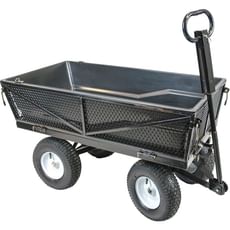
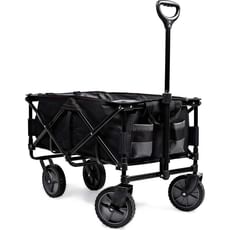
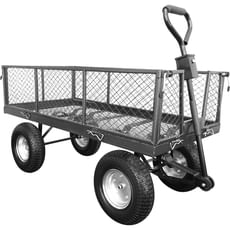
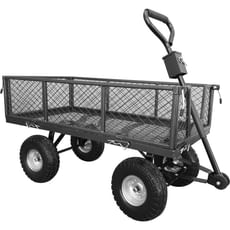
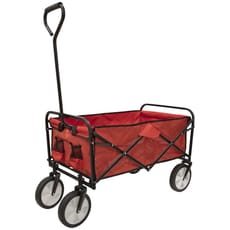
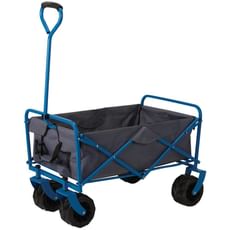
 Loading...
End of content
Error - No more pages to load
About Garden Trolleys
Garden trolleys are indispensable pieces of equipment for anyone who needs to transport heavy or bulky loads around outdoor spaces efficiently and safely. Whether you're moving soil, compost, garden waste, tools, or building materials, a quality garden trolley makes light work of tasks that would otherwise require multiple trips with a wheelbarrow or risk strain and injury from manual carrying. With their four-wheel design and robust construction, garden trolleys offer superior stability and load capacity compared to traditional single-wheeled barrows, making them essential for professional landscapers, gardeners, and keen DIY enthusiasts alike.
The range available from Tooled-Up.com includes models from trusted brands such as Draper, Handy, Sealey, Black and Decker, and Q Garden. You'll find steel mesh garden trolleys with fold-down sides for easy loading and unloading, tipping garden trolleys with convenient lever-action mechanisms for quick dumping of contents, and multi-purpose towable carts that can be pulled behind a lawn tractor or quad bike. Many models feature punctureless tyres to eliminate the frustration of flat tyres when working around thorns, sharp stones, or rough terrain, ensuring your trolley is always ready for work when you need it.
Available in various sizes and weight capacities—from compact folding transport carts perfect for allotment holders with limited storage space, to large heavy-duty steel mesh trolleys capable of handling substantial loads on commercial sites—there's a solution for every gardening and landscaping challenge. Optional liners and trays are available for certain models, providing additional versatility when transporting finer materials or protecting loads from the elements.
Jargon Buster
- Tipping Mechanism
- A lever-operated system built into the trolley frame that allows the cart body to pivot and tip forward, enabling easy discharge of contents without manual lifting or shovelling. Particularly useful when emptying heavy loads of soil, gravel, or garden waste.
- Punctureless Tyres
- Solid rubber or foam-filled wheels that cannot be punctured by thorns, nails, or sharp objects. These require no inflation and offer maintenance-free operation, ideal for working in brambles, on construction sites, or across rough terrain.
- Steel Mesh Construction
- A lattice framework of welded steel rods or wire forming the trolley body. This design provides excellent strength while allowing soil and debris to be easily brushed or washed away, and typically features removable or fold-down sides for versatile loading.
- Load Capacity
- The maximum safe weight that a garden trolley can carry, typically measured in kilograms. This includes both the weight of materials being transported and any tools or equipment placed in the trolley.
- Towable Design
- Garden trolleys equipped with a hitch or tow bar attachment that allows them to be pulled behind lawn tractors, quad bikes, or other small vehicles, significantly increasing efficiency when covering larger areas or estates.
- Folding Frame
- A collapsible design that allows the trolley to be folded flat or reduced in size for compact storage in sheds, garages, or vehicle boots when not in use.
Who Uses Garden Trolleys?
Garden trolleys are versatile tools used across various trades and applications:
- Professional Landscapers – transporting materials, plants, and equipment around client properties and commercial sites
- Gardeners and Groundskeepers – moving tools, compost, mulch, and garden waste in parks, estates, and private gardens
- Nursery and Garden Centre Staff – handling plants, pots, bags of compost, and customer purchases
- Estate Managers and Groundsmen – maintaining large properties, sports grounds, and public spaces
- Allotment Holders – transporting tools, compost, harvested produce, and materials to and from plots
- DIY Enthusiasts and Homeowners – garden maintenance, autumn leaf clearance, and landscaping projects
- Agricultural Workers – moving feed, tools, and materials around smallholdings and farms
- Festival and Event Organisers – transporting equipment and supplies across outdoor venues
- Builders and Tradesmen – moving materials and waste on construction sites with outdoor elements
How to Choose the Right Garden Trolleys
Selecting the appropriate garden trolley depends on several important factors:
Load Capacity and Size: Consider the typical weight and volume of materials you'll be transporting. Small garden trolleys suit light-duty work and limited storage spaces, while heavy-duty models handle substantial loads of wet soil, gravel, or building materials. Check the manufacturer's stated load capacity in kilograms and ensure it comfortably exceeds your normal requirements. Models available at Tooled-Up range from compact 50-80kg capacity folding trolleys to heavy-duty steel mesh units capable of carrying 200-300kg.
Wheel Type and Terrain: Pneumatic (air-filled) tyres provide excellent shock absorption and are ideal for smooth lawns and paths, but risk punctures. Punctureless tyres are maintenance-free and perfect for rough terrain, brambles, or sites with debris. Consider wheel diameter too—larger wheels roll more easily over uneven ground, steps, and obstacles.
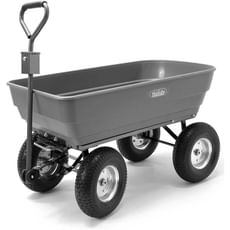
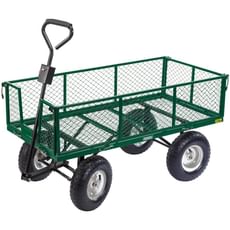
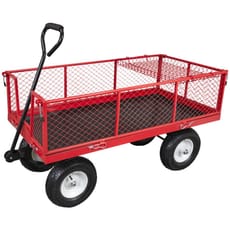
Construction Material: Steel mesh trolleys offer exceptional durability and strength for heavy-duty professional use, with sides that fold down for access. Poly (plastic) dump carts are lighter, won't rust, and are ideal for transporting wet materials or working in coastal environments where corrosion is a concern.
Tipping vs. Fixed: Tipping garden trolleys with lever mechanisms save considerable time and effort when emptying loads, particularly useful for regular disposal of garden waste or bulk materials. Fixed trolleys are simpler and often less expensive, suitable when you're primarily transporting tools or items that need careful unloading.
Towable Capability: If you maintain larger properties or have access to a lawn tractor or quad bike, a towable garden trolley dramatically increases efficiency. Check the hitch type is compatible with your vehicle and that the trolley's construction is robust enough for towed use.
Storage Considerations: Folding transport carts are ideal if storage space is limited, collapsing to fit in sheds, garages, or vehicle boots. Consider the folded dimensions before purchasing if space is at a premium.
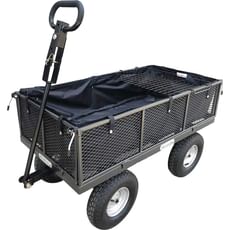
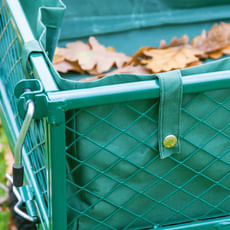
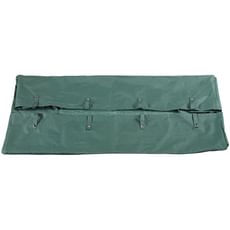
Available Accessories: Some models, particularly Draper steel mesh trolleys, have optional liners available that prevent fine materials like sand or compost from falling through the mesh and make cleaning easier. Check what accessories are compatible with your chosen model.
Popular Accessories
Enhance the functionality and longevity of your garden trolley with these complementary products:
- Trolley Liners – canvas or heavy-duty plastic liners that fit inside steel mesh trolleys to contain fine materials and simplify cleaning
- Replacement Wheels – spare pneumatic or punctureless wheels to maintain optimal performance
- Towing Hitches and Couplings – universal or brand-specific hitches for converting trolleys to towable use
- Protective Covers – weatherproof covers to protect trolleys from the elements during storage
- Wheelbarrows – complementary equipment for different tasks or tighter spaces
- Garden Tool Storage Solutions – Stanley, DeWalt, or Makita tool organisers to keep equipment secure during transport
- Work Gloves – quality protective gloves from brands like Portwest or Scruffs for safe handling
- Bungee Cords and Ratchet Straps – securing loads during transport, especially important for towable trolleys
Safety Information
While garden trolleys are straightforward pieces of equipment, following proper safety practices ensures injury-free operation:
Load Distribution: Always distribute weight evenly across the trolley bed and keep loads centred to prevent tipping, particularly on slopes or uneven ground. Never exceed the manufacturer's stated maximum load capacity, as overloading can cause structural failure or loss of control.
Manual Handling: Even with a trolley, proper manual handling techniques apply. When loading heavy items, bend at the knees and use your leg muscles rather than your back. Take care when using tipping mechanisms—stand clear of the pivot point and ensure bystanders are at a safe distance before tipping. Follow HSE guidance on manual handling to prevent workplace injuries.
Terrain Awareness: Exercise caution on slopes, particularly when trolleys are fully loaded. Always position yourself on the uphill side when controlling a loaded trolley on an incline. Be aware of ground conditions—wet grass or mud can cause wheels to slip or skid.
Towable Trolley Safety: When towing garden trolleys behind vehicles, ensure the hitch is properly secured and rated for the load. Check your vehicle's towing capacity includes the trolley and its contents. Take corners slowly and allow extra braking distance. Never carry passengers in or on garden trolleys.
Maintenance Checks: Regularly inspect wheels, axles, frames, and tipping mechanisms for wear, damage, or loose fixings. Replace worn or damaged components promptly to prevent failure during use. Keep pneumatic tyres properly inflated to the recommended pressure.
Frequently Asked Questions
What's the difference between a garden trolley and a wheelbarrow?
Garden trolleys have four wheels and a larger capacity, making them more stable and capable of carrying heavier loads with less physical effort. Wheelbarrows have a single front wheel and require more skill to balance, but are more manoeuvrable in tight spaces. Trolleys are ideal for larger properties and professional use, while wheelbarrows excel in confined areas like narrow paths or between planted beds.
Are punctureless tyres worth the extra cost?
For professional landscapers and gardeners working in environments with thorns, brambles, or construction debris, punctureless tyres quickly pay for themselves by eliminating downtime and the ongoing cost of repairing or replacing punctured inner tubes. For occasional domestic use on maintained lawns, standard pneumatic tyres may be sufficient and offer slightly better cushioning over rough ground.
How much weight can a typical garden trolley carry?
Load capacities vary considerably depending on the model and construction. Small folding canvas trolleys might handle 50-80kg, whilst heavy-duty steel mesh garden trolleys can manage 150-300kg or more. Always check the manufacturer's specifications and remember that wet materials like soil or compost are considerably heavier than dry equivalents—a full load of wet topsoil can easily exceed 200kg.
Can I leave my garden trolley outside all year?
Steel mesh trolleys from quality brands like Draper are typically powder-coated or galvanised for weather resistance and will withstand outdoor storage, though a protective cover extends their lifespan. Poly dump carts are naturally weather-resistant. However, storing trolleys under cover when not in use protects moving parts, bearings, and tipping mechanisms from accelerated wear caused by constant exposure to the elements.
Do I need a towable trolley or will a push/pull model be sufficient?
This depends on the size of the area you're working in and the frequency of use. For domestic gardens and allotments, manually operated trolleys are perfectly adequate and more affordable. If you maintain properties over an acre, regularly transport heavy loads over significant distances, or already own a suitable towing vehicle like a lawn tractor, a towable model significantly reduces physical strain and increases productivity.