

Gas Cartridges

Pay in 3 interest-free payments on purchases from £20-£3000 with  . Learn more.
 Loading...
End of content
Error - No more pages to load
About Gas Cartridges
Gas cartridges, also known as fuel cells or gas nail fuel cartridges, are essential consumables that power gas-operated nailers and fixing tools used across the construction industry. These pressurised cylinders contain a precisely formulated fuel mixture, typically consisting of cleaned propane and butane gas combined with synthetic lubricating oils, which provides the explosive force needed to drive nails and fasteners into various materials with remarkable speed and efficiency. When used in conjunction with cordless gas nailers, these cartridges offer the convenience of battery-operated tools with the driving power traditionally associated with pneumatic air compressor systems, making them indispensable for professional tradespeople working on site.
Modern gas cartridge technology has revolutionised the carpentry and construction industries by eliminating the need for trailing air hoses, bulky compressors, and the associated setup time on busy building sites. Each fuel cell typically delivers between 750 and 1,200 shots depending on the nailer model, nail length, and application type, making them highly efficient for both first fix framing work and second fix finishing tasks. The cartridges are engineered to provide consistent power output even in the cold, damp weather conditions commonly experienced on UK building sites throughout the year, ensuring reliable performance when you need it most.
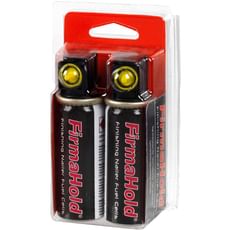
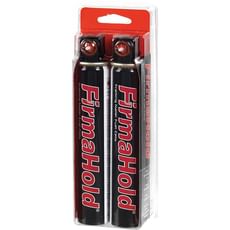
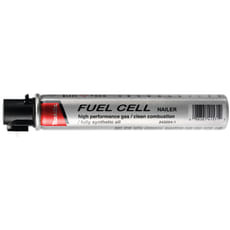
Tooled-Up.com stocks genuine gas cartridges from leading manufacturers including Firmahold and Makita, ensuring complete compatibility and reliability with professional gas-powered nailing equipment. The range includes framing gas cartridges formulated for heavy-duty first fix applications, as well as second fix fuel cells optimised for precision carpentry work. Whether you're tackling structural timber framing, installing roof battens, fixing plasterboard, or fitting skirting boards and architraves, having the correct fuel cells ensures your tools perform at their best throughout demanding working days.
Jargon Buster
- Fuel Cell: An alternative term for gas cartridge; a sealed, pressurised canister containing the propane and butane gas mixture with synthetic oil that powers cordless gas nailers through controlled combustion.
- Shots per Cell: The number of nails or fasteners that can be driven using a single gas cartridge before replacement is required, typically ranging from 750 to 1,200 shots depending on nail length, timber density, and ambient temperature.
- First Fix: The initial structural carpentry phase including framing, joists, studwork, and roof battens, typically requiring longer nails (50-90mm) and more powerful fastening delivered by framing gas cartridges.
- Second Fix: The finishing carpentry stage including skirting boards, architraves, door frames, and decorative trim work, usually requiring shorter pins or brads (32-64mm) with minimal surface marking.
- Metered Dose: The precise amount of gas released per activation, ensuring consistent driving power and optimal fuel efficiency throughout the cartridge's lifespan, preventing wastage and maintaining performance.
- Cleaned Gas: Propane and butane fuel that has been refined to remove impurities, resulting in cleaner combustion, reduced carbon deposition in the tool's combustion chamber, and extended equipment lifespan.
Who Uses Gas Cartridges?
Gas cartridges are indispensable consumables for a wide range of construction professionals and serious DIY enthusiasts:
- Carpenters and Joiners: Both first fix chippies working on structural framing and second fix specialists installing trim, skirting, and mouldings rely heavily on gas nailers and their accompanying fuel cells for productivity and quality.
- Roofing Contractors: For securing roof battens, sheathing, felt, and cladding, gas nailers offer the speed and cordless portability required for working safely and efficiently at height.
- Fencing Contractors: When constructing timber fencing, decking, pergolas, and outdoor structures, gas-powered nailers provide unmatched cordless convenience on external sites without access to mains power.
- Shop Fitters and Fit-Out Specialists: For rapid installation of studwork, metal framing, cladding, and fixtures in commercial, retail, and hospitality environments where time-sensitive completion is critical.
- General Builders: Gas nailers prove versatile across various construction tasks, from building stud walls and fixing plasterboard to installing floor joists and securing timber cladding.
- Floor Layers: Professionals use gas nailers for securing tongue-and-groove flooring, engineered wood planks, and subfloor sheets quickly and reliably.
- Property Maintenance Teams: For repair work, renovations, and maintenance contracts where portability and quick setup are essential across multiple site locations.
- DIY Enthusiasts: Homeowners undertaking substantial renovation projects, garden room construction, or decking installations often invest in gas nailer systems for their convenience and professional results.
How to Choose the Right Gas Cartridges
Selecting the appropriate gas cartridges for your nailer is crucial for optimal performance, tool longevity, and workplace safety:
Compatibility: Always verify that the fuel cell is specifically designed for your nailer model. Makita gas cartridges work exclusively with Makita gas nailers such as the GN420 and GN900 models, whilst Firmahold fuel cells are engineered for their respective first fix and second fix nailer ranges. Using incompatible cartridges can damage the combustion chamber, void warranties, and create potential safety hazards. Check your tool's manual or the manufacturer's specifications before purchasing.
Application Type: Choose between framing gas cartridges for heavy-duty first fix work and second fix fuel cells for finishing applications. Framing cartridges deliver higher power output for driving 50-90mm nails into structural timber, joists, and roof battens, whilst second fix variants are optimised for precision work with shorter pins and brads that leave minimal surface marking on visible trim work.
Gas Quality: Premium fuel cells from brands available at Tooled-Up use cleaned propane and butane gas combined with fully synthetic oil. This formulation ensures cleaner combustion, reduces carbon deposition in the tool, improves the working environment by minimising exhaust fumes, and extends the service life of your nailer's internal components. Cheaper alternatives may contain impurities that accelerate wear.
Shot Capacity: Consider how many fasteners you typically drive per day. Professional tradespeople working on large projects should purchase in bulk to ensure continuity of work and avoid running out mid-job. Most cartridges deliver 750-1,200 shots, with actual capacity varying based on nail length, timber hardness, and ambient temperature. Cold weather typically reduces shot count slightly.
Genuine Manufacturer Cartridges: Whilst aftermarket alternatives may appear cheaper initially, genuine manufacturer cartridges ensure optimal performance, consistent power delivery, warranty compliance, and the precise gas mixture and lubricants recommended by the tool manufacturer. This proves more economical long-term by preventing tool damage and maximising productivity.
Weather Performance: UK building sites often mean working in cold, damp conditions throughout autumn and winter months. Quality gas cartridges maintain consistent performance even in low temperatures, ensuring reliable operation when inferior products might struggle to provide adequate power for complete nail penetration.
Popular Accessories
- Collated Nails and Pins: Gas nailers require compatible collated fasteners. First fix applications typically use 50-90mm galvanised clipped head nails, whilst second fix work requires 32-64mm brad nails or finishing pins matched to your specific nailer model.
- Battery Packs and Chargers: Most modern gas nailers also require a rechargeable lithium-ion battery to power the electronic ignition system, fan, and drive mechanism, working in conjunction with the fuel cell for complete operation.
- Tool Belts and Holsters: Convenient nailer holsters and belt attachments allow you to carry your gas nailer safely whilst working at height, moving around site, or climbing ladders between fastening operations.
- Cleaning and Maintenance Kits: Regular maintenance keeps your gas nailer functioning optimally. Cleaning kits help remove carbon build-up and debris from the combustion chamber, extending tool life and maintaining consistent performance.
- Spare Nose Pieces and Contact Tips: Different depth settings and interchangeable contact tips help you work with various materials and achieve the perfect countersinking depth for flush or recessed fastening.
- Safety Equipment: Essential PPE including safety glasses to protect against flying debris, hearing protection for extended use, and steel toe-capped boots for comprehensive site safety compliance.
- Storage Cases: Protective carrying cases keep your gas nailer, fuel cells, batteries, and accessories organised, protected during transport, and readily accessible on site.
Safety Information
Gas cartridges contain pressurised flammable gas and must be handled, stored, transported, and disposed of correctly to ensure workplace safety:
Storage Requirements: Keep fuel cells in a cool, dry location away from direct sunlight, heat sources, radiators, and naked flames. Store below 50°C and ensure adequate ventilation in the storage area. Never store cartridges in vehicles during hot weather, as excessive heat can cause dangerous pressure build-up. Keep away from oxidising agents and store in original packaging until required.
Handling Procedures: Only install gas cartridges in compatible tools according to manufacturer instructions. Never attempt to puncture, modify, disassemble, or refill cartridges under any circumstances. Ensure cartridges are properly seated and secured before operating the tool. Handle with clean, dry hands and avoid dropping or impacting cartridges.
Work Area Ventilation: Gas nailers should only be used in well-ventilated areas. The combustion process produces exhaust gases that require adequate airflow to disperse safely. Never use in confined spaces without proper mechanical ventilation provisions. For indoor use, ensure windows and doors provide sufficient air changes per hour.
PPE Requirements: Always wear appropriate safety glasses or goggles when operating gas nailers to protect against flying debris and ricocheting fasteners. Hearing protection is recommended for extended use periods. Steel toe-capped boots protect against accidentally dropped tools or fasteners. High-visibility clothing may be required on construction sites.
Disposal Guidelines: Empty cartridges should be disposed of responsibly according to local authority guidelines for pressurised containers and aerosols. Never incinerate, puncture, or crush cartridges, even when empty. Many household waste recycling centres accept aerosols and pressurised containers in designated bins. Contact your local council for specific disposal procedures.
HSE Compliance: Employers must ensure operators receive adequate training in the safe use of gas-powered fastening tools and provide appropriate PPE as required by the Health and Safety at Work Act. Risk assessments should be completed before use, and COSHH regulations considered for the combustion by-products in enclosed spaces.
Frequently Asked Questions
How many nails can I drive with one gas cartridge?
Most gas fuel cells deliver between 750 and 1,200 shots, though actual capacity depends on several factors including nail length, timber hardness, timber moisture content, and ambient temperature. Driving longer 90mm nails into dense hardwoods or engineered timber consumes more fuel per shot than shorter 50mm fasteners into softwood. For typical second fix work with brad nails and pins, expect around 1,000-1,200 fasteners per cartridge, whilst heavy-duty framing with longer nails may yield 750-900 shots. Cold weather conditions can slightly reduce shot count.
Can I use any brand of gas cartridge in my nailer?
No, you should only use gas cartridges specifically designed and approved for your nailer model. Makita tools require genuine Makita fuel cells formulated for their combustion chamber design, whilst Firmahold nailers need Firmahold cartridges matched to their specifications. Using incompatible cartridges can cause poor performance, incomplete nail penetration, damage to the combustion chamber, void your manufacturer's warranty, and potentially create safety hazards. Always check your tool's instruction manual for approved fuel cell specifications and part numbers.
How long does a gas cartridge last once installed in the tool?
Once fitted to your nailer, a gas cartridge will gradually lose pressure over time even when not in active use, though this process occurs quite slowly under normal conditions. For best results and optimal performance, install a fresh cartridge at the start of a working day and aim to use it within a few weeks of installation. Cartridges stored sealed in their original packaging maintain their pressure for several years when kept in appropriate storage conditions away from heat and direct sunlight.
Will gas cartridges work reliably in cold UK winter weather?
Quality fuel cells from reputable manufacturers like Firmahold and Makita are specifically formulated to perform reliably in typical UK winter conditions, including cold, damp weather commonly experienced on building sites. However, extremely cold temperatures below freezing can affect gas pressure and combustion efficiency. If working in very cold conditions, store spare cartridges in a warm area such as a heated vehicle or site cabin, and allow the tool to warm up slightly between extended periods of inactivity for optimal performance.
Are gas nailers more economical than pneumatic air compressor systems?
For small to medium-sized jobs, site-based work, and applications requiring mobility and quick setup, gas nailers offer excellent value despite the ongoing cost of fuel cells. They eliminate the initial capital investment in compressors and hoses, reduce setup time significantly, provide unmatched portability, and remove trailing hazards on site. For large-scale operations with multiple nailers running continuously in workshop environments, traditional pneumatic air systems may prove more economical on consumables. Many professional carpenters and contractors maintain both systems, using gas nailers for site work and first fix, and air tools for workshop-based second fix and production work.