

Gas Heaters
Pay in 3 interest-free payments on purchases from £30-2000 with  . Learn more.

 Loading...
End of content
Error - No more pages to load
About Gas Heaters
Gas heaters are essential portable heating solutions designed to deliver powerful, reliable warmth in challenging environments where electric heating simply isn't practical or sufficient. These robust propane-powered units are engineered to provide rapid heat output in workshops, construction sites, warehouses, and outdoor spaces, making them indispensable equipment for tradespeople working through Britain's colder months. Unlike electric heaters that struggle with large or poorly insulated spaces, gas heaters offer exceptional heating capacity with outputs typically ranging from 10kW to 40kW or more, ensuring comfortable working conditions even in the most demanding environments.
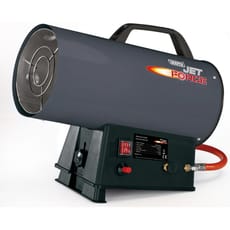
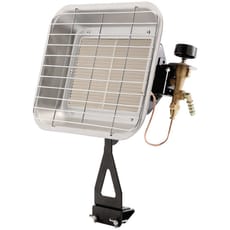
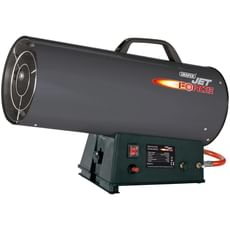
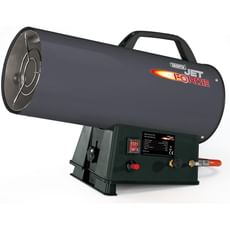
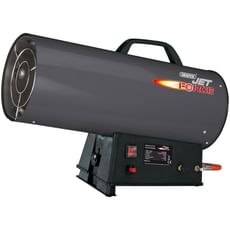
The selection at Tooled-Up.com features trusted brands including Sealey and Draper, offering both space heaters and industrial propane heaters in various configurations. From compact bottle-mounted units like the Draper 07866 perfect for smaller workshops to high-output jet force heaters capable of warming substantial commercial spaces, these heaters are built to withstand the demands of professional site work. Most models feature piezo ignition systems for easy starting, adjustable heat settings for precise temperature control, and safety features including flame failure devices and tip-over switches to ensure safe operation in busy working environments.
Propane gas heaters deliver several advantages over electric alternatives: they're completely portable without reliance on mains power, they generate instant heat without lengthy warm-up periods, and they're remarkably cost-effective for heating larger areas. This makes them particularly valuable for construction projects, agricultural buildings, event spaces, and anywhere that requires temporary or supplementary heating without the limitations of fixed electrical infrastructure or the need for 240v supply.
Jargon Buster
- BTU (British Thermal Unit) - A measurement of heat output. One BTU is the energy needed to heat one pound of water by one degree Fahrenheit. Gas heaters typically range from 34,000 to 136,000 BTU, though kW ratings are more commonly used in the UK (1kW equals approximately 3,412 BTU).
- Piezo Ignition - An automatic spark ignition system that doesn't require batteries or external power. Simply press the button to generate a spark that lights the gas, making starting quick and reliable even in cold conditions.
- Flame Failure Device - An essential safety mechanism that automatically shuts off the gas supply if the flame is extinguished unexpectedly, preventing dangerous gas leaks in your workspace.
- Space Heater vs Industrial Heater - Space heaters are typically designed for smaller areas and feature radiant heat with ceramic plaques or infrared elements. Industrial heaters are forced-air units that use powerful fans to distribute heat rapidly across larger spaces, ideal for warehouses and construction sites.
- Propane Regulator - A device that controls the gas pressure from the cylinder to the heater, ensuring consistent and safe operation. Most heaters come with an appropriate regulator, but always verify compatibility with your gas supply.
- Heat Coverage (m²) - The approximate floor area in square metres that a heater can effectively warm, though this varies significantly based on insulation, ceiling height, and ambient temperature.
Who Uses Gas Heaters?
Gas heaters serve a diverse range of professionals and situations across the construction and trades sectors:
- Builders and construction crews working on sites without electricity or during building phases before power is connected
- Groundworks contractors needing to prevent materials from freezing and maintain comfortable working conditions in winter
- Plasterers and decorators who require warmth to accelerate drying times and maintain optimal working temperatures for materials
- Mechanics and vehicle technicians working in unheated garages, workshops, or mobile repair situations
- Agricultural workers heating barns, livestock shelters, and outbuildings where animals need protection from cold
- Event organisers and marquee operators providing temporary heating for outdoor functions, weddings, and commercial events
- Warehouse and logistics managers supplementing heating in large storage facilities or loading areas
- Facilities maintenance teams addressing emergency heating requirements or providing supplementary warmth during boiler repairs
- Garden centres and horticultural businesses protecting plants and maintaining growing conditions in polytunnels and covered areas
- DIY enthusiasts and home improvers tackling renovation projects in unheated spaces during colder months
How to Choose the Right Gas Heaters
Selecting the appropriate gas heater depends on several crucial factors that affect both performance and safety:
Heat Output Requirements: Calculate the size of your space in cubic metres (length × width × height) to determine the kW rating you'll need. As a general rule, you'll need approximately 0.03kW per cubic metre for well-insulated spaces, or up to 0.06kW per cubic metre for poorly insulated areas or outdoor use. A 15kW heater typically covers around 150-200m² of floor space in standard workshops.
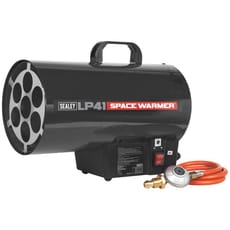
Space Heater vs Jet Force Design: Space heaters with ceramic plaques provide gentle radiant warmth ideal for smaller workshops where people remain relatively stationary. Jet force or forced-air heaters use powerful fans to rapidly circulate heated air throughout larger spaces, making them better suited to warehouses, construction sites, or areas requiring quick temperature increases.
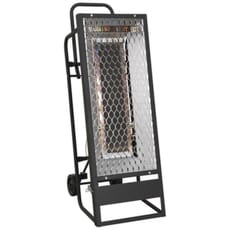
Portability and Size: Consider whether you need a compact bottle-mounted heater that attaches directly to a propane cylinder for maximum portability, or a larger trolley-mounted unit with wheels for moving around spacious sites. Bottle-mounted models are excellent for taking between jobs, whilst cabinet-style heaters offer more protection and stability.
Ventilation Requirements: All propane heaters consume oxygen and produce combustion gases. They must only be used in adequately ventilated spaces. Check the manufacturer's specifications for minimum ventilation requirements, and never use gas heaters in confined spaces without proper airflow. For enclosed areas, ensure doors or windows can remain partially open.
Safety Features: Look for models with flame failure devices, oxygen depletion sensors, and tip-over switches. These features are essential for safe operation, particularly on busy sites where equipment might be knocked or moved frequently.
Gas Consumption and Running Costs: Higher output heaters consume more propane, so check the fuel consumption rate (typically listed in kg/h or g/h). This helps you calculate running costs and determine how frequently you'll need to replace gas cylinders during extended use.
Popular Accessories
- Propane Gas Cylinders - Available in various sizes (3.9kg, 6kg, 13kg, 19kg, 47kg) to suit different heater models and usage durations
- Gas Regulators and Hoses - Replacement regulators and high-quality propane hoses for safe gas delivery to your heater
- Trolleys and Stands - Wheeled bases for moving heaters around larger sites and secure positioning of gas cylinders
- Cylinder Cages - Lockable storage solutions for securing gas bottles when not in use or during site storage
- Carbon Monoxide Detectors - Essential safety equipment for monitoring air quality when operating gas heaters indoors
- Heat-Resistant Gloves - PPE for safely adjusting or moving heaters during and after operation
- Thermostat Controllers - For models that support them, allowing automatic temperature regulation and improved fuel efficiency
- Replacement Parts - Spare nozzles, ceramic plaques, thermocouples, and piezo igniters to maintain optimal performance
Safety Information
Operating gas heaters safely is paramount to protecting yourself, your colleagues, and your workspace. Always follow these essential guidelines:
Ventilation is Critical: Never use propane heaters in poorly ventilated or confined spaces. These heaters consume oxygen and produce carbon dioxide and carbon monoxide. Ensure adequate ventilation by keeping doors, windows, or vents open during operation. The HSE recommends a minimum of two permanent ventilation openings when using gas heaters indoors.
Clearance Distances: Maintain appropriate clearances around your heater as specified in the manufacturer's instructions. Typically, this means keeping combustible materials at least one metre away from the front and sides of the unit. Never direct the heat output towards flammable materials, gas cylinders, or aerosol cans.
Gas Cylinder Safety: Always store propane cylinders upright and secure them properly to prevent tipping. Check connections regularly for leaks using soapy water (bubbles indicate escaping gas). Never use damaged or corroded cylinders, and ensure the cylinder valve is fully closed when the heater isn't in use. Replace hoses and regulators according to manufacturer recommendations.
Carbon Monoxide Awareness: Install and maintain carbon monoxide detectors in any enclosed space where gas heaters operate. Symptoms of carbon monoxide poisoning include headaches, dizziness, nausea, and confusion. If you experience these symptoms or an alarm sounds, immediately move to fresh air and seek medical attention.
Supervision and Shutdown: Never leave operating heaters unattended, and always shut them down properly before leaving the area. Allow heaters to cool completely before moving or storing them. Keep fire extinguishers readily accessible when operating gas heating equipment on site.
Regular Maintenance: Inspect heaters before each use for damage, blockages, or wear. Clean ceramic plaques, check ignition systems function correctly, and verify that all safety devices operate as intended. Service heaters according to the manufacturer's schedule to ensure safe, efficient operation.
Frequently Asked Questions
Can I use a gas heater indoors?
Yes, but only with adequate ventilation. Propane heaters are designed for well-ventilated spaces and must never be used in confined areas without proper airflow. Ensure doors, windows, or permanent ventilation openings provide sufficient fresh air circulation. Consider using a carbon monoxide detector for additional safety monitoring. For completely enclosed spaces without ventilation options, electric heating is the safer choice.
How long will a gas cylinder last with my heater?
This depends on your heater's output and the heat setting you use. A typical 15kW heater running on maximum consumes approximately 1.09kg of propane per hour, meaning a standard 13kg cylinder would last roughly 12 hours of continuous use. Lower heat settings significantly extend operating time. Check your heater's specifications for exact consumption rates, and consider keeping spare cylinders on hand for uninterrupted operation during longer projects.
What's the difference between radiant space heaters and forced-air jet heaters?
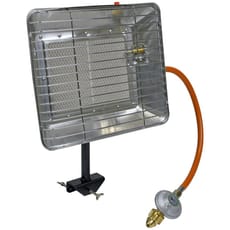
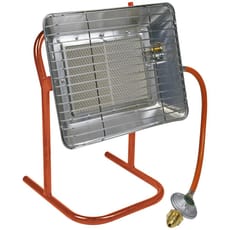
Radiant space heaters use ceramic plaques or panels that glow when heated, emitting infrared warmth that heats objects and people directly, much like sunshine. They're quieter and ideal for smaller spaces where workers remain relatively stationary. Forced-air jet heaters use fans to blow air across a heat exchanger, rapidly distributing warmth throughout larger areas. They're noisier but more effective for quickly heating warehouses, construction sites, or spaces with high ceilings where radiant heat alone would be insufficient.
Do I need any special qualifications to operate a propane heater?
No formal qualifications are required to operate portable propane space heaters in the UK, but users must be competent and trained in their safe use. Employers have a duty under the Health and Safety at Work Act to ensure workers understand how to operate equipment safely, recognise hazards, and know emergency procedures. Always read the manufacturer's instructions thoroughly, and if you're unsure about any aspect of operation, seek guidance from a supervisor or the equipment supplier.
Can gas heaters be used on construction sites without power?
Absolutely – this is one of their primary advantages. Gas heaters available from Tooled-Up.com are completely independent of mains electricity (except for models with optional electric ignition or fans), making them perfect for construction sites during early building phases, remote locations, or anywhere power isn't yet available. They provide instant, powerful heat exactly where you need it, and their portability means you can easily move them between different areas of the site as work progresses.