
Gas Test Gauges

Pay in 3 interest-free payments on purchases from £20-£3000 with  . Learn more.

Loading...
End of content
Error - No more pages to load
About Gas Test Gauges
Gas test gauges are precision diagnostic instruments used by Gas Safe registered engineers to verify the integrity and safety of gas pipework installations across domestic and commercial properties. These essential tools enable professionals to conduct mandatory pressure and tightness tests on gas supply systems, ensuring full compliance with UK building regulations and safety standards before commissioning or following maintenance work. Accurate pressure testing is critical for detecting even minor leaks or pressure drops that could pose serious safety hazards to building occupants.
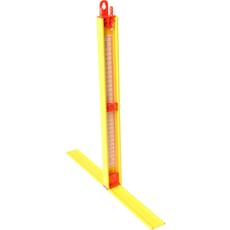
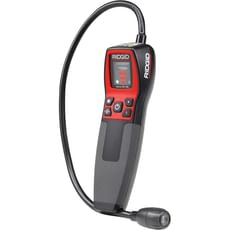
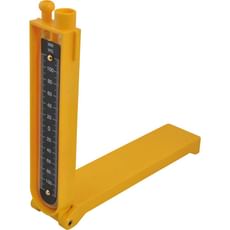
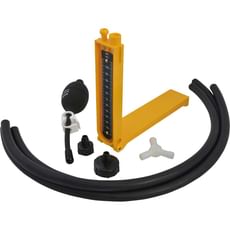
The selection at Tooled-Up.com includes complete U gauge kits, traditional manometers, and an extensive range of replacement hoses and accessories from trusted manufacturers like Monument. U gauges, also known as water manometers, remain the industry-standard method for testing gas installations due to their simplicity, proven accuracy, and long-term reliability. These instruments require no batteries or electronic calibration, making them dependable tools for field use across all weather conditions. Modern digital gas detectors, such as the Ridgid Micro CD-100, complement traditional gauges by providing rapid leak detection capabilities during preliminary safety checks and installation work.
Quality gas testing equipment ensures accurate readings and withstands the rigours of daily site work. Whether conducting routine annual safety inspections, commissioning new installations, or troubleshooting suspected leaks, properly calibrated and maintained gas test gauges are not merely good practice—they're a legal requirement for anyone working with gas systems in the UK. Having reliable equipment and readily available spare components, including replacement hoses in various lengths and colour-coded options, helps engineers maintain continuous workflow without costly delays.
Jargon Buster
- U Gauge (Manometer): A U-shaped transparent tube partially filled with coloured water or oil, used to measure gas pressure by observing the difference in liquid levels between the two arms when connected to a gas supply system.
- Tightness Test: A mandatory procedure where the gas supply is pressurised and isolated, then monitored using a gauge to ensure no pressure drop occurs over a specified period, confirming the system contains no leaks.
- Let-By Test: A specific test performed on the emergency control valve (ECV) to verify it closes properly and doesn't allow gas to pass through when in the off position, ensuring the isolation function operates correctly.
- Working Pressure: The normal operating pressure of a gas supply system, typically 21 mbar (millibar) for natural gas in UK domestic installations, at which appliances are designed to function safely.
- Standing Pressure: The pressure reading taken when all gas appliances are turned off but the supply remains connected, used as a baseline reference for tightness testing procedures.
- Purging: The process of clearing air from new pipework by allowing gas to flow through the system before testing or commissioning appliances, ensuring proper gas composition throughout the installation.
Who Uses Gas Test Gauges?
- Gas Safe Registered Engineers: The primary users who are legally required to test all gas installations as part of their regulated work across domestic and commercial properties.
- Heating Engineers: Professionals specialising in the installation and maintenance of boilers, central heating systems, and gas-fired appliances requiring regular pressure testing.
- Plumbers with Gas Qualifications: Tradespeople who have completed ACS (Accredited Certification Scheme) training and hold current gas work certifications for specific appliance categories.
- Building Services Engineers: Those working on commercial and industrial gas installations in larger buildings, including hotels, schools, hospitals, and office complexes.
- Maintenance Technicians: Site-based engineers responsible for ongoing safety checks of gas systems in commercial properties, ensuring continuous compliance with safety regulations.
- Social Housing Maintenance Teams: Local authority and housing association engineers conducting annual gas safety inspections and certificate renewals for residential properties.
- Facilities Managers: Professionals overseeing compliance and coordinating safety testing schedules for multi-occupancy commercial premises and industrial facilities.
How to Choose the Right Gas Test Gauges
Selecting appropriate gas testing equipment depends on several critical factors. First, consider whether you require a complete testing kit or replacement components for existing equipment. The Monument 174Z Air Testing U Gauge Kit provides everything needed for comprehensive pressure testing in a convenient carry case, making it ideal for engineers establishing their toolkit or replacing worn equipment. Complete kits eliminate compatibility concerns and ensure all components work seamlessly together.
The quality and durability of connecting hoses is paramount for accurate readings and equipment longevity. Look for colour-coded hoses like Monument's orange and black options, which help distinguish between different connection points and prevent cross-contamination during multi-point testing. Ensure hoses are manufactured from materials resistant to gas exposure and weathering, with internal diameters appropriate for your gauge connections—typically 7/32 inch (5.5mm) for standard applications. Check that replacement hoses are explicitly compatible with your existing gauge setup.
Accuracy and ease of reading should guide your instrument selection. Choose U gauges with clearly graduated scales and stable mounting capabilities for consistent readings across various site conditions. Traditional water-filled U gauges remain popular throughout the industry due to their proven reliability and the fact they require no batteries, electronic components, or periodic calibration. However, they must be transported carefully to avoid spillage and checked for adequate fluid levels before each use.
For enhanced functionality, consider complementing traditional pressure testing equipment with digital gas detectors. Tools like the Ridgid Micro CD-100 can quickly identify the presence and concentration of combustible gases during preliminary safety checks, helping locate suspected leaks more efficiently. This combination approach provides both regulatory-compliant pressure testing and practical leak detection capabilities for comprehensive gas safety work.
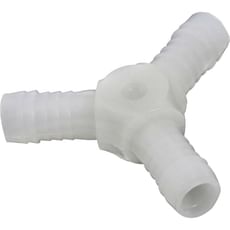
Don't overlook the importance of maintaining spare components. Tooled-Up stocks replacement hoses, tee pieces, and fittings that prevent costly downtime when equipment becomes damaged or worn during site work. Building a comprehensive kit with readily available spares ensures you can complete testing procedures without delays, particularly important for time-sensitive installations, emergency call-outs, or when working in remote locations.
Popular Accessories
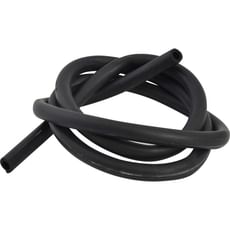
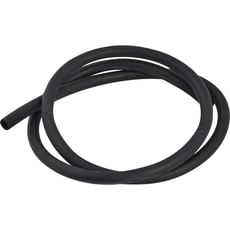
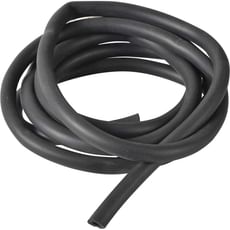
- Replacement Hoses: Black nitrile and orange hoses in various lengths (typically 1 metre coils) for U gauges and testing equipment, with standard 7/32 inch internal diameter.
- Tee Pieces: Essential connectors allowing multiple gauge connections or branching of test points for complex installations requiring simultaneous pressure monitoring.
- Digital Gas Detectors: Electronic instruments for rapid combustible gas detection and safety verification during installation and maintenance procedures.
- Manometer Fluid: Coloured liquid for refilling U gauges to maintain accurate pressure readings and visibility of level changes during testing.
- Carrying Cases: Protective storage solutions for gauges and accessories during transport between jobs, preventing damage to delicate glass tubes and fittings.
- Test Point Adaptors: Fittings for connecting gauges to various pipe sizes and appliance test points, ensuring secure connections across different installation types.
- Pressure Regulators: For controlled testing at specific pressures when verifying systems designed for different operating pressures or conducting specialist tests.
- Leak Detection Fluid: Spray solutions for visually identifying exact leak locations after gauge testing indicates a pressure drop somewhere in the system.
Safety Information
Gas testing must only be carried out by Gas Safe registered engineers who have completed appropriate ACS qualifications for the specific type of gas work being undertaken. Using gas test gauges incorrectly or misinterpreting readings can result in undetected leaks posing serious risks of fire, explosion, or carbon monoxide poisoning. Always verify your Gas Safe registration remains current and covers the specific work categories you're undertaking.
Ensure all test equipment is in good condition before use. Thoroughly check hoses for cracks, splits, perishing, or signs of deterioration that could affect readings or allow gas escape during testing procedures. U gauges must be positioned level and on stable surfaces during testing to provide accurate measurements—even slight angles can introduce significant reading errors. Never leave gas systems under test pressure unattended, and ensure adequate ventilation when purging pipework or conducting leak investigations.
Follow HSE guidelines and manufacturer instructions for all testing procedures without exception. Keep up to date with current Gas Safety (Installation and Use) Regulations and industry best practices through regular professional development. Regular equipment inspection and timely replacement of worn components isn't just good practice—it's essential for maintaining the accuracy required for safety-critical testing that protects lives.
Store gas testing equipment securely between uses, protecting gauges from impact damage and extreme temperatures that could affect calibration or damage components. Transport water-filled U gauges carefully to prevent spillage, and always verify fluid levels before commencing tests. Maintain a logbook of equipment condition checks and replacement dates to ensure traceability and demonstrate professional diligence.
Frequently Asked Questions
How often should I replace the hoses on my gas test gauge?
Inspect hoses thoroughly before each use for signs of wear, cracking, perishing, or loss of flexibility. Replace them immediately if any damage is visible or if they've become stiff and inflexible, as this affects both safety and reading accuracy. As a general rule, even with careful use and proper storage, consider replacing rubber hoses annually or after particularly heavy use to maintain testing accuracy and safety standards.
Can I use a U gauge for both air and gas tightness testing?
Yes, U gauges are suitable for both air and gas tightness testing procedures. Many engineers prefer to conduct initial tightness tests using air pressure as an added safety measure before introducing gas to new installations. However, UK regulations require final testing with the actual gas supply to verify complete system integrity under real operating conditions, as different gases can behave differently within pipework systems.
What pressure drop is acceptable during a tightness test?
For domestic natural gas installations, there should be no discernible pressure drop over the test period, which is typically a minimum of 2 minutes for straightforward installations. Any drop in pressure, however small, indicates a leak that must be located and rectified before the installation can be commissioned or returned to use. Always refer to current industry standards, Gas Safe technical bulletins, and appliance manufacturer guidelines for specific test criteria relevant to your installation.
Do digital gas detectors replace the need for traditional U gauge testing?
No, digital gas detectors are complementary tools rather than replacements for traditional pressure testing equipment. While they're excellent for quickly identifying the presence and approximate location of gas leaks during investigations, U gauge pressure testing remains the regulatory-required method for proving system tightness and integrity. Both tools serve different but equally important purposes in comprehensive gas safety work, and professional engineers typically carry both.
How do I maintain my U gauge for accurate readings?
Keep the gauge clean and store it upright in its protective case when not in use to prevent fluid redistribution. Check the fluid level regularly and top up with appropriate manometer fluid if evaporation has occurred. Ensure the tube remains clear with no debris, algae growth, or discolouration that could affect visibility of level changes. Protect the gauge from freezing temperatures which can damage the tube and render it unusable, and always transport it carefully in padded cases to prevent breakage of the glass components.