

Gasketing

Pay in 3 interest-free payments on purchases from £20-£3000 with  . Learn more.
 Loading...
End of content
Error - No more pages to load
About Gasketing
Gasketing products are specialised adhesives and sealants engineered to create, repair, or replace gaskets across automotive, industrial, and mechanical applications. Unlike traditional pre-cut gaskets, these liquid gasket compounds and flexible adhesives form customised, durable seals between mating surfaces, accommodating irregular shapes and eliminating the need for expensive pre-formed gasket materials. From engine rebuilds to gearbox repairs, gasketing compounds provide reliable leak-proof seals capable of withstanding extreme temperatures, pressures, and exposure to oils, fuels, and coolants.
Modern gasketing solutions come in various formulations, including instant gasket compounds that cure rapidly and flexible gasket adhesives that maintain pliability during thermal expansion and contraction. These products fill gaps between metal surfaces, creating chemical-resistant barriers that prevent fluid leakage whilst maintaining compression resistance. Whether tackling vintage vehicle restoration, industrial machinery maintenance, or general mechanical repairs, the right gasketing product ensures long-lasting, professional results without the hassle of sourcing specific gasket shapes.
The selection available at Tooled-Up.com features trusted brands including Draper and Bondloc, offering fast-curing instant gasket compounds and flexible multi-purpose gasket adhesives suitable for both emergency repairs and planned maintenance work. These professional-grade formulations bond to clean metal surfaces including aluminium, cast iron, and steel, making them versatile solutions for workshops, garages, and industrial facilities throughout the UK.
Jargon Buster
- Instant Gasket Compound: A quick-curing liquid gasket material that forms a flexible seal within minutes, ideal for emergency repairs and applications requiring rapid reassembly of components.
- Flexible Gasket Adhesive: A formulation that remains pliable after curing, allowing for thermal expansion and contraction without cracking or losing seal integrity, particularly important for applications involving heat cycles.
- RTV (Room Temperature Vulcanising): A type of silicone sealant that cures at ambient temperatures when exposed to moisture in the air, commonly used for high-temperature gasket applications.
- Oil-Resistant Sealant: A gasket compound specifically formulated to withstand continuous exposure to petroleum products, engine oils, transmission fluids, and other hydrocarbons without degrading.
- Flange Sealant: A gasket adhesive designed for sealing flanged joints where two flat surfaces meet, creating a uniform seal across the entire mating surface.
- Chemical Resistance: The ability of a cured gasket material to maintain its sealing properties when exposed to aggressive chemicals, coolants, brake fluids, and solvents commonly found in mechanical systems.
Who Uses Gasketing?
- Motor mechanics and automotive technicians repairing engines, gearboxes, sumps, and differential casings
- Plant maintenance engineers servicing industrial machinery, pumps, and hydraulic systems
- Agricultural engineers maintaining farm equipment and machinery in field conditions
- Marine engineers working on boat engines and marine equipment requiring water-resistant seals
- HGV and plant mechanics servicing commercial vehicles and heavy equipment
- Classic car restorers where original gaskets are unavailable or prohibitively expensive
- Motorcycle mechanics working on engine casings and smaller mechanical assemblies
- DIY enthusiasts tackling home vehicle maintenance and mechanical repairs
- Facilities maintenance teams carrying out repairs on heating systems, pumps, and industrial equipment
How to Choose the Right Gasketing
Selecting the appropriate gasketing product depends on several critical factors. First, consider the temperature range your application will experience – some compounds are rated for continuous exposure to temperatures exceeding 260°C, whilst others are suited to lower-temperature applications. Check the manufacturer's specifications to ensure the product can withstand your operating conditions.
Chemical compatibility is equally important. Identify which fluids the gasket will contact – engine oil, coolant, brake fluid, diesel, or hydraulic fluids – and choose a formulation specifically rated for those substances. Oil-resistant compounds are essential for engine and gearbox applications, whilst universal multi-gasket adhesives offer broader compatibility for general use.
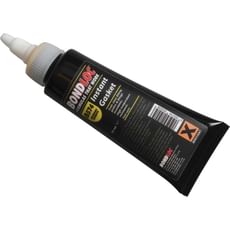
Consider the curing time required. Fast-curing instant gasket compounds like the Bondloc B574 allow for rapid reassembly, typically within minutes, making them ideal for urgent repairs or situations where equipment downtime must be minimised. Flexible gasket adhesives may require longer curing times but provide superior flexibility for applications experiencing vibration or thermal cycling.
The gap-filling capability matters when dealing with older or worn components. Some gasket makers can accommodate larger surface irregularities, whilst others require near-perfect mating surfaces. For applications with significant surface damage, choose products with higher gap-filling properties. Finally, assess whether you need a permanent or semi-permanent seal – some applications benefit from gaskets that remain removable for future servicing, whilst others require permanent bonding.
Popular Accessories
- Gasket scrapers and removal tools for cleaning old gasket material from mating surfaces
- Brake cleaner and degreasers for preparing surfaces before gasket compound application
- Wire brushes and abrasive pads for surface preparation
- Precision applicator nozzles for controlled gasket compound placement
- Torque wrenches for achieving correct bolt tension without crushing gasket material
- Sealant removers and citrus-based cleaners for removing cured gasket compounds
- Thread lock compounds for securing bolts in gasketed assemblies
- General-purpose adhesives and epoxy resins for related repair work
Safety Information
Gasket compounds and adhesives contain chemical substances that require proper handling in accordance with COSHH regulations. Always work in well-ventilated areas or use appropriate extraction equipment, as vapours from curing compounds can be harmful if inhaled in enclosed spaces. Wear suitable nitrile gloves to prevent skin contact, as some formulations may cause irritation or sensitisation with prolonged exposure.
Ensure surfaces are clean and free from oil or grease before application – this not only improves bond strength but reduces fire risk when working near potential ignition sources. Store gasket compounds in accordance with manufacturer instructions, keeping them away from heat sources and direct sunlight to maintain product effectiveness.
When removing old gasket material, wear safety glasses to protect eyes from scraping debris and chemical splashes. Dispose of used gasket material and cleaning rags responsibly, as they may be contaminated with oils and solvents. Consult product safety data sheets for specific guidance on each formulation, particularly when working with fast-curing compounds that may generate heat during the curing process.
Frequently Asked Questions
Can I use gasket compound instead of a traditional paper gasket?
In many applications, yes. Liquid gasket compounds are specifically designed to replace traditional cut gaskets and often provide superior sealing performance. However, always check manufacturer recommendations for your specific component – some high-pressure or high-temperature applications may still require solid gaskets, with liquid gasket used as an additional sealant rather than a complete replacement.
How long should I wait before adding fluids after applying gasket adhesive?
This varies by product. Instant gasket compounds may allow fluid introduction within 15-30 minutes, whilst flexible gasket adhesives often require 24 hours to achieve full cure and maximum chemical resistance. Always refer to the specific product instructions and avoid pressure testing until the manufacturer's recommended cure time has elapsed to ensure proper seal formation.
What's the difference between flexible and rigid gasket compounds?
Flexible gasket adhesives remain pliable after curing, accommodating thermal expansion, contraction, and minor vibration without cracking. This makes them ideal for applications experiencing temperature fluctuations. Rigid or hard-setting compounds provide maximum compression resistance and are better suited to static applications under constant pressure where movement is minimal.
How do I remove cured gasket compound for future repairs?
Most gasket compounds can be removed mechanically using plastic or metal gasket scrapers, taking care not to damage the mating surfaces. Specialist gasket removers or citrus-based solvents can soften stubborn residue. For particularly tenacious compounds, carefully applied heat may help break down the seal. Always thoroughly clean and degrease surfaces before applying new gasket material.
Are gasket compounds suitable for outdoor or marine applications?
Many gasket compounds offer excellent water resistance once fully cured, making them suitable for outdoor equipment and marine applications. However, check the specific product's rating for water immersion and salt water exposure. Marine-grade formulations typically offer enhanced resistance to moisture and corrosion, providing more durable seals in demanding wet environments.