

Gaskets

Pay in 3 interest-free payments on purchases from £20-£3000 with  . Learn more.

 Loading...
End of content
Error - No more pages to load
About Gaskets
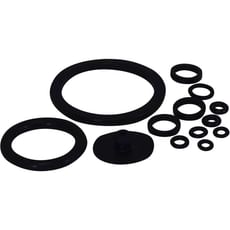
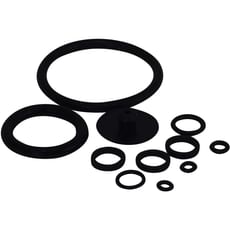
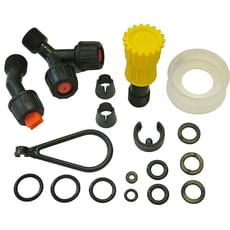
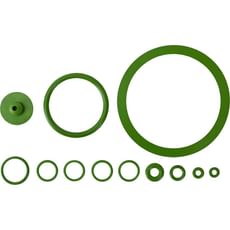
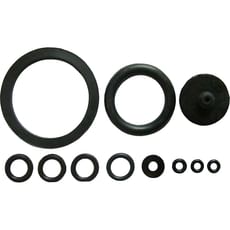
Gaskets and seals are precision-engineered components that create airtight and watertight seals between mating surfaces in pressure sprayers and similar equipment. These essential maintenance items prevent leaks, maintain consistent pressure delivery, and ensure equipment operates safely and effectively. Whether servicing a compact 2-litre handheld sprayer or a professional 16-litre knapsack unit, replacing worn gaskets and O-rings forms a critical part of routine equipment maintenance for anyone using pressure application equipment in gardening, groundscare, industrial cleaning, or agricultural settings.
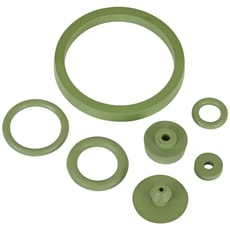
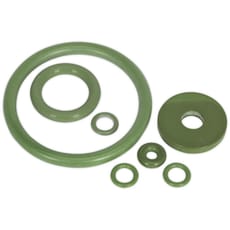
The gasket range at Tooled-Up.com covers the most popular pressure sprayer brands including Solo, Faithfull, Sealey, and Spear and Jackson. Available in various materials including standard rubber compounds for water-based applications and specialist Viton (FKM) seals for chemical resistance, these kits contain all the necessary O-rings, gaskets, and sealing components to service specific sprayer models. Standard rubber gaskets suit general gardening chemicals and water-based solutions, whilst Viton seals withstand aggressive chemicals including creosote, oils, acids, solvents, and industrial cleaners, making them essential for professional contractors and facilities managers working with hazardous substances.
Regular gasket replacement isn't merely about maintaining performance—it's fundamentally about safety and cost-effectiveness. Deteriorated seals can allow hazardous chemicals to leak, potentially causing skin contact, environmental contamination, or wasted expensive treatment products. Fresh gaskets ensure accurate spray patterns, consistent pressure between 2-6 bar, and reliable service season after season. Most manufacturers recommend annual replacement for professional users or every 50-100 hours of operation, whilst recreational users should inspect seals at the start of each season and replace when signs of hardening, cracking, or swelling appear.
Jargon Buster
- Viton (FKM) Seals
- A premium fluoroelastomer material offering superior chemical resistance compared to standard rubber gaskets. Essential when using aggressive chemicals, solvents, acids, or oil-based products. Viton seals withstand higher temperatures and provide significantly longer service life in demanding professional applications, though they command a higher initial cost.
- O-Ring
- A circular cross-section gasket that sits in a machined groove to create a seal between two mating surfaces. O-rings are the most common seal type in pressure sprayers, typically used on pump assemblies, lance connections, trigger mechanisms, and tank caps where rotating or sliding components require reliable sealing.
- Service Kit
- A complete package containing all the gaskets, seals, and O-rings needed to fully service a specific pressure sprayer model. Service kits include multiple sizes and types to refresh all sealing points in one maintenance session, offering better value and convenience than purchasing individual components.
- Chemical Compatibility
- The ability of a gasket material to resist degradation, swelling, or hardening when exposed to specific chemicals. Standard rubber or EPDM seals work well with water-based solutions and mild detergents, whilst Viton, FKM, or specialised compounds are required for acids, alkalis, petroleum products, and industrial solvents.
- Pressure Rating
- The maximum operating pressure a gasket can withstand without failure or extrusion from its seating groove. Pressure sprayers typically operate between 2-6 bar (30-90 PSI), requiring gaskets specifically designed to maintain seal integrity under these dynamic conditions and repeated pressurisation cycles.
Who Uses Gaskets?
Replacement gaskets and seal kits are essential maintenance items for a diverse range of professionals and enthusiasts:
- Groundscare Professionals – maintaining knapsack sprayers for weed control, moss treatment, and turf maintenance applications
- Gardeners and Landscapers – servicing equipment for pesticide, herbicide, and fertiliser application throughout the growing season
- Agricultural Contractors – keeping pressure sprayers operational during critical application windows when equipment downtime costs money
- Pest Control Technicians – ensuring reliable equipment for insecticide and specialist treatment applications in domestic and commercial settings
- Facilities Managers – maintaining cleaning and disinfection equipment in schools, hospitals, offices, and commercial premises
- Vehicle Valeting Professionals – servicing spray equipment for detailing products, cleaning solutions, and protective treatments
- Industrial Cleaners – maintaining equipment used with specialist cleaning chemicals, degreasers, and sanitising solutions
- DIY Enthusiasts – keeping garden sprayers in proper working order for seasonal weed control, fence treatment, and plant care
- Horticulture Professionals – maintaining equipment for greenhouse applications, propagation spraying, and nursery operations
How to Choose the Right Gaskets
Model Compatibility: Always verify that the gasket kit is specifically designed for your pressure sprayer model. Gaskets are precision-manufactured to exact dimensions—using incorrect sizes will result in leaks, pressure loss, and potentially dangerous equipment failure. Check your sprayer's model number (usually found stamped on the tank, pump assembly, or printed on a label) against the product compatibility information provided. Never assume that similar-looking gaskets are interchangeable between models, even from the same manufacturer.
Material Selection: Consider the chemicals you'll be using with your pressure sprayer. Standard rubber or EPDM gaskets suit water-based products including most domestic garden chemicals, mild detergents, and general horticultural applications. For aggressive chemicals including creosote, white spirit, oil-based wood treatments, industrial solvents, acids, or petroleum-based products, invest in Viton (FKM) seal kits which offer superior chemical resistance and significantly extended longevity. Whilst Viton kits cost more initially, they last substantially longer in harsh chemical environments, making them more cost-effective for professional users.
Complete Kit vs Individual Seals: Service kits containing all gaskets and O-rings for your sprayer model offer the best value and ensure comprehensive maintenance in a single session. These kits typically include pump seals, trigger O-rings, lance connection gaskets, and tank cap seals. If only one specific seal has visibly failed, individual replacement gaskets may occasionally be available, though complete kits guarantee you have spare components for future maintenance and prevent repeat disassembly.
Replacement Frequency: Most manufacturers recommend annual gasket replacement for professional daily users, or approximately every 50-100 hours of operation. Recreational users should inspect all visible seals at the start of each growing season and replace when signs of hardening, cracking, loss of elasticity, or swelling appear. Keep a spare service kit in your workshop or van to minimise costly downtime during critical application periods. Replace gaskets immediately if you notice pressure loss, visible leaking, or spray pattern irregularities.
Popular Accessories
- Pressure Sprayers – knapsack and handheld models from Solo, Faithfull, Sealey, and Spear and Jackson in capacities from 2 to 16 litres
- Replacement Lance Assemblies – complete spray wands, extensions, and telescopic lances for various reach requirements
- Nozzle Sets – adjustable and fixed-pattern spray tips including fan, cone, and jet patterns for different coverage requirements
- Pump Assemblies – complete replacement pumps when internal components wear beyond economical gasket replacement
- Chemical-Resistant Gloves – essential PPE when servicing sprayers that have contained chemicals or hazardous substances
- Silicone Lubricants – specialist sprays to ease gasket installation, prevent seal sticking, and prolong component life
- Filter Elements – prevent debris from damaging delicate seals and blocking precision nozzles
- Cleaning Brushes – specialist brushes for thorough equipment decontamination before gasket replacement
Safety Information
When replacing gaskets on equipment that has been used with chemicals, always observe proper safety precautions. Wear appropriate PPE including chemical-resistant gloves and eye protection, as residual chemicals may remain on components even after thorough cleaning. Work in a well-ventilated area, preferably outdoors or in a workshop with adequate ventilation, and have clean water available for emergency washing. If your sprayer has been used with COSHH-regulated substances, follow the appropriate decontamination procedures before commencing any maintenance work.
Before disassembling your pressure sprayer, release all pressure by operating the trigger until no spray emerges and the pressure relief valve indicates zero pressure. Failure to fully depressurise equipment can cause components to separate violently under spring tension, potentially causing injury or chemical exposure. Never attempt to remove pressurised components—always depressurise completely and wait several minutes before loosening any fittings.
Dispose of old gaskets and seals responsibly according to HSE guidance. If they've been in contact with hazardous chemicals, pesticides, or industrial solvents, they may require disposal as chemical waste according to local authority regulations—contact your local council for guidance. Never reuse old gaskets regardless of their apparent condition—they cannot provide reliable seals once removed and compressed, and may cause dangerous leaks when handling hazardous substances. Always fit new gaskets during any maintenance session.
Frequently Asked Questions
How often should I replace the gaskets in my pressure sprayer?
For professional daily use, annual replacement is recommended as a minimum maintenance schedule. Recreational users should inspect all gaskets at the start of each season and replace when they show visible signs of hardening, cracking, loss of elasticity, or deformation. If you notice pressure loss, leaking around joints, or inconsistent spray patterns, replace gaskets immediately regardless of age. Sprayers used with aggressive chemicals require more frequent inspection and typically shorter replacement intervals.
What's the difference between standard and Viton gaskets?
Standard rubber or EPDM gaskets suit water-based solutions and general garden chemicals including most domestic weedkillers and plant feeds. Viton (FKM) gaskets offer vastly superior resistance to aggressive chemicals, oils, acids, alkalis, and solvents. They also withstand higher temperatures and last significantly longer in professional applications. Tooled-Up stocks Viton seals specifically for use with creosote, industrial cleaners, oil-based wood treatments, and professional-grade chemicals where standard rubber would deteriorate rapidly.
Can I use gaskets from a different sprayer model if they look similar?
No—gaskets are precision-manufactured to specific dimensions, groove depths, and cross-sectional profiles for each model. Even fractional millimetre differences will result in leaks, pressure loss, or gasket extrusion under pressure. Always use the manufacturer-specified gasket kit for your exact pressure sprayer model to ensure proper sealing, safe operation, and warranty compliance. Using incorrect gaskets may also void manufacturer warranties.
My pressure sprayer is losing pressure but there are no visible external leaks. Could it be the gaskets?
Absolutely—this is a common symptom of internal gasket failure. Internal gaskets on pump assemblies, check valves, and piston seals can deteriorate without causing external leaks, resulting in pressure loss, slow pressure build-up, or inability to maintain pressure. A complete service kit replacement of all internal seals typically resolves this issue and restores full operating pressure. This internal seal failure is particularly common after equipment has been stored over winter without proper preparation.
Do I need any special tools to replace gaskets in pressure sprayers?
Most gasket replacement requires only basic hand tools—typically crosshead and flathead screwdrivers, and possibly small spanners or Allen keys to disassemble pump housings and trigger mechanisms. A small amount of washing-up liquid, glycerine, or silicone spray helps ease new O-rings into position without damaging them. Always consult your sprayer's manual for model-specific disassembly instructions before beginning maintenance, and work on a clean surface to prevent contaminating new seals with dirt or debris.