

Gauging Trowels
Pay in 3 interest-free payments on purchases from £30-2000 with  . Learn more.
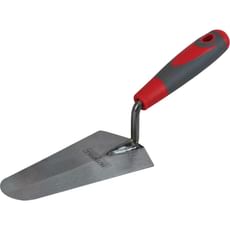
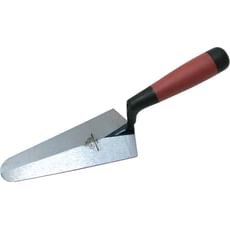
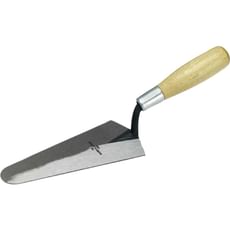
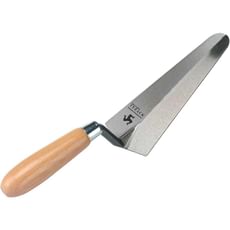
 Loading...
End of content
Error - No more pages to load
About Gauging Trowels
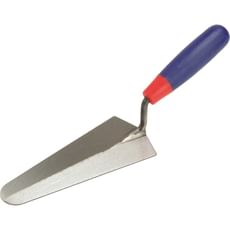
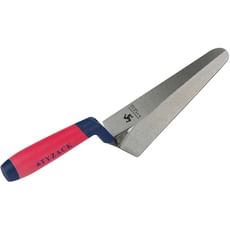
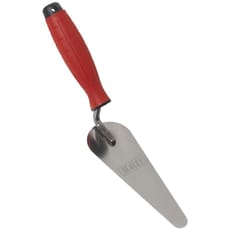
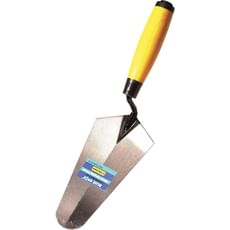
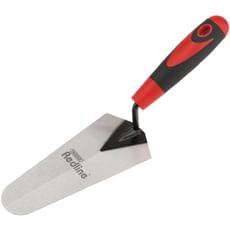
A gauging trowel is an indispensable hand tool for anyone working with small quantities of plaster, mortar, grout, or adhesive. Characterised by a compact blade typically measuring between 150mm and 180mm in length, these versatile tools are considerably smaller than standard plastering trowels, making them ideal for mixing materials in manageable batches, patching damaged surfaces, filling gaps, and accessing tight corners where larger tools simply cannot reach. Whether you're cutting in around window reveals, working on detailed restoration projects, or preparing small quantities of compound for repair work, a gauging trowel offers the precision and control that larger tools cannot match.
Modern gauging trowels feature a variety of blade materials and handle designs to suit different working conditions and user preferences. Blades are commonly manufactured from high-carbon steel, which offers excellent durability and holds its shape well under regular site use, or stainless steel, which provides superior corrosion resistance and easier cleaning when working with various compounds. Handle options have evolved significantly, with traditional wooden handles now joined by soft-grip and ergonomic designs that reduce hand fatigue during extended use—a particularly important consideration for tradespeople who rely on these tools throughout long working days in challenging conditions.
The selection at Tooled-Up.com includes gauging trowels from respected manufacturers such as Marshalltown, Faithfull, RST, Draper, Tyzack, Blue Spot, and Sealey, ensuring that both professional tradespeople and DIY enthusiasts can find a tool that matches their specific requirements and budget. These compact yet remarkably versatile tools prove their worth on countless jobs, from professional plastering contracts to weekend home improvement projects.
Jargon Buster
- Gauging: The process of mixing small quantities of plaster, mortar, grout, or adhesive to the correct consistency, typically for repair work, patching, or detailed applications rather than large-scale coverage.
- Tang: The metal extension of the blade that fits into and secures within the handle. A full tang runs the entire length of the handle, providing maximum strength and durability for demanding site work.
- Blade Flexibility: Refers to how much the steel blade bends under applied pressure. Flexible blades excel at finishing and smoothing operations, whilst stiffer blades are better suited to mixing materials and applying thicker compounds.
- DuraSoft/Soft-Grip Handle: Ergonomic handle designs incorporating rubber or soft plastic grips that significantly reduce hand fatigue and improve comfort during extended use, particularly beneficial when working in cold or wet conditions.
- High-Carbon Steel: A durable blade material that maintains its shape well and resists bending, making it ideal for mixing materials and general-purpose applications across multiple trades.
- Stainless Steel Blade: A corrosion-resistant blade option that remains easier to clean and maintains its appearance longer, particularly useful when working with acidic materials or in damp environments where rust could otherwise become problematic.
Who Uses Gauging Trowels?
Gauging trowels are relied upon daily by a diverse range of construction and renovation professionals, including:
- Plasterers – for mixing small batches of plaster and executing repairs to walls and ceilings
- Bricklayers – for preparing pointing mortar and filling small gaps in brickwork
- Tilers – for mixing adhesive and grout in manageable quantities for detailed work
- General Builders – for various patching, filling, and repair tasks across multiple trades
- Property Maintenance Professionals – for quick repair work in rental properties and commercial buildings
- Stonemasons – for mixing specialised mortars and working in confined spaces
- DIY Enthusiasts – for home improvement projects requiring small-scale plastering, tiling, or rendering work
- Restoration Specialists – for detailed conservation work on historic buildings requiring careful material preparation and application
How to Choose the Right Gauging Trowels
Selecting the appropriate gauging trowel depends on several key factors that will significantly affect both performance and comfort during use:
Blade Material: High-carbon steel blades offer excellent durability and represent the traditional choice for most applications, providing good value for money. Stainless steel options deliver superior corrosion resistance and are considerably easier to clean, making them ideal if you regularly work with acidic materials or frequently switch between different compounds throughout the working day.
Handle Design: Consider how frequently you'll use the tool. Traditional wooden handles suit occasional use and offer a natural feel that many tradespeople prefer. Soft-grip or DuraSoft handles, however, significantly reduce hand fatigue during extended working periods and provide better control in wet or cold site conditions. If you work outdoors during winter months, rubber-grip handles maintain comfort when temperatures drop.
Blade Size: Standard gauging trowels range from 150mm to 180mm in length. Smaller blades (150mm) offer greater manoeuvrability in tight spaces and between obstacles, whilst larger options (180mm) allow you to mix slightly bigger quantities and cover more area with each application, potentially speeding up workflow on less confined tasks.
Brand Reputation: Established manufacturers like Marshalltown, Faithfull, and RST have proven track records for producing reliable tools that withstand the rigours of professional site work. Premium brands typically offer better steel quality, superior blade flexibility characteristics, and longer-lasting handles that justify their initial investment.
Blade Flexibility: If possible, check the blade's flexibility before purchasing. A blade with slight flex is better for smoothing and finishing work, whilst a stiffer blade excels at mixing materials and applying thicker compounds without bending or losing control.
Popular Accessories
Maximise the effectiveness of your gauging trowel with these complementary tools and accessories:
- Mixing Buckets – durable plastic buckets in various sizes for preparing materials to the correct consistency
- Plastering Trowels – full-size finishing trowels for larger surface areas once you've completed detailed edge work
- Hawk Boards – for holding material whilst working at height or on vertical surfaces
- Pointing Trowels – smaller, narrower tools for detailed joint work and very tight corners
- Mixing Paddles – for use with power drills when preparing larger quantities of material efficiently
- Margin Trowels – ultra-narrow trowels for extremely confined spaces and precise edge work
- Tool Cleaning Brushes – for maintaining your trowels and extending their working life between jobs
- Tool Bags and Storage – organised storage solutions to protect your trowels during transport and on site
Frequently Asked Questions
What's the difference between a gauging trowel and a pointing trowel?
Whilst both are compact trowels, a gauging trowel is primarily designed for mixing small quantities of material and general patching work, typically featuring a blade around 150-180mm long with moderate width. A pointing trowel has a considerably narrower, more elongated blade specifically shaped for filling joints between bricks and working in very confined spaces where width is restricted.
How do I clean and maintain my gauging trowel?
Clean your gauging trowel immediately after use by scraping off excess material and washing thoroughly with water. For stubborn residue, use a wire brush or dedicated trowel cleaning solution. Dry the blade completely to prevent rust formation, and occasionally apply a light oil to carbon steel blades for additional protection. Store in a dry location and regularly inspect wooden handles for splinters or damage that could affect comfort and safety.
Can I use a gauging trowel for applying tile adhesive?
Yes, gauging trowels are excellent for mixing and applying tile adhesive in small areas, cutting in around edges, or for repair work where precision is required. However, for spreading adhesive over large tiling areas, you'll need a notched trowel to create the correct ridges that ensure proper tile adhesion and prevent hollow spots beneath tiles.
What size gauging trowel is best for general use?
A 150mm or 160mm gauging trowel represents the sweet spot for most tradespeople and DIY users, offering an excellent balance between manoeuvrability in tight spaces and sufficient mixing capacity for typical repair and patching jobs. This size proves versatile enough for both mixing duties and application work without becoming unwieldy in confined spaces around pipes, corners, or architectural details.
Are soft-grip handles worth the extra cost?
If you use your gauging trowel regularly or for extended periods, soft-grip handles from brands available at Tooled-Up.com are definitely worthwhile. They significantly reduce hand fatigue, provide better control in wet or cold conditions, and can help prevent repetitive strain injuries over time—a genuine concern for professional tradespeople. For occasional DIY use, a standard wooden handle may suffice, though many users find the modest price difference worthwhile for the added comfort even on smaller projects.