

Gauntlets

Pay in 3 interest-free payments on purchases from £20-£3000 with  . Learn more.
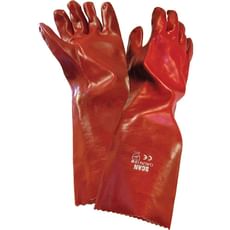
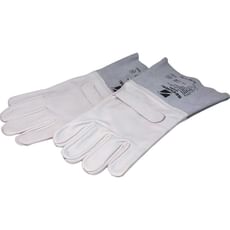
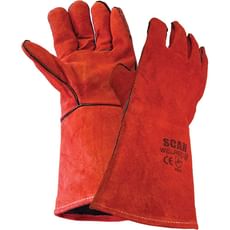
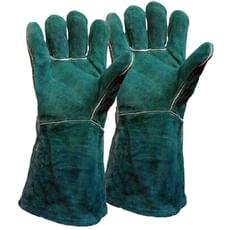
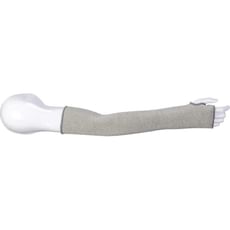
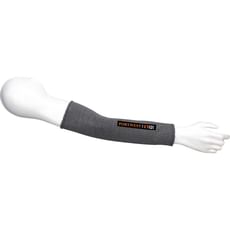
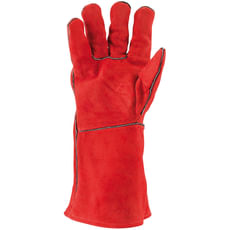
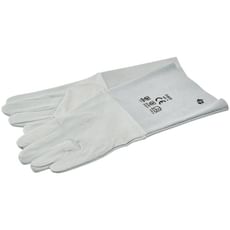
 Loading...
End of content
Error - No more pages to load
About Gauntlets
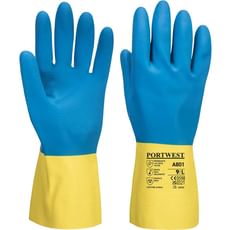
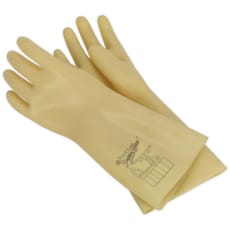
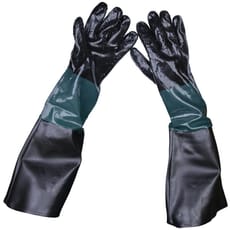
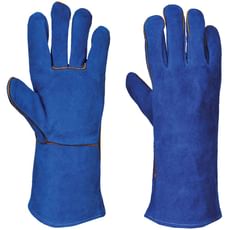
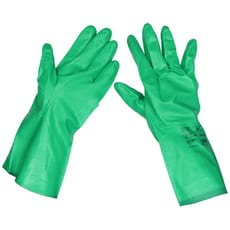
Gauntlets are extended protective gloves engineered to deliver comprehensive hand and forearm protection in demanding work environments where standard gloves simply aren't enough. Distinguished by their elongated cuffs that extend well beyond the wrist, gauntlets shield the lower arm from an array of workplace hazards including welding sparks, chemical splashes, sharp edges, electrical risks, and extreme temperatures. This specialist category encompasses everything from heavy-duty leather welders' gauntlets and electrically insulated rubber gloves to cut-resistant sleeves and chemical-resistant options suitable for industrial and construction applications.
The gauntlet selection at Tooled-Up.com features products from trusted manufacturers including Portwest, Sealey, Scan, Draper, and ITL, offering protection solutions tailored to specific trades and applications. Whether you're striking an arc during MIG welding operations, handling razor-sharp sheet metal, working safely on live 240v electrical systems, or tackling thorny hedgerows in the garden, there's a gauntlet designed to protect your hands and forearms whilst maintaining sufficient dexterity for effective work. Modern gauntlets incorporate advanced materials such as heat-resistant leather, dielectric rubber, and cut-resistant fibres with various grip coatings to deliver superior protection without sacrificing comfort or flexibility.
From breathable elasticated sleeves for general protection to specialist Class 0 insulated rubber gauntlets rated for electrical work up to 1,000V, this category serves professionals requiring extended arm protection beyond standard PPE gloves. Extended cuff lengths ranging from 350mm through to 560mm ensure comprehensive coverage for various applications, whilst diverse material compositions, grip technologies, and protection ratings allow tradespeople to select gauntlets precisely matched to specific workplace hazards and HSE compliance requirements.
Jargon Buster
- Cut Resistance Level
- A standardised rating system (A-F) defined by EN388 that indicates how effectively a material resists cutting forces. Level A offers basic protection for light handling work, whilst Level F provides the highest cut resistance for metal fabrication, glass handling, and working with exceptionally sharp materials.
- Double Dipped
- A manufacturing process where gauntlets are immersed twice in coating material (typically latex or nitrile), creating a substantially thicker and more durable barrier that extends glove lifespan and improves resistance to chemicals, oils, and liquids penetrating through to the skin.
- Class 0 Insulation
- An electrical safety rating indicating gauntlets are suitable for working safely with voltages up to 1,000V AC or 1,500V DC. Essential for electricians working on live 240v systems and distribution equipment, these must meet strict BS EN 60903 standards for dielectric protection and undergo regular testing.
- TIG Welding Gloves
- Specialist gauntlets designed specifically for Tungsten Inert Gas welding, typically constructed from softer, more supple leather to provide the enhanced dexterity and tactile sensitivity required for precise welding work whilst still offering adequate heat protection against radiant temperatures.
- Sandy Grip
- A textured coating finish with a gritty surface that provides enhanced grip performance in wet, greasy, or oily conditions, commonly applied to nitrile or latex gauntlets used in mechanical work, construction sites, and general handling applications where slip resistance is critical.
- Leather Protectors
- Over-gloves worn on top of rubber insulated electrical gauntlets to protect the delicate rubber from mechanical damage, cuts, punctures, and abrasion during electrical work, significantly extending the service life of expensive insulated gloves whilst maintaining their dielectric properties.
Who Uses Gauntlets?
Gauntlets are essential PPE for numerous trades and industries where extended arm protection is mandatory:
- Welders and Fabricators: Requiring heat-resistant leather gauntlets to protect against molten spatter, flying sparks, and intense radiant heat during MIG, TIG, and arc welding operations
- Electricians and Electrical Engineers: Using insulated rubber gauntlets when working on or near live 240v electrical equipment, distribution boards, and high-voltage systems
- Metal Workers and Sheet Metal Fabricators: Needing cut-resistant gauntlets when handling sharp-edged metal sheets, during angle grinding operations, and when working with fabricated components
- Chemical Industry Workers: Requiring chemical-resistant gauntlets with extended cuffs to prevent hazardous substances, acids, and corrosive materials reaching exposed skin
- Glass Handlers and Glaziers: Protecting hands and forearms from cuts and lacerations when manoeuvring large sheets of glass and sharp-edged materials
- Foundry Workers: Using heat-resistant gauntlets when working with molten metals, casting operations, and high-temperature manufacturing processes
- Gardeners and Landscapers: Wearing thorn-proof gauntlets for rose pruning, bramble clearance, and handling prickly hedging and thorny plants
- Maintenance Engineers: Requiring various gauntlet types depending on specific maintenance tasks involving heat, chemicals, sharp components, or electrical systems
- Construction Workers: Using general-purpose gauntlets for protection during demolition work, groundwork, and handling rough building materials
How to Choose the Right Gauntlets
Identify Your Primary Hazard: Determine whether you need protection from heat, cuts, chemicals, electrical risks, or multiple hazards. Welding gauntlets prioritise heat resistance and spark protection, whilst electrical work demands properly rated insulated rubber gauntlets meeting BS EN 60903 standards for dielectric safety. Cut-resistant options with appropriate EN388 ratings are essential for metal work and glass handling applications.
Consider the Required Protection Level: Check relevant safety standards and HSE guidance applicable to your industry. Electrical gauntlets are classified by voltage rating (Class 00 through to Class 4), whilst cut resistance follows the EN388 standard with levels A through F. Ensure your chosen gauntlets meet or exceed the minimum protection level for your specific tasks and workplace risk assessment requirements.
Assess Cuff Length and Coverage: Gauntlets are manufactured in various lengths from 350mm to over 560mm. Welding operations typically require longer cuffs to prevent sparks and spatter entering the glove opening, whilst general handling tasks may only need shorter sleeves. Consider how far up your forearm protection is needed based on your working position, task duration, and exposure risks.
Material and Coating Selection: Leather gauntlets offer excellent heat and abrasion resistance for welding and fabrication, rubber provides electrical insulation for sparkies, whilst nitrile and latex coatings deliver chemical resistance and enhanced grip. Double-dipped options available at Tooled-Up provide enhanced durability in demanding environments. Consider whether you need breathable materials for all-day comfort or maximum barrier protection for chemical handling.
Dexterity Requirements: Thicker, more protective gauntlets often reduce tactile sensitivity and manual dexterity. TIG welding and precision assembly work require thinner, more flexible gauntlets, whilst heavy fabrication and foundry work can accommodate bulkier protection. Balance protection needs against the fine motor control and grip sensitivity required for your specific tasks.
Comfort and Fit: Poorly fitting gauntlets can be genuinely dangerous, causing hand fatigue and reducing protective effectiveness. Look for elasticated cuffs that seal securely against your arm without restricting blood circulation, and ensure fingers aren't too long or short for your hand size. Some gauntlets offer elasticated or breathable sections for improved comfort during extended wear periods on site.
Popular Accessories
- Leather Protector Over-Gloves: Essential for protecting expensive insulated electrical gauntlets from mechanical damage, cuts, and abrasion, significantly extending their service life
- Glove Storage Bags: Keeping gauntlets clean, dry, and in good condition between uses, particularly important for maintaining the insulation properties of electrical gloves and preventing contamination
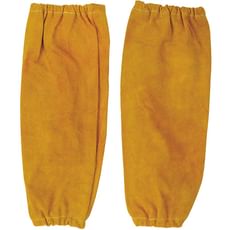
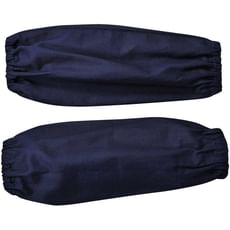
- Welding Sleeves: Additional sleeve protection worn separately or with standard gloves for extended forearm coverage during welding operations without needing full gauntlets
- Cut-Resistant Sleeves: Worn under or instead of full gauntlets to provide dedicated arm protection whilst allowing use of preferred work gloves for specific tasks
- Glove Clips and Holders: Convenient attachment solutions for tool belts or work clothing to keep gauntlets accessible and secure when not in use on site
- Safety Goggles and Face Shields: Complementary PPE essential when gauntlets are being used for welding, grinding, chemical handling, or other hazardous operations
- Barrier Creams: Providing an additional layer of skin protection when wearing gauntlets for extended periods in chemical environments or for enhanced comfort
Safety Information
Proper use and maintenance of gauntlets is crucial for workplace safety and HSE compliance. Always inspect gauntlets thoroughly before each use for signs of damage including tears, punctures, degraded coatings, contamination, or material deterioration. Damaged gauntlets must be removed from service immediately as compromised protection can lead to serious injury including burns, cuts, chemical exposure, or electric shock.
Electrical safety gauntlets require particular attention and must be regularly tested according to BS EN 60903 standards. These should be inspected for pin holes, rubber degradation, and dielectric integrity at intervals specified by the manufacturer and HSE guidance. Never use insulated gauntlets beyond their stated voltage rating, after their test date has expired, or if they show any signs of damage or contamination that might compromise insulation properties.
Ensure gauntlets are appropriate for the specific task and hazard. Wearing welding gauntlets for electrical work or vice versa provides completely inadequate protection and creates serious safety risks including potential fatality. Follow manufacturer guidance regarding chemical compatibility when selecting gauntlets for chemical handling applications, as not all materials resist all substances – some chemicals can rapidly degrade certain glove materials.
Store gauntlets correctly when not in use, away from direct sunlight, heat sources, sharp objects, and chemicals that might degrade materials. Leather gauntlets should be stored flat or hanging to prevent permanent creasing that can weaken the material, whilst rubber insulated gloves require storage away from ozone-generating equipment and should not be folded sharply or compressed.
Replace gauntlets according to manufacturer recommendations or when showing signs of wear, even if damage isn't immediately visible. Materials can degrade over time due to UV exposure, chemical contact, and repeated use, reducing protective properties. Keep records of inspection and replacement dates, particularly for electrical gauntlets where regulatory compliance and workplace safety documentation is essential.
Frequently Asked Questions
What's the difference between gauntlets and standard work gloves?
Gauntlets feature an extended cuff that provides protection well beyond the wrist, covering the forearm to varying lengths (typically 350-560mm). This extended coverage protects against hazards like welding sparks travelling up the arm, chemical splashes, or cuts that might otherwise reach exposed skin between glove and sleeve. Standard work gloves end at the wrist and don't provide this additional forearm protection, making them unsuitable for many industrial applications.
Can I use welding gauntlets for electrical work on 240v systems?
No, absolutely not under any circumstances. Welding gauntlets are designed exclusively for heat and spark protection but offer zero electrical insulation. Electrical work requires specialist insulated rubber gauntlets tested and rated according to BS EN 60903 standards for specific voltage levels. Using inappropriate gloves for electrical work can result in fatal electric shock – this is a critical safety issue that must not be compromised.
How do I know what cut resistance level I need?
Cut resistance is rated from Level A (lowest) to Level F (highest) under EN388 standards. General handling and light assembly work typically requires Level A-C protection, whilst metal fabrication, sheet metal work, glass handling, and working with exceptionally sharp materials needs Level D-F. Consult your workplace risk assessment and HSE guidance to determine the appropriate level for your specific tasks, materials handled, and industry requirements.
How often should electrical gauntlets be tested?
Insulated electrical gauntlets must undergo dielectric testing at intervals specified by the manufacturer, typically every six months for frequent use or annually for occasional use. However, HSE guidance and your company's safety procedures may require more frequent testing depending on working conditions and voltage levels. Always check the test date marked on gauntlets and never use them beyond the stated retest date – this is a legal and safety requirement.
Can gauntlets be washed or cleaned?
This depends entirely on the material and construction. Leather welding gauntlets generally shouldn't be washed as water can damage the leather, reduce heat resistance, and cause stiffening. Rubber and coated gauntlets can typically be washed with mild soap and lukewarm water, but avoid harsh chemicals, solvents, or high temperatures that might degrade protective properties. Always follow the manufacturer's care instructions to maintain effectiveness, longevity, and safety certification.