

Gazebos
Pay in 3 interest-free payments on purchases from £30-2000 with  . Learn more.
 Loading...
End of content
Error - No more pages to load
About Gazebos
Whether you're setting up a professional stand at an outdoor event, providing shelter on a busy construction site, or creating a comfortable outdoor space for weekend work, a quality gazebo offers instant, portable protection from the elements. The gazebo range at Tooled-Up.com combines robust construction with practical design features, making them ideal for tradespeople who need reliable temporary shelters that can be erected quickly and withstand British weather conditions.
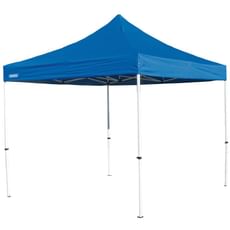
Modern folding and concertina gazebos have revolutionised portable shelter solutions, moving far beyond basic garden party marquees. Professional-grade gazebos feature reinforced frames, UV-resistant canopies, and pop-up mechanisms that allow a single person to set up a substantial covered area in minutes. The concertina design, in particular, offers exceptional portability without compromising on strength, making these structures perfect for mobile tradespeople, market traders, and outdoor contractors.
Gazebos from trusted brands like Draper provide versatile shelter solutions that can be enhanced with side panels for additional weather protection and privacy. These temporary structures serve multiple purposes across trades and industries, from creating dry storage areas on site to establishing professional working spaces at outdoor events. With various sizes and configurations available, you can select a gazebo that matches your specific requirements, whether that's a compact 2.5m unit for small jobs or a larger structure for substantial coverage.
Jargon Buster
- Concertina Frame
- A folding gazebo design that collapses down in an accordion-style movement, allowing for compact storage and rapid deployment without requiring separate poles to be assembled.
- Pop-Up Gazebo
- A quick-assembly gazebo structure with a pre-attached canopy and integrated frame that expands into shape, typically requiring minimal tools or expertise to erect and dismantle.
- Side Panels
- Detachable wall sections that attach to the gazebo frame to provide additional weather protection, privacy, and wind resistance. Available in solid or windowed configurations.
- UPF Rating
- Ultraviolet Protection Factor indicates how effectively the gazebo canopy blocks harmful UV rays. A UPF 50+ rating blocks over 98% of UV radiation.
- Hydrostatic Head
- A measurement in millimetres indicating the waterproofing level of the canopy material. A rating of 1500mm+ is considered suitable for professional use in typical British weather conditions.
- Guy Ropes and Pegs
- Tensioned cords and ground anchors used to secure the gazebo structure, providing additional stability in windy conditions and preventing movement or collapse.
Who Uses Gazebos?
- Market Traders and Street Vendors: Requiring weather protection for goods and customers at outdoor markets and trading events
- Construction Site Supervisors: Creating temporary dry storage areas for tools, equipment, and materials on active building sites
- Landscapers and Groundworkers: Establishing sheltered working areas for detailed outdoor tasks and protecting recently completed work
- Event Organisers and Exhibition Staff: Setting up professional stands and information points at outdoor events and shows
- Mobile Catering Units: Providing covered service areas and customer queuing zones at outdoor venues
- Vehicle Maintenance Professionals: Creating temporary covered workshops for outdoor vehicle repairs and detailing work
- Painters and Decorators: Protecting outdoor work areas and materials from sun and rain during exterior projects
- Property Maintenance Contractors: Establishing dry working spaces for repairs and maintenance at various locations
- DIY Enthusiasts: Creating covered areas for outdoor projects, car maintenance, and garden furniture restoration
How to Choose the Right Gazebos
Size and Coverage Area: Consider the floor space you need to cover, accounting for equipment, work surfaces, or display areas. Standard sizes range from 2.5m x 2.5m for compact applications to 3m x 6m for substantial coverage. Remember to factor in headroom requirements, particularly if you'll be standing for extended periods or storing tall equipment.
Frame Construction and Durability: Professional gazebos typically feature steel or aluminium frames with varying thicknesses and joint designs. Heavier-gauge steel offers superior strength for frequent use and challenging conditions, whilst aluminium frames provide excellent portability for mobile operations. Check the frame's powder-coated finish for corrosion resistance, essential for British weather conditions.
Canopy Material and Waterproofing: Look for canopies manufactured from polyester or polyethylene with waterproof coatings rated in hydrostatic head (mm). A minimum 1000mm rating provides basic water resistance, whilst 2000mm+ offers professional-grade protection. UV-resistant treatments prevent material degradation from sun exposure, extending the canopy's working life.
Assembly Mechanism and Portability: Concertina-style gazebos offer the quickest setup times, typically requiring just one or two people and no tools. Consider the collapsed dimensions and total weight if you'll be transporting the gazebo regularly. Quality units include wheeled carry bags that make transportation significantly easier, particularly on uneven ground.
Stability Features and Anchoring: Assess the gazebo's stability systems, including leg width, foot plates, and supplied anchoring equipment. Wider leg stances provide better wind resistance, whilst weighted feet or ground pegs ensure secure positioning. If you'll be working on hard surfaces like tarmac or concrete, consider models with weight plate attachments rather than relying solely on pegs.
Modularity and Accessories: Determine whether you'll need side panels for weather protection or privacy. Some gazebos offer modular designs where multiple units can be connected for larger coverage areas. Check compatibility with accessories like weight plates, additional pegs, and replacement canopies to ensure you can adapt the structure to different requirements.
Popular Accessories
- Gazebo Side Panels: Waterproof walls with zip closures and window options for weather protection and privacy
- Weight Plates and Sandbags: Ballast solutions for securing gazebos on hard surfaces where pegs cannot be used
- Guy Rope and Peg Sets: Additional anchoring equipment for enhanced stability in exposed locations
- Wheeled Carry Bags: Heavy-duty storage solutions with wheels for easier transportation
- Replacement Canopies: Spare or alternative colour canopies to extend gazebo lifespan and refresh appearance
- LED Lighting Strips: Battery-powered illumination for working in low-light conditions or evening events
- Gazebo Flooring and Matting: Interlocking tiles or roll-out matting to create clean, dry floor surfaces
- Banner Attachment Systems: Clips and fixings for displaying signage and promotional materials
Safety Information
Wind and Weather Precautions: Always monitor weather conditions when using gazebos, particularly wind speeds. Most domestic and light commercial gazebos are not designed to withstand winds exceeding 35-40mph (Beaufort scale force 7). If high winds are forecast, dismantle the structure or add substantial ballast and guy rope anchoring. Never leave a gazebo unattended in changeable weather conditions.
Secure Anchoring: Properly anchor all gazebo legs using appropriate methods for your surface type. On grass, drive pegs at 45-degree angles through all anchor points. On hard surfaces, use weighted feet with minimum 15kg per leg or sandbags at each corner. Inadequately secured gazebos can become dangerous projectiles in strong winds, posing serious risks to people and property.
Fire Safety Considerations: Keep all heat sources, including portable heaters, barbecues, and hot works equipment, well away from gazebo canopies. Most canopy materials are flammable and can ignite rapidly. If using electrical equipment inside the gazebo, ensure all connections are suitable for outdoor use with appropriate IP ratings and RCD protection at 30mA as recommended by HSE guidance.
Structural Inspection: Before each use, inspect the frame for cracks, bends, or damaged joints, and check the canopy for tears or degraded waterproofing. Pay particular attention to connection points and locking mechanisms. Replace damaged components immediately rather than attempting makeshift repairs that could compromise structural integrity.
Frequently Asked Questions
How quickly can a concertina gazebo be erected?
Most concertina or pop-up gazebos can be erected by two people in under five minutes once you're familiar with the mechanism. The frame extends in one movement, with the canopy already attached, then legs are adjusted to the correct height and locked in place. Single-person setup is possible but takes slightly longer. This rapid deployment makes them ideal for tradespeople who need temporary shelter at multiple job sites throughout the day.
Can gazebos withstand typical British weather conditions?
Quality gazebos with waterproof canopies rated at 1500mm+ hydrostatic head will handle rain effectively. However, they're designed as temporary structures rather than permanent outdoor installations. In typical British conditions with occasional showers and moderate winds, a properly anchored gazebo performs well. During severe weather warnings with high winds or heavy snow, structures should be dismantled. Professional-grade models available from Tooled-Up with reinforced frames handle British weather better than lightweight domestic versions.
What size gazebo do I need for a market stall or work area?
A 3m x 3m gazebo provides approximately 9 square metres of coverage, suitable for a standard market trading pitch or small work area with a table and storage. For larger displays or work zones requiring multiple tables and equipment, consider 3m x 4.5m or 3m x 6m models. Account for the fact that side panel installation reduces usable internal space slightly, and you'll need clear area around the perimeter for guy ropes and access.
How do I secure a gazebo on concrete or tarmac surfaces?
On hard surfaces where pegs cannot be driven, use weight plates specifically designed to fit gazebo feet, aiming for minimum 15kg per leg (60kg total for a four-legged structure). Alternatively, sandbags, water weights, or concrete blocks can be securely attached to each leg. Some professionals drill into permanent hard standings to install ground anchors, though this isn't suitable for all locations. Never rely solely on the gazebo's weight—inadequate anchoring is the primary cause of wind-related accidents.
Are replacement parts available if components become damaged?
Reputable manufacturers like Draper typically offer replacement canopies, side panels, and frame components for their gazebo ranges, allowing you to extend the product's lifespan rather than replacing the entire unit. Keep your model number and purchase details to ensure you order compatible parts. Replacement canopies are particularly useful as they experience more wear from UV exposure and weathering than frames. Some suppliers also stock universal fittings like connector clips and tension adjusters that fit multiple models.