

Gel Gloves
Pay in 3 interest-free payments on purchases from £30-2000 with  . Learn more.
 Loading...
End of content
Error - No more pages to load
About Gel Gloves
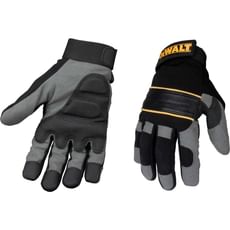
Gel gloves represent a specialised category of hand protection designed to combat the damaging effects of prolonged power tool use. Featuring strategically positioned gel padding in the palms and fingers, these gloves absorb impact forces and dampen vibration transmission, helping protect tradespeople and DIY enthusiasts from Hand-Arm Vibration Syndrome (HAVS) and repetitive strain injuries. Unlike standard work gloves, gel gloves combine cushioning technology with durable construction materials such as synthetic leather and breathable textile panels, delivering protection without sacrificing the dexterity needed for precision tasks.
Modern gel gloves from leading manufacturers like DeWalt integrate advanced ergonomic design with practical features suited to demanding site conditions. Typical specifications include reinforced fingertips for extended durability, adjustable wrist closures for a secure fit, and touchscreen-compatible fingertips that allow smartphone operation without glove removal. The gel padding itself is engineered to remain flexible across temperature ranges whilst providing consistent shock absorption during extended tool operation, whether you're using impact drivers, sanders, grinders, or demolition equipment.
Professional-grade gel gloves available from Tooled-Up.com meet rigorous EN standards for mechanical protection, offering measurable performance against abrasion, tear, and puncture hazards. Many designs incorporate additional protective elements such as neoprene knuckle guards, silicon grip patterns for enhanced tool control, and moisture-wicking materials that maintain comfort during intensive work. For tradespeople regularly operating vibrating power tools, gel gloves provide essential protection that helps prevent cumulative damage whilst maintaining the tactile sensitivity required for handling fixings, adjusting tool settings, and performing detailed assembly work.
Jargon Buster
- Gel Padding: Shock-absorbing material strategically positioned in the palm and fingers that dissipates impact forces and reduces vibration transmission, helping prevent fatigue and long-term hand damage from power tool operation.
- HAVS (Hand-Arm Vibration Syndrome): A preventable occupational condition caused by regular exposure to vibrating tools and equipment. Recognised by the HSE as a serious health concern that can lead to permanent damage to blood vessels, nerves, and joints in the hands and arms.
- EN 388 Rating: The European standard for protective gloves against mechanical risks, measuring performance across abrasion resistance, cut resistance, tear resistance, and puncture resistance through standardised testing procedures.
- Synthetic Leather: A durable, man-made palm material offering excellent grip characteristics, flexibility, and wear resistance. Often provides superior breathability compared to genuine leather whilst maintaining durability in demanding site conditions.
- Touchscreen Compatible: Conductive fibres integrated into fingertips that allow operation of smartphones, tablets, and touchscreen devices without glove removal, improving convenience when checking plans or messages on site.
- Impact Resistance: The glove's ability to absorb and disperse sudden forces from power tool operation, protecting hands against bruising, reducing fatigue during extended use, and minimising shock transmission to wrists and arms.
Who Uses Gel Gloves?
Gel gloves provide essential protection for numerous trades and applications where vibration exposure and impact protection are primary concerns:
- Construction Workers: Operating impact drivers, hammer drills, breakers, and demolition equipment throughout the working day
- Carpenters and Joiners: Using sanders, routers, nail guns, circular saws, and other vibrating woodworking power tools during detailed joinery work
- Groundworkers and Landscapers: Handling pneumatic breakers, compacting equipment, petrol-powered cutters, and vibrating plate equipment
- Maintenance Engineers: Working with angle grinders, impact wrenches, die grinders, and various vibrating machinery in industrial settings
- Electricians: Using power tools in confined spaces where hand protection against impacts and vibration is essential for prolonged comfort
- Mechanics and Vehicle Technicians: Operating impact guns, air ratchets, grinders, and other vibrating workshop equipment during vehicle maintenance
- Assembly Line Workers: Operating pneumatic tools and equipment with repetitive vibration exposure in manufacturing environments
- DIY Enthusiasts: Undertaking home improvement projects involving extended power tool use where comfort and protection enhance working experience
How to Choose the Right Gel Gloves
Gel Coverage and Placement: Examine where the gel padding is positioned relative to your typical tool use. Full-palm coverage offers maximum protection for heavy-duty applications like demolition work or operating breakers, whilst targeted padding at specific impact zones may provide better flexibility for detailed carpentry or assembly tasks.
Size and Fit: Proper fit is critical for both safety and dexterity. Gloves that are too large can bunch up and interfere with grip control, whilst those too small restrict movement and circulation. Measure your hand circumference and length according to the manufacturer's sizing guide, and look for adjustable wrist closures that secure the glove without causing discomfort or restricting blood flow during extended wear.
Material Construction: Consider the outer material relative to your working environment. Synthetic leather palms offer excellent durability and grip characteristics for general construction work, whilst breathable textile constructions with mesh panels may provide superior comfort for warmer conditions. Check for reinforcement at fingertips and high-wear areas to maximise glove lifespan.
Dexterity Requirements: Balance protection with tactile sensitivity for your specific applications. Thicker gel padding offers more vibration dampening but may reduce fine motor control needed for handling small fixings or operating intricate tool controls. Consider whether your work primarily involves heavy-duty tool operation or requires precision handling.
Safety Standards Compliance: Verify that gloves meet relevant EN 388 standards for impact and abrasion resistance. Look for HSE-recommended features if working in environments where HAVS is a recognised occupational risk, and ensure the protection level matches your exposure duration and tool vibration levels.
Additional Features: Touchscreen compatibility allows device operation without glove removal, breathable panels prevent moisture buildup during intensive work, reflective details improve visibility in low-light conditions, and machine-washable construction simplifies hygiene maintenance for gloves worn daily.
Popular Accessories
- Anti-Vibration Tool Wraps: Additional grip covers that further reduce vibration transmission from tool handles whilst improving comfort during extended operation
- Thermal Liner Gloves: Worn underneath gel gloves for added warmth in cold weather conditions without significantly compromising dexterity
- Wrist Supports and Braces: Provide extra stabilisation and support during repetitive power tool use, complementing gel glove protection
- General Work Gloves: Alternative protection for tasks not requiring gel padding, such as materials handling or light assembly work
- Cut-Resistant Gloves: For handling sharp materials, metal fabrication, and cutting tasks performed alongside power tool operation
- Tool Lanyards and Tethers: Prevent dropped tools when working at height whilst wearing gloves, improving safety and protecting expensive equipment
- Hand Cleaners and Barrier Creams: Maintain skin health and hygiene when wearing gloves throughout the working day in demanding site conditions
Safety Information
Whilst gel gloves provide valuable protection against vibration and impact, they should form part of a comprehensive approach to hand safety rather than a standalone solution. The HSE recommends limiting exposure time to vibrating tools regardless of protective equipment worn, as gloves alone cannot completely eliminate HAVS risk. Regular health surveillance, proper tool maintenance, and using low-vibration equipment are essential components of effective vibration management programmes.
Inspect gel gloves regularly for signs of wear, damage, or compression of the gel padding, which reduces protective effectiveness. Replace gloves when the gel becomes hard, cracked, or significantly compressed, as this indicates diminished shock absorption capability. Ensure gloves fit properly and don't catch on moving machinery or rotating tool components such as drill bits or grinding wheels.
Gel gloves are not suitable for electrical work where insulated gloves meeting specific voltage ratings are required for protection against electric shock. They should not be worn when operating machinery where gloves could become entangled, such as drill presses, bench grinders, or rotating shaft equipment, unless specifically designed and approved for such applications. Always follow manufacturer guidelines and workplace safety protocols regarding appropriate hand protection for specific tasks.
Frequently Asked Questions
Do gel gloves really prevent Hand-Arm Vibration Syndrome?
Gel gloves significantly reduce vibration transmission and can help minimise the risk of developing HAVS, but they're not a complete solution on their own. The HSE emphasises that controlling exposure time, maintaining tools properly to reduce vibration levels, and using low-vibration equipment are equally important preventative measures. Quality gel gloves from manufacturers like DeWalt work best as part of an overall vibration management strategy that includes regular breaks, tool maintenance, and health surveillance.
Can I wash gel gloves in the washing machine?
Many modern gel gloves available at Tooled-Up are machine washable, but always check the manufacturer's care instructions first. Generally, a gentle cycle with cold water and mild detergent is recommended, followed by air drying away from direct heat sources. Avoid tumble drying as high temperatures can damage the gel padding structure and degrade synthetic materials, reducing both protective performance and glove lifespan.
How long do gel gloves typically last with regular use?
Lifespan varies depending on usage intensity, working conditions, and maintenance, but quality gel gloves typically provide six to twelve months of regular professional use. Signs that replacement is needed include compressed or hardened gel padding, torn materials, worn fingertips exposing underlying layers, or noticeably reduced shock absorption during tool operation. Tradespeople using high-vibration equipment daily may need to replace gloves more frequently than occasional users.
Will gel gloves work with touchscreen devices on site?
Many contemporary gel gloves feature touchscreen-compatible fingertips that allow smartphone and tablet operation without removal, improving convenience when checking plans, messages, or app-controlled tools on site. Check product specifications to confirm this feature, as not all models include conductive materials in the fingertips. This functionality is particularly useful for site supervisors and tradespeople who need frequent device access throughout the working day.
Are gel gloves suitable for fine detail work and handling small fixings?
Modern gel gloves balance protection with dexterity, making them suitable for most typical trade tasks including handling fixings, operating tool controls, and general assembly work. However, they're generally less suited to extremely detailed work than lightweight precision gloves due to the added thickness of gel padding. Quality designs maintain good tactile sensitivity for standard carpentry, electrical installation, and mechanical work whilst providing essential vibration protection during power tool operation.