

Glass Cutters

Pay in 3 interest-free payments on purchases from £20-£3000 with  . Learn more.
 Loading...
End of content
Error - No more pages to load
About Glass Cutters
Glass cutters are precision hand tools designed to score and separate glass cleanly and accurately, making them essential for glaziers, picture framers, and DIY enthusiasts working with glass materials. Whether you're replacing a broken window pane, creating custom mirror sizes, crafting stained glass artwork, or fitting glass shelving, a quality glass cutter ensures precise, controlled cuts without unnecessary waste or dangerous shattering. The fundamental principle involves creating a controlled stress line on the glass surface that allows clean separation along the scored line.
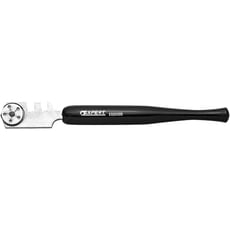
The glass cutters available from Tooled-Up.com feature both traditional single-wheel designs and professional multi-wheel options from trusted brands including Draper, Faithfull, and Expert by Facom. Modern glass cutters typically incorporate tungsten carbide or diamond cutting wheels, which provide superior durability and consistent scoring performance across various glass thicknesses up to 8mm. Single-wheel cutters are ideal for occasional use and straightforward cuts, whilst six-wheel turret designs offer extended tool life for professional tradespeople who need reliable performance day after day on site.
From basic models perfect for home repairs to expert-grade diamond cutters suited to demanding professional applications, the selection caters to all skill levels and requirements. Many feature comfortable ergonomic handles for reduced hand fatigue during extended use, along with oil-fed systems that automatically lubricate the cutting wheel for smoother scoring and cleaner breaks. Quality construction using stainless steel swivel heads, brass shanks, and nickel-plated turrets ensures longevity and consistent performance across hundreds or thousands of cuts.
Jargon Buster
- Tungsten Carbide Wheel: A cutting wheel made from extremely hard tungsten carbide material, capable of scoring glass surfaces up to 4mm thick effectively. More affordable than diamond options and suitable for most general glazing work, typically lasting through several hundred cuts.
- Diamond Cutting Wheel: A premium cutting wheel embedded with industrial diamonds (typically 0.024-0.032 karat), offering exceptional durability and the cleanest scoring lines. Ideal for professional use where precision and longevity are paramount, capable of handling glass up to 8mm thick.
- Scoring: The process of creating a controlled fracture line on the glass surface using the cutter. Proper scoring technique involves applying consistent pressure whilst drawing the wheel across the glass in a single, continuous motion without multiple passes.
- Turret Head: A rotating multi-wheel mechanism (typically six wheels) that allows you to switch to a fresh cutting edge when one wheel becomes worn, significantly extending the tool's working life before replacement is necessary.
- Oil-Fed System: An integrated lubrication mechanism within the cutter handle that automatically applies cutting oil to the wheel during use, reducing friction and extending wheel life whilst improving cut quality.
- Breaking Pliers: Specialised pliers used in conjunction with glass cutters to snap the glass cleanly along the scored line, particularly useful for narrow strips or curved cuts where hand pressure alone isn't sufficient.
Who Uses Glass Cutters?
- Professional Glaziers: Window fitters and glass installation specialists who regularly cut glass to size for residential and commercial properties
- Picture Framers: Craftspeople creating custom frames who need to cut glass and acrylic sheets to precise dimensions
- Stained Glass Artists: Creative professionals and hobbyists cutting coloured glass pieces for decorative panels and windows
- Shopfitters: Tradespeople installing glass shelving, display cases, and retail fixtures in commercial environments
- Maintenance Personnel: Building managers and caretakers handling window repairs and emergency glass replacements
- DIY Enthusiasts: Homeowners undertaking greenhouse repairs, replacing conservatory panes, or creating custom mirrors
- Automotive Glass Technicians: Specialists working with vehicle glazing and windscreen repairs
- Interior Designers: Professionals incorporating custom glass elements into renovation projects
How to Choose the Right Glass Cutters
Wheel Type: Tungsten carbide wheels offer excellent value for occasional use and general glazing work, typically lasting through hundreds of cuts on glass up to 4mm thick. Diamond cutting wheels represent a premium investment for professional tradespeople requiring superior precision and extended tool life across thousands of cuts, with capability to handle thicker glass up to 8mm.
Single vs Multi-Wheel Design: Single-wheel glass cutters provide straightforward functionality at an economical price point, perfect for DIY projects and light professional use. Six-wheel turret designs feature rotating heads that allow you to switch to a fresh cutting edge when one wheel becomes worn, significantly extending the tool's working life before replacement is necessary – ideal for professional glaziers.
Handle Design and Construction: Ergonomic handles reduce hand fatigue during extended cutting sessions, particularly important for professional use. Look for quality materials such as wooden handles on diamond cutters or comfortable grip designs on tungsten carbide models. Stainless steel swivel heads and brass shanks indicate professional-grade construction that withstands daily site work.
Glass Thickness Capability: Verify that your chosen cutter is suitable for the glass thicknesses you'll be working with. Standard tungsten carbide cutters typically handle glass from 2mm to 4mm effectively, whilst diamond cutters accommodate thicker glass up to 8mm for architectural or specialty applications.
Lubrication System: Oil-fed cutters automatically apply cutting fluid to the wheel, ensuring consistent performance and preventing premature wear. Manual cutters require periodic oiling but offer simpler maintenance. For professional use, automatic lubrication systems save time and ensure optimal cutting conditions.
Brand Reputation: Established brands like Draper and Faithfull offer proven reliability and replacement part availability. Expert by Facom represents professional-grade quality for demanding trade applications where consistent performance is non-negotiable.
Popular Accessories
- Cutting Oil: Specialist lubricant that reduces friction, extends wheel life, and improves cut quality for smoother scoring
- Straight Edges and T-Squares: Metal rulers and guides for marking and ensuring perfectly straight cuts
- Breaking Pliers: Purpose-designed pliers for snapping glass cleanly along scored lines
- Glass Running Pliers: Specialised tools that apply even pressure to propagate the score line through the glass thickness
- Cutting Mats: Protective surfaces that prevent workbench damage and provide cushioned support for glass sheets
- Cut-Resistant Gloves: Essential PPE protecting hands from sharp glass edges during handling and cutting operations
- Safety Glasses: Eye protection preventing injury from glass fragments and splinters during cutting and breaking
- Glass Cleaning Solutions: Products for removing oils and ensuring clean surfaces before cutting
- Storage Cases: Protective cases keeping cutting wheels clean and preventing damage between uses
Safety Information
Working with glass cutters and glass materials requires careful attention to safety protocols to prevent injuries. Always wear appropriate PPE including safety glasses or goggles to protect against flying glass fragments, and cut-resistant gloves when handling glass sheets with sharp edges. The HSE recommends proper training in glass handling techniques before undertaking professional glazing work, particularly when working with larger sheets or at height.
Ensure your work area is well-lit and clear of obstructions, with adequate space to manoeuvre larger glass sheets safely. Support glass properly on stable, flat surfaces during cutting to prevent unexpected movement or breakage. Never apply excessive pressure when scoring – a single pass with appropriate pressure creates the cleanest break. Multiple passes can cause unpredictable fractures and dangerous shattering that pose significant injury risks.
Dispose of glass offcuts and waste safely in designated containers clearly marked for broken glass, never in standard bins where they may injure waste handlers. Keep cutting wheels sharp and properly maintained; dull wheels require excessive force and increase the risk of slipping. Browse the selection at Tooled-Up.com for quality cutters that maintain their edge longer. Store glass cutters safely with protective caps over cutting wheels when not in use, and keep them away from moisture which can cause rust and degradation of cutting performance.
Frequently Asked Questions
How many times can I pass over the same cutting line with a glass cutter?
You should only score glass once with a single, continuous pass. The cutting wheel creates a controlled stress point in the glass surface, and attempting multiple passes over the same line can cause unpredictable fractures and dangerous shattering. If the initial score wasn't satisfactory, it's safer to start again on a different area of the glass sheet rather than risk compromising the integrity of your cut.
What's the difference between tungsten carbide and diamond glass cutters?
Tungsten carbide cutters offer excellent durability and performance for general glazing work at an economical price point, typically handling glass up to 4mm thick and lasting through several hundred cuts. Diamond cutters feature industrial diamond cutting wheels that provide superior precision, cleaner scoring, and significantly extended tool life – often thousands of cuts – whilst also accommodating thicker glass up to 8mm, making them the preferred choice for professional glaziers despite the higher initial investment.
Do I need to lubricate my glass cutter?
Yes, lubrication is essential for optimal cutting performance and wheel longevity. Cutting oil reduces friction between the wheel and glass, resulting in smoother scoring, cleaner breaks, and extended wheel life. Some cutters feature automatic oil-fed systems, whilst manual models require periodic application of specialist cutting oil. Even a small amount of lubrication significantly improves results and prevents premature wear.
Can I cut tempered or laminated safety glass with a standard glass cutter?
No, standard glass cutters cannot cut tempered glass, which is heat-treated to increase strength and will shatter into small pieces if you attempt to score it. Tempered glass must be cut to size before the tempering process. Laminated glass (two glass layers with a plastic interlayer) requires specialised techniques and tools beyond standard glass cutters, and is best left to professional glaziers with appropriate equipment.
When should I rotate or replace my glass cutter wheel?
Replace or rotate the cutting wheel when you notice inconsistent scoring, increased pressure requirements, or chattering (skipping) during cuts. With multi-wheel turret cutters available from Tooled-Up, simply rotate the head to expose a fresh cutting edge. The wheel should move smoothly during cutting – if it drags or requires excessive force, it's time for replacement. Quality wheels properly maintained and lubricated can last through hundreds or thousands of cuts depending on the material and frequency of use.