

Glass Sandpaper
Pay in 3 interest-free payments on purchases from £30-2000 with  . Learn more.
 Loading...
End of content
Error - No more pages to load
About Glass Sandpaper
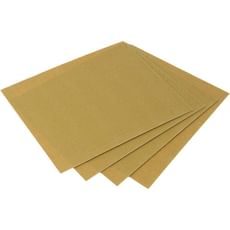
Glass sandpaper, traditionally known as glasspaper, represents one of the oldest and most economical abrasive materials still widely used in woodworking and surface preparation today. Unlike modern synthetic alternatives such as aluminium oxide or silicon carbide, glass sandpaper features crushed glass particles bonded to a flexible paper backing. This time-tested abrasive material has served generations of tradespeople and DIY enthusiasts, offering a cost-effective solution for light to medium sanding tasks where budget considerations are important and a basic finish is acceptable.
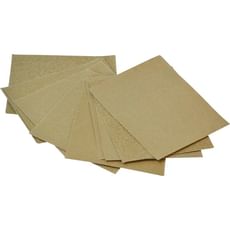
The glass sandpaper selection at Tooled-Up.com includes quality products from respected brands such as Faithfull, Oakey, and Sealey. Available in various grit grades ranging from coarse to fine, these products come as individual sheets, convenient multi-packs, and ready-to-use sets pre-cut for cork sanding blocks. The standard sheet size of approximately 115mm x 140mm to 230mm x 280mm makes glasspaper easy to tear, fold, or wrap around sanding blocks for different applications. Whilst glass sandpaper generally offers lower durability than modern synthetic abrasives, it remains an excellent choice for preliminary sanding work, paint preparation on softwoods, and situations where frequent abrasive replacement is expected as part of the workflow.
Glass sandpaper excels in hand sanding applications on softwood species like pine, spruce, and cedar, as well as for preparing previously painted or varnished surfaces for refinishing. The paper backing provides sufficient flexibility for contoured work whilst maintaining enough rigidity for flat surface preparation. For professional joiners working to tight project budgets, painters preparing surfaces between coats, or DIY enthusiasts tackling occasional home improvement projects, glasspaper delivers dependable basic performance at an accessible price point that makes it practical for high-volume surface preparation tasks.
Jargon Buster
- Grit Grade: The numerical rating system that indicates abrasive particle size and coarseness. Lower numbers (40-60) denote coarse grits for aggressive material removal, medium grades (80-120) suit general smoothing work, whilst higher numbers (150-240+) provide fine finishing for preparing surfaces before applying stains, paints, or varnishes.
- Glasspaper: The traditional British term for glass sandpaper, referring specifically to abrasive sheets manufactured with crushed glass particles rather than modern synthetic abrasive materials. The term "cabinet paper" is sometimes used interchangeably in woodworking contexts.
- Closed Coat vs Open Coat: Closed coat sandpaper features abrasive particles covering 100% of the backing surface for maximum cutting aggression, whilst open coat varieties have 50-70% coverage with deliberate gaps that reduce clogging when sanding resinous softwoods or removing paint and varnish.
- Backing Weight: Refers to the thickness, weight, and flexibility of the paper substrate. Lighter weight backings offer increased flexibility for sanding curved or contoured surfaces, whilst heavier backing weights provide enhanced durability and tear resistance for aggressive flat surface work.
- Friability: The characteristic tendency of abrasive particles to fracture or break down during use, exposing fresh cutting edges. Glass sandpaper exhibits relatively low friability compared to modern ceramic or aluminium oxide abrasives, meaning the glass particles tend to dull through wear rather than fracture, which limits working life.
- Cork Block: A traditional hand-held sanding block manufactured from compressed cork that accepts standard or pre-cut sandpaper sheets, providing comfortable grip, even pressure distribution across the sanding surface, and protection for your hands during extended manual sanding operations.
Who Uses Glass Sandpaper?
- Carpenters and Joiners: For preliminary smoothing of softwood timber components, removing mill marks, and general workshop surface preparation before progressing to finer abrasives
- Painters and Decorators: Essential for preparing walls, woodwork, and previously painted surfaces, flatting between coats, creating key for paint adhesion, and achieving smooth finishes before applying topcoats
- Cabinet Makers: Suitable for initial sanding stages on softwood carcase construction and preparation work before transitioning to finer grade abrasives for finishing operations
- Furniture Restorers: Used for gentle paint and varnish removal on period pieces, preparing surfaces for refinishing, and situations where controlled, economical abrasion is required
- Property Maintenance Teams: Ideal for general site maintenance tasks, basic refurbishment projects, preparation work, and high-volume applications where cost per sheet is a significant consideration
- DIY Enthusiasts: Perfect for home improvement projects, furniture upcycling, preparing woodwork for repainting, and general household repairs where professional-grade abrasives aren't cost-justified
- Model Makers and Hobbyists: Useful for small-scale craft projects requiring gentle sanding on delicate materials, precision work on miniatures, and applications where small quantities suffice
- Educational Settings: Commonly used in school design and technology workshops, training centres, and apprenticeship programmes for teaching fundamental woodworking and surface preparation techniques
How to Choose the Right Glass Sandpaper
Grit Selection: Match the grit grade to your specific task requirements. Begin with coarse grits (40-60) for heavy stock removal, paint stripping, and levelling rough-sawn timber. Progress to medium grits (80-120) for general smoothing and removing scratches left by coarser grades. Finish with fine grits (150-240) for final surface preparation immediately before applying stains, paints, or clear finishes. Many experienced tradespeople maintain assorted packs covering the most common grit ranges for workflow flexibility.
Material Compatibility: Glass sandpaper performs optimally on softwood species including pine, spruce, cedar, and fir. For hardwood applications, painted metal surfaces, or demanding professional finishing work, consider upgrading to aluminium oxide or silicon carbide alternatives available from Tooled-Up for superior durability, faster cutting action, and extended working life that may justify the higher initial cost.
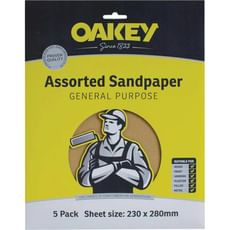
Sheet Format and Sizing: Standard full sheets typically measure 230mm x 280mm and can be easily torn, cut with scissors, or folded to suit your particular application. Cork block sets include pre-sized sheets (commonly 115mm x 140mm) that fit specific block dimensions perfectly, offering convenience and reducing material waste. Quarter sheets work well for palm sanders when cut to size.
Quantity Considerations: For professional trade use or larger projects involving significant surface areas, multi-pack assortments offer substantially better value per sheet and ensure you won't run out mid-project. DIY users tackling occasional jobs may prefer smaller pack quantities to avoid long-term storage issues and potential material degradation from moisture exposure over extended periods.
Application Method: If planning manual hand sanding, strongly consider purchasing a cork sanding block alongside your glasspaper sheets for dramatically improved control, more uniform results, and reduced hand fatigue. For power sanding applications with orbital or palm sanders, sheet material can be cut to fit, though purpose-manufactured sanding discs with hook-and-loop backing generally deliver superior performance and convenience.
Popular Accessories
- Cork Sanding Blocks: Essential companions from brands like Faithfull providing comfortable grip, even pressure distribution, and protection against blisters during extended hand sanding sessions
- Sanding Block Sets: Various sizes and profiles including flat blocks for large surfaces and shaped blocks for detailed work on mouldings and contoured components
- Abrasive Cleaning Sticks: Specialist cleaning tools that extend sandpaper working life by removing clogged particles, accumulated wood dust, and paint residue from abrasive surfaces
- Dust Masks and Respirators: Essential PPE protecting against fine dust particles generated during sanding operations, with FFP2 or FFP3 rated options for work involving old painted surfaces
- Work Gloves: Protective gloves from brands like Portwest or Scruffs preventing blisters and providing grip during rough preparation work and extended sanding sessions
- Tack Cloths: Specially treated cloths that remove fine sanding dust from prepared surfaces immediately before applying finishes, ensuring optimal adhesion and smooth results
- Sanding Frames: Hold sandpaper sheets taut for sanding larger flat surfaces with consistent, even pressure across the entire working area
- Storage Solutions: Organisers from Stanley FatMax or similar ranges keeping different grit grades separated, protected from moisture, and easily identifiable on site or in the workshop
Safety Information
Dust Control: Sanding operations generate substantial quantities of fine airborne dust particles that can irritate respiratory systems, eyes, and skin. Always work in well-ventilated areas with adequate air circulation and wear appropriate dust masks or respirators conforming to HSE guidelines, particularly during extended sanding sessions. Consider FFP2 or FFP3 rated respirators when sanding pre-1960s painted surfaces that may contain lead, or when working with MDF and exotic hardwoods that release potentially harmful dust.
Hand Protection: Prolonged hand sanding without proper support blocks frequently causes painful blisters, calluses, and hand fatigue that can affect work quality. Use cork blocks or padded sanding grips to distribute pressure evenly and protect your hands. Work gloves may be appropriate for rough preparation work but can reduce the tactile sensitivity needed for achieving quality finishing results.
Eye Protection: Safety glasses or goggles conforming to EN166 standards prevent dust particles and loose abrasive fragments from entering eyes, particularly important when working overhead on ceilings, in confined spaces, or in windy outdoor conditions where dust control is challenging.
Material Hazards: When sanding old paintwork, remain aware of potential lead content in coatings applied before the 1960s, which requires special handling procedures. Certain exotic hardwood species contain natural irritant compounds in their dust. Always consult relevant COSHH guidelines for materials requiring additional protective equipment or specific handling procedures to ensure compliance with current health and safety regulations.
Frequently Asked Questions
What's the difference between glass sandpaper and regular sandpaper?
Glass sandpaper uses crushed glass particles as the abrasive cutting material bonded to a paper backing, whilst modern "regular" sandpaper typically employs aluminium oxide, silicon carbide, or ceramic particles. Glass sandpaper offers a more economical option but exhibits lower durability, making it most suitable for lighter tasks on softwoods and basic preparation work. Aluminium oxide alternatives last considerably longer, cut more aggressively, and perform better on hardwoods, painted surfaces, and demanding professional applications.
Can I use glass sandpaper with power sanders?
Whilst glass sandpaper sheets can technically be cut to fit some palm sanders or orbital tools, they're not ideally suited to power sanding applications. The paper backing and glass abrasive material aren't engineered to withstand the sustained heat, friction, and mechanical stress generated by power tools operating at high speeds. For optimal results with orbital, belt, random orbit, or detail sanders, use purpose-manufactured sanding discs, belts, or sheets specifically designed for power tool applications.
How long does glass sandpaper last compared to other abrasives?
Lifespan varies depending on the material being sanded, pressure applied, and technique employed. Glass sandpaper typically dulls faster than modern synthetic alternatives because the glass particles wear down gradually rather than fracturing to expose fresh sharp cutting edges. For softwood hand sanding, expect to replace sheets when cutting efficiency noticeably decreases or when the abrasive surface appears glazed and polished. Keep multiple grit grades readily available to progress efficiently through sanding stages.
Which grit grade should I start with for bare softwood?
For rough-sawn softwood timber showing visible mill marks and surface irregularities, start with 60-80 grit to level the surface and remove imperfections efficiently. Progress to 120 grit for general smoothing and scratch removal, then finish with 180-240 grit before applying stains, paints, or clear finishes. If the timber arrives already relatively smooth from the supplier, begin with 120 grit to avoid unnecessary material removal that could affect dimensional accuracy.
Can glass sandpaper be used for wet sanding applications?
No, traditional glass sandpaper features a standard paper backing that quickly disintegrates when exposed to water or other liquids. For wet sanding applications such as flatting paintwork between coats, cutting back clear lacquer finishes, or achieving ultra-smooth surfaces on automotive work, you'll need waterproof silicon carbide "wet and dry" paper manufactured with waterproof backing material and resin bonding systems, available separately in the abrasives section at Tooled-Up.com.