

Glass & Tile Drill Bits
Pay in 3 interest-free payments on purchases from £30-2000 with  . Learn more.


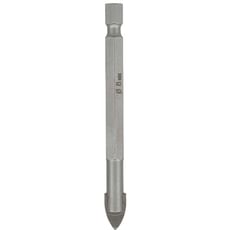
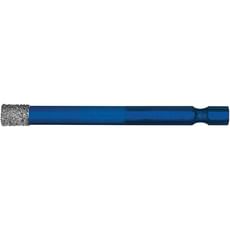
Bosch Expert HEX-9 Hard Ceramic 10x Longer Hard Ceramic Porcelain Tile Drill Bit
in stock
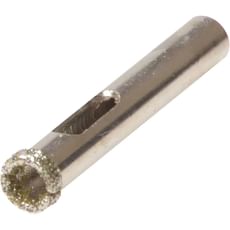

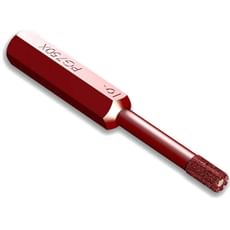
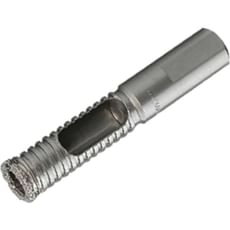
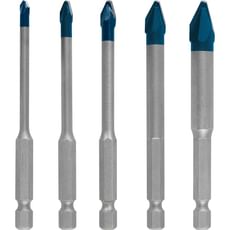

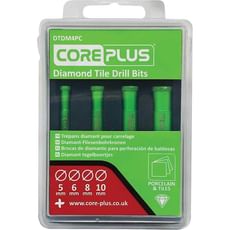
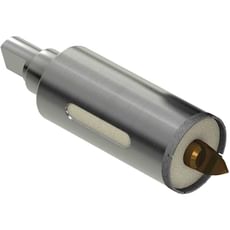

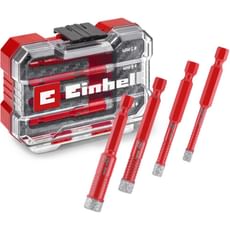
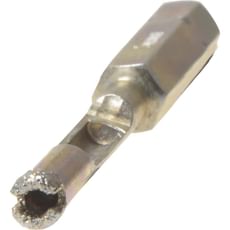
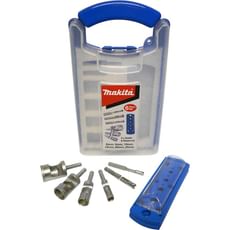
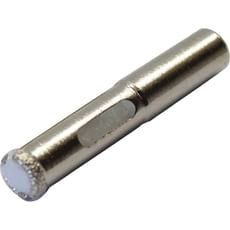
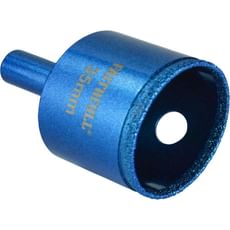
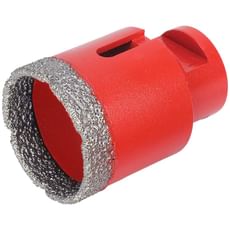
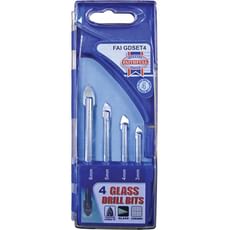
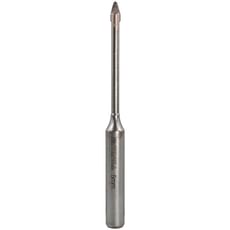

 Loading...
End of content
Error - No more pages to load
About Glass & Tile Drill Bits
Glass and tile drill bits are precision-engineered drilling tools specifically designed to penetrate hard, brittle materials such as ceramic tiles, porcelain, glass, marble and granite without causing cracks, chips or shattering. Unlike conventional twist drill bits intended for wood or metal, these specialised bits feature either diamond-coated tips or tungsten carbide cutting edges that can handle the unique challenges posed by smooth, glazed surfaces and extremely hard materials. Whether installing bathroom fixtures, mounting kitchen splashbacks, drilling through shower screens, or creating service holes for plumbing and electrical work, having the correct drill bits for these delicate materials is absolutely essential for achieving clean, professional results.
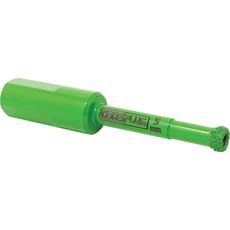
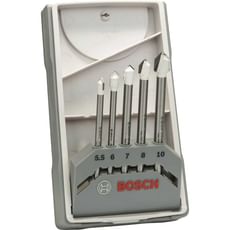
The selection at Tooled-Up.com encompasses options from industry-leading manufacturers including Bosch Professional, Marcrist, Draper, Faithfull, Irwin and Makita, offering everything from individual bits for specific one-off applications through to comprehensive multi-piece sets covering various hole sizes. Diamond-tipped drill bits represent the premium choice for their exceptional durability and ability to drill through the hardest porcelain tiles, natural stone and toughened glass, whilst tungsten carbide-tipped (TCT) alternatives provide excellent value and performance for standard ceramic tiles and lighter-duty work. Many contemporary designs incorporate HEX-9 shanks for improved grip in drill chucks and quick-change systems, whilst advanced dry-drilling technologies eliminate the need for constant water cooling, making them far more practical for site work.
This category features drill bits ranging from compact 4mm diameters for pilot holes and mounting fixings, through to larger 35mm+ bits for plumbing penetrations and waste pipe installations. Multi-purpose sets prove ideal for tradespeople who regularly encounter mixed materials on site, whilst specialist bits optimised for specific applications—such as glass drilling with spear-point geometry or porcelain drilling with premium diamond coatings—ensure the best possible results for demanding professional work.
Jargon Buster
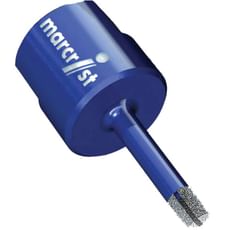
- Diamond-Coated Bit: A drill bit featuring industrial diamond particles vacuum-brazed or bonded to the cutting tip, providing superior hardness and exceptional longevity when drilling through extremely hard materials like porcelain, granite and toughened glass. These bits typically last significantly longer than carbide alternatives and maintain their cutting performance even after hundreds of holes.
- TCT (Tungsten Carbide Tipped): Drill bits with cutting edges manufactured from tungsten carbide, an extremely hard compound that can penetrate ceramic tiles and glass effectively. More affordable than diamond bits, TCT bits offer excellent performance for standard ceramic wall and floor tiles whilst representing better value for occasional users.
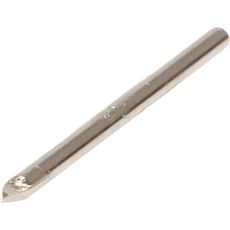
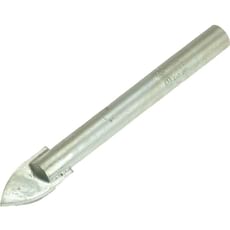
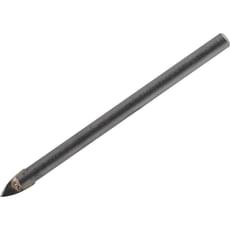
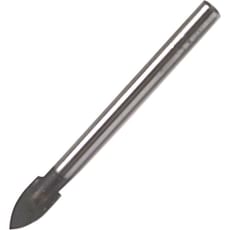
- Spear Point Design: A pointed tip geometry featuring a tapered, arrow-like profile that helps position the bit accurately on slippery glazed surfaces and significantly reduces the tendency for the bit to wander when starting a hole—particularly important when drilling expensive tiles where accuracy is critical.
- Dry Drilling Technology: The ability to drill without continuous water cooling. Modern bits from manufacturers like Bosch Professional feature advanced dry drilling capability through specialised tip designs and cooling channels, making them considerably more convenient for installation work where water supply isn't readily available or practical.
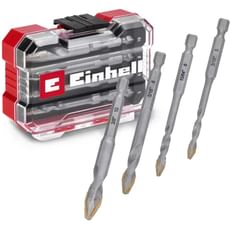
- HEX-9 Shank: A nine-sided hexagonal shank design that provides substantially enhanced grip in drill chucks, preventing bit slippage during demanding applications. This system is compatible with modern quick-change chuck systems and offers superior torque transfer compared to standard round shanks.
- Vacuum Brazed: A manufacturing process where diamond particles are permanently bonded to the bit surface in a vacuum environment, creating an exceptionally strong connection that prevents the diamonds from detaching during use. This results in longer-lasting bits with consistent cutting performance throughout their working life.
Who Uses Glass & Tile Drill Bits?
- Professional Tilers: Daily use for drilling mounting holes, creating outlets for pipes and fittings, installing bathroom and kitchen accessories, and working with ceramic, porcelain and natural stone installations
- Bathroom and Kitchen Fitters: Installing sanitaryware, mounting taps and mixer valves, creating service holes through tiled surfaces, and fitting towel rails, toilet roll holders and accessories
- Plumbers: Cutting holes through tiled surfaces for pipework, shower fittings, radiator pipes, waste installations and creating access points for service connections
- Electricians: Drilling through tiles to install sockets, switches, extraction fans, heated towel rails and lighting fixtures in kitchens, bathrooms and wet rooms
- Glaziers and Glass Workers: Creating mounting holes in glass panels, mirrors, shower screens, glass balustrades and decorative glasswork for fixtures and fittings
- General Builders and Maintenance Workers: Various installations requiring drilling through tiled or glass surfaces on refurbishment projects, new builds and maintenance contracts
- Shopfitters and Commercial Installers: Installing fixtures, signage, display equipment and security devices that require drilling through glass or ceramic surfaces in retail and commercial environments
- DIY Enthusiasts: Home improvement projects including bathroom renovations, kitchen upgrades, mirror installations, tile repairs and general household maintenance work
How to Choose the Right Glass & Tile Drill Bits
Material Type: Consider what you'll be drilling most frequently. Diamond-coated bits are essential for hard porcelain tiles, natural stone like granite or marble, and toughened glass, offering superior longevity for professional use. TCT bits from brands like Draper and Faithfull work perfectly well for standard ceramic tiles and represent a more economical choice for occasional use or softer materials. The hardest materials demand the hardest cutting edges—match your bit specification to your typical workload.
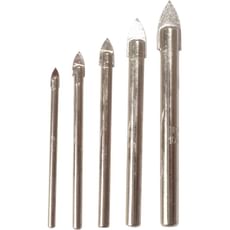
Hole Size Requirements: Assess the diameters you regularly need. Individual bits suit specialist applications where you repeatedly drill the same size, whilst multi-piece sets from Bosch Professional, Marcrist or Draper provide versatility and better overall value for varied work. Common sizes include 5-6mm for wall plugs and small fixings, 8-12mm for standard mounting brackets and pipe clips, and 20-35mm for plumbing penetrations, waste pipes and larger service holes.
Frequency of Use: Professional tradespeople working daily with tiles should invest in premium diamond bits from ranges like Bosch Expert, Marcrist or Makita, which offer extended lifespans rated for hundreds of holes and maintain consistent cutting performance throughout their working life. Occasional users can opt for quality mid-range options from Faithfull, Draper or Irwin that balance performance and cost-effectiveness without compromising on safety or results.
Cooling Method: Wet drilling with water cooling maximises bit life and drilling speed but isn't always practical on installation sites. Modern dry-drilling bits from Tooled-Up incorporate special tip designs, cooling channels and advanced materials technology, making them ideal for site work where water supply is limited or where wet drilling would create unnecessary mess. Always check whether your chosen bits require wet or dry operation before purchasing.
Shank Compatibility: Ensure the drill bit shank matches your power tool. Standard round shanks fit most conventional drills, whilst hex shanks provide better grip and prevent slippage under load. Some specialist bits use SDS shanks for rotary hammer drills, though percussion mode must never be activated when drilling tiles or glass as this will cause immediate cracking.
Application Specifics: Glass drilling requires specialised spear-point bits with very fine diamond coating for clean entry and exit holes, whilst hard porcelain tiles demand robust diamond or premium TCT bits with substantial cutting edges. Standard ceramic wall tiles are less demanding and can be drilled successfully with good quality carbide bits. Consider investing in sets that cover multiple applications if you work across varied projects.
Popular Accessories
- Drill Guide Templates: Ensure accurate hole positioning on tiles and prevent bit wandering on glazed surfaces, particularly useful for symmetrical installations like bathroom accessories
- Masking Tape: Applied to tile surfaces to reduce slipping when starting holes, protect the glaze from chipping and provide a visible guide for drilling locations
- Centre Punches or Tile Scribers: Create small starting marks on tiles to help position drill bits accurately and prevent initial skidding on smooth glazed surfaces
- Variable Speed Drills: Essential for controlled, low-speed drilling through brittle materials without cracking—look for models with trigger sensitivity and electronic speed control
- Spray Bottles: Provide water cooling for bits requiring wet drilling, extending tool life significantly and improving cutting performance on hard materials
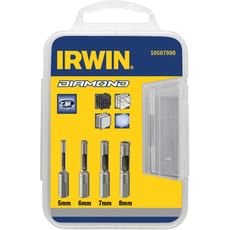
- Drill Bit Storage Cases: Protect delicate diamond and carbide tips from damage between uses and keep different sizes organised for quick selection on site
- Safety Glasses and Dust Masks: Essential PPE for protecting against tile dust and fragments during drilling operations, particularly when working with porcelain which creates very fine dust
- Diamond Core Drills: Larger diameter cutting tools for substantial openings in tiled surfaces, particularly useful for extractor fan installations and large pipe penetrations
- Vacuum Dust Extractors: Control dust and debris when drilling tiles indoors, particularly important in occupied properties and for compliance with HSE workplace exposure limits
Safety Information
Eye Protection: Always wear safety glasses or goggles conforming to BS EN 166 when drilling tiles or glass, as fragments and dust can cause serious eye injuries. Small particles can travel at high speed during drilling operations, and even tiny glass or ceramic splinters can cause permanent damage if they enter the eye.
Respiratory Protection: Use appropriate dust masks or respirators when drilling tiles, particularly porcelain and ceramic, as the fine crystalline silica dust created can be harmful if inhaled and may contribute to long-term respiratory conditions. Ensure adequate ventilation in enclosed spaces like bathrooms, and consider dust extraction equipment for prolonged work. Observe COSHH regulations regarding workplace exposure limits.
Correct Speed Settings: Never use high speeds or percussion/hammer mode when drilling glass or tiles, as this will cause immediate cracking or catastrophic shattering. Use variable speed drills at low RPM (typically 200-400 RPM) for controlled, safe drilling. High speeds generate excessive heat and vibration that brittle materials cannot withstand.
Material Support: Always ensure tiles and glass panels are properly supported on both sides when drilling. Unsupported materials can crack or break under drilling pressure, potentially causing injury from razor-sharp edges. When drilling installed tiles, check there are no voids behind the surface that could cause flexing and breakage.
Electrical Safety: When drilling tiles in wet areas like bathrooms, use 110V transformer-powered tools on professional sites in accordance with HSE guidance for reduced voltage systems. For 240V domestic tools, ensure RCD protection is fitted to prevent electric shock. Never drill near concealed electrical cables—always use a cable detector first.
Bit Condition: Inspect drill bits regularly for wear, damage or diamond/carbide loss. Worn bits require excessive pressure to cut, dramatically increasing the risk of slipping, material breakage and injury. Replace damaged bits immediately—attempting to force a worn bit through hard materials is dangerous and will likely result in tile breakage.
Frequently Asked Questions
Can I use normal drill bits on tiles?
No, standard twist drill bits designed for wood or metal will not penetrate tiles effectively and will almost certainly cause cracking, chipping or complete shattering. The hardness differential and cutting geometry are completely wrong for these materials. Always use specialist glass and tile drill bits with diamond or tungsten carbide tips specifically designed for hard, brittle materials.
Do I need to use water when drilling tiles?
This depends entirely on the bit type. Traditional diamond bits benefit significantly from water cooling to prevent overheating, extend life and improve cutting speed. However, modern dry-drilling bits from manufacturers like Bosch Professional have been specifically engineered to work without water through advanced tip designs and cooling technologies. Always check the manufacturer's specifications for your specific bits—using a wet-only bit dry will dramatically shorten its life.
Why does my drill bit keep slipping on the tile surface?
Glazed tiles are extremely smooth and slippery, making initial positioning difficult. Apply masking tape to the drilling location to provide grip, start at very low speed with minimal pressure, and consider bits with spear-point designs that locate more easily on glazed surfaces. Create a small starting mark with a tile scriber if possible. Never use hammer/percussion mode as this massively exacerbates the problem and will crack tiles immediately.
What's the difference between diamond and carbide tile bits?
Diamond-coated bits feature industrial diamond particles bonded to the tip and are significantly harder and longer-lasting, making them ideal for porcelain, natural stone, toughened glass and professional high-volume use where durability justifies the higher cost. TCT (tungsten carbide tipped) bits are more affordable and work perfectly well for standard ceramic tiles and occasional use, offering excellent value for DIY users and lighter trade applications.
How can I prevent tiles from cracking when drilling?
Use the correct specialist drill bit for your material type, work at low speed (typically 200-400 RPM), apply only gentle pressure and let the bit do the cutting work, never activate percussion/hammer mode, ensure the tile is properly supported underneath with no voids, and start with a smaller pilot hole before enlarging to final size if drilling larger diameters. Placing masking tape over the drilling location also helps prevent surface crazing and provides a non-slip surface for starting. Patience is key—rushing the process causes cracking.