

Gloss Varnish

Pay in 3 interest-free payments on purchases from £20-£3000 with  . Learn more.
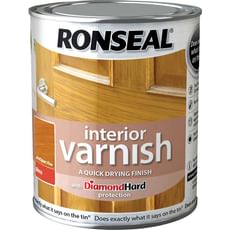
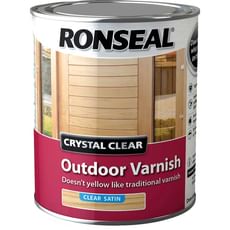
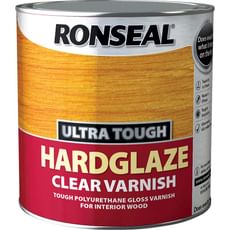
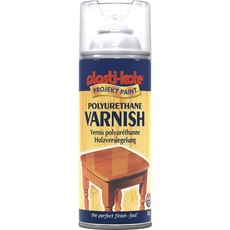
 Loading...
End of content
Error - No more pages to load
About Gloss Varnish
Gloss varnish is an essential finishing product that provides both protection and an attractive, high-shine finish to wood, furniture, and decorative surfaces. Designed to create a durable, reflective coating, gloss varnish enhances the natural beauty of timber whilst safeguarding it against everyday wear, moisture, UV damage, and environmental stresses. Whether you're working on internal joinery, outdoor garden furniture, or restoring antique pieces, a quality gloss varnish delivers both aesthetic appeal and long-lasting protection.
The range of gloss varnishes available at Tooled-Up.com includes products suitable for both interior and exterior applications, featuring trusted brands like Ronseal and Plastikote. From quick-dry formulations for fast project turnaround to ultra-tough hardglaze options for high-traffic areas, these varnishes are formulated to meet the demanding requirements of professional tradespeople and dedicated DIY enthusiasts. Available in convenient aerosol sprays and traditional brush-on formats, gloss varnishes offer versatility for projects of all sizes, from intricate detail work to large surface coverage.
Modern gloss varnishes are engineered to deliver crystal-clear finishes that won't yellow over time, ensuring your woodwork maintains its intended colour and character for years to come. Whether you're protecting newly installed hardwood floors, reviving tired furniture, or sealing exterior woodwork against the British weather, the right gloss varnish provides the professional finish and durability your project demands.
Jargon Buster
- Crystal Clear: A varnish formulation that dries completely transparent without yellowing or discolouring the underlying wood, preserving the natural grain and colour of the timber.
- Quick Dry: Formulations with accelerated drying times, typically touch-dry within 30 minutes to 2 hours, allowing for faster recoating and reduced project completion times.
- Hardglaze: An extra-tough varnish containing enhanced polyurethane resins that create an exceptionally durable, scratch-resistant surface ideal for high-traffic areas like floors, worktops, and furniture.
- UV Protection: Special additives within the varnish that filter harmful ultraviolet rays, preventing the wood from fading, greying, or deteriorating when exposed to sunlight, particularly important for exterior applications.
- Recoat Time: The minimum period you must wait between applying subsequent coats of varnish, ensuring proper adhesion and avoiding wrinkling, softening, or lifting of previous layers.
- VOC Content: Volatile Organic Compounds are solvents that evaporate during drying. Low-VOC varnishes are increasingly popular for improved air quality and compliance with environmental regulations.
Who Uses Gloss Varnish?
Gloss varnish is an indispensable finishing product for a wide range of trades and users:
- Carpenters and joiners protecting bespoke joinery, staircases, doors, and window frames
- Cabinet makers finishing kitchen units, fitted furniture, and fine woodwork
- Painters and decorators completing comprehensive interior and exterior decoration projects
- French polishers and furniture restorers reviving antique and period furniture pieces
- Shopfitters sealing retail fixtures, display units, and commercial joinery
- Flooring specialists protecting newly laid hardwood and parquet floors
- Property maintenance professionals maintaining and refurbishing residential and commercial buildings
- DIY enthusiasts tackling home improvement projects, upcycling furniture, and craft work
- Garden landscapers treating outdoor furniture, decking features, and timber structures
How to Choose the Right Gloss Varnish
Selecting the appropriate gloss varnish ensures optimal performance and longevity for your project. Consider these essential factors:
Interior vs Exterior Use: Determine whether your project faces indoor or outdoor conditions. Exterior varnishes contain enhanced UV filters and weather-resistant properties essential for withstanding British weather conditions, whilst interior formulations prioritise quick drying and low odour for comfortable application indoors.
Durability Requirements: Assess the level of wear your finished surface will endure. High-traffic areas like floors, worktops, and table tops benefit from ultra-tough hardglaze formulations with superior scratch and impact resistance, whilst decorative items require less robust protection.
Application Method: Choose between aerosol spray varnishes for intricate detail work, small items, and hard-to-reach areas, or traditional brush-on formats for larger surfaces and comprehensive coverage. Aerosols deliver fine, even finishes with minimal equipment, whilst brush applications offer greater control over film thickness.
Drying Time: Quick-dry varnishes accelerate project completion, allowing multiple coats in a single day and faster return to service. Standard formulations may require longer curing periods but often deliver harder, more durable finishes.
Colour Preservation: Opt for crystal clear formulations that won't yellow over time, particularly important for light-coloured timbers like ash, maple, and pine where colour shifts would be highly visible.
Number of Coats: Check manufacturer recommendations for coverage and build-up. Most projects require 2-3 coats for adequate protection, with light sanding between coats promoting optimal adhesion and a flawless final finish.
Popular Accessories
Achieve professional results and maintain your gloss varnish application with these complementary products available from Tooled-Up:
- High-quality synthetic or natural bristle brushes for smooth, streak-free application
- Fine-grit sandpaper (240-320 grit) for surface preparation and inter-coat flatting
- Lint-free tack cloths for removing dust particles before varnishing
- White spirit or brush cleaner for equipment maintenance and cleanup
- Paint kettles and roller trays for convenient product decanting
- Foam rollers for rapid coverage on larger flat surfaces
- Masking tape and dust sheets for protecting adjacent surfaces
- Respirator masks for safe application in poorly ventilated areas
- Stir sticks for thorough product mixing before use
- Wood stains and dyes for enhancing grain before varnishing
Safety Information
Working safely with gloss varnish protects your health and ensures compliance with regulations:
Ventilation: Always apply varnish in well-ventilated areas to disperse solvent vapours. Open windows and doors, and consider using extraction fans for prolonged indoor application. Aerosol varnishes produce fine particles requiring particularly good airflow.
Personal Protection: Wear appropriate PPE including safety glasses to prevent eye splash, chemical-resistant gloves to avoid skin contact, and respirator masks when working in confined spaces or with inadequate ventilation.
COSHH Compliance: Familiarise yourself with the manufacturer's safety data sheet (SDS) and follow COSHH regulations for handling, storage, and disposal of varnish products. Many contain flammable solvents requiring specific storage away from heat sources and ignition risks.
Fire Safety: Store varnishes and soiled rags safely, as spontaneous combustion can occur with oil-based products. Dispose of contaminated cloths in sealed metal containers or submerge in water before disposal.
Skin Contact: If varnish contacts skin, wash immediately with soap and water. Seek medical attention if irritation persists. Never use solvents to clean skin as this can increase absorption of harmful chemicals.
Frequently Asked Questions
How many coats of gloss varnish should I apply?
Most applications require 2-3 coats for adequate protection and depth of finish. The first coat seals the wood, the second builds protection, and a third coat enhances durability and gloss. For high-wear surfaces like floors and worktops, consider applying 3-4 coats. Always allow proper drying time between coats and lightly sand with fine-grit paper to promote adhesion.
Can I use gloss varnish over stained wood?
Yes, gloss varnish works excellently over wood stains and dyes, protecting the colour whilst adding shine. Ensure the stain is completely dry before varnishing—typically 24 hours for water-based stains and longer for oil-based products. Apply a light first coat to seal the stain, then build up subsequent layers for the desired finish and protection level.
What's the difference between interior and exterior gloss varnish?
Exterior varnishes contain enhanced UV filters to prevent sun damage, superior water resistance to withstand rain and moisture, and flexible resins that accommodate wood movement through seasonal temperature changes. Interior varnishes prioritise faster drying times, lower odour, and may not include the weather-resistant additives unnecessary for protected indoor environments. Never use interior varnish outdoors as it will quickly fail.
How do I achieve a perfectly smooth gloss finish?
Success depends on thorough surface preparation and careful application. Sand the bare wood progressively through finer grits (120, 180, 240), remove all dust with a tack cloth, and apply thin, even coats rather than heavy applications. Lightly sand between coats with 320-grit paper, removing dust before the next coat. Work in dust-free conditions with good lighting, and maintain a wet edge to avoid brush marks and overlap lines.
How long before I can use a varnished surface?
While most gloss varnishes are touch-dry within 2-4 hours, full cure takes considerably longer. Light use is typically safe after 24 hours, but allow 7 days before subjecting surfaces to heavy wear or placing objects on varnished furniture. Floors may require 3-7 days before furniture replacement and normal foot traffic. Quick-dry formulations reduce these times, but always consult manufacturer guidelines for specific products.