

Glove Accessories
Pay in 3 interest-free payments on purchases from £30-2000 with  . Learn more.
 Loading...
End of content
Error - No more pages to load
About Glove Accessories
Glove accessories are specialist workplace organisers and compliance tools designed to support proper hand protection practices across professional and industrial environments. Whilst protective gloves themselves are essential PPE for countless tasks, maintaining them in optimal condition, keeping them readily accessible, and ensuring they meet safety standards requires dedicated supporting equipment. This focused category encompasses magnetic dispensers for convenient wall-mounting in workshops, pneumatic testing equipment to verify glove integrity before use, and secure attachment systems that prevent loss or misplacement on active job sites.
For tradespeople working in automotive workshops, manufacturing facilities, construction sites, and maintenance environments, these accessories help maintain HSE compliance whilst significantly improving workflow efficiency. Magnetic holders and dispensers ensure disposable gloves remain clean and readily available exactly where they're needed—adjacent to workbenches, vehicle hoists, or task-specific areas. Wrist straps and attachment systems keep expensive reusable gloves secure when removed temporarily during tasks, preventing costly losses on site. Testing equipment allows safety officers and responsible employers to verify that protective gloves meet required standards and maintain their protective properties throughout their service life.
Quality glove accessories available from Tooled-Up.com are built for demanding workshop and site environments, with brands like Sealey, Draper, and Facom offering robust construction that withstands daily professional use. Whether organising a busy garage forecourt, maintaining a production line, or managing PPE compliance across multiple sites, the right accessories ensure protective equipment remains in optimal condition and workers can access hand protection quickly, hygienically, and without workflow interruption.
Jargon Buster
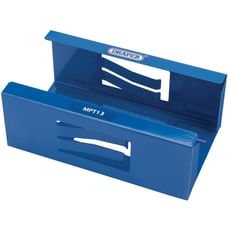
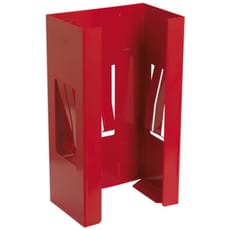
- Magnetic Dispenser: A wall-mountable storage unit with magnetic backing that holds boxes of disposable gloves, allowing one-handed dispensing whilst keeping gloves clean and organised in workshops and garages. Typically features rubber-protected magnets to prevent surface damage.
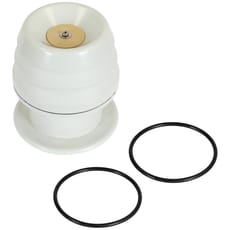
- Pneumatic Glove Tester: Compressed air equipment designed to inflate gloves and check for punctures, tears, or degradation in protective gloves before use. Essential for safety compliance in chemical handling, electrical work, and environments where glove integrity is critical to worker protection.
- SLS (Select, Locate, Secure): A tool management system using colour-coded identification and secure attachment points to prevent tool and equipment loss. Applied to glove accessories through wrist straps and tethering systems that keep valuable protective equipment secure during professional use.
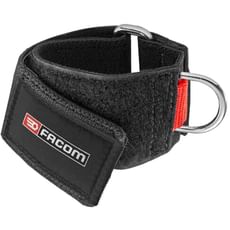
- Wrist Strap with D-Ring: A secure attachment system worn around the wrist featuring a metal D-shaped ring, allowing workers to temporarily attach gloves or small tools without risk of dropping or losing them when working at height or in confined spaces.
- Box Holder: A dedicated mounting bracket or magnetic holder designed to secure tissue boxes or disposable glove boxes to vertical surfaces, keeping them accessible and protected from workshop contaminants like oil, grease, and metal particles.
- PPE Compliance Testing: Regular inspection and verification procedures required under HSE regulations to ensure protective equipment including gloves maintains its protective properties and remains fit for purpose throughout its service life.
Who Uses Glove Accessories?
- Motor Vehicle Technicians: Mechanics and auto electricians requiring quick access to nitrile gloves whilst keeping them free from oil and grease contamination during diagnostic and repair work.
- Manufacturing Operatives: Production line workers and quality control staff who need organised glove dispensing at multiple workstations throughout facilities to maintain hygiene and efficiency standards.
- Maintenance Engineers: Plant maintenance teams and facilities managers responsible for PPE compliance, equipment testing, and ensuring protective equipment remains accessible across industrial premises.
- Construction Workers: Site operatives working at height who need secure wrist straps to prevent dropping valuable specialist gloves whilst performing tasks on scaffolding, ladders, or elevated platforms.
- Laboratory Technicians: Scientific and medical professionals requiring hygienic glove storage and regular integrity testing to maintain contamination-free working environments.
- Health & Safety Officers: Compliance professionals responsible for testing and maintaining protective equipment across organisations, ensuring HSE requirements are met and documented properly.
- Agricultural Workers: Farm workers and horticulturalists handling pesticides, fertilisers, and chemicals who require glove testing and secure storage to protect against harmful substance exposure.
- Facilities Managers: Building maintenance teams and cleaning staff requiring organised PPE distribution throughout premises, particularly in multi-floor or multi-building complexes.
- Food Production Staff: Workers in food processing environments where hygiene regulations demand proper glove dispensing, storage, and regular changes to prevent cross-contamination.
How to Choose the Right Glove Accessories
Consider Your Working Environment: Workshop accessories like magnetic dispensers work perfectly in garage and manufacturing settings with metal surfaces such as tool chests, machinery guards, and steel workbenches. Freestanding holders may better suit site cabins, temporary facilities, or areas without suitable mounting points. Consider exposure to oils, solvents, and workshop chemicals when selecting materials and finishes—stainless steel and powder-coated options offer superior durability.
Match to Your Glove Type: Ensure dispensers accommodate the size and format of gloves you regularly use, whether standard disposable glove boxes, larger industrial packs, or specialist examination gloves. Most magnetic holders from Tooled-Up accommodate boxes up to 145mm wide, suitable for standard sizes. Wrist straps should suit the weight and bulk of reusable protective gloves used in your specific trade.
Assess Compliance Requirements: If you work in regulated industries or handle hazardous materials, pneumatic glove testers become essential equipment rather than optional extras. Check HSE requirements for your sector regarding glove integrity testing frequency and documentation. Electrical work, chemical handling, and laboratory environments typically demand regular documented testing.
Evaluate Mounting Options: Magnetic holders from brands like Sealey and Draper offer quick repositioning without permanent fixings—ideal for rental premises, frequently reorganised workshops, or shared spaces. Consider accessibility when positioning dispensers, mounting them at convenient working height (typically 1.2-1.5 metres) in high-traffic areas where contamination-free glove access matters most.
Think About Capacity and Distribution: High-volume users in busy workshops may benefit from dispensers accommodating multiple boxes, reducing restocking frequency and minimising workflow interruption. Consider whether you need single-location storage or multiple distribution points across larger facilities. Mapping glove usage patterns helps identify optimal dispenser placement.
Popular Accessories
- Disposable nitrile and latex gloves in various sizes for workshop and maintenance tasks
- Heavy-duty work gloves and cut-resistant protective gloves for mechanical work
- Tool lanyards and tether systems for working at height compliance
- Wall-mounted tissue dispensers and workshop roll holders
- PPE storage cabinets and safety equipment organisers
- Hand cleaning stations and workshop hand cleaner dispensers
- First aid kits and workplace safety equipment
- Tool foam organisation systems compatible with SLS equipment
- Magnetic tool holders and workshop organisation accessories
- Workbench-mounted tissue holders and cleaning station components
Safety Information
Whilst glove accessories themselves present minimal safety risks, they play a crucial role in maintaining proper protective equipment practices across professional environments. Ensure magnetic dispensers are securely mounted to prevent falling hazards, particularly in areas with overhead working or heavy machinery operation. Test magnetic hold strength regularly, especially when mounting to painted or coated surfaces where adhesion may gradually decrease.
When using pneumatic glove testers, follow manufacturer instructions carefully and never over-inflate gloves beyond recommended test pressures, which could cause injury from explosive failure or produce inaccurate results. Ensure compressed air supplies are properly regulated and deliver clean, dry air at appropriate pressures—typically between 2-8 bar depending on glove type and testing protocol.
Regularly inspect wrist straps and D-rings for wear, corrosion, or damage, especially when used for securing valuable gloves at height where dropped items could injure workers below. Replace any attachment hardware showing signs of degradation, fraying, or metal fatigue. Position glove dispensers away from heat sources, cutting equipment, grinding operations, and contaminated areas to maintain glove integrity before use.
Remember that glove accessories support but don't replace proper PPE selection, training, and usage protocols. Consult HSE guidance on hand protection appropriate to your specific workplace hazards, and maintain records of glove testing where required by regulations, risk assessments, or industry-specific compliance standards.
Frequently Asked Questions
How often should protective gloves be tested with pneumatic equipment?
Testing frequency depends on glove type, application, and industry requirements. Electrical insulating gloves typically require testing every six months under HSE guidance, whilst chemical-resistant gloves should be tested before each use if integrity is critical to safety. Heavy-duty industrial gloves used in manufacturing may need monthly testing. Consult the manufacturer's specifications and your workplace risk assessment to establish appropriate testing intervals for your specific application, and maintain documented records of all testing activities.
Can magnetic glove dispensers damage disposable gloves or affect their protective properties?
No—magnetic dispensers hold the cardboard or plastic outer packaging, not the gloves themselves. Quality dispensers from brands like Sealey and Draper stocked at Tooled-Up.com feature smooth surfaces and appropriate sizing that protect packaging integrity whilst allowing easy single-glove dispensing. They actually help prevent glove damage by keeping boxes secure and protected from workshop contamination, oil splashes, and accidental punctures that commonly occur when boxes are left loose on workbenches.
Are wrist straps suitable for all types of work gloves?
Most wrist straps with D-rings accommodate standard work gloves, though very bulky insulated gloves or specialist gauntlet-style protective equipment may require alternative attachment solutions. Check the strap's load rating if securing expensive specialist gloves—quality systems like Facom SLS are designed for reliable retention of valuable equipment during professional use. For exceptionally heavy gloves used in welding or foundry work, consider dedicated tool tethering systems with higher weight ratings.
Do I need special compressed air equipment for glove testing?
Pneumatic glove testers are designed to work with standard workshop compressed air supplies, typically operating at regulated pressures between 2-8 bar depending on glove type and testing protocol. Ensure your air line can deliver clean, dry air at appropriate pressure, and use regulators where necessary to maintain consistent test conditions. Never substitute improvised inflation methods, as proper testing equipment ensures controlled, safe, and accurate integrity checks with documented repeatability.
Where should I position glove dispensers for best hygiene and accessibility?
Mount dispensers at comfortable working height (typically 1.2-1.5 metres) near task areas where gloves are frequently needed—adjacent to workbenches, vehicle hoists, or entry points to controlled areas. Position away from grinding operations, welding areas, or locations where sparks and hot debris could damage stored gloves. Ensure workers can access gloves with clean hands before handling contaminated materials or equipment. In larger workshops, consider multiple distribution points to reduce walking distances and encourage consistent glove usage across all work areas.