

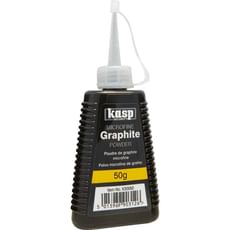
Graphite Powder
Pay in 3 interest-free payments on purchases from £30-2000 with  . Learn more.
 Loading...
About Graphite Powder
Graphite powder is a versatile dry lubricant and maintenance product that has become an essential item in workshops, industrial facilities, and toolboxes across the UK. Composed of finely ground crystalline carbon, graphite powder offers exceptional lubricating properties without the mess and residue associated with oil-based products. Its unique molecular structure allows it to reduce friction between moving parts whilst remaining effective in extreme temperatures, making it ideal for applications where conventional lubricants would fail or attract dirt and contaminants.
Tradespeople and engineers rely on graphite powder for a wide range of applications, from lubricating locks and hinges to treating squeaky mechanisms and protecting metal surfaces from corrosion. Unlike traditional oils and greases, graphite powder remains dry after application, making it particularly suitable for environments where cleanliness is paramount or where dust and debris would otherwise stick to wet lubricants. It's especially valued for high-temperature applications, maintaining its lubricating properties at temperatures where petroleum-based products would break down or evaporate.
The selection at Tooled-Up.com includes various grades and packaging formats, with graphite powder that can be applied directly as a dry powder, mixed with solvents for spray application, or combined with other materials to create specialist lubricating compounds. Professional-grade graphite powder typically features high purity levels and consistent particle sizes, ensuring reliable performance across demanding trade and industrial applications throughout the UK.
Jargon Buster
- Particle Size: The diameter of individual graphite particles, typically measured in microns. Finer particles (under 10 microns) provide smoother lubrication, whilst coarser grades offer better coverage for rough surfaces.
- Colloidal Graphite: Ultra-fine graphite particles suspended in a liquid carrier, creating a paint-like consistency that can be applied to surfaces before the carrier evaporates, leaving a uniform dry lubricant film.
- Purity Grade: The percentage of pure carbon content in the powder. Higher purity grades (95%+) offer superior lubrication and are preferred for precision applications, whilst lower grades may contain clay or other additives for specific uses.
- Coefficient of Friction: A measurement of how effectively graphite reduces resistance between two surfaces. Graphite typically achieves a coefficient of 0.1-0.15, making it one of the most effective solid lubricants available.
- Conductive Grade: Graphite powder specifically formulated to maintain or enhance electrical conductivity, commonly used in electrical applications, motor brushes, and earthing compounds.
- COSHH Classification: The health and safety rating under UK Control of Substances Hazardous to Health regulations, important for workplace risk assessments and proper handling procedures.
Who Uses Graphite Powder?
Graphite powder serves a diverse range of trades and industries across the UK:
- Locksmiths: For lubricating lock mechanisms, tumblers, and key cylinders without attracting dirt
- Automotive Mechanics: Treating door locks, ignition cylinders, and high-temperature engine components
- Joiners and Carpenters: Lubricating sliding mechanisms, drawer runners, and tool adjustment points
- Maintenance Engineers: Servicing industrial machinery, conveyor systems, and production equipment
- Electricians: As a conductive compound for earthing applications and electrical connections
- Plumbers and Heating Engineers: Treating valve stems, tap mechanisms, and high-temperature fittings
- Metalworkers and Fabricators: As a release agent for casting and a dry lubricant for forming operations
- DIY Enthusiasts: General household maintenance, treating squeaky hinges, and protecting tools
- Facilities Managers: Maintaining commercial buildings, door hardware, and access systems
How to Choose the Right Graphite Powder
Selecting appropriate graphite powder depends on your specific application and working environment:
Particle Size: Fine powders (under 10 microns) work best for precision mechanisms like locks and small bearings, providing smooth, consistent lubrication. Medium grades (10-50 microns) suit general-purpose applications such as hinges and sliding mechanisms. Coarser powders offer better coverage for rough surfaces but may feel gritty in precision applications.
Purity Level: High-purity grades (95%+ carbon content) deliver optimal lubrication for demanding applications and are less likely to cause abrasion. Lower purity options containing clay or other fillers may be suitable for less critical uses and typically cost less, making them economical for high-volume applications.
Application Method: Consider whether you need pure powder for direct application, a puffer bottle for precise delivery into locks and small openings, or a spray format for coating larger surfaces. Some tradespeople prefer graphite suspended in a carrier solvent that evaporates after application, leaving a dry film.
Temperature Range: Whilst graphite generally performs well across extreme temperatures, verify the manufacturer's specifications if working in particularly hot environments (foundries, engine components) or cold conditions where some carrier liquids might freeze.
Electrical Properties: If working with electrical systems, ensure you select an appropriately conductive grade. Some graphite powders are specifically formulated for electrical applications, whilst others may contain non-conductive additives.
Packaging Size: Professional tradespeople working on-site may prefer pocket-sized puffer bottles, whilst workshop and maintenance facilities might benefit from larger bulk containers that offer better value for regular use.
Popular Accessories
- Puffer Bottles: Precision applicators with narrow nozzles for directing graphite powder into locks, hinges, and tight spaces
- Mixing Containers: For preparing custom graphite suspensions with solvents or carriers
- Application Brushes: Soft-bristled brushes for coating surfaces evenly with graphite powder
- Spray Bottles: For applying graphite-solvent mixtures to larger areas
- Safety Gloves: Disposable or reusable gloves to prevent skin contact and keep hands clean
- Dust Masks: Respiratory protection when working with fine graphite powders in enclosed spaces
- Cleaning Cloths: For wiping away excess powder and buffing treated surfaces
- Storage Containers: Airtight vessels for keeping graphite powder dry and preventing contamination
- Complementary Lubricants: PTFE sprays, silicone lubricants, and penetrating oils for applications where graphite isn't suitable
Safety Information
Whilst graphite powder is generally considered a low-hazard material, proper handling ensures safe use in accordance with HSE guidelines and COSHH regulations:
Respiratory Protection: Fine graphite particles can become airborne during application, potentially causing respiratory irritation if inhaled in quantity. When working with graphite powder in enclosed spaces or applying large amounts, wear an appropriate dust mask or respirator rated for nuisance dusts. Ensure adequate ventilation in work areas.
Skin and Eye Contact: Although not typically irritating, graphite powder can be messy and difficult to remove from skin. Wear disposable gloves during application to maintain clean hands. If working overhead or in positions where powder might fall into your face, wear safety glasses to prevent eye irritation.
Slip Hazard: Graphite powder on smooth surfaces can create extremely slippery conditions. Take care when applying to floors or walkways, and clean up any spills immediately. Mark treated areas appropriately and warn others of potential slip risks.
Fire Considerations: Whilst graphite itself is non-flammable, fine airborne particles can form explosive dust clouds under certain conditions. Avoid creating dust clouds near ignition sources, and never apply graphite powder near open flames or hot surfaces that could create sparks.
Storage and Disposal: Store graphite powder in sealed containers away from moisture, which can cause clumping. Dispose of waste graphite and contaminated materials in accordance with local authority guidelines. Empty containers should be cleaned before recycling or disposal.
Frequently Asked Questions
Can I use graphite powder on all types of locks?
Graphite powder works excellently on most traditional pin tumbler and lever locks, making it the preferred choice for locksmiths throughout the UK. However, avoid using it on locks with plastic internal components, as the abrasive action might cause premature wear. Modern automotive locks with electronic components should be treated cautiously, and manufacturer recommendations should be checked first.
How does graphite powder compare to WD-40 or other spray lubricants?
Graphite powder offers distinct advantages as a dry lubricant that doesn't attract dust, dirt, or debris, making it ideal for locks, hinges, and mechanisms exposed to dusty environments. Unlike oil-based products that can gum up over time or evaporate, graphite provides long-lasting lubrication. However, penetrating oils like WD-40 are better for freeing seized components or displacing moisture. Many tradespeople keep both products in their toolkit for different applications.
Will graphite powder stain or mark surfaces?
Graphite powder is black and can mark surrounding surfaces if over-applied or not properly controlled during application. Use precision applicators like puffer bottles to direct powder exactly where needed, and wipe away any excess with a clean cloth. The powder can be removed from most surfaces with a damp cloth if caught quickly, but may stain porous materials like unsealed wood or fabric.
How often should I reapply graphite powder to locks and mechanisms?
Graphite powder typically provides long-lasting lubrication, often remaining effective for 6-12 months in indoor applications. Exterior locks or mechanisms exposed to weather may require more frequent treatment, perhaps every 3-6 months. If you notice increased resistance, stiffness, or squeaking, it's time to reapply. Avoid over-application, as excess powder can actually attract moisture and create a paste.
Is graphite powder safe to use around electrical equipment?
Graphite is electrically conductive, which makes it useful for some electrical applications but potentially problematic in others. It can be used safely to improve conductivity in earthing connections and motor brushes, but should be kept away from live circuits, circuit boards, and sensitive electronic components where it could cause short circuits. Always isolate electrical equipment before applying any maintenance products, in accordance with UK electrical safety regulations.