

Grass Boxes
Pay in 3 interest-free payments on purchases from £30-2000 with  . Learn more.
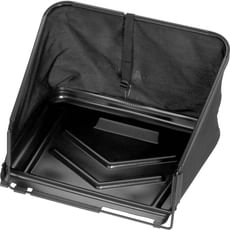
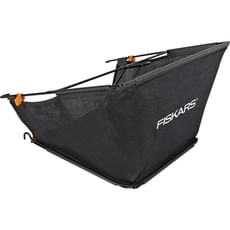
 Loading...
End of content
Error - No more pages to load
About Grass Boxes
Grass boxes, also known as grass catchers or grass collectors, are essential accessories designed to attach to cylinder mowers and reel lawnmowers for efficient collection of grass clippings during mowing. These practical collection systems eliminate the need for raking and sweeping after cutting, helping maintain a pristine, professional-looking lawn whilst significantly reducing post-mowing tidying time. Whether you're a professional groundskeeper maintaining bowling greens and sports pitches, or a dedicated homeowner who takes pride in garden presentation, a quality grass box ensures efficient clipping collection and convenient disposal.
Modern grass boxes are engineered from durable, weather-resistant materials designed to withstand regular outdoor use in demanding conditions. Constructed from UV-stabilised polypropylene and reinforced plastics, they handle the continuous impact of grass clippings whilst remaining lightweight enough for comfortable handling and emptying. Most models feature generous capacities ranging from 15 to 25 litres to minimise interruptions during mowing sessions, with integrated carrying handles and ergonomic design features ensuring easy transport when full. Quality grass boxes include ventilation slots or mesh panels that allow crucial air circulation, preventing grass from compacting inside the collector and maintaining consistent collection efficiency.
Compatibility is the most critical consideration when selecting a grass box, as these accessories are typically engineered to fit specific mower models or manufacturer ranges. The grass boxes available from Tooled-Up.com include models from trusted brands like Gardena and Fiskars, designed to integrate seamlessly with their respective cylinder mower systems. Properly fitted grass boxes improve overall cutting performance whilst keeping your lawn free from unsightly clippings that can smother grass growth, create thatch build-up, and produce an uneven appearance. Many models feature tool-free attachment mechanisms for quick fitting and removal, allowing you to switch between collecting and free-discharge modes as conditions require.
Jargon Buster
- Grass Catcher – Another term for a grass box; an attachment that collects grass clippings during mowing to prevent them from being deposited on the lawn surface.
- Reel Mower – Also known as a cylinder mower, this precision cutting tool uses a cylindrical arrangement of rotating blades that cut grass against a fixed bottom blade, commonly used for fine lawns and sports turf.
- Collection Capacity – The volume of grass clippings a box can hold before requiring emptying, typically measured in litres; larger capacities reduce interruptions but increase weight when full.
- Quick-Release Mechanism – A design feature allowing rapid attachment and removal of the grass box without requiring tools, making emptying and storage significantly more convenient.
- Ventilation Mesh – Perforated sections or mesh panels incorporated into the grass box design that allow airflow whilst retaining clippings, preventing compaction and improving collection efficiency.
- UV Stabilisation – Chemical treatment applied to plastic materials to prevent degradation and brittleness caused by prolonged exposure to sunlight, extending the service life of outdoor equipment.
Who Uses Grass Boxes?
- Professional Groundskeepers – maintaining golf courses, bowling greens, cricket pitches and sports facilities where pristine turf presentation is essential
- Landscape Gardeners – providing comprehensive lawn care services for residential and commercial clients requiring professional-standard results
- Estate Managers – caring for large private gardens, country estates and formal landscapes with extensive lawn areas
- Park Maintenance Teams – keeping public green spaces tidy and well-presented for community use and recreation
- Garden Enthusiasts – homeowners who take pride in maintaining immaculate lawns with professional-quality equipment and accessories
- Allotment Holders – collecting grass clippings for composting and organic soil improvement in vegetable growing areas
- Facilities Managers – overseeing grounds maintenance at schools, hospitals, business parks and public institutions
- Garden Maintenance Contractors – providing regular lawn care services to multiple residential and commercial properties
How to Choose the Right Grass Boxes
The most critical consideration when selecting a grass box is compatibility with your specific mower model. Grass boxes are typically model-specific rather than universal, designed to fit particular ranges or individual mower models due to variations in mounting systems, dimensions and mower configurations. Always verify that the grass box is engineered for your exact make and model of cylinder or reel mower. Check the product specifications carefully or consult with specialist suppliers if you're uncertain about fitment – an incompatible grass box won't attach securely and may compromise safety and collection efficiency.
Capacity requirements depend on the size of lawn you typically maintain and how frequently you're willing to interrupt mowing for emptying. Larger grass boxes ranging from 20-25 litres reduce the frequency of emptying interruptions, which proves particularly valuable for professional users or those maintaining extensive lawn areas. However, remember that larger capacity means considerably more weight to carry when full of grass clippings, especially when grass is damp. Consider your physical capabilities and disposal arrangements when selecting capacity.
Material construction directly affects both durability and handling weight. High-quality polypropylene and reinforced plastics offer excellent weather resistance and impact durability whilst remaining lightweight. Look for UV-stabilised materials that won't become brittle or discoloured after prolonged sun exposure. Some models incorporate polyester mesh screens for ventilation, which should be mildew-resistant for long-lasting performance. Reinforced corners, base sections and robust steel frames indicate better build quality and extended service life.
Ease of attachment and removal significantly impacts user experience and workflow efficiency. Tool-free assembly systems and quick-release mechanisms allow you to switch between collecting and free-discharge mowing modes quickly, which proves valuable when weather conditions or grass length vary. Models with simple clip-on designs reduce frustration and save time during operation.
Ventilation design prevents grass clippings from compacting inside the box, which improves collection efficiency and makes emptying considerably easier. Mesh panels or strategically positioned air slots allow essential airflow whilst retaining clippings securely. Adequate ventilation also helps prevent moisture accumulation that can lead to unpleasant odours and material degradation.
Handle design and ergonomics matter when you're emptying the grass box multiple times during each mowing session. Look for comfortable, well-positioned handles that allow secure grip and controlled pouring of clippings into compost bins or waste bags.
Popular Accessories
- Cylinder Mowers and Reel Lawnmowers – the essential companion equipment that grass boxes attach to for efficient lawn maintenance and clipping collection
- Replacement Mower Blades – keeping your mower's cutting cylinder sharp ensures clean cuts and optimal grass collection efficiency
- Garden Waste Bags – heavy-duty bags specifically designed for transferring collected grass clippings to composting areas or disposal points
- Compost Bins – for converting grass clippings into valuable organic soil improver and natural fertiliser for your garden
- Lawn Scarifiers and Aerators – for comprehensive turf care including thatch removal and soil aeration to complement regular mowing
- Storage Covers – protecting your grass box during winter storage or between uses, extending service life and preventing UV damage
- Cleaning Brushes and Scrapers – for removing compacted grass residue and maintaining hygiene after each use
- Gardening Gloves – protecting hands when handling grass boxes and during lawn maintenance tasks
Frequently Asked Questions
How often should I empty my grass box during mowing?
Empty your grass box before it becomes completely full to maintain optimal collection efficiency and prevent spillage or blockages. In typical conditions with moderate grass growth, you'll need to empty it every 10-15 minutes of active mowing, though this varies considerably with grass growth rate, moisture levels and box capacity. Overfilled boxes restrict airflow and significantly reduce collection effectiveness, causing clippings to be missed or discharged. You'll also find that an overfilled box becomes difficult to remove without spillage.
Can I use grass clippings collected in a grass box for composting?
Yes, grass clippings make excellent composting material when properly managed as they're rich in nitrogen and decompose relatively quickly. Mix them thoroughly with brown materials like dried leaves, shredded paper or cardboard to balance moisture and nitrogen levels, preventing anaerobic conditions. Avoid adding clippings from lawns recently treated with selective herbicides or pesticides, as chemical residues can persist and damage plants when you use the finished compost. Ensure the grass wasn't cut when wet, as soggy clippings can create compacted, smelly layers in your compost heap.
Why won't my grass box collect clippings efficiently?
Poor collection performance usually results from several common causes. Blunt mower blades tear rather than cut grass cleanly, creating clippings that don't flow properly into the box. Cutting grass that's too wet causes clippings to clump and stick rather than being collected efficiently. Attempting to cut grass that's excessively long overwhelms the collection system. A grass box that's become clogged with compacted material restricts airflow and prevents proper collection. Ensure your mower blades are sharp, mow when grass is dry, cut regularly so grass isn't too long, and clean your grass box thoroughly after each use. Check that the box is properly attached and that ventilation slots aren't blocked with dried grass.
Do I need to remove the grass box in winter?
It's advisable to remove and thoroughly clean your grass box at the end of the mowing season, storing it in a dry location protected from extreme temperatures and direct sunlight. This prevents degradation of plastic materials and mesh screens, ensuring it's ready for use when the growing season returns. Clean thoroughly with water and a stiff brush before storage to prevent mould growth, unpleasant odours and material staining. Allow it to dry completely before storing in a shed or garage. This simple maintenance significantly extends service life.
Are grass boxes from Tooled-Up compatible with any cylinder mower?
Grass boxes are typically model-specific rather than universal, designed to fit particular mower ranges or individual models. This specificity exists because of significant variation in mounting systems, dimensions and mower designs between manufacturers. The Fiskars grass catcher available at Tooled-Up is specifically designed for the Fiskars StaySharp Max Reel Mower, whilst Gardena grass catchers are engineered for Gardena cylinder mower models. Always check compatibility information carefully before purchasing to ensure proper fitment, secure attachment and safe operation with your specific mower. Universal grass boxes are rare and generally don't provide the secure fit and collection efficiency of purpose-designed models.