

Grass Trimmer Harnesses

Pay in 3 interest-free payments on purchases from £20-£3000 with  . Learn more.
 Loading...
End of content
Error - No more pages to load
About Grass Trimmer Harnesses
Grass trimmer harnesses are essential ergonomic accessories that transform how professionals and keen gardeners use their strimmers and brush cutters. By distributing the weight of your equipment across your shoulders, back, and torso rather than concentrating it in your arms and hands, a quality harness dramatically reduces muscle fatigue and strain during extended trimming sessions. Whether you're clearing overgrown field margins, maintaining sports grounds, or tackling a large domestic garden, the right harness makes challenging work considerably more manageable and comfortable.
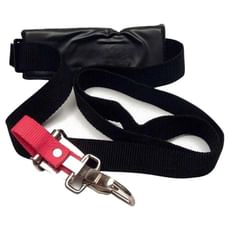
Most grass trimmer harnesses feature adjustable padded shoulder straps, quick-release safety mechanisms, and universal attachment systems compatible with multiple brands and models. The harness connects to your trimmer via a carabiner or hook system, suspending the tool at an optimal working height whilst maintaining proper balance. This arrangement allows you to guide the trimmer with minimal physical effort, improving cutting precision whilst reducing the risk of repetitive strain injuries that can result from prolonged manual handling of heavy equipment.
Tooled-Up.com supplies harnesses suitable for both lightweight electric models and heavy-duty petrol brush cutters, with options ranging from basic single-shoulder designs to professional double-shoulder systems with hip support. Investing in a properly fitted harness pays dividends through improved work quality, extended comfortable working periods, and crucially, the prevention of long-term musculoskeletal problems that frequently affect groundskeepers and gardeners who regularly use trimming equipment without adequate support.
Jargon Buster
- Quick-Release Mechanism: A safety feature enabling instant detachment of the trimmer from the harness in emergency situations, such as if the tool becomes entangled or the operator loses balance. Essential for commercial use and recommended by the HSE for all brush cutter operations.
- Single vs Double Shoulder Harness: Single shoulder harnesses distribute weight over one shoulder and are suitable for lighter trimmers, whilst double shoulder (or backpack-style) harnesses spread the load across both shoulders and often include a hip belt for superior weight distribution with heavier equipment.
- Universal Fitting: Harness designs that accommodate multiple trimmer brands and models through adjustable attachment points and standardised carabiner systems, eliminating the need for manufacturer-specific harnesses.
- Load Distribution: The biomechanical principle by which a harness transfers equipment weight from your arms to larger muscle groups in your shoulders, back, and core, reducing localised fatigue and strain.
- Balance Point: The optimal position on your trimmer where it should attach to the harness to maintain horizontal alignment of the cutting head during operation, ensuring efficient cutting and reduced operator effort.
- Carabiner Clip: A spring-loaded metal loop used to secure the trimmer to the harness, allowing quick connection and disconnection whilst maintaining a reliable hold during operation.
Who Uses Grass Trimmer Harnesses?
- Professional Groundskeepers and Gardeners: Maintaining parks, sports facilities, estates, and commercial landscapes where strimmers are used for multiple hours daily
- Landscape Contractors: Tradespeople regularly clearing overgrown vegetation and requiring comfortable equipment for full working days on site
- Agricultural Workers: Farm staff managing field margins, hedgerows, and areas where larger machinery cannot access
- Local Authority Maintenance Teams: Council workers responsible for roadside verges, public parks, and community green spaces
- Countryside Rangers and Conservation Workers: Land management professionals maintaining nature reserves where heavy-duty brush cutting is frequently required
- Golf Course Maintenance Staff: Greenkeepers managing rough areas, boundaries, and challenging terrain around courses
- Smallholders and Rural Property Owners: DIY enthusiasts maintaining extensive gardens, paddocks, orchards, and rural plots requiring regular strimming
- Tree Surgeons and Forestry Workers: Professionals clearing undergrowth and maintaining woodland areas as part of broader arboricultural work
How to Choose the Right Grass Trimmer Harnesses
Start by considering your trimmer's weight and power source. Heavy petrol-powered brush cutters typically weighing 5-10kg require robust double-shoulder harnesses with substantial padding and hip support, whilst lighter electric or battery models under 3kg may only need a simple single-shoulder design. Check the manufacturer's weight rating to ensure the harness can comfortably support your specific equipment.
Adjustability determines whether you'll achieve a proper fit. Look for harnesses with multiple adjustment points including shoulder straps, chest bands, and waist belts. The range of the Tooled-Up harnesses offers various adjustment options to accommodate different body sizes and shapes. If multiple operators will share equipment, ensure the harness provides sufficient adjustment range to fit everyone comfortably. A poorly fitted harness negates the ergonomic benefits and can actually increase discomfort.
Padding quality directly impacts comfort during extended use. Professional-grade harnesses feature thick foam or gel padding on shoulder straps and back panels, distributing pressure evenly and preventing the webbing from digging into your body. Budget options may offer minimal cushioning suitable for occasional domestic use, but professionals working several hours daily should invest in superior padding to prevent discomfort and potential injury over time.
Quick-release mechanisms are non-negotiable for safety. The system must operate smoothly and intuitively but shouldn't accidentally disengage during normal operation. Test the release before purchasing—you should be able to detach the trimmer instantly with one hand. The HSE recommends reliable quick-release systems for all commercial brush cutter operations, and this feature should be considered essential regardless of whether you're a professional or domestic user.
Verify compatibility with your specific trimmer model. Whilst most harnesses advertise universal fitting, check that the attachment points align with your tool's balance point and connection system. Some heavier professional brush cutters have specific attachment requirements that may not work with all universal harnesses. If purchasing from Tooled-Up, check the product specifications or contact their team to confirm compatibility with your equipment.
Popular Accessories
- Replacement Trimmer Line: Stock various diameters (typically 1.6mm to 3.0mm) suitable for different vegetation types and trimmer models
- Brush Cutter Blades: Metal cutting blades for tackling woody growth, brambles, and tougher vegetation beyond the capability of nylon line
- Trimmer Heads: Replacement cutting heads including bump-feed, fixed-line, and blade attachment systems
- Safety Visors and Face Shields: Essential PPE protecting against flying debris, particularly important when using metal blades
- Anti-Vibration Work Gloves: Reduce hand fatigue and protect against vibration-related injuries during prolonged trimmer use
- Hearing Protection: Ear defenders or plugs rated for the noise levels produced by petrol-powered trimmers, which can exceed 100dB
- Protective Chaps and Trousers: Cut-resistant leg protection designed specifically for brush cutter and strimmer operations
- Two-Stroke Oil and Fuel Mixing Bottles: For petrol trimmer users requiring proper fuel preparation equipment
- Tool Storage Solutions: Wall-mounted hooks and storage systems keeping trimmers, harnesses, and accessories organised and accessible
Safety Information
Always ensure your harness is correctly adjusted before starting work. An improperly fitted harness causes the trimmer to hang at an awkward angle, increasing injury risk and reducing cutting efficiency. Adjust all straps so the trimmer sits at a comfortable working height with the cutting head parallel to the ground when you're standing in a natural position. The attachment point should align with your trimmer's balance point to minimise the physical effort required to guide the tool.
Conduct regular inspections of your harness, paying particular attention to webbing straps, padding condition, and attachment points. Frayed webbing, damaged clips, compressed padding, or corroded carabiner springs should be addressed immediately—a harness failure can result in dropped equipment causing serious injury. Replace worn components or the entire harness as necessary. UV exposure and moisture accelerate deterioration, so store your harness in a dry location away from direct sunlight when not in use.
Familiarise yourself with the quick-release mechanism and practise using it before operating your trimmer. In an emergency, you must be able to detach instantly without fumbling or looking down. The HSE provides guidance on safe brush cutter operation, emphasising that operators should understand all safety features including harness quick-release systems. Practise the release motion until it becomes automatic—your safety may depend on it.
Wear appropriate personal protective equipment alongside your harness. Safety boots with steel toe caps, cut-resistant trousers or chaps, impact-resistant gloves, hearing protection, and face shields or safety glasses are all essential depending on your specific task and equipment. The harness improves ergonomics and reduces fatigue but doesn't replace other PPE required for safe strimming and brush cutting operations. When working on sites or in commercial settings, ensure your equipment and practices comply with relevant HSE guidance and risk assessments.
Frequently Asked Questions
Will a universal harness fit my specific grass trimmer model?
Most universal harnesses accommodate the majority of grass trimmers and brush cutters through adjustable attachment points and standard carabiner systems. However, verify the harness specifications against your trimmer's weight and attachment configuration. Very lightweight cordless trimmers under 2.5kg typically don't require harnesses for short duration use, whilst extremely heavy professional brush cutters above 8kg may need specialist double-shoulder systems with hip support. Check the product specifications or contact the supplier to confirm compatibility with your particular model.
How should a grass trimmer harness fit properly?
A correctly fitted harness distributes the trimmer's weight evenly across both shoulders (for double-shoulder designs) or one shoulder and your back (for single-shoulder types) without causing pressure points or restricting movement. The shoulder straps shouldn't dig into your skin or slip off during operation, and you should be able to breathe freely without chest strap constriction. When attached, the trimmer should hang at a comfortable working height with the cutting head approximately parallel to the ground. Most harnesses require adjustment when first fitted, and you may need to fine-tune the settings after a few minutes of use as the padding compresses and settles.
Can I use the same harness with different trimmers of varying weights?
Yes, universal harnesses are designed to work with multiple tools, making them ideal for professionals owning several trimmers or households with different models. However, you'll need to readjust the harness height and balance point when switching between tools of different weights. Ensure the harness weight rating accommodates your heaviest trimmer—a harness suitable for a 3kg electric strimmer may not provide adequate support for a 7kg petrol brush cutter. Single-shoulder harnesses work well with lighter equipment, but if you use heavy professional brush cutters, invest in a double-shoulder harness with proper load distribution.
How do I maintain my grass trimmer harness to maximise its lifespan?
After each use, wipe down your harness to remove grass clippings, dirt, and moisture that can degrade materials over time. Inspect all straps, buckles, clips, and stitching for wear before each use—catching deterioration early prevents sudden failures. Store the harness in a dry, well-ventilated location away from direct sunlight, which breaks down synthetic webbing and padding materials. Most harnesses can be hand-washed with mild detergent if heavily soiled, but always allow them to dry completely before storage or use. Never use harsh chemicals or machine wash harnesses as this can compromise the structural integrity of webbing and padding.
Is a harness necessary for all grass trimmers or only heavy models?
Lightweight electric and battery-powered trimmers under 3kg can generally be used comfortably without a harness for periods up to 30 minutes. However, if you're working for longer durations or using a heavier petrol-powered brush cutter (typically 4-10kg), a harness becomes essential for comfort, efficiency, and safety. Professional users should employ a harness regardless of trimmer weight to prevent cumulative strain injuries that develop over weeks and months of repeated use. Even with lighter equipment, a harness improves cutting precision by stabilising the tool and reducing arm fatigue, allowing you to maintain better technique throughout extended work sessions.