

Grinding & Sharpening Accessories

Pay in 3 interest-free payments on purchases from £20-£3000 with  . Learn more.
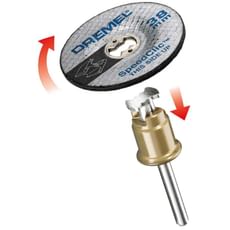
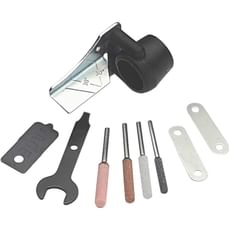
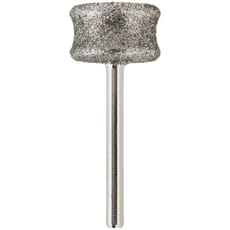
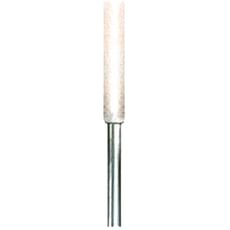
 Loading...
End of content
Error - No more pages to load
About Grinding & Sharpening Accessories
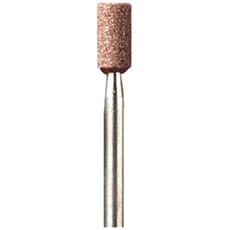
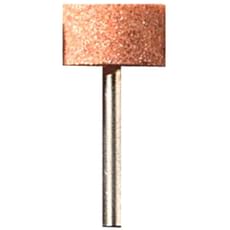
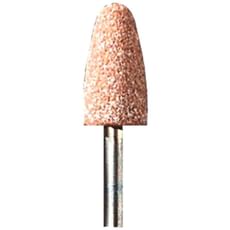
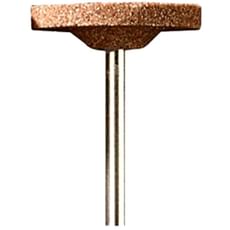
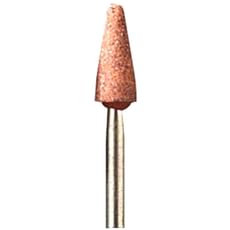
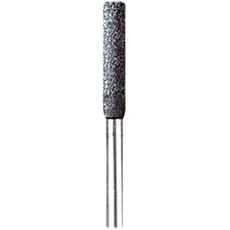
Grinding and sharpening accessories are essential attachments for rotary multi-tools that enable precise material removal, surface preparation, and blade maintenance across a wide range of applications. These specialist accessories transform your rotary tool into a versatile grinding and sharpening station, capable of tackling everything from resharpening chainsaw teeth to smoothing metal edges, deburring workpieces, and restoring cutting edges on garden tools and workshop equipment. Available in various profiles including cylindrical, conical, spherical, and disc shapes, these accessories allow tradespeople and DIY enthusiasts to access tight spaces and work on intricate geometries that would be impossible with conventional grinding equipment.
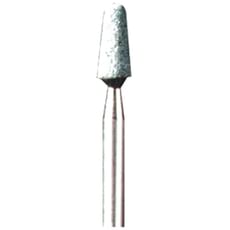
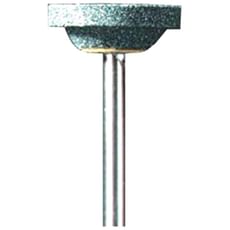
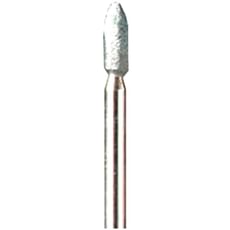
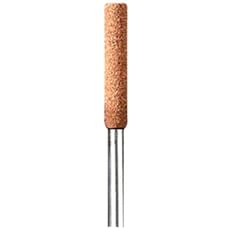
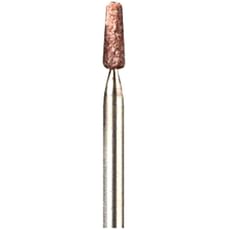
The majority of grinding and sharpening accessories utilise either aluminium oxide or silicon carbide abrasive materials, each offering distinct properties suited to different materials and applications. Aluminium oxide grinding stones are ideal for ferrous metals and general-purpose grinding, whilst silicon carbide variants excel at working with harder materials including stone, glass, ceramics, and non-ferrous metals. Tooled-Up.com stocks a comprehensive range of grinding accessories from Dremel, the market-leading manufacturer of rotary multi-tool accessories, ensuring compatibility and professional-standard results for both trade and DIY applications.
Specialist chainsaw sharpening attachments represent a particularly valuable subset of these accessories, enabling quick and accurate restoration of chainsaw cutting performance without the need for specialist bench-mounted equipment. When fitted to a quality rotary tool, these accessories provide professional-standard results whilst maintaining the portability and convenience that modern tradespeople demand on site or in the workshop. From arborists maintaining equipment in the field to metalworkers preparing weld edges in fabrication shops, grinding and sharpening accessories deliver versatility and precision across countless applications.
Jargon Buster
- Aluminium Oxide – A tough, durable abrasive material ideal for grinding ferrous metals, high-carbon steel, and general workshop applications. Offers excellent durability and consistent cutting performance throughout the stone's life.
- Silicon Carbide – An extremely hard abrasive compound particularly effective on non-ferrous metals, ceramics, glass, and stone. Provides faster material removal on harder substances compared to aluminium oxide.
- Grit Rating – The measurement of abrasive particle size, with lower numbers indicating coarser abrasives for heavy material removal and higher numbers representing finer grits for precision work and finishing.
- Mandrel – The mounting shaft that secures grinding stones and other rotary accessories to the tool's collet, allowing safe operation at high rotational speeds.
- RPM Rating – Revolutions per minute – the maximum safe operating speed for each accessory. Exceeding this rating can cause stone failure and potential injury, making compliance with manufacturer specifications essential.
- Arbor Size – The diameter of the mounting hole or shaft fitting, typically measured in millimetres. Ensuring compatibility between accessory arbor size and your tool's collet capacity is crucial for safe operation.
Who Uses Grinding & Sharpening Accessories?
These versatile accessories serve a broad spectrum of trades and applications:
- Arborists and Tree Surgeons – maintaining chainsaw cutting performance in the field
- Carpenters and Joiners – deburring metalwork, grinding fixings flush, and sharpening cutting tools
- Metalworkers and Fabricators – precision grinding, edge preparation, and surface finishing
- Plumbers and Heating Engineers – deburring copper pipe, smoothing rough edges on metalwork
- Automotive Technicians – removing corrosion, grinding welds, and surface preparation
- Landscapers and Groundskeepers – maintaining cutting edges on various garden machinery
- Jewellers and Craftspeople – precision grinding and shaping of precious metals and materials
- DIY Enthusiasts – general workshop maintenance, tool sharpening, and home improvement projects
- Model Makers and Hobbyists – detailed grinding and finishing work on small-scale projects
How to Choose the Right Grinding & Sharpening Accessories
Selecting appropriate grinding and sharpening accessories requires consideration of several key factors:
Material Compatibility: Match the abrasive type to your workpiece material. Aluminium oxide stones work best on ferrous metals and steel, whilst silicon carbide excels on harder materials like ceramics, glass, and non-ferrous metals. Using the correct abrasive ensures efficient material removal whilst maximising accessory lifespan.
Stone Profile and Size: Consider the geometry of the work area. Cylindrical stones suit flat surfaces and external curves, whilst conical and spherical profiles access internal contours, tight corners, and intricate detail work. Ensure your chosen accessory can physically reach the work area whilst maintaining safe clearance from adjacent surfaces.
Application Purpose: Heavy stock removal demands coarser grits and robust stone construction, whilst finishing work requires finer abrasives and precise profiles. Chainsaw sharpening necessitates dedicated grinding stones matched to your chain's pitch and tooth geometry for optimal results. The Tooled-Up range includes specialist chainsaw sharpening kits alongside general-purpose grinding stones for maximum versatility.
Tool Compatibility: Verify that accessories match your rotary tool's collet size and RPM capability. Most grinding stones specify maximum operating speeds – exceeding these limits risks stone failure and potential injury. Dremel accessories clearly mark these specifications on packaging, ensuring safe operation with compatible tools.
Frequency of Use: Professional tradespeople undertaking regular grinding work benefit from purchasing accessory sets offering multiple profiles and grit ratings, providing versatility whilst representing better value than individual purchases. Occasional users might prefer targeted solutions for specific tasks.
Popular Accessories
Complementary products that enhance your grinding and sharpening capabilities include:
- Rotary Multi-Tools – the power platform for all grinding accessories, with variable speed control offering optimal performance
- Collet Sets – enabling fitment of various arbor sizes and expanding accessory compatibility
- Replacement Mandrels – spare mounting shafts ensuring continued operation if originals become damaged
- Cutting and Sanding Accessories – extending your tool's versatility beyond grinding applications
- Safety Goggles and Face Shields – essential personal protective equipment for all grinding operations
- Work Holding Equipment – vices and clamps securing workpieces for safer, more accurate grinding
- Chainsaw Sharpening Guides – ensuring consistent angles and optimal cutting geometry
- Storage Cases – organised accessory storage preventing damage and maintaining workshop efficiency
Safety Information
Grinding operations present specific hazards requiring appropriate precautions and protective equipment:
Personal Protective Equipment: Always wear safety goggles or a face shield to protect against flying debris and abrasive particles. Grinding generates significant quantities of fine dust – use respiratory protection meeting HSE standards, particularly when working with materials producing hazardous dust. Hearing protection is advisable during extended grinding sessions due to high-pitched noise levels.
Speed Ratings: Never exceed the maximum RPM marked on grinding accessories. Operating beyond rated speeds can cause stone disintegration, creating dangerous projectiles. Ensure your rotary tool's speed setting remains within safe parameters for each accessory fitted.
Secure Mounting: Verify that grinding stones are properly secured before operation. Loose accessories can detach during use, causing injury and workpiece damage. Check mandrel tightness and collet engagement before each session.
Work Area Preparation: Maintain adequate workspace lighting and ventilation. Remove flammable materials from the grinding area as sparks generated during metalworking can ignite combustible substances. Ensure workpieces are securely clamped, preventing movement during grinding operations.
Inspect Before Use: Examine grinding stones for chips, cracks, or damage before fitting. Compromised accessories are prone to failure during operation and should be discarded immediately. Replace worn stones showing excessive reduction in diameter or profile distortion.
Frequently Asked Questions
What's the difference between aluminium oxide and silicon carbide grinding stones?
Aluminium oxide stones are ideal for ferrous metals, steel, and general-purpose grinding, offering excellent durability and consistent performance. Silicon carbide is harder and works better on non-ferrous metals, ceramics, glass, and stone, providing faster material removal on these harder substances.
Can I sharpen my chainsaw with standard grinding stones?
Whilst general grinding stones can remove material from chainsaw teeth, dedicated chainsaw sharpening stones and kits deliver superior results. These specialist accessories match the specific tooth geometry and cutting angles required for optimal chainsaw performance, ensuring consistent sharpening across all teeth. Browse the selection at Tooled-Up.com for complete chainsaw sharpening solutions.
How long do grinding stones typically last?
Lifespan varies considerably based on application, material hardness, operating pressure, and frequency of use. Light finishing work on soft materials may yield dozens of hours of use, whilst aggressive grinding on hard steel will consume stones much faster. Replace stones when diameter reduction impairs performance or profile shape no longer suits your application.
What speed should I run my rotary tool when using grinding accessories?
Consult the accessory packaging for maximum RPM ratings and never exceed these limits. Generally, harder materials tolerate higher speeds, whilst softer substances and precision work benefit from reduced speeds providing better control. Start at moderate speeds and adjust based on material response and desired results.
Are these accessories compatible with all rotary multi-tool brands?
Most grinding stones use standardised arbor sizes compatible across major brands, though verification is essential before purchase. Check your tool's collet capacity and ensure accessories specify compatible fitment. Quality manufacturers like Dremel provide detailed compatibility information, helping you select appropriate accessories for your specific tool model.