

Grinding Wheels
Pay in 3 interest-free payments on purchases from £30-2000 with  . Learn more.

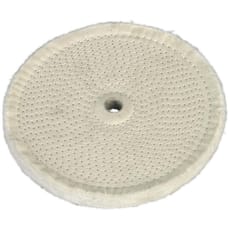
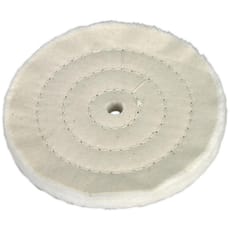
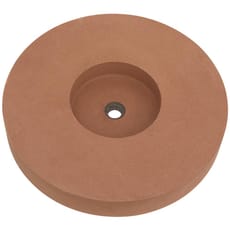
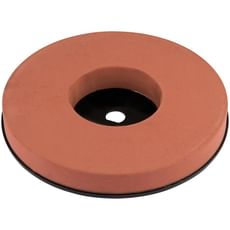
 Loading...
End of content
Error - No more pages to load
About Grinding Wheels
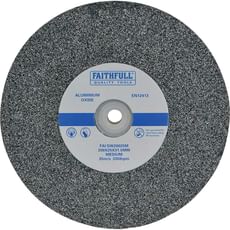
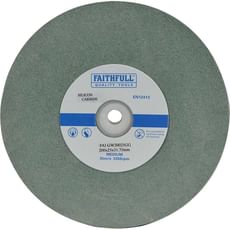
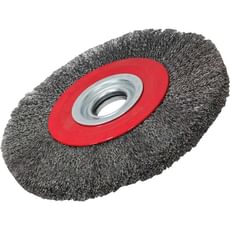
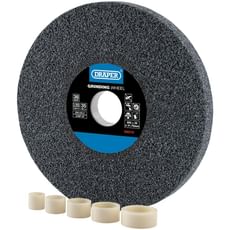
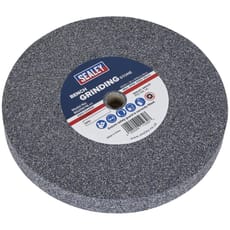
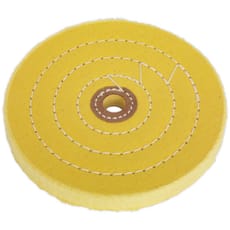
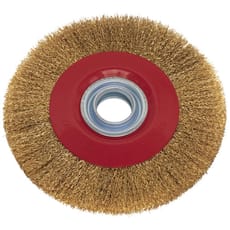
Grinding wheels are fundamental abrasive tools used across professional workshops and home garages for sharpening, shaping, and finishing metal, stone, and various other materials. These precision-engineered circular discs mount onto bench grinders, angle grinders, and straight grinders to perform tasks ranging from bringing a keen edge back to chisels and plane blades through to heavy-duty metalwork, weld finishing, and surface preparation. The range at Tooled-Up includes aluminium oxide wheels for general metalwork, silicone carbide wheels for harder materials, wire wheels for aggressive surface cleaning, buffing wheels for polished finishes, and specialised honing wheels for achieving razor-sharp cutting edges.
Available in various compositions, grit sizes, and diameters, grinding wheels must be carefully matched to both the material being worked and the task at hand. Standard bench grinder wheels typically measure 150mm to 200mm in diameter with arbor sizes of 12.7mm, 16mm, or 31.75mm to suit different grinder spindles. Each wheel type features specific abrasive materials and bonding agents engineered for particular applications—from coarse 36-grit wheels that remove material rapidly during initial shaping, through to fine 120-grit wheels that deliver smooth finishes and precision sharpening suitable for woodworking tools and specialist cutting implements.
Tooled-Up.com stocks quality grinding wheels from trusted manufacturers including Bosch Professional, Faithfull, Sealey, Draper, and Einhell, ensuring reliable performance whether you're a professional tradesperson maintaining workshop equipment or a DIY enthusiast tackling home projects. Understanding the different wheel compositions, grit ratings, and safety specifications ensures you achieve professional results whilst maintaining the highest operational standards required for these high-speed rotating abrasive tools.
Jargon Buster
- Aluminium Oxide - The most widely used abrasive material in grinding wheels, particularly effective for ferrous metals including steel and cast iron. Offers excellent durability and self-sharpening characteristics for general workshop metalwork and tool maintenance.
- Silicone Carbide - A harder, sharper abrasive material specifically suited to grinding non-ferrous metals, tungsten carbide, stone, glass, and ceramics. Green silicone carbide wheels excel at sharpening carbide-tipped cutting tools and working harder materials.
- Grit Size - The coarseness measurement of abrasive particles, expressed numerically. Lower numbers (36-60) indicate coarse wheels for rapid stock removal, medium grits (80-100) balance material removal with surface quality, whilst higher numbers (120+) provide fine finishes and precision edge work.
- Arbor Size - The diameter of the central mounting hole that fits onto the grinder spindle. Common UK sizes include 12.7mm (½"), 16mm, and 31.75mm (1¼"), so always verify compatibility with your specific grinder model before purchasing.
- Maximum RPM - The highest safe rotational speed rating for the wheel, which must never be exceeded by your grinder's operating speed. This critical safety specification is clearly marked on every grinding wheel and must be checked before use.
- Vitrified Bond - A ceramic glass-like bonding material that holds abrasive grains together, offering superior heat resistance, porosity for coolant flow, and precise grinding characteristics preferred for professional metalworking applications.
Who Uses Grinding Wheels?
Grinding wheels serve as indispensable tools across numerous trades and applications:
- Engineers and Fabricators - For metal preparation, deburring, weld finishing, and precision metalwork in workshop and site environments
- Machinists and Tool Makers - Maintaining cutting tools, creating precise edges on machined components, and resharpening drill bits and lathe tools
- Carpenters and Joiners - Sharpening chisels, plane blades, spokeshaves, and woodworking tools to maintain optimal cutting performance
- Groundworkers and Landscapers - Sharpening spades, mattocks, axes, and cutting tools for efficient site work and grounds maintenance
- Mechanics and Auto Technicians - Removing rust and corrosion, cleaning components, metal finishing work, and general workshop maintenance
- Blacksmiths and Metalworkers - Shaping and finishing forged items, removing scale, and creating decorative metalwork finishes
- Garden and Grounds Maintenance - Sharpening mower blades, hedge shears, secateurs, and garden cutting implements for cleaner cuts
- DIY Enthusiasts - General workshop maintenance, tool sharpening, and home metalworking projects requiring precision grinding
How to Choose the Right Grinding Wheels
Material Compatibility: Match the wheel composition to your workpiece material for optimal results. Aluminium oxide wheels suit ferrous metals like steel, cast iron, and general-purpose workshop metalwork. Silicone carbide wheels excel with non-ferrous metals, tungsten carbide tooling, stone, and glass. For surface cleaning, rust removal, and paint stripping, wire wheels provide aggressive action without removing base metal.
Wheel Dimensions: Ensure the wheel diameter matches your grinder specifications—typically 150mm, 200mm, or 250mm for bench grinders. Verify the arbor (centre hole) size matches your grinder spindle precisely, with common UK sizes being 12.7mm, 16mm, or 31.75mm. Also check the wheel thickness specification to ensure proper guard coverage and compatibility.
Grit Selection: Coarse grits (36-60) remove material quickly for initial shaping, heavy grinding, and rapid stock removal. Medium grits (80-100) balance material removal with surface finish quality for general workshop tasks. Fine grits (120 and higher) deliver smooth finishes and precision sharpening for cutting edges on chisels, plane blades, and specialist tools.
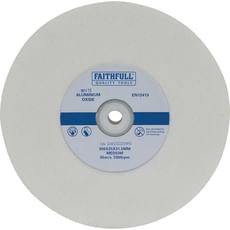
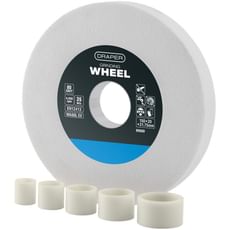
Application Requirements: Standard grey aluminium oxide wheels handle everyday metalwork and general tool sharpening. White aluminium oxide wheels run cooler and suit high-carbon tool steels where heat control prevents losing the temper. Whetstone wheels work superbly for edge tools requiring water cooling. Buffing wheels create polished finishes on metal surfaces, whilst leather honing wheels provide the final edge refinement for premium tool sharpening.
Speed Rating Verification: Always verify the wheel's maximum RPM rating exceeds your grinder's operating speed—this critical safety consideration prevents dangerous wheel failure. UK bench grinders typically operate at 2,850 RPM (based on 50Hz mains frequency), though variable speed models require particular attention to maximum rated speeds.
Popular Accessories
- Bench Grinders - Workshop mounting equipment from Sealey, Draper, and Einhell providing stable platforms for precision grinding operations
- Angle Grinders - Portable grinding solutions from Bosch Professional, Makita, and DeWalt for site work and flexible workshop applications
- Tool Rests and Work Supports - Adjustable guides ensuring consistent grinding angles and accurate results for tool sharpening
- Wheel Dressing Tools - Diamond or star wheel dressers maintaining flat, true grinding surfaces and restoring cutting efficiency
- Eye Protection and Face Shields - Essential personal protective equipment meeting BS EN 166 standards for grinding operations
- Dust Extraction Equipment - Capturing grinding dust and sparks for cleaner, safer working environments in enclosed workshops
- Grinding Wheel Flanges and Blotters - Proper mounting hardware ensuring secure, balanced wheel installation and even clamping pressure
- Safety Screens - Transparent protective barriers providing additional operator protection during bench grinding operations
Safety Information
Pre-Use Inspection: Always conduct a ring test before mounting—suspend the wheel by placing a finger through the arbor hole and tap gently with a wooden handle. A clear ringing tone indicates structural integrity; a dull thud suggests internal cracks or damage. Never use damaged, chipped, or cracked wheels. Inspect grinding wheels before every use, as invisible damage from dropping or impact can cause catastrophic failure at operating speeds.
Correct Installation: Mount wheels with appropriate flanges and blotters (compressible washers), ensuring even clamping pressure across the wheel face. Never overtighten mounting nuts—finger-tight plus one-quarter turn with a spanner is typically sufficient. Always allow newly mounted wheels to run at full operating speed for one minute with guards in place and no load before commencing work. Verify the wheel's maximum RPM clearly exceeds your grinder's operating speed.
Personal Protection: Always wear impact-resistant eye protection or a full face shield meeting BS EN 166 standards—grinding operations generate high-speed particles capable of causing serious eye injury. Avoid loose clothing, tie back long hair, and never wear gloves when operating grinding wheels due to severe entanglement risks. Ensure adequate ventilation or dust extraction to prevent inhalation of grinding dust.
Operational Safety: Position yourself to the side of the grinding wheel, never directly in line with the wheel's rotation plane. Maintain proper tool rests within 3mm of the wheel surface to prevent workpiece jamming. Allow wheels to reach full speed before making contact, and never apply excessive pressure—let the abrasive do the work. Never use the side of a straight grinding wheel unless specifically designed for side grinding. Follow HSE guidance on abrasive wheel operations and ensure operators receive appropriate training as required under health and safety regulations.
Storage and Handling: Store grinding wheels flat in dry conditions, protecting them from impact, moisture, and temperature extremes. Handle carefully to prevent chips and cracks, and never use wheels that have been dropped or subjected to impact. Rotate stock to use oldest wheels first, though properly stored vitrified wheels have indefinite shelf life when undamaged.
Frequently Asked Questions
What's the difference between white and grey aluminium oxide grinding wheels?
Grey aluminium oxide wheels are standard general-purpose wheels ideal for everyday metalwork, fabrication, and tool sharpening tasks. White aluminium oxide wheels are manufactured from purer aluminium oxide, making them more friable (self-sharpening) and able to run cooler during operation. This makes white wheels preferable for high-carbon tool steels, precision grinding, and applications where heat control is critical to prevent losing the temper in cutting edges. White wheels also resist loading better when grinding softer steels.
How often should I dress my grinding wheel?
Dress your grinding wheel whenever the surface becomes glazed (shiny and smooth), loaded with material particles, or develops grooves and irregular surfaces that affect grinding performance. Regular dressing maintains cutting efficiency, prevents overheating, and ensures flat, true grinding surfaces. For frequent professional use, weekly dressing keeps wheels performing optimally, whilst occasional users should dress when performance noticeably decreases or when preparing for precision sharpening tasks requiring flat wheel surfaces.
Can I use the same grinding wheel for steel and aluminium?
Whilst technically possible, it's not recommended for optimal results. Aluminium and other soft non-ferrous metals quickly load (clog) standard aluminium oxide wheels designed for ferrous metals, dramatically reducing effectiveness and creating excessive heat. For aluminium, brass, copper, and other non-ferrous metals, silicone carbide wheels or dedicated non-loading grinding wheels prevent clogging and deliver superior results. If you must use one wheel for multiple materials, dress it thoroughly between material changes.
Why does my grinding wheel size matter for my bench grinder?
Wheel diameter and thickness must match your grinder's specifications for safe operation and proper guard coverage. Using undersized wheels reduces grinding efficiency, changes the effective grinding angle, and may expose dangerous rotating surfaces beyond guard protection. Oversized wheels won't fit within guards properly, may contact the tool rest or housing, and could exceed safe speed ratings. Always verify wheel dimensions precisely match your grinder's requirements and guard clearances before purchasing replacement wheels.
How long do grinding wheels last?
Grinding wheel lifespan varies enormously based on usage intensity, material hardness being ground, wheel quality, and operator technique. Professional workshop wheels under daily use might last weeks to several months depending on workload, whilst DIY applications could see years of service with occasional use. Replace wheels when diameter reduces significantly (affecting grinding geometry and performance), when damaged or cracked, or when approaching the minimum diameter marked on the wheel or grinder specifications. Never use wheels beyond their minimum safe diameter.